Fire & Smoke Damage
DIY Smoke Odor Removal: Temporary Solutions Before Professional Help
September 28, 20257 min read
R
Rob Temples· Operations Manager, Emergency Services (Fairfield, NJ & New York City)
Rob Temples manages emergency restoration operations for Advanced DRI's Fairfield, NJ and New York City service areas. With 10 years in the restoration industry and prior experience working for a general contractor, he integrates construction knowledge with mitigation expertise on every project and holds an IICRC Water Restoration Technician (WRT) certification.
10+ years experienceIICRC Water Restoration Technician (WRT)
Published September 28, 2025 · Updated May 27, 2026

Learn safe DIY smoke odor removal methods for temporary relief. Step-by-step guide with household items plus when to call restoration professionals.
What You'll Need for Smoke Odor Removal
Tools:
- Box fans (2-3 for air circulation)
- Spray bottles (for cleaning solutions)
- Vacuum with HEPA filter (regular vacuum spreads particles)
- Rubber gloves (heavy-duty cleaning type)
- Bucket and mop (for hard surfaces)
- Clean rags or microfiber cloths (lots of them)
Materials:
- White vinegar (grocery store, gallon size)
- Baking soda (multiple boxes)
- Activated charcoal (pet store or online)
- Unscented dish soap (grease-cutting formula)
- Plastic sheeting (hardware store)
- N95 masks (hardware store)
Time Required:
⏱️ Prep: 20 minutes ⏱️ Initial cleaning: 2-3 hours ⏱️ Absorption setup: 30 minutes ⏱️ Daily maintenance: 15 minutes for 3-7 days⚠️ Safety First
Before you begin:- Open all windows for ventilation
- Wear an N95 mask during cleaning
- Never mix cleaning products (creates toxic fumes)
- Turn off HVAC to prevent spreading particles
- Take photos for insurance documentation
- Fire damage affects structure or electrical systems
- Smoke exposure lasted more than a few hours
- Soot covers walls or surfaces
- You smell smoke in HVAC vents
- Anyone has respiratory issues
Step-by-Step Smoke Odor Removal Process
Phase 1: Immediate Ventilation for Smoke Odor Removal (First Hour)
1. Create cross-ventilation Open windows on opposite sides of affected rooms. This creates airflow that begins pushing smoke particles outside. 2. Position fans strategically Place one fan blowing OUT of a window, another pulling fresh air IN from the opposite side. This creates negative pressure that assists in smoke odor removal. 3. Isolate unaffected areas Close doors to unaffected rooms. Seal gaps under doors with towels to prevent smoke migration. 💡 Success indicator: You should feel steady airflow moving through the space within 10 minutes.Phase 2: Surface Cleaning (Hours 2-3)
4. Start with hard surfaces Mix solution: 1 cup white vinegar + 1 gallon warm water + 2 drops dish soap. Wipe all hard surfaces including walls, starting from ceiling down. ✅ Why this works: Vinegar's acid neutralizes alkaline smoke particles while soap lifts residue. 5. Address soft surfaces differently Sprinkle baking soda liberally on carpets, upholstery, and curtains. Let sit for 2+ hours before vacuuming with HEPA filter. 6. Clean or remove fabrics Machine wash all removable fabrics in hottest safe water with 1 cup vinegar added to regular detergent.Phase 3: Absorption Strategy for Smoke Odor Removal (Ongoing)
7. Deploy natural smoke odor removal absorbers Place bowls of white vinegar, activated charcoal, or baking soda throughout affected rooms for effective smoke odor removal. Replace every 24 hours.| Absorber Type | Best For | Coverage Area | Replace After |
|---|---|---|---|
| White Vinegar | General smoke odor | 100 sq ft per bowl | 24 hours |
| Baking Soda | Carpet/fabric odors | Direct application | After vacuuming |
| Activated Charcoal | Persistent odors | 150 sq ft per pound | 3-5 days |
| Coffee Grounds | Mild masking effect | Small spaces | 12 hours |
Troubleshooting Common Smoke Odor Removal Problems
Problem: Odor returns after smoke odor removal attempts
Solution: Smoke particles likely penetrated deeper than surface cleaning reaches. This indicates need for professional smoke odor removal with ozone treatment or thermal fogging.Problem: Vinegar smell too strong
Solution: Dilute solution more (1:2 ratio). Add lemon juice for fresher scent. Vinegar smell dissipates within hours unlike smoke.Problem: Can't reach ceiling/high walls
Solution: Use flat mop with microfiber pad for walls. Never stand on unstable surfaces—professional equipment needed for thorough high cleaning.Problem: Odor stronger in certain rooms
Solution: Check HVAC vents—smoke may have entered system. Turn off immediately and call professionals to prevent spreading contamination. This is especially important for protecting your indoor air quality.🔴 When to Stop DIY and Call Professionals
These situations require professional smoke damage restoration:- Odor persists after 48 hours of DIY treatment
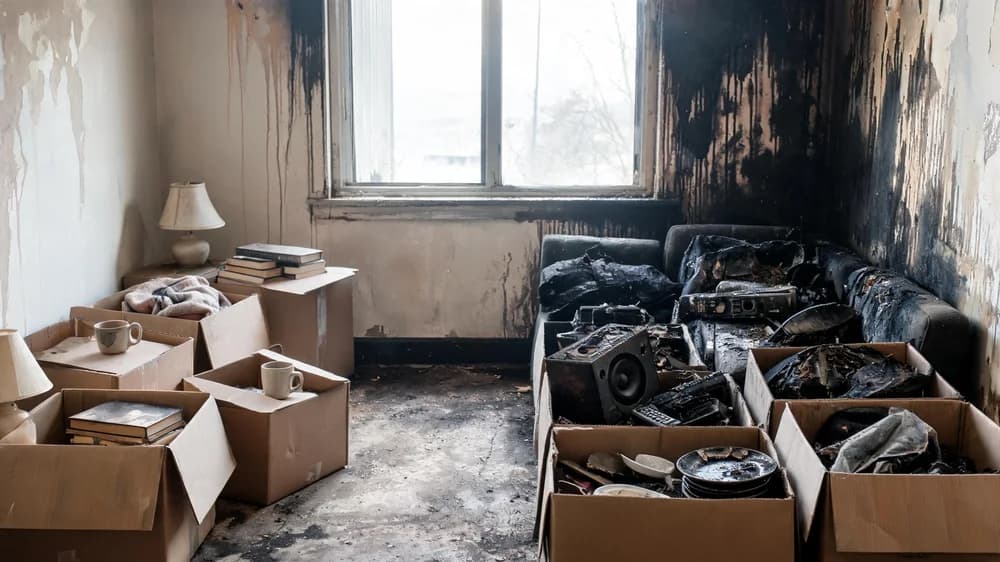
- Visible soot on any surface (requires special cleaning agents)
- Electronics affected (smoke corrodes circuits)
- HVAC contamination (spreads problem throughout home)
- Insurance claim filed (professional documentation needed)
- Health symptoms (headaches, breathing issues, eye irritation)
Preventive Measures After Initial Smoke Odor Removal
While waiting for professional smoke odor removal help, maintain these practices: Daily maintenance routine:- Replace absorption materials every 24 hours
- Continue ventilation during dry weather
- Run HEPA air purifiers if available
- Avoid using scented products (masks rather than eliminates)
- Document any changes for restoration professionals
Understanding Limitations of DIY Smoke Odor Removal
Smoke particles measure 0.1-0.3 microns—smaller than bacteria. They penetrate materials at molecular level, beyond reach of surface cleaning. While vinegar and baking soda neutralize some surface odors, they can't address:- Particles inside wall cavities
- Contamination in insulation
- HVAC system infiltration
- Structural material absorption
- Electronic equipment damage
Frequently Asked Questions
How long should I try DIY methods before calling professionals?
Give DIY methods 24-48 hours maximum. If odors persist or return after this timeframe, professional intervention is necessary. Waiting longer allows particles to set deeper into materials, making restoration more complex.
Can I use air fresheners or candles to mask smoke smell?
Avoid scented products—they mix with smoke particles creating worse odors. Plus, they mask problems without solving them. Focus on odor elimination through ventilation and absorption rather than covering up smells.
Is smoke odor dangerous or just unpleasant?
Smoke particles contain carcinogens and toxins that pose health risks, especially for children, elderly, and those with respiratory conditions. Persistent odor indicates particle presence requiring professional remediation for safety.
What's the biggest mistake people make with DIY smoke odor removal?
Using water-based cleaning on soot-covered surfaces, which creates permanent stains. Also, running HVAC systems before professional cleaning spreads contamination throughout the home. Always assess damage type before cleaning.
Will homeowner's insurance cover professional smoke odor removal?
Most policies cover smoke damage from sudden incidents like kitchen fires. Document everything with photos before DIY cleaning. Professional restoration companies like Advanced DRI work directly with insurance and offer financing options.
Take Action Before Smoke Odors Set Permanently
These DIY smoke odor removal methods provide immediate relief while you arrange professional restoration. They're most effective within the first 24-48 hours before smoke particles bond permanently with surfaces. Remember, the goal of DIY smoke odor removal isn't complete elimination—that requires professional equipment—but rather preventing the situation from worsening. For smoke damage affecting your Pennsylvania, New Jersey, or surrounding area home, don't let temporary solutions delay necessary professional intervention. Contact Advanced DRI's smoke damage experts for comprehensive odor elimination using industrial-grade equipment that addresses both visible and hidden contamination. Our certified technicians respond quickly to prevent permanent damage and restore your home's air quality safely.Categories
Need Restoration Services?
Our team is available 24/7 for emergency response. Call us today for a free phone consultation.
Questions About Restoration?
Our experts are ready to help. Contact us for a free consultation.