Rob Temples manages emergency restoration operations for Advanced DRI's Fairfield, NJ and New York City service areas. With 10 years in the restoration industry and prior experience working for a general contractor, he integrates construction knowledge with mitigation expertise on every project and holds an IICRC Water Restoration Technician (WRT) certification.
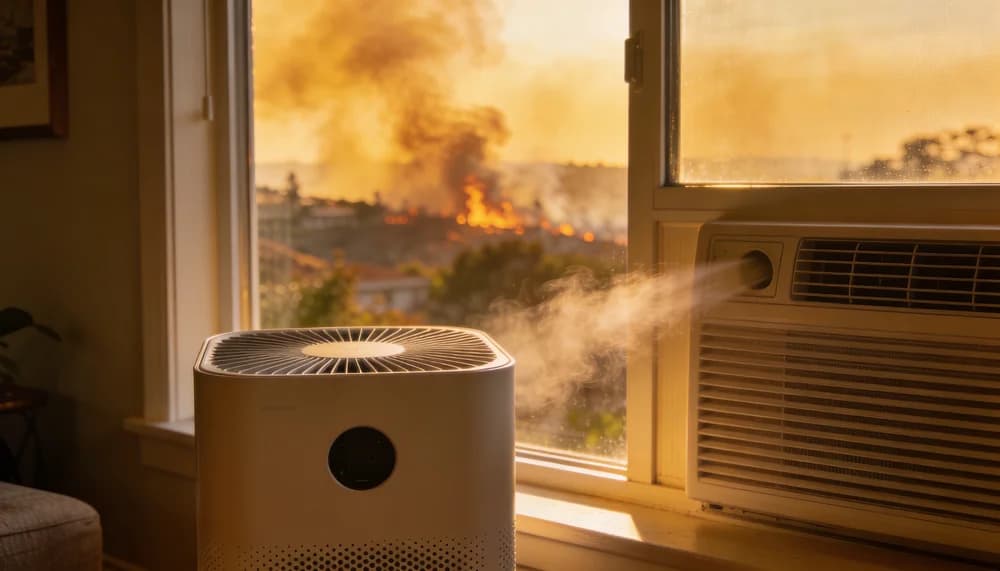
Wildfire smoke increasingly affects Northeast indoor air quality. Advanced DRI explains how smoke infiltrates buildings and the professional solutions.
Wildfire Smoke in the Northeast: A Growing Concern
In recent years, residents of New York, New Jersey, Pennsylvania, and Connecticut have experienced something once considered a West Coast problem: wildfire smoke events that blanket the region in a thick, hazardous haze. Smoke from wildfires in Canada and the western United States can travel thousands of miles on atmospheric currents, arriving in the Northeast at concentrations that significantly degrade outdoor air quality and infiltrate indoor spaces.
At Advanced DRI, we have seen a marked increase in calls from homeowners and business owners concerned about smoke damage to their indoor environments during these events. While wildfire smoke infiltration differs from direct fire damage, it presents real risks to health, property, and indoor air quality that deserve professional attention.
How Wildfire Smoke Enters Buildings
Even well-sealed buildings are not airtight. Wildfire smoke particles, many smaller than 2.5 microns, exploit every gap and opening in a building's envelope:
- Doors and windows: Gaps around door frames, window seals, and weatherstripping allow smoke particles to migrate indoors. Older windows and doors with worn seals are particularly vulnerable.
- HVAC systems: Air handling equipment draws outdoor air into the building through fresh air intakes. Standard HVAC filters, typically rated MERV 8 or lower, cannot capture the fine particulate matter in wildfire smoke.
- Building envelope gaps: Penetrations for wiring, plumbing, dryer vents, exhaust fans, and utility connections all provide pathways for smoke infiltration.
- Attic and crawl space ventilation: Soffit vents, ridge vents, and foundation vents designed for moisture control and cooling allow smoke to enter unconditioned spaces that communicate with the interior.
- Chimney and fireplace openings: Even with dampers closed, chimneys provide a direct pathway between outdoor air and the interior.
Health Impacts of Indoor Wildfire Smoke
The fine particulate matter in wildfire smoke poses significant health risks, particularly during extended smoke events lasting several days:
PM2.5 particles are small enough to penetrate deep into the lungs and enter the bloodstream. Short-term exposure at elevated levels can cause coughing, throat irritation, headaches, shortness of breath, chest tightness, and aggravation of asthma and other respiratory conditions. For sensitive populations, including children, elderly individuals, and people with heart or lung conditions, even moderate smoke concentrations can trigger serious health episodes.
Prolonged exposure during multi-day smoke events compounds these effects. Studies have linked extended wildfire smoke exposure to increased emergency room visits for respiratory and cardiovascular complaints, and emerging research suggests potential long-term health consequences from repeated seasonal exposure.
Protecting Your Indoor Air During Smoke Events
When wildfire smoke affects our region, property owners can take several steps to reduce indoor smoke concentrations:
Seal Your Building Envelope
Close all windows and doors and inspect seals for visible gaps. Apply temporary sealant or tape to any gaps around windows, doors, and utility penetrations. Close fireplace dampers completely. Ensure attic access doors and hatches are properly sealed.
Upgrade HVAC Filtration
If your HVAC system can accommodate it, upgrade to MERV 13 or higher filters. These higher-rated filters can capture a significant portion of wildfire smoke particles. However, not all systems can handle the increased air resistance of higher-rated filters without reduced airflow or equipment strain. Consult an HVAC professional before upgrading to ensure compatibility with your system.
Close Fresh Air Intakes
Many commercial HVAC systems have adjustable fresh air intakes that can be temporarily closed or reduced during smoke events. Residential systems with fresh air ventilation features should be switched to recirculation mode. This reduces the volume of contaminated outdoor air entering the building.
Use Portable Air Purifiers
HEPA air purifiers are highly effective at removing wildfire smoke particles from indoor air. Place units in bedrooms and primary living spaces, and size them appropriately for the room volume. During severe smoke events, running purifiers continuously provides the best protection.
Create a Clean Air Room
Designate one room in your home as a clean air refuge. Seal the room thoroughly, run a HEPA purifier sized for the space, and spend as much time as possible in this room during peak smoke conditions. This approach is particularly important for individuals with respiratory sensitivities.
When Wildfire Smoke Causes Property Damage
Extended or particularly dense wildfire smoke events can cause measurable damage to indoor environments:
Surface Contamination
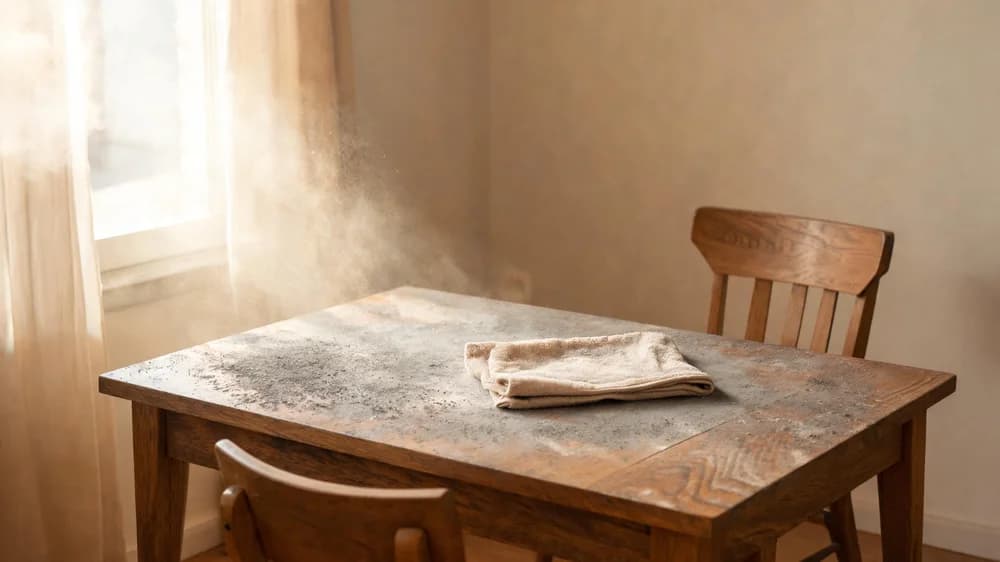
Fine smoke particles settle on all interior surfaces, including walls, ceilings, countertops, electronics, and fabrics. This creates a thin but pervasive layer of contamination that standard household cleaning may not fully address. The particles can discolor light-colored surfaces and leave a slightly gritty residue.
HVAC System Contamination
Smoke particles that pass through HVAC filters accumulate on interior duct surfaces, evaporator coils, and blower components. This contamination can reduce system efficiency and continue to degrade indoor air quality long after the outdoor smoke event has passed. Our fire and smoke damage team provides professional HVAC decontamination services to address this issue.
Odor Absorption
Porous materials including carpeting, upholstered furniture, curtains, and bedding absorb smoke compounds and retain odor after the event. While less severe than direct fire exposure, these odors can persist and require professional treatment for complete removal.
Electronic Equipment
The conductive and corrosive particles in wildfire smoke can affect sensitive electronic equipment, particularly in commercial environments with data centers, server rooms, or precision instrumentation. Contaminated equipment may experience accelerated corrosion and reduced lifespan.
Professional Remediation After Smoke Events
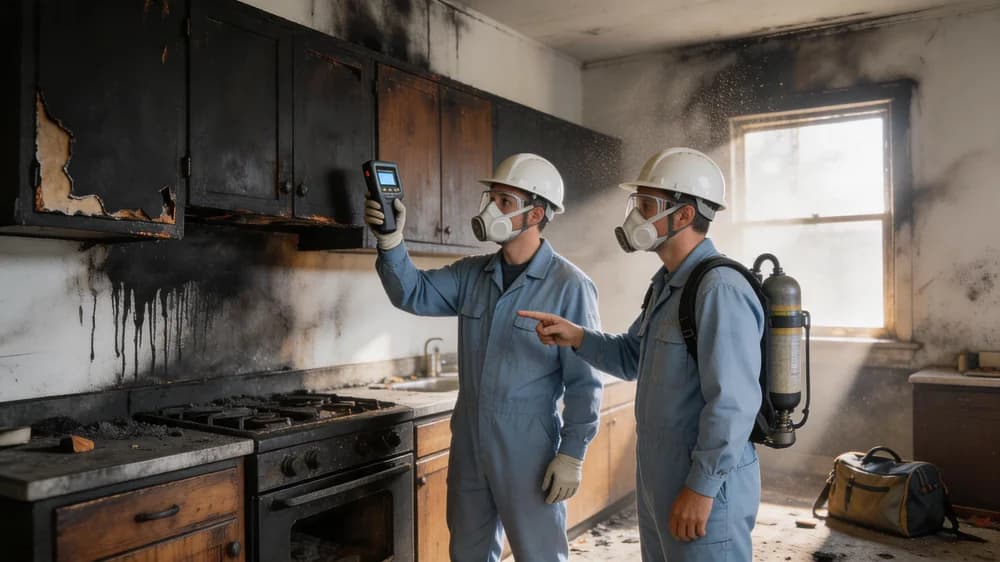
When wildfire smoke has significantly impacted your indoor environment, Advanced DRI provides professional remediation services including:
- Air quality testing: We measure particulate levels and identify specific contaminants to determine the appropriate remediation approach.
- Surface cleaning: Professional cleaning of all contaminated surfaces using appropriate methods for each material type.
- HVAC decontamination: Complete cleaning of ductwork, coils, and air handling components to remove accumulated smoke particles.
- Odor treatment: Hydroxyl generator or ozone treatment to neutralize smoke odors absorbed by porous materials.
- Textile restoration: Professional cleaning of smoke-affected clothing, bedding, curtains, and upholstery through our contents restoration services.
Preparing for Future Smoke Events
As wildfire smoke events become more frequent in the Northeast, proactive preparation is increasingly important. Consider these longer-term improvements:
- Have your building envelope professionally assessed and sealed
- Install a whole-house or building-wide air filtration system rated for fine particulate removal
- Invest in quality portable HEPA purifiers for critical spaces
- Establish an HVAC maintenance schedule that includes filter upgrades during wildfire season
- Monitor air quality indices through local reporting and apps that provide real-time PM2.5 readings
If wildfire smoke has affected your property, or if you want to prepare your home or business for future smoke events, contact Advanced DRI for professional assessment and remediation services.
Frequently Asked Questions
Can wildfire smoke from distant fires really damage my property?
Yes. While the damage is typically less severe than direct fire exposure, extended wildfire smoke events deposit fine particulate matter throughout your indoor environment. This contamination affects surfaces, HVAC systems, fabrics, and electronics. The cumulative effect of multiple smoke events over successive seasons can be significant, particularly for HVAC system performance and indoor air quality.
Do standard air filters protect against wildfire smoke?
Standard HVAC filters rated MERV 8 or below do not effectively capture the fine PM2.5 particles that make up most wildfire smoke. Upgrading to MERV 13 or higher provides substantially better filtration. For the highest level of protection, HEPA filters in portable air purifiers capture over 99 percent of particles at 0.3 microns and are the most effective consumer-available option.
Should I file an insurance claim for wildfire smoke damage?
This depends on the severity of the impact and your policy terms. Some homeowners policies cover smoke damage regardless of whether the fire was on your property. If you have experienced visible contamination, persistent odor, or measurable air quality degradation, contact your insurance provider to discuss coverage. Advanced DRI can provide professional documentation of smoke damage to support your claim.
How can I tell if my indoor air quality has been affected by wildfire smoke?
Signs include visible haze or smoky odor indoors, irritation of eyes and throat, increased allergy or asthma symptoms, and a thin film of fine particles on surfaces. For definitive assessment, professional air quality testing measures PM2.5 concentrations and can identify specific smoke-related contaminants in your indoor environment.
Categories
Need Restoration Services?
Our team is available 24/7 for emergency response. Call us today for a free phone consultation.
Questions About Restoration?
Our experts are ready to help. Contact us for a free consultation.