Fire & Smoke Damage
Smoke Damage and Electronics: Can Fire-Damaged Devices Be Restored?
January 31, 20269 min read
R
Rob Temples· Operations Manager, Emergency Services (Fairfield, NJ & New York City)
Rob Temples manages emergency restoration operations for Advanced DRI's Fairfield, NJ and New York City service areas. With 10 years in the restoration industry and prior experience working for a general contractor, he integrates construction knowledge with mitigation expertise on every project and holds an IICRC Water Restoration Technician (WRT) certification.
10+ years experienceIICRC Water Restoration Technician (WRT)
Published January 31, 2026 · Updated October 10, 2026

Learn if smoke damage electronics can be restored after fire. Understand how smoke affects computers, TVs, and appliances plus professional restoration options.
How Smoke Damages Electronics
Understanding smoke damage electronics issues helps property owners recognize the urgency of professional treatment. Electronics after fire face multiple threats that worsen over time without intervention. Smoke affects electronics through several mechanisms, each requiring specific treatment approaches.Corrosive Residue
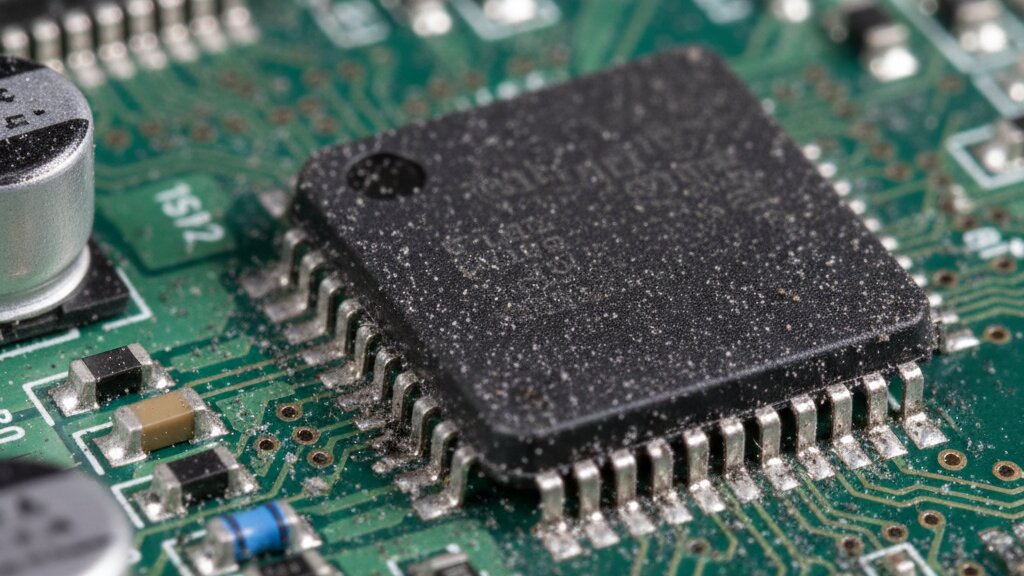
Smoke contains acidic compounds that deposit on circuit boards, connectors, and components. These residues:- Corrode metal contacts and traces
- Degrade solder joints over time
- Create conductive bridges between circuits
- Continue causing damage after smoke exposure ends
Soot Contamination
Fine soot particles penetrate electronics through ventilation openings, settling on internal components. Soot causes problems by:- Creating conductive paths that cause short circuits
- Insulating components, causing overheating
- Blocking cooling airflow
- Contaminating moving parts like fans and drives
Heat Exposure
Direct heat from nearby flames or high ambient temperatures can damage electronics by:- Melting plastic components and housings
- Damaging sensitive semiconductor chips
- Warping circuit boards
- Degrading capacitors and other temperature-sensitive parts
Water and Firefighting Agent Exposure
Firefighting efforts often introduce water and other agents that compound smoke damage electronics:- Water damage to electronics causes immediate short circuits if powered
- Mineral deposits remain after water evaporates
- Fire extinguisher chemicals leave residue requiring removal
| Damage Type | Effect on Electronics | Restoration Approach |
|---|---|---|
| Smoke/soot residue | Corrosion, conductivity issues | Specialized cleaning, decontamination |
| Heat exposure | Component damage, warping | Assessment, component replacement |
| Water exposure | Short circuits, corrosion | Immediate power removal, drying, cleaning |
| Odor absorption | Persistent smell when operating | Deodorization treatments |
Types of Electronics and Restoration Potential
Different electronics have varying restoration potential based on their complexity and exposure level. Fire damaged electronics restoration success depends on equipment type and damage severity.Computers and Laptops
Computers frequently can be restored when properly treated. Smoke damaged computer repair is often successful when handled promptly:- External cleaning removes surface contamination
- Internal cleaning requires disassembly
- Data recovery is often possible even when hardware fails
- Components can be cleaned or replaced individually
Televisions and Monitors
Large displays present cleaning challenges:- Soot infiltrates through ventilation
- Internal cleaning requires expertise to avoid damage
- Older CRT displays have high-voltage hazards
- Modern flat panels are often more practical to replace than restore
Kitchen Appliances
Appliances near fire sources face direct exposure:- Major appliances (refrigerators, ovens) may be restorable with thorough cleaning
- Small appliances are often more economical to replace
- Food safety concerns affect appliances storing or preparing food
Home Entertainment Systems
Audio/video equipment varies in restoration viability:- High-end equipment often justifies restoration costs
- Speakers can absorb smoke odors requiring treatment
- Gaming consoles may be restorable depending on exposure
Smart Home Devices
Modern smart devices, security systems, and IoT equipment:- Distributed throughout properties, exposure varies
- Replacement may be simpler than restoration for less expensive items
- Documentation needs for insurance claims
The Electronics Restoration Process
Professional contents restoration for electronics after fire follows careful procedures to maximize recovery success.Initial Assessment
Before any treatment, technicians assess:- Type and extent of damage
- Value of equipment versus restoration cost
- Likelihood of successful restoration
- Data recovery needs for storage devices
Power Management
All smoke damage electronics should be disconnected from power immediately. Operating damaged electronics before cleaning can:- Cause immediate short circuits
- Accelerate corrosion through heating
- Destroy components that cleaning could have saved
- Create fire hazards
Cleaning Procedures
Professional fire damaged electronics restoration uses specialized techniques: Ultrasonic Cleaning: Circuit boards are cleaned in ultrasonic baths using specialized solutions that remove contaminants without damaging components. Contact Cleaning: Electrical contacts and connectors receive targeted cleaning to ensure proper connections. Compressed Air/Vacuum: Loose debris is removed from internal areas. Chemical Decontamination: Appropriate solvents remove corrosive residues without damaging circuit boards.Drying and Testing
After cleaning:- Thorough drying ensures no moisture remains
- Visual inspection verifies cleaning completeness
- Functional testing confirms operation
- Extended burn-in testing catches latent failures
Odor Treatment
Electronics after fire that retain smoke odor may require additional treatment:- Ozone treatment for persistent odors
- Extended ventilation periods
- Thermal fogging in some cases
What Cannot Be Restored
Some smoke damage electronics are beyond restoration regardless of treatment.Direct Fire Exposure
Electronics exposed directly to flames typically suffer damage beyond repair:- Melted housings and components
- Severe heat damage to circuit boards
- Destroyed connections and wiring
Extensive Water Damage
Prolonged water submersion, especially with minerals or contaminants, may prevent restoration:- Severe corrosion throughout
- Contamination impossible to fully remove
- Damage to water-sensitive components
Cost-Prohibitive Restoration
Some electronics can technically be restored but restoration costs exceed replacement:- Older or obsolete equipment
- Low-value items requiring extensive labor
- Heavily damaged equipment needing many component replacements
Data Recovery Considerations
For many property owners, data on computers and storage devices is more valuable than the equipment itself. Smoke damaged computer repair often prioritizes data recovery.Hard Drives and SSDs
Storage devices often survive smoke damage:- Hard drives are sealed against contamination
- SSDs have no moving parts to damage
- Data recovery specialists can often retrieve data from damaged drives
Priority Actions for Data
- Don't power on damaged computers
- Communicate data recovery priority to restoration teams
- Consider professional data recovery if standard restoration fails
- Document what data exists for insurance purposes
Insurance and Documentation
Proper handling of smoke damage electronics supports insurance claims.Documentation Before Restoration
- Photograph all affected electronics
- List makes, models, and serial numbers
- Note original purchase prices if available
- Document visible damage
Restoration vs. Replacement Decisions
Insurance typically covers the lesser of:- Restoration cost if restoration is viable
- Replacement cost if restoration isn't practical
- Actual cash value depending on policy
Professional Documentation
Fire damaged electronics restoration companies provide documentation supporting claims:- Assessment reports on damage and restoration potential
- Itemized lists of restored versus non-restorable items
- Costs associated with restoration efforts
Preventing Further Damage
Actions immediately after fire can prevent additional electronics after fire damage.Immediate Steps
- Turn off and unplug all electronics in smoke-affected areas
- Don't attempt to operate anything until professionally assessed
- Keep electronics in place for documentation
- Notify restoration professionals about valuable electronics
What to Avoid
- Don't try DIY cleaning with household products
- Don't use compressed air (can drive contaminants deeper)
- Don't power on to "test" if equipment still works
- Don't dispose of equipment without professional assessment
Frequently Asked Questions About Smoke-Damaged Electronics
Can I clean smoke-damaged electronics myself?
+
Professional cleaning is strongly recommended for smoke damage electronics. Household cleaning products can damage circuit boards and components. Improper handling can cause additional damage or void warranties. Professional fire damaged electronics restoration uses specialized solutions, ultrasonic equipment, and proper techniques that maximize restoration success while avoiding further damage.
How quickly do electronics need treatment after smoke exposure?
+
As soon as possible. Corrosive smoke residues continue damaging electronics after fire. Higher humidity and temperature accelerate corrosion. Electronics should be disconnected from power immediately and treated within days to maximize restoration success. Delays of weeks or months significantly reduce restoration outcomes.
Will my computer data survive smoke damage?
+
Often yes. Hard drives and SSDs are relatively protected from smoke. Even when computers won't function, data recovery specialists can frequently recover data from storage devices. The key is not powering on the computer before professional smoke damaged computer repair assessment—attempting to start smoke-damaged computers can cause additional damage that affects data recovery success.
Is it worth restoring older electronics?
+
It depends on value versus cost. Restoration labor costs remain similar regardless of equipment value. Old equipment with low replacement cost may not justify restoration expense. However, equipment with sentimental value, unique capabilities, or expensive replacement might be worth restoring. Professional assessment provides cost comparison for informed decisions.
Do restored electronics smell like smoke?
+
Properly restored electronics should not retain smoke odor. Professional fire damaged electronics restoration includes deodorization treatments. If odor persists after initial cleaning, additional treatments like ozone or thermal fogging can address it. Operating electronics may temporarily release trapped odors during initial heat-up, but this typically dissipates quickly.
Will insurance pay to replace electronics even if they might be restorable?
+
Insurance typically pays for the most cost-effective solution—restoration or replacement. If restoration is viable and less expensive, insurers may require restoration. If replacement is more practical or restoration unlikely to succeed, replacement is covered. Professional assessment documentation helps establish which approach is appropriate.
Professional Electronics Restoration Services
Smoke damage electronics require specialized assessment and treatment to determine what can be saved and restore equipment to working condition. Professional fire damaged electronics restoration maximizes recovery while proper documentation supports insurance claims. Whether addressing smoke damaged computer repair or treating other electronics after fire, expert restoration provides the best recovery outcomes. When fire and smoke affect properties in Northern New Jersey, Pennsylvania's Capital Region, New York's Hudson Valley, Connecticut's Capital Region, or the South Jersey Shore, professional restoration teams assess electronics damage and provide appropriate treatment—saving what can be restored and documenting what cannot for complete insurance recovery.Categories
Need Restoration Services?
Our team is available 24/7 for emergency response. Call us today for a free phone consultation.
Questions About Restoration?
Our experts are ready to help. Contact us for a free consultation.