Fire & Smoke Damage
Professional Smoke Mitigation Techniques: Restoring Air Quality After Fire
January 21, 20267 min read
R
Rob Temples· Operations Manager, Emergency Services (Fairfield, NJ & New York City)
Rob Temples manages emergency restoration operations for Advanced DRI's Fairfield, NJ and New York City service areas. With 10 years in the restoration industry and prior experience working for a general contractor, he integrates construction knowledge with mitigation expertise on every project and holds an IICRC Water Restoration Technician (WRT) certification.
10+ years experienceIICRC Water Restoration Technician (WRT)
Published January 21, 2026 · Updated October 10, 2026

Learn professional smoke mitigation techniques for restoring air quality after fire. Covers cleaning methods, deodorization, and HVAC treatment.
Understanding Smoke Contamination - Smoke Mitigation Techniques
Smoke consists of microscopic particles, gases, and chemical compounds produced during combustion. These contaminants behave differently based on what burned, fire temperature, and how smoke moved through affected spaces.Types of Smoke Residue
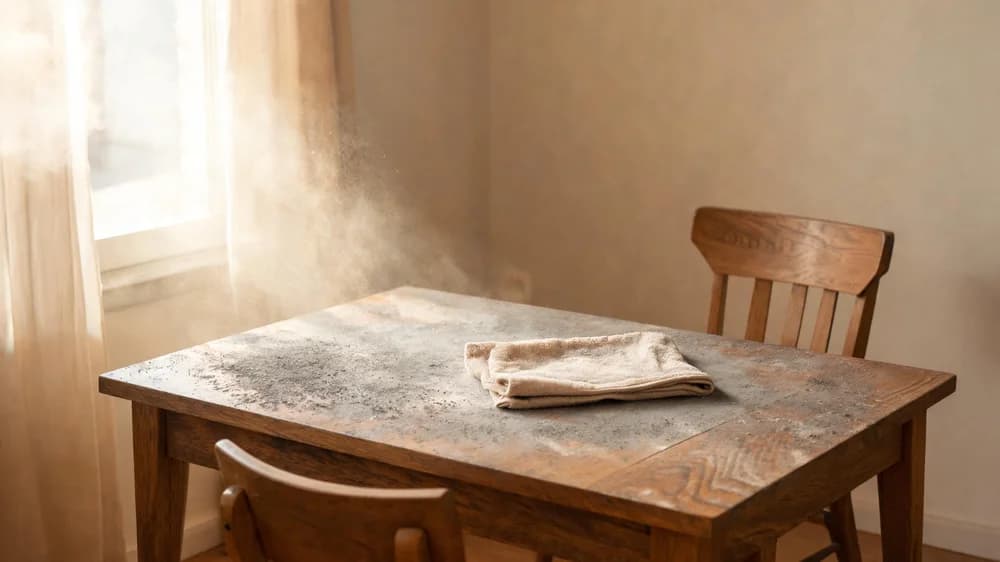
Dry smoke: From high-temperature fires burning paper, wood, and similar materials. Produces fine, powdery residue that's easier to clean but distributes widely. Wet smoke: From low-temperature, smoldering fires burning plastics and synthetics. Creates sticky, smearing residue with strong odors that's difficult to clean. Protein smoke: From organic materials, particularly kitchen fires. Nearly invisible but extremely pungent and discoloring. Fuel/oil smoke: From petroleum products. Dense, sticky, and requires specialized solvents. Each smoke type requires specific mitigation approaches. Professional assessment identifies smoke types present and guides appropriate technique selection.How Smoke Travels
Understanding smoke behavior explains why contamination spreads beyond fire areas:- Smoke rises, contaminating upper levels and attic spaces
- HVAC systems distribute smoke throughout structures
- Pressure differentials push smoke into hidden spaces
- Smoke particles are microscopic, penetrating tiny openings
- Residue continues settling long after visible smoke clears
Professional Smoke Mitigation Techniques
Comprehensive smoke mitigation combines multiple specialized techniques addressing different contamination aspects.Air Filtration and Scrubbing
HEPA air scrubbers filter microscopic particles from indoor air. These units cycle room air through high-efficiency filters capturing particles far smaller than smoke residue. Air scrubbing continues throughout mitigation and until air quality testing confirms acceptable conditions. Negative air machines create pressure differentials exhausting contaminated air outside while filtered makeup air enters. This prevents smoke migration during cleaning activities and accelerates air quality improvement. Air filtration equipment sizing matches space volumes and contamination levels. Professional calculations ensure adequate air changes per hour for effective filtration.Surface Cleaning Techniques
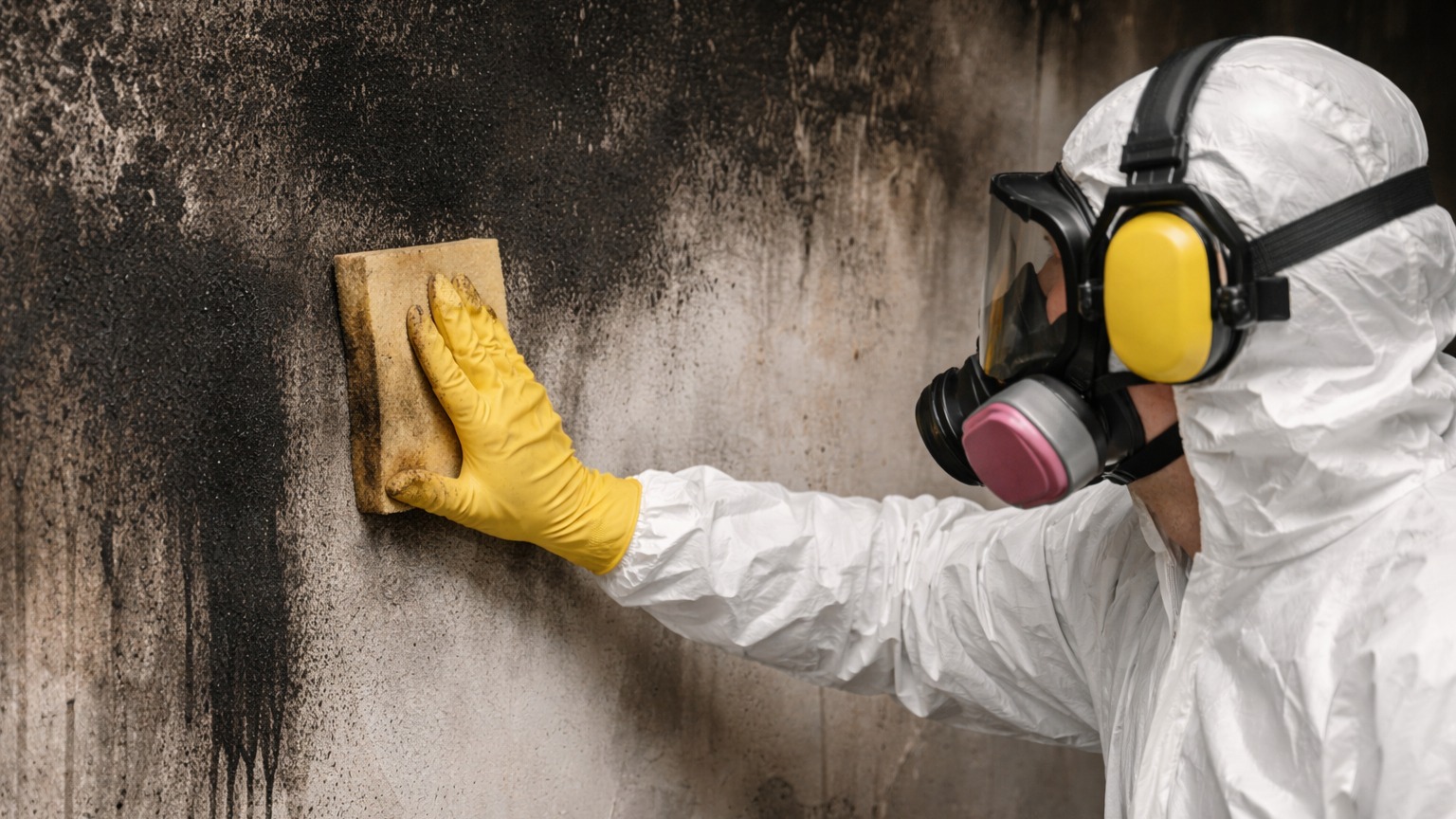
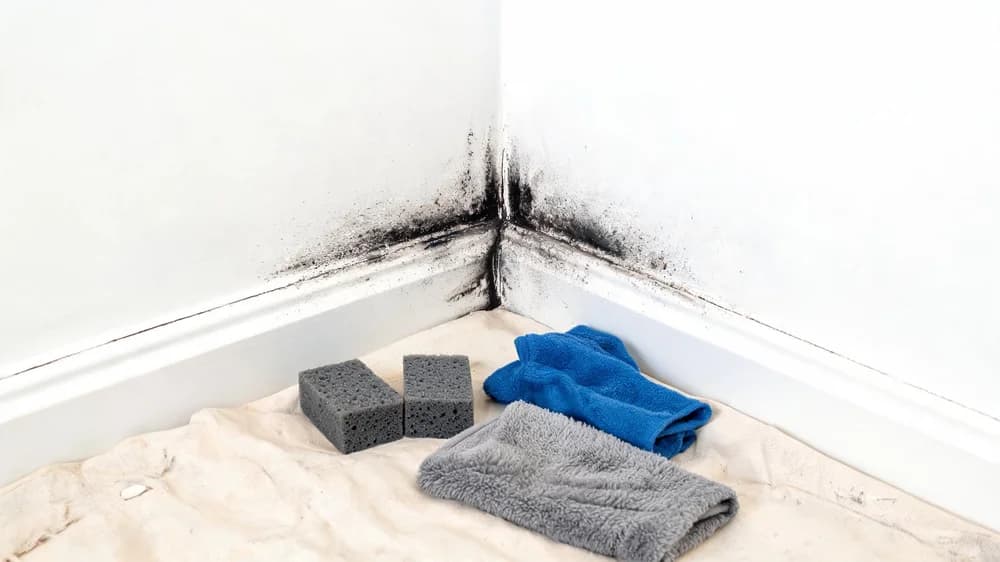
Different surfaces require specific cleaning approaches: Dry cleaning methods: Initial smoke removal uses dry techniques preventing smearing and driving particles deeper into surfaces. Specialized sponges, HEPA vacuuming, and dry chemical treatments remove loose residue before wet cleaning. Wet cleaning: Following dry cleaning, appropriate cleaning solutions address remaining residue. Alkaline cleaners neutralize acidic soot. Solvent cleaners address oil-based residues. Product selection matches both smoke type and surface material. Abrasive methods: Some surfaces require controlled abrasion. Soda blasting removes heavy residue from structural elements. Media blasting with appropriate materials cleans fire-damaged surfaces without damage.| Surface Type | Cleaning Approach | Considerations |
|---|---|---|
| Painted walls | Dry sponge, then alkaline cleaning | May require repainting after cleaning |
| Hardwood | HEPA vacuum, wood-appropriate cleaners | May need refinishing for heavy damage |
| Metal | Solvent cleaning, corrosion treatment | Prevent ongoing corrosion from acid residue |
| Fabric | HEPA vacuum, professional laundering | Some require off-site processing |
| Concrete | Degreaser application, pressure washing | Sealer application may be needed |
HVAC System Treatment
HVAC systems require special attention because contaminated ductwork continues distributing smoke particles throughout structures. Complete HVAC mitigation includes:- Duct cleaning: Professional cleaning removes accumulated residue from entire duct system
- Coil cleaning: Evaporator and condenser coils receive thorough cleaning
- Component cleaning: Blowers, registers, and other components are cleaned or replaced
- Filter replacement: All filters replaced following system cleaning
- System sealing: During cleaning, HVAC is sealed preventing recontamination
Deodorization Technologies
Smoke odor elimination requires more than surface cleaning. Professional deodorization penetrates where smoke went, neutralizing odors at their source. Thermal fogging: Heated deodorant creates fog that penetrates the same spaces smoke reached. The fog neutralizes odor particles in wall cavities, fabrics, and other porous materials. Thermal fogging is extremely effective but requires unoccupied spaces. Ozone treatment: Ozone generators produce highly reactive oxygen molecules that break down odor compounds at the molecular level. Ozone penetrates deeply, addressing odors in areas cleaning cannot reach. Treatment requires unoccupied spaces due to ozone's temporary respiratory effects. Hydroxyl generation: Hydroxyl generators create naturally-occurring reactive compounds that neutralize odors while remaining safe for occupied spaces. This technology enables ongoing treatment during restoration work. Enzyme treatments: Enzymatic products break down organic odor sources. Particularly effective for protein smoke odors from cooking fires.Sealing and Encapsulation
Following cleaning and deodorization, sealing addresses any residual odor sources: Odor-blocking sealers: Specialized primers seal surfaces, preventing any remaining particles from releasing into air. These products are applied before repainting or refinishing. Encapsulation: Some contamination embedded in structural materials cannot be completely removed. Encapsulation seals these materials, preventing ongoing contamination release.The Smoke Mitigation Process
Professional smoke mitigation follows systematic procedures ensuring thorough treatment.Assessment and Testing
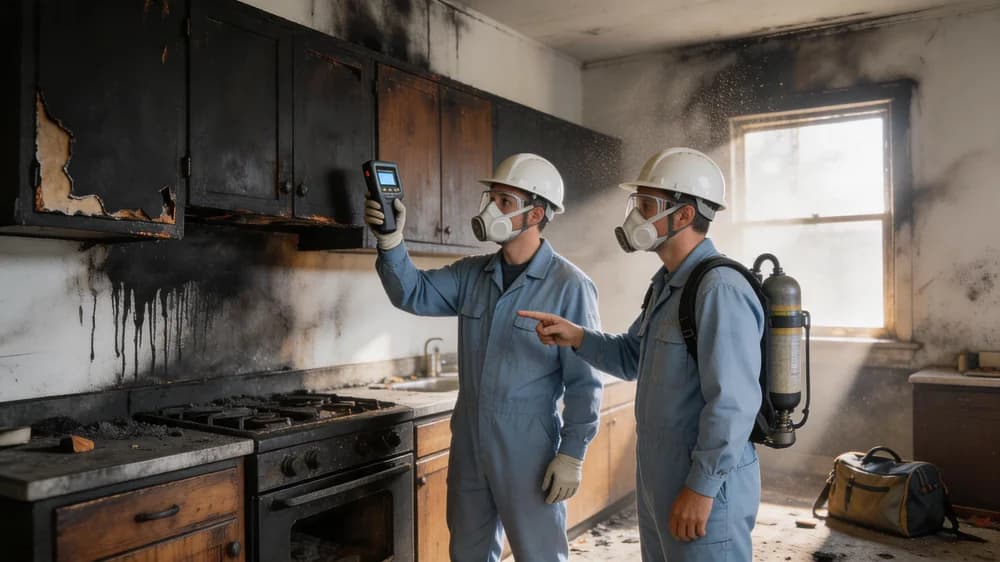
Comprehensive assessment identifies contamination extent, smoke types present, and affected materials. Air quality testing establishes baseline conditions and guides equipment deployment.Containment
When working in areas with mixed damage, containment prevents contamination spread to cleaned areas. Plastic barriers, negative air pressure, and controlled access protect completed work.Sequential Treatment
Mitigation proceeds in proper sequence:- Air filtration begins immediately
- HVAC is isolated and treated
- Surfaces receive dry cleaning
- Wet cleaning follows dry methods
- Deodorization treats odor sources
- Sealing addresses residual concerns
- Air quality verification confirms success
Verification
Before declaring work complete, verification confirms successful mitigation:- Visual inspection for residue
- Odor verification (professional smell testing)
- Air quality testing when appropriate
- Client walkthrough and approval
Contents and Specialty Items
Smoke mitigation extends to contents throughout affected properties.Soft Contents
Clothing, linens, and similar items require professional laundering with specialized detergents and processes. Dry cleaning addresses items unsuitable for washing. Ozone treatment eliminates odors from fabrics.Hard Contents
Furniture, decorative items, and hard goods receive cleaning appropriate to their materials. Ultrasonic cleaning addresses intricate items. Professional contents restoration often saves items homeowners assume are ruined.Electronics
Smoke-contaminated electronics require specialized cleaning before power application. Professional electronic restoration disassembles items, cleans components, and verifies safe operation.Documents and Photos
Important documents and photographs can often be restored from smoke damage. Specialized processes address paper and photographic materials.Frequently Asked Questions About Smoke Mitigation
How long does professional smoke mitigation take?
+
Timeline depends on contamination extent and property size. Light smoke damage in a small area may require days. Extensive contamination throughout a large property may take weeks. Your restoration provider can estimate timeline after assessment.
Will smoke smell come back after mitigation?
+
Properly executed professional mitigation eliminates smoke odors permanently. If odors return, incomplete treatment occurred. Quality restoration companies provide follow-up service if odors resurface. Ensure verification testing occurs before project completion.
Can I clean smoke damage myself?
+
DIY cleaning often causes additional damage and rarely achieves complete results. Improper techniques can drive residue deeper into materials. Professional equipment and techniques achieve results household methods cannot. Most situations benefit from professional mitigation.
Is smoke damage covered by insurance?
+
Most property insurance policies cover smoke damage, including damage to areas not touched by actual flames. Document damage thoroughly and contact your insurance company promptly. Professional restoration companies assist with insurance documentation and claims coordination.
Professional Smoke Mitigation Services
Effective smoke mitigation requires specialized knowledge, equipment, and techniques that address contamination thoroughly. Professional restoration ensures complete residue removal and odor elimination, protecting both property value and occupant health. When smoke affects your property in Northern New Jersey, Pennsylvania's Capital Region, New York's Hudson Valley, Connecticut's Capital Region, or the South Jersey Shore, 24/7 emergency services provide rapid response with comprehensive smoke mitigation that restores your property to pre-loss condition.Categories
Need Restoration Services?
Our team is available 24/7 for emergency response. Call us today for a free phone consultation.
Questions About Restoration?
Our experts are ready to help. Contact us for a free consultation.