Sewage Cleanup & Sewer Backup Restoration Services in NY, NJ, PA & CT
Sewer backups and sewage spills are Category 3 "black water" emergencies. Our IICRC-certified crews extract the contaminated water, remove what cannot be sanitized, disinfect to hospital grade, dry the structure and rebuild, following OSHA protocols, 24/7 across NY, NJ, PA and CT.
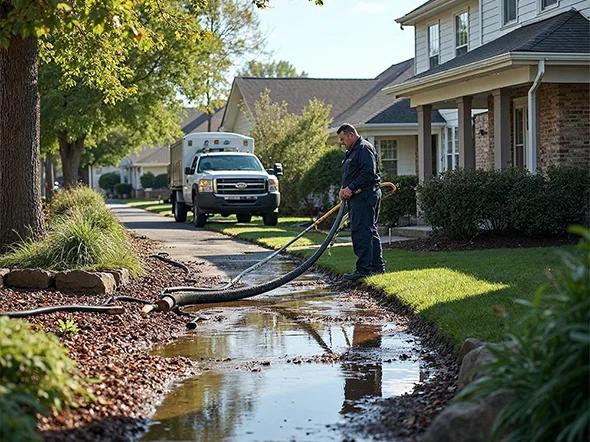
What Sewage Cleanup Involves and Why It Is Not a Mop Job
Most of the skill in sewage cleanup is deciding what leaves the building. Porous items that sewage touched are judged on one test: can they be disinfected? EPA's guidance on sewage-contaminated flood water says to discard upholstered furniture, mattresses and other soft or porous items that cannot be disinfected, and to discard carpet that cannot be thoroughly dried and cleaned.
Hard, non-porous surfaces are handled the other way. EPA says to wash them with soap and water first, then disinfect. Wallboard and paneling must be cleaned and dried thoroughly right away, and sections are removed and replaced if the damage is severe.
Safety rules shape the order of work. EPA's clean water table says OSHA requires protective equipment and containment when sewage is known or suspected, and warns against using fans before the water is known to be sanitary. Containment and demolition come before drying. Once the area is clean, the drying steps of water damage restoration take over.
Our Commitment
- 24/7 emergency availability
- 90-minute response time*
- Direct insurance billing
*In nearby service areas. Response times may vary by location.
Need Immediate Help?
Our emergency team is standing by 24/7 to respond to your sewage & sewer backup cleanup situation.
(866) 926-3473Sewage Cleanup Is Timed by Exposure, Not Only by Mold
With sewage, the pressure comes from contact and spread. EPA recommends avoiding contact with flood water because of potentially elevated contamination associated with raw sewage. Walking through it, or running fans before anyone knows what the water is, can move it into rooms it never reached. The first steps are about limiting that.
Limit contact
Keep children and pets away, as EPA advises, and wash and disinfect any cut or scrape that touches sewage right away. Do not wade in to rescue belongings.
Contain, then remove
Fans stay off until the water is known to be sanitary. Containment goes up, then porous items that cannot be disinfected are removed and bagged.
Clean, then dry
Hard surfaces are washed with soap and water before disinfecting. Wallboard and paneling must be cleaned and dried right away, and EPA suggests active ventilation and dehumidifiers to remove excess water.
Types of Sewage & Sewer Backup Cleanup We Respond To
Sewer Line Backup
Clogs, collapsed pipes, tree roots
Wastewater pushes back up through floor drains, toilets and tubs, usually at the lowest level of the building. Common after a main line clog, root intrusion, or a collapsed clay or cast iron line.
Municipal Sewer Overflow
Heavy rain and storm surcharge
When the city system surcharges during a storm, sewage enters basements through drains and sump pits. It often affects whole streets at once and may not be covered without a sewer backup rider on your policy.
Sump or Ejector Pump Failure
Power loss, float failure, age
A failed ejector pump sends raw sewage back into the lowest fixtures. A failed sump pump lets groundwater mixed with sewage flood the basement.
Septic System Failure
Full tanks and failed drain fields
Backups into the home or surfacing effluent in the yard. Both are Category 3 contamination and need the same containment and disinfection protocol.
What to Do in the First Hour
Keep people and pets out
Treat the area as contaminated. Do not walk through sewage to grab belongings. Children, elderly family members and anyone with a weak immune system should stay out of that part of the building entirely.
Stop using water
Do not flush, run sinks, showers, dishwashers or washing machines until the line is clear. Every gallon you send down the drain comes back up.
Cut power to the affected area
If sewage is near outlets, appliances or the electrical panel, switch off the circuit at the breaker, but only if you can reach it without stepping in water. Otherwise wait for us.
Photograph everything
Take wide and close-up photos of the water line, damaged items and the source before anything is moved. Your insurer will ask for this.
Do not try to clean it yourself
Household bleach does not neutralize Category 3 contamination and porous materials cannot be sanitized. DIY cleanup usually means mold and odor within days.
Call us, then your insurer
Our crews respond 24/7 and document the loss the way adjusters expect. We can usually tell you within minutes whether sewer backup coverage is likely to apply.
Health Risks to Take Seriously
- Bacteria such as E. coli and Salmonella that cause gastrointestinal illness
- Viruses including Hepatitis A and Norovirus
- Parasites such as Giardia and Cryptosporidium
- Mold growth within 24 to 48 hours in wet, contaminated materials
- Sewer gas (hydrogen sulfide and methane) that causes headaches and nausea and, in enclosed spaces, serious poisoning
- Skin and respiratory infections from aerosolized contaminants during improper cleanup
How to Prevent the Next One
- Install a backwater valve on the main sewer line so a municipal surcharge cannot flow back into the house
- Have the main line camera-inspected and jetted every 2 to 3 years, sooner in homes with mature trees
- Add a battery or water-powered backup to the sump pump and test it every season
- Never flush wipes, paper towels or hygiene products, even those labeled flushable
- Pour fats, oils and grease into the trash, not the drain
- Add sewer backup coverage to your homeowners policy; it is a low-cost rider that most standard policies lack
Professional Sewage & Sewer Backup Cleanup Process
Our proven 7-step process ensures complete restoration and prevents future damage.
Safety Assessment & Containment
We evaluate the contamination level, shut off affected utilities if needed, and seal the area with containment barriers and negative air pressure so pathogens do not spread.
Sewage & Water Extraction
Truck-mounted and portable extractors remove standing sewage and water. Waste is contained and disposed of according to local regulations.
Removal of Contaminated Materials
Carpet, padding, saturated drywall, insulation and other porous materials that cannot be sanitized are cut out, bagged and removed.
Cleaning & Hospital-Grade Disinfection
All remaining surfaces are cleaned, then treated with EPA-registered antimicrobials to eliminate bacteria, viruses and parasites.
Structural Drying
Industrial air movers and dehumidifiers dry the structure to documented moisture targets, which is what prevents mold from following the backup.
Air Quality Testing & Verification
HEPA air scrubbers run throughout the job, and we verify moisture readings and air quality before clearing the space for reoccupancy.
Reconstruction
Our licensed contractors rebuild removed drywall, flooring and finishes to pre-loss condition or better.
Advanced Sewage & Sewer Backup Cleanup Technology
We invest in the latest equipment and techniques to provide faster, more thorough restoration.
Category 3 Water Removal
Safe extraction of black water containing sewage, bacteria, and pathogens.
OSHA-Compliant Protocols
Full PPE and safety procedures for handling hazardous biological waste.
Hospital-Grade Disinfection
EPA-registered disinfectants eliminate bacteria, viruses, and parasites.
Odor Elimination
Enzyme treatments and ozone technology neutralize sewage odors completely.
Structural Drying
Industrial dehumidifiers remove moisture absorbed into building materials.
Antimicrobial Treatment
Preventive applications stop bacterial and mold growth after cleanup.
Why Choose Advanced DRI for Sewage & Sewer Backup Cleanup?
- Safe handling of hazardous waste
- Complete pathogen elimination
- Hospital-grade sanitization
- Odor-free results
Questions to Ask Any Sewage Cleanup Contractor
Sewage work is judged by what is removed and how it is controlled. Ask these before anyone starts demolition.
How will you contain the area before anything is removed? EPA's table says OSHA requires protective equipment and containment when sewage is known or suspected. A good answer describes barriers, who enters, what they wear, and how contamination is kept out of clean rooms.
Which materials are you removing, and how did you decide? Soft or porous items that cannot be disinfected are discarded, per EPA. A good answer is a list by material tied to that test, not a blanket promise to save the carpet or tear out everything.
How are the waste and removed materials leaving the building? A good answer covers bagging, transport and where the material ends up, with the contractor handling it rather than leaving bags for you. Vague answers about disposal deserve a follow-up.
Do you clean surfaces before disinfecting, and with what? EPA's guidance is to wash non-porous surfaces with soap and water, then disinfect. A good answer follows that order, names the disinfectant, and follows the product label instead of improvising mixes.
Sewage Cleanup and the Sewer Backup Exclusion
Sewer backup is the exclusion that surprises people most. Triple-I states that sewer backups are not covered under a typical homeowners policy, nor by flood insurance, and that this coverage must be purchased as a separate product or as an endorsement. The NAIC lists water backup of sewer as coverage that pays for losses to the house from sewer or drain backup.
Check your declarations page for a water backup endorsement before you call, and read its limit and deductible. Photograph the water line, affected rooms and items before they are removed, since removal is the point of the job. Advanced DRI documents the loss with photos, moisture readings and written reports, and works with your adjuster. EPA's guidance also says to document damage with your insurance company.
Sources: EPA Region 2: Cleaning Up After a Flood FAQs, EPA: Mold Remediation in Schools and Commercial Buildings, Table 1 Water Damage Cleanup and Mold Prevention, Triple-I: Which disasters are covered by homeowners insurance?, NAIC: Homeowners Insurance
The Advanced DRI Promise
Rapid Local Response
We target arrival within 90 minutes of your call in nearby service areas, 24/7/365.
Written Estimates
Clear, detailed estimates provided before work begins so you know exactly what to expect.
Direct Insurance Billing
We bill your insurance directly when possible, reducing your out-of-pocket expenses.
Satisfaction Guarantee
We are not satisfied until you are. If any issue arises, we make it right at no extra cost.
Licensed and Insured
Fully licensed in all service states with comprehensive liability coverage for your protection.
Sewage & Sewer Backup Cleanup Questions
Common questions about our sewage & sewer backup cleanup services.
What Our Sewage & Sewer Backup Cleanup Clients Say
Real feedback from property owners who trusted us with their sewage & sewer backup cleanup needs.
“Our basement flooded with sewage after a pipe backup. The smell was unbearable and we didn't know what to do. Advanced DRI had it completely cleaned, sanitized, and deodorized within 24 hours. You'd never know anything happened.”
“Sewage backed up into our finished basement. The team wore full protective gear and removed all the contaminated materials safely. They were thorough with the sanitization and even worked with our insurance company on the claim.”
“Had a septic system failure that contaminated part of our crawl space. Advanced DRI's team handled the hazardous waste properly and made sure everything was safe for my family. Very professional and knowledgeable about health regulations.”
Complete Sewage & Sewer Backup Cleanup Solutions
Sewage & Sewer Backup Cleanup often requires additional services. We provide comprehensive restoration.
Water Damage
24/7 emergency water extraction, structural drying, and complete restoration. We prevent mold and secondary damage.
Mold Removal
Professional mold inspection, safe removal, and prevention. EPA-compliant processes protect your family's health.
Biohazard
Safe, discreet handling of trauma scenes, hoarding, and hazardous materials. OSHA-compliant protocols.
Sewage & Sewer Backup Cleanup Crews Based in Your City
Our office cities each have a dedicated sewage & sewer backup cleanup page with the local address, response times from that office and recent jobs nearby.
Harrisburg, PA
In 2021 Capital Region Water said two inches of rain in 15-30 minutes exceeds its combined sewer system; Olde Uptown basements filled.
Toms River, NJ
TRMUA does not permit sump pumps on the sanitary line because they may cause backups; in a storm, one can pump groundwater into the main.
New York City, NY
In fiscal 2018 three in four DEP-confirmed NYC backups were grease-related and 6 percent were heavy rain, and DEP treats the paperwork differently.
Allentown, PA
When a sewer backup reaches basements on both sides of a shared Allentown wall, that wall has to read dry from both faces before anyone rebuilds.
Fairfield, NJ
Fairfield's Water/Sewer Division maintains the township's sewers and lift stations; when a line backs up, Advanced DRI cleans up the overflow 24/7.
Hartford, CT
A combined main running full can push sewage back up a Hartford house lateral, and a basement that takes it is Category 3 from the first minute.
Sewage & Sewer Backup Cleanup by Location
Rapid sewage & sewer backup cleanup response across the Northeast with local teams ready 24/7.
New York
Hudson Valley - NYC Metro - Long IslandKey cities we serve:
- Poughkeepsie
- Kingston
- Newburgh
- Middletown
- Goshen
New Jersey
Northern NJ - Central NJ - Jersey ShoreKey cities we serve:
- Newark
- Jersey City
- Paterson
- Elizabeth
- Edison
Pennsylvania
Lehigh Valley - Capital Region - Northeast PAKey cities we serve:
- Harrisburg
- Lancaster
- York
- Carlisle
- Hershey
Connecticut
Hartford Area - New Haven - Fairfield CountyKey cities we serve:
- Hartford
- New Haven
- Waterbury
- New Britain
- Middletown
Sewage & Sewer Backup Cleanup? We're Here 24/7
Don't wait - sewage & sewer backup cleanup damage gets worse every hour. Call now for immediate emergency response anywhere in NY, NJ, PA, or CT.