Odor Removal After Disaster: Professional Deodorization Techniques
Elsa Boyer is a Regional Operations Manager for Advanced Disaster Recovery, based in Harrisburg, Pennsylvania, overseeing commercial and healthcare restoration projects. She holds a Bachelor of Arts from Valparaiso University and a deep certification portfolio, including ICRA Certified Healthcare Remediator Supervisor and multiple IICRC designations across commercial drying, structural drying, water, and fire & smoke restoration.

Learn about professional odor removal after fire, water, or biohazard damage. Understand deodorization technologies that eliminate odors, not just mask them.
Understanding Odor Sources After Disasters
Effective odor removal requires understanding what causes odors in different disaster scenarios. Each type of damage creates characteristic odors through specific mechanisms.Smoke and Fire Odors
Fire produces complex odors from multiple sources:- Protein residue: Burned food, hair, and organic matter create pungent, persistent odors
- Synthetic materials: Plastics, carpet, and synthetic fabrics produce acrid chemical odors
- Wood smoke: Structural and furniture combustion creates classic smoke smell
- Wet ash: Water from firefighting mixed with ash creates distinct musty-smoke combination
Water Damage and Mold Odors
Water damage creates odors through biological processes:- Bacterial growth: Bacteria decomposing organic matter in wet conditions produce musty odors
- Mold metabolites: Mold produces microbial volatile organic compounds (MVOCs) causing characteristic musty smells
- Decomposition: Wet organic materials (drywall paper, carpet backing) decompose, releasing odors
Sewage and Biological Odors
Sewage contamination produces intense odors from:- Hydrogen sulfide (rotten egg smell)
- Ammonia compounds
- Bacterial decomposition products
- Methane and other gases
Why DIY Odor Removal Fails
Property owners often attempt odor removal with consumer products before calling professionals. These attempts typically fail for several reasons.Masking vs. Eliminating
Consumer air fresheners and odor sprays mask odors rather than eliminating them. These products add fragrance that temporarily covers offensive smells, but the underlying odor remains. Once the masking fragrance dissipates, the original odor returns.Surface Treatment Limitations
Consumer products only reach surfaces. Odor-causing compounds penetrate into porous materials—inside drywall, deep in carpet fibers, within wood grain. Surface treatments cannot reach these reservoirs, leaving odor sources intact.Incomplete Source Removal
DIY cleaning may leave residual contamination. Smoke particles remaining in HVAC systems continue distributing odor. Mold in hidden locations continues producing MVOCs. Without complete source removal, odors persist regardless of deodorization efforts. Warning: Some DIY odor removal attempts actually worsen problems. Improper cleaning can drive smoke particles deeper into materials or spread contamination. Using heat inappropriately can permanently set certain odors. Professional assessment before treatment prevents these complications.Professional Deodorization Technologies
Professional odor removal employs technologies unavailable to consumers, each effective for specific odor types and situations.Thermal Fogging
Thermal foggers heat deodorizing solutions to create a fine fog that penetrates materials similarly to smoke. The fog reaches into pores and crevices where odor particles hide, neutralizing them through chemical reaction.| Technology | How It Works | Best Applications |
|---|---|---|
| Thermal Fogging | Heated deodorizer penetrates porous materials like smoke did | Smoke odors, protein fires, confined spaces |
| Hydroxyl Generation | Creates reactive hydroxyl radicals that break down odor molecules | Occupied spaces, sensitive contents, ongoing treatment |
| Ozone Treatment | Oxidizes odor compounds through chemical reaction | Severe odors, unoccupied spaces, post-remediation |
| Enzymatic Treatment | Bacteria digest organic odor sources | Biological odors, urine, sewage residue |
| Activated Charcoal | Adsorbs odor molecules from air | Supplementary treatment, ongoing absorption |
Hydroxyl Generation
Hydroxyl generators produce hydroxyl radicals (OH)—the same compound that purifies outdoor air naturally. These radicals react with and break down volatile organic compounds that cause odors. The technology is safe for occupied spaces, making it useful when complete evacuation isn't practical. Hydroxyl treatment works continuously over extended periods, steadily reducing odor levels. While slower than some methods, it's gentle on contents and safe for sensitive materials.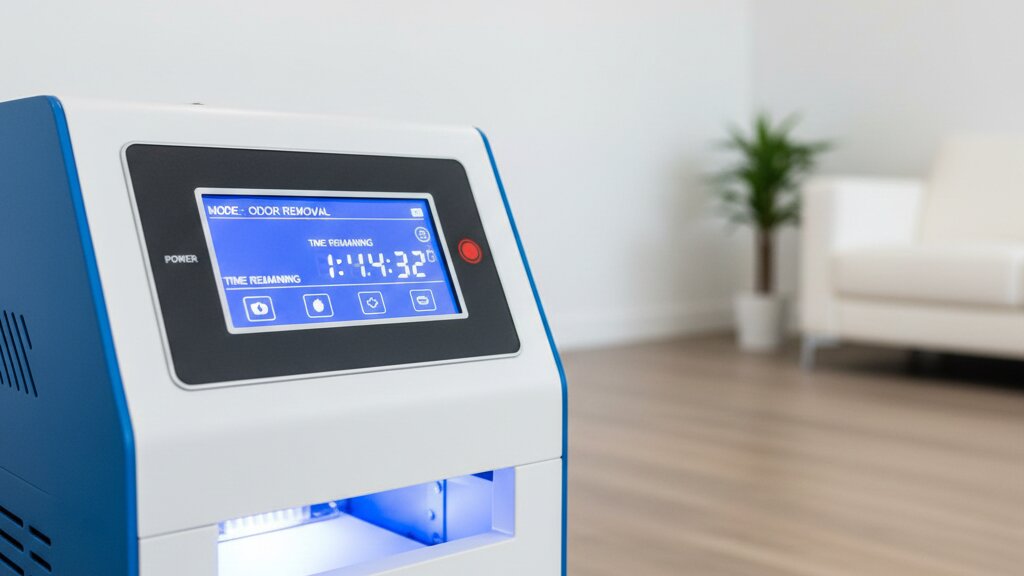
Ozone Treatment
Ozone (O3) is a powerful oxidizer that chemically breaks down odor molecules. Ozone generators produce high concentrations of ozone that penetrate materials and neutralize odors through oxidation reactions. Important: Ozone is harmful to humans, animals, and some materials at treatment concentrations. Spaces must be completely unoccupied during ozone treatment, with proper aeration afterward. Despite these requirements, ozone remains highly effective for severe odors when used appropriately.Enzymatic and Bacterial Treatments
Biological odors from organic sources respond well to enzymatic treatments. Specialized bacteria and enzymes digest organic matter that causes odors, eliminating the source rather than just neutralizing the smell. These treatments are particularly effective for:- Urine contamination
- Sewage residue
- Decomposition materials
- Food-related odors
The Professional Deodorization Process
Professional odor removal follows systematic processes ensuring complete, lasting results.Source Identification and Removal
Deodorization cannot succeed until odor sources are addressed. Professional assessment identifies all odor sources, which are then eliminated through appropriate means:- Smoke residue cleaned from all surfaces
- Contaminated materials removed and replaced
- Mold remediation completed
- Biological contamination properly cleaned
Surface Preparation
Before deodorization treatments, surfaces are prepared to maximize effectiveness:- Thorough cleaning removes loose residue
- HVAC systems cleaned to prevent odor redistribution
- Contents removed or protected as appropriate
- Space sealed for treatment containment
Treatment Application
Professionals select treatment methods based on odor type, severity, material sensitivity, and occupancy requirements. Complex situations may require multiple treatment methods applied sequentially or in combination. Treatment duration varies significantly—from hours for minor odors to days for severe contamination. Professionals monitor progress and adjust approaches as needed.Verification and Follow-up
Odor elimination is verified before declaring restoration complete. This verification may include:- Sensory evaluation by trained technicians
- Air quality testing for specific compounds
- Return visits to confirm odors haven't returned
Special Deodorization Challenges
Certain situations present particular deodorization challenges requiring specialized approaches.Protein Fire Odors
Fires involving protein sources (food, grease, animals) produce extremely persistent odors that resist standard treatment. Protein fire deodorization often requires:- Aggressive surface cleaning before treatment
- Multiple thermal fogging applications
- Extended ozone treatment
- Possible removal of materials that absorbed protein smoke
Trauma Scene Odors
Biohazard cleanup situations involving decomposition create profound odors requiring comprehensive treatment. Source removal is critical—all contaminated materials must be removed before deodorization can succeed. Multiple treatment methods and extended timeframes are typically necessary.Embedded Vehicle Odors
Vehicle interiors present challenges due to enclosed spaces, varied materials, and extensive penetration potential. Automotive deodorization requires specialized approaches addressing all interior surfaces, HVAC systems, and hidden areas behind panels.Contents Deodorization
Contents restoration includes odor removal from personal belongings. Different materials require different approaches:- Textiles may require ozone chambers or specialized laundering
- Hard goods need surface treatment or extended exposure to hydroxyl
- Electronics require careful treatment avoiding damage
- Documents may need ozone treatment with humidity control
Preventing Odor Issues During Restoration
Professional restoration protocols prevent many odor issues through proper technique during cleanup and reconstruction.Thorough Cleaning Before Enclosure
Contaminated surfaces cleaned thoroughly before new materials cover them prevent trapped odors. Smoke residue left on framing before drywall installation will eventually migrate through, causing persistent odors.Proper Drying
Complete structural drying prevents mold and bacterial growth that cause musty odors. Professional water extraction and drying eliminates moisture that would otherwise support odor-causing biological activity.Sealers When Appropriate
When complete odor source removal isn't practical, professional-grade sealers encapsulate remaining contamination. These products lock residual odor compounds in place, preventing release into indoor air. Sealers are applied before new finish materials are installed.Frequently Asked Questions About Odor Removal
How long does professional deodorization take?
+Why do odors seem to return after cleaning?
+Is ozone treatment safe for my belongings?
+Can I stay home during professional deodorization?
+Do air purifiers help with disaster-related odors?
+What if odors return after professional treatment?
+Professional Odor Elimination Services
Complete disaster restoration includes thorough odor removal that eliminates—not masks—the smells that remind occupants of traumatic events. Professional deodorization technologies and techniques address odors at their source, restoring indoor environments to truly pre-loss condition. When disaster-related odors affect properties in Northern New Jersey, Pennsylvania's Capital Region, New York's Hudson Valley, Connecticut's Capital Region, or the South Jersey Shore, professional restoration teams apply proven deodorization methods that eliminate persistent odors completely, allowing occupants to truly move forward from disaster events.Categories
Need Restoration Services?
Our team is available 24/7 for emergency response. Call us today for a free phone consultation.
Questions About Restoration?
Our experts are ready to help. Contact us for a free consultation.