
Rob Temples manages emergency restoration operations for Advanced DRI's Fairfield, NJ and New York City service areas. With 10 years in the restoration industry and prior experience working for a general contractor, he integrates construction knowledge with mitigation expertise on every project and holds an IICRC Water Restoration Technician (WRT) certification.
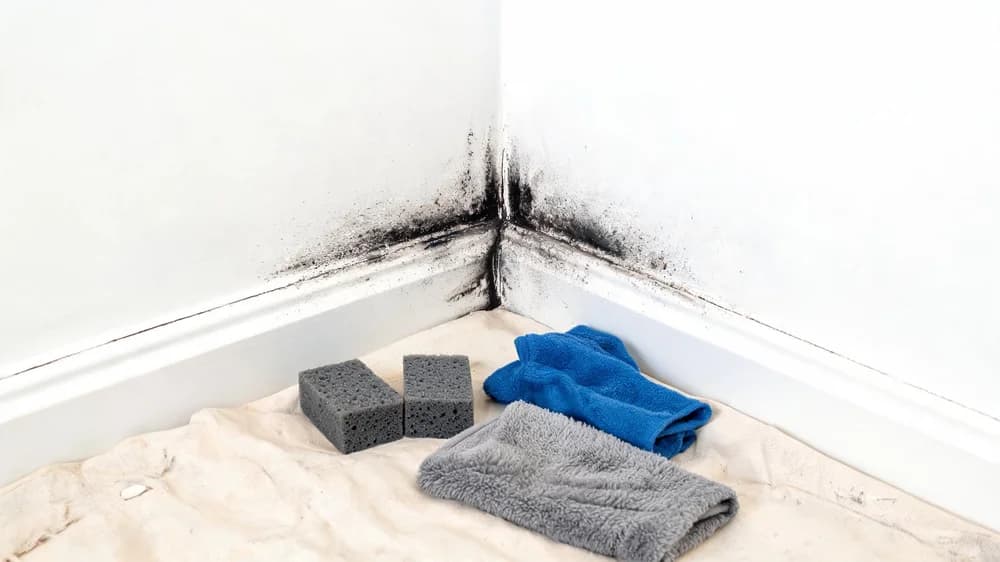
Wiping soot the wrong way can grind it into surfaces permanently. Advanced DRI explains why soot cleanup requires professional methods after a fire.
Soot Is Not Dust, and That Changes Everything
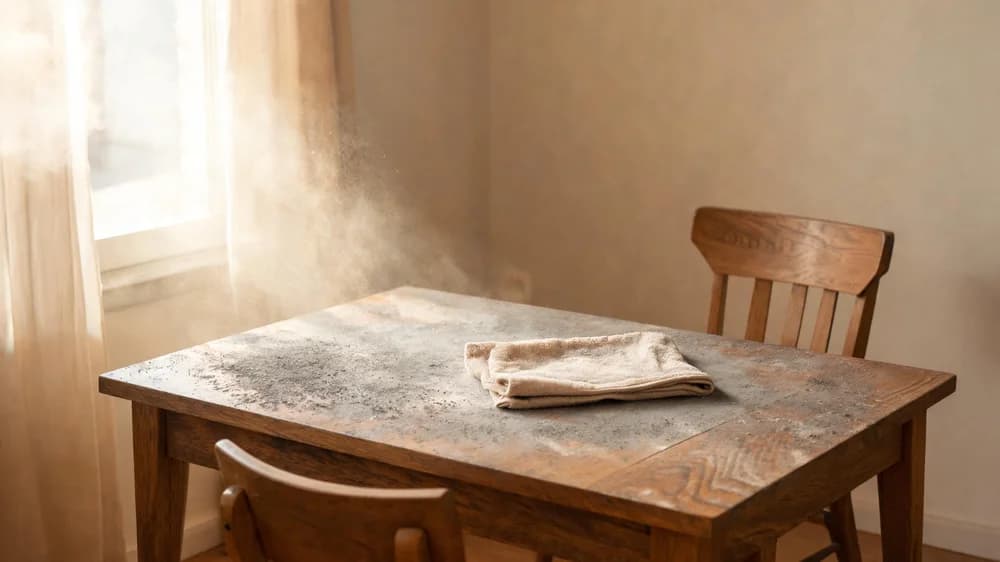
After a fire, a fine black or gray film coats walls, ceilings, furniture, and belongings. It looks like heavy dust, and the natural response is to grab a wet rag and start wiping. At Advanced DRI, we see the results of that instinct constantly: smeared walls, ground-in stains, and surfaces that could have been saved but now must be replaced.
Soot behaves nothing like ordinary dust. Cleaning it the wrong way does not just fail to remove it. It can drive the damage deeper and make it permanent. Understanding why explains why soot cleanup is a job for professionals.
What Soot Actually Is
Soot is the residue left when materials burn incompletely. It is made of extremely fine carbon particles mixed with oils, chemicals, and other compounds released by whatever burned. Because different materials burn differently, soot is not all the same.
- Dry soot comes from fast, high-heat fires burning paper and wood. It is powdery and sits more loosely on surfaces.
- Wet or oily soot comes from slow, smoldering, low-heat fires burning plastics and synthetic materials. It is sticky, smeary, and far harder to remove.
- Protein residue comes from burned food and is nearly invisible but carries a strong, stubborn odor.
Each type requires a different cleaning method. Using the wrong approach is what turns a cleanable surface into a damaged one.
Why Wiping Soot Makes It Worse
The most common and most damaging mistake is wiping soot with a wet cloth or household cleaner. Here is what actually happens.
It Grinds the Particles In
Soot particles are tiny and abrasive. Wiping them across a wall acts like fine sandpaper, pressing the particles into the surface and the pores of the paint or material. What was a removable film becomes an embedded stain.
Water Sets the Stain
Many types of soot, especially oily soot, react badly to water. Moisture can cause the residue to spread, smear, and bond more permanently to the surface. A wet rag often transforms a manageable layer of soot into a streaked, set-in stain across the whole wall.
It Spreads the Contamination
A cloth loaded with soot does not clean the next surface. It carries soot from room to room, contaminating areas that the fire never directly touched.
The Health Risk of Disturbing Soot
Soot is not just a cleaning challenge. It contains fine particles and chemical compounds that are harmful to breathe and irritating to skin and eyes. Wiping, brushing, or vacuuming soot with ordinary equipment lifts these particles into the air, where they are easily inhaled.
Ordinary household vacuums make this worse, because their filters cannot capture the finest soot particles and simply blow them back into the room. Cleaning soot without proper protective equipment and the right filtration exposes the household to unnecessary health risks.
How Professionals Approach Soot Cleanup
Professional soot removal follows a deliberate order, and almost always begins dry, not wet. Our fire and smoke damage team matches the method to the type of soot and the surface involved.
Assessment First
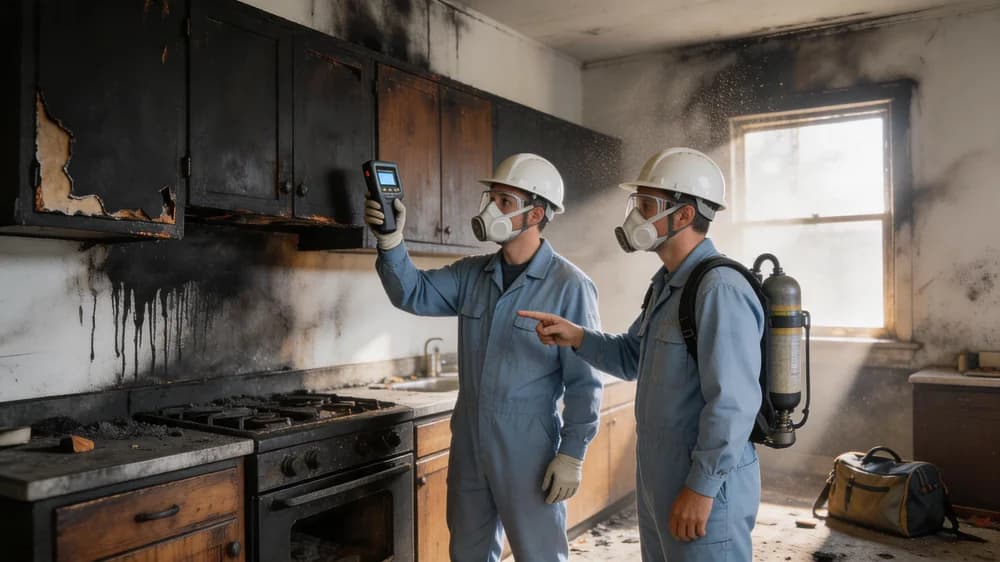
Technicians identify the type of soot and test surfaces to determine the safe, effective cleaning method before any cleaning begins.
Dry Cleaning Before Wet Cleaning
Specialized dry cleaning sponges, sometimes called chemical sponges, lift soot off surfaces without water and without grinding it in. This dry step removes the bulk of the residue first, so that any wet cleaning that follows does not smear a heavy soot layer.
HEPA Vacuuming
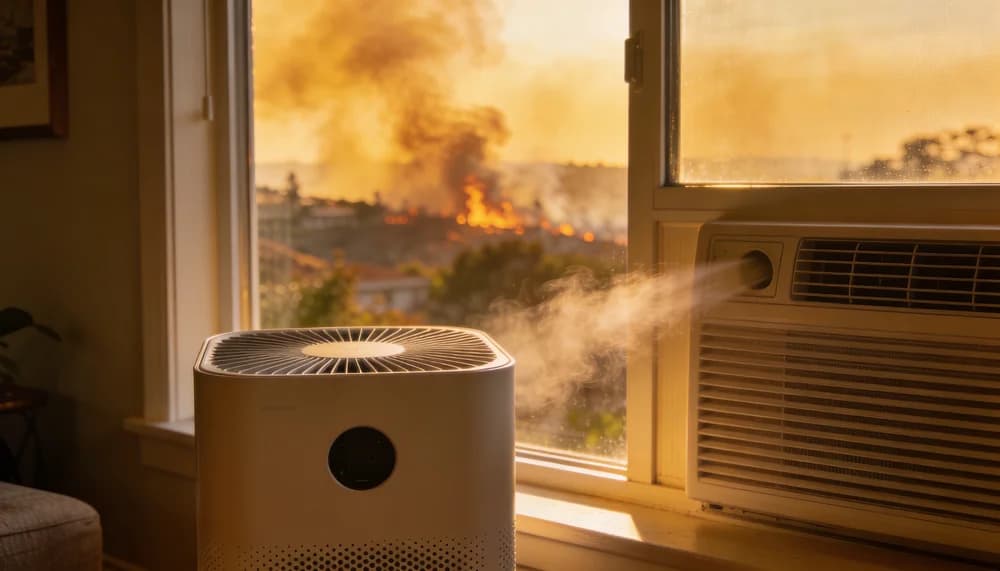
Vacuums with true HEPA filtration capture fine soot particles instead of recirculating them, protecting air quality during the cleanup.
Targeted Wet Cleaning
Only after dry methods have removed the loose soot do technicians apply appropriate cleaning solutions to specific surfaces, using products matched to the soot type and the material being cleaned.
Containment and Protection
Professionals contain the work area to prevent soot from spreading, and wear protective equipment to limit exposure to harmful particles.
Protect Your Property by Acting Correctly
The most valuable thing a homeowner can do after a fire is to resist the urge to start wiping. Touching soot as little as possible, keeping the area ventilated, and calling for professional assessment preserves surfaces and belongings that can still be saved.
Soot damage spreads with time and with mishandling, so a prompt, correct response matters. If your property has soot damage from a fire, contact Advanced DRI before attempting cleanup. Our team will assess the soot, protect your home, and clean it the right way. Learn more about our restoration experience on our about page.
Frequently Asked Questions
Can I just wipe soot off the walls myself?
Wiping soot, especially with a wet cloth, typically grinds the particles into the surface and can set the stain permanently. Professionals remove soot with dry methods first for good reason. If you want to preserve your walls, avoid wiping and call for an assessment.
Is soot dangerous to my health?
Yes. Soot contains fine particles and chemical compounds that can irritate the lungs, skin, and eyes. Disturbing soot without proper protection and filtration releases these particles into the air, which is a particular concern for children, older adults, and anyone with respiratory conditions.
Why do professionals clean soot dry instead of wet?
Dry cleaning sponges lift soot off a surface without water and without grinding the abrasive particles in. Wet cleaning a heavy soot layer first tends to smear and set it. Removing the loose soot dry, then wet cleaning only as needed, protects the surface.
Categories
Need Restoration Services?
Our team is available 24/7 for emergency response. Call us today for a free phone consultation.
Questions About Restoration?
Our experts are ready to help. Contact us for a free consultation.