Mold & Hazardous Materials
Year-End Property Inspection: Mold Red Flags for Harrisburg Homes
December 30, 202512 min read
E
Elsa Boyer· Regional Operations Manager (Harrisburg, PA)
Elsa Boyer is a Regional Operations Manager for Advanced Disaster Recovery, based in Harrisburg, Pennsylvania, overseeing commercial and healthcare restoration projects. She holds a Bachelor of Arts from Valparaiso University and a deep certification portfolio, including ICRA Certified Healthcare Remediator Supervisor and multiple IICRC designations across commercial drying, structural drying, water, and fire & smoke restoration.
Certified Healthcare Remediator Supervisor (ICRA), IICRC Commercial Drying Specialist, IICRC Applied Structural Drying, IICRC Water Restoration Technician (WRT), IICRC Fire and Smoke Restoration Technician, Lead-Based Paint Renovator, Mold Remediation Technician (RIA), OSHA 10 CertifiedLinkedIn
Published December 30, 2025 · Updated May 27, 2026

Spot mold red flags for Harrisburg homes before winter. Learn hidden mold signs and when to schedule a professional inspection.
Why Year-End Inspections Matter for Local Homeowners
Understanding mold red flags for Harrisburg homes becomes especially important as the year draws to a close. The transition from fall to winter creates unique conditions that allow mold to establish itself in hidden corners of your property. The local climate, with its humid summers followed by cold, damp winters, makes residences particularly vulnerable to fungal growth that often goes undetected until significant damage has occurred. A thorough year-end property inspection gives you the opportunity to spot mold red flags for Harrisburg homes before sealing up for the heating season. Once you close windows and reduce ventilation, any existing mold colonies can spread rapidly through your HVAC system, affecting indoor air quality throughout the winter months. Taking time now to recognize the warning signs that indicate mold remediation is needed can save you from costly repairs and health concerns down the road.Visual Signs of Mold in House Environments
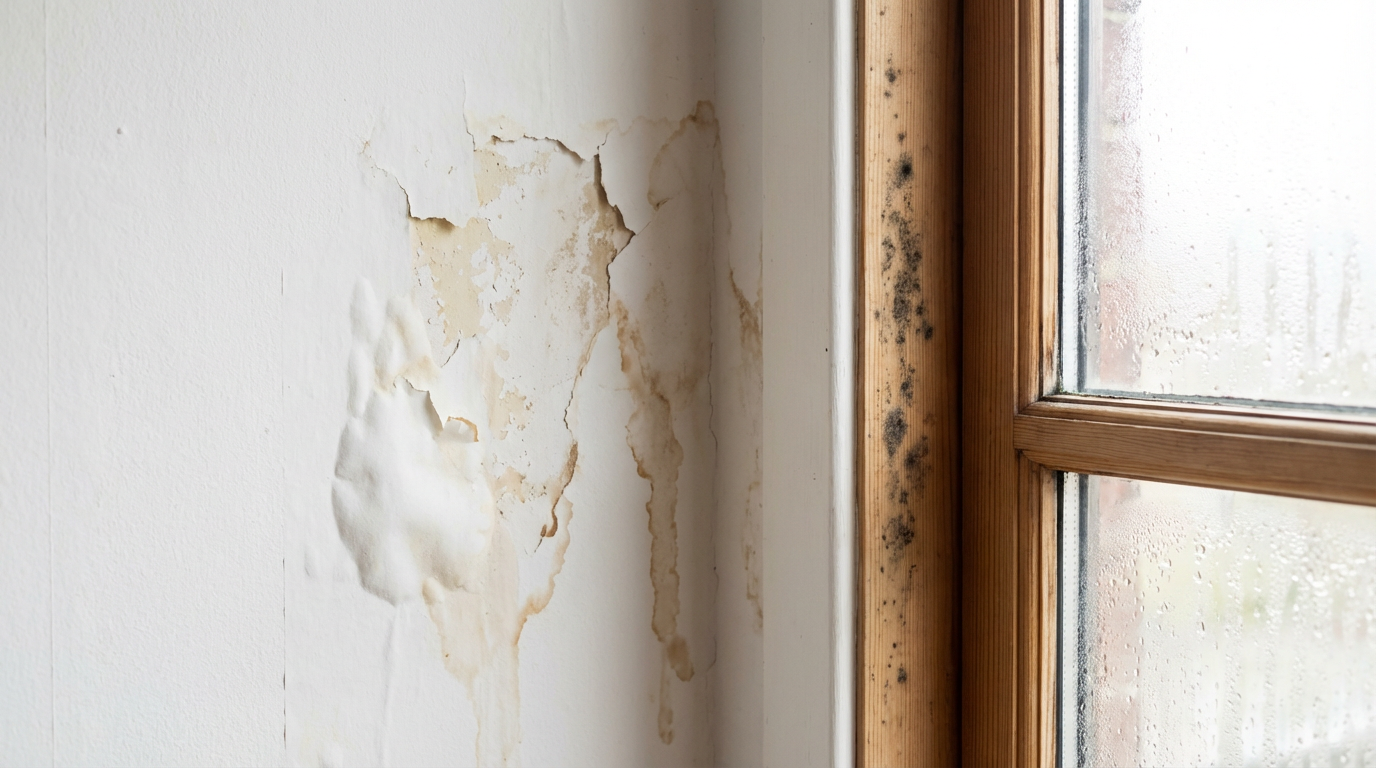
The most obvious signs of mold in house environments appear as visible discoloration on walls, ceilings, and other surfaces. However, mold doesn't always present itself in the familiar black or green patches most people expect. Recognizing mold red flags for Harrisburg homes means understanding that fungal growth can appear as white, gray, orange, or even pink depending on the species and the material it's colonizing. Look for unusual staining patterns around windows, along baseboards, and in corners where walls meet ceilings. Water stains that seem to reappear after cleaning often indicate ongoing moisture intrusion that supports fungal growth behind the visible surface. These signs of mold in house structures demand immediate attention, particularly in areas beneath windows where condensation tends to accumulate during temperature fluctuations common in the local fall and winter seasons.
⚠️ Important: Surface mold visible to the naked eye typically represents only a fraction of the total colony. These mold red flags for Harrisburg homes often extend much deeper into building materials than what appears on surfaces.
Peeling paint and bubbling wallpaper frequently signal moisture problems and represent serious mold red flags for Harrisburg homes. These symptoms indicate that water has penetrated the surface layer and created conditions favorable for fungal colonization. During your year-end inspection, run your hands along walls in high-risk areas to feel for soft spots, dampness, or unusual texture changes that suggest hidden mold signs beneath the surface.
Hidden Mold Signs Every Property Owner Should Know
Not all fungal growth announces itself visually. Hidden mold signs often manifest through other sensory cues that property owners sometimes dismiss or attribute to other causes. Learning to recognize these subtle mold helps you catch problems before they escalate into major infestations requiring expensive remediation. Musty, earthy odors rank among the most reliable hidden mold signs in residential properties. This distinctive smell results from microbial volatile organic compounds released as mold metabolizes organic materials. If certain rooms or areas of your residence carry persistent odors that don't respond to cleaning or air freshening, you may be experiencing one of the classic mold red flags that warrants professional investigation. Water damage history represents one of the most serious mold red flags for Harrisburg homes. Any area that experienced flooding, leaks, or significant moisture exposure within the past year should receive careful scrutiny for hidden mold signs. Mold can establish itself within building materials even after surfaces appear dry, continuing to grow in wall cavities, beneath flooring, and inside insulation where it remains invisible to casual observation.Areas Where Concealed Growth Commonly Develops
The following table outlines common locations for mold red flags for Harrisburg homes and effective inspection methods for each area.| Location | Why Mold Develops Here | Inspection Method |
|---|---|---|
| Behind bathroom walls | Shower steam and plumbing condensation | Check for soft drywall, musty odors |
| Under kitchen sinks | Slow drain leaks and condensation | Visual inspection with flashlight |
| Basement corners | Foundation seepage and poor ventilation | Moisture meter readings |
| Attic spaces | Roof leaks and inadequate ventilation | Look for discoloration on sheathing |
| Around HVAC units | Condensation from temperature differentials | Inspect ductwork and drain pans |
| Window frames | Condensation during cold weather | Check caulking and frame integrity |
Mold Warning Signs for Homeowners: Health Indicators
Your body sometimes detects mold red flags for Harrisburg homes before your eyes do. Mold warning signs for homeowners frequently include unexplained health symptoms that worsen when spending time indoors. While these symptoms can have many causes, their pattern and timing often reveal environmental triggers that point to fungal contamination. Respiratory symptoms like persistent coughing, wheezing, or shortness of breath that improve when you leave the house suggest poor indoor air quality and potential mold red flags for Harrisburg homes. Mold warning signs for homeowners frequently include these health symptoms that worsen when spending time indoors. Nasal congestion, frequent sneezing, and sinus pressure that seem unrelated to seasonal allergies may indicate exposure to airborne mold spores. Skin irritation, eye redness, and headaches that occur primarily at home also warrant investigation into potential fungal sources.
💡 Pro Tip: Keep a simple log of when symptoms occur and which rooms you've spent time in. Patterns that emerge can help pinpoint mold red flags for Harrisburg homes during your property inspection.
Pay attention to whether symptoms affect certain family members more than others. Children, elderly individuals, and those with compromised immune systems or existing respiratory conditions typically react more strongly to mold exposure. These health-related mold red flags for Harrisburg homes deserve serious attention and professional evaluation.
Home Mold Inspection in Harrisburg: Room-by-Room Guide
A systematic home mold inspection in Harrisburg should cover every area of your property, with extra attention to zones with higher moisture exposure. Starting from the lowest level and working upward ensures you don't overlook critical mold red flags for Harrisburg homes in any section of your residence.Basement and Foundation Level
Basements present the highest risk for mold development in most local properties and often display mold red flags for Harrisburg homes first. The combination of below-grade construction, proximity to groundwater, and limited air circulation creates ideal conditions for fungal growth. During your home mold inspection in Harrisburg, examine foundation walls carefully for white, powdery efflorescence, which indicates moisture migration through concrete. While efflorescence itself isn't mold, it signals the wet conditions that support mold colonization and often accompanies mold. Check around sump pump installations, floor drains, and any basement windows for mold red flags for Harrisburg homes. Look behind stored items and furniture that might block airflow or hide developing problems. The visible signs of mold in house basements often appear first in corners, behind appliances like water heaters and washing machines, and along the base of walls.Bathrooms and Kitchens
These high-moisture areas require careful examination for mold red flags for Harrisburg homes during any year-end property review. Pull back shower curtains to inspect caulk lines and grout for hidden mold signs. Check under sinks for evidence of past or ongoing leaks. Examine exhaust fan vents for accumulated dust and moisture that could harbor growth and represent mold red flags. Kitchen areas around dishwashers, refrigerators with ice makers, and under-sink cabinets deserve thorough review for mold red flags for Harrisburg homes. Water damage from appliance failures remains a leading cause of household mold problems.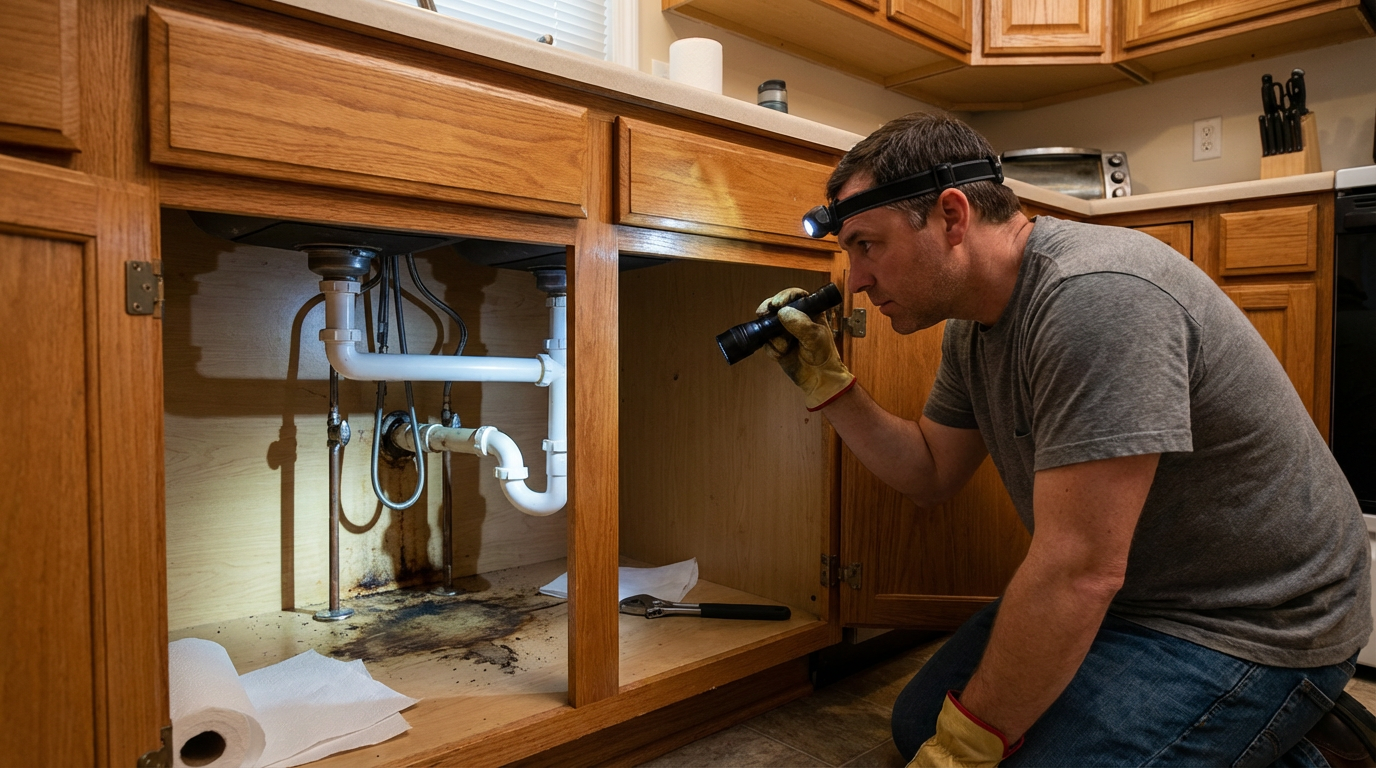
Living Spaces and Bedrooms
While less obvious than wet areas, living spaces can harbor mold red flags for Harrisburg homes as well. Check around windows for condensation damage, especially on north-facing walls that receive less sunlight. Closets often display mold red flags for Harrisburg homes, particularly those against exterior walls where temperature differentials promote moisture accumulation and create conditions favorable for hidden mold signs. Look behind large furniture pieces that sit against walls, as reduced air circulation in these spaces encourages moisture retention. Carpet edges along exterior walls and in corners should be lifted if possible to check the padding and subfloor beneath for mold red flags for Harrisburg homes that might otherwise go unnoticed.Attic Inspection
Before winter arrives, inspect your attic for mold red flags for Harrisburg homes that suggest roof leaks or ventilation problems. Look at the underside of roof sheathing for dark staining or visible fungal growth representing mold red flags for Harrisburg homes. Check around bathroom exhaust vents to ensure they discharge outside rather than into the attic space. Examine insulation for water staining or compression that suggests moisture intrusion.
🏠 Home Tip: Bring a strong flashlight and wear a dust mask when inspecting for mold red flags for Harrisburg homes. Disturbing existing mold growth can release significant quantities of spores into the air.
What to Do When You Find Mold Red Flags for Harrisburg Homes
Discovering mold red flags for Harrisburg homes during your year-end inspection requires prompt but measured action. Small areas of surface mold on non-porous materials can sometimes be addressed with careful cleaning using appropriate products. However, larger infestations, growth on porous materials, or mold in HVAC systems require professional mold removal services. Document what you find with photographs before disturbing the area. Note the size of visible growth, any associated water damage, and nearby moisture sources when documenting mold red flags for Harrisburg homes. This documentation helps remediation professionals develop an appropriate treatment plan and may be valuable for insurance purposes. Avoid the temptation to immediately tear out affected materials yourself when you find mold red flags for Harrisburg homes. Improper removal techniques can spread spores throughout your residence, turning a localized problem into a whole-house contamination issue. Professional remediation includes containment measures that prevent cross-contamination during the removal process.Prevention Strategies After Addressing Mold Red Flags for Harrisburg Homes
Once you've addressed any existing problems identified during your inspection, implement preventive measures to reduce future mold risk. Controlling indoor humidity ranks as the single most effective prevention strategy for avoiding future mold red flags for Harrisburg homes. Keep relative humidity below sixty percent throughout your residence using dehumidifiers in problem areas and ensuring adequate ventilation. Address water intrusion issues promptly when they occur. Even minor leaks create conditions that support mold growth within twenty-four to forty-eight hours. Fix dripping faucets, repair roof damage, and seal foundation cracks before winter weather makes repairs more difficult and increases the likelihood of developing mold red flags for Harrisburg homes. Improve air circulation throughout your residence by running ceiling fans on low, leaving interior doors open when possible, and ensuring furniture doesn't block supply and return vents. Good airflow prevents mold red flags for Harrisburg homes by stopping moisture from accumulating in stagnant pockets where mold can establish itself.How quickly can mold develop after water damage?
+
Mold can begin growing within twenty-four to forty-eight hours after water exposure under favorable conditions. Warm temperatures and high humidity accelerate this timeline, quickly creating mold red flags for Harrisburg homes. That's why addressing water damage immediately and ensuring thorough drying is critical for prevention.
Can I remove mold myself or should I hire professionals?
+
Small areas of surface mold under ten square feet on non-porous materials may be suitable for DIY cleaning. However, larger infestations represent serious mold red flags for Harrisburg homes. Mold on porous materials like drywall or carpet, or growth in HVAC systems should be handled by certified remediation professionals to ensure complete removal and prevent spreading.
What makes local properties particularly susceptible to mold?
+
The local climate features humid summers and cold winters with significant temperature fluctuations. This combination promotes condensation on windows and in wall cavities. Many area residences also have older construction with less effective moisture barriers, and proximity to the Susquehanna River increases ambient humidity levels.
Does homeowners insurance cover mold damage?
+
Coverage varies significantly by policy. Most standard policies cover mold damage resulting from sudden, accidental water events like burst pipes. However, mold from gradual leaks, humidity, or flooding typically isn't covered. Review your specific policy and consider endorsements for comprehensive mold coverage.
How often should I inspect for mold red flags for Harrisburg homes?
+
Conduct a thorough inspection at least twice yearly, ideally before winter and after summer. Additionally, inspect promptly after any water event, during unusually humid periods, and if you notice unexplained odors or health symptoms. Regular monitoring helps catch mold red flags for Harrisburg homes early when they're easier to address.
Categories
Need Restoration Services?
Our team is available 24/7 for emergency response. Call us today for a free phone consultation.


Questions About Restoration?
Our experts are ready to help. Contact us for a free consultation.