Elsa Boyer is a Regional Operations Manager for Advanced Disaster Recovery, based in Harrisburg, Pennsylvania, overseeing commercial and healthcare restoration projects. She holds a Bachelor of Arts from Valparaiso University and a deep certification portfolio, including ICRA Certified Healthcare Remediator Supervisor and multiple IICRC designations across commercial drying, structural drying, water, and fire & smoke restoration.
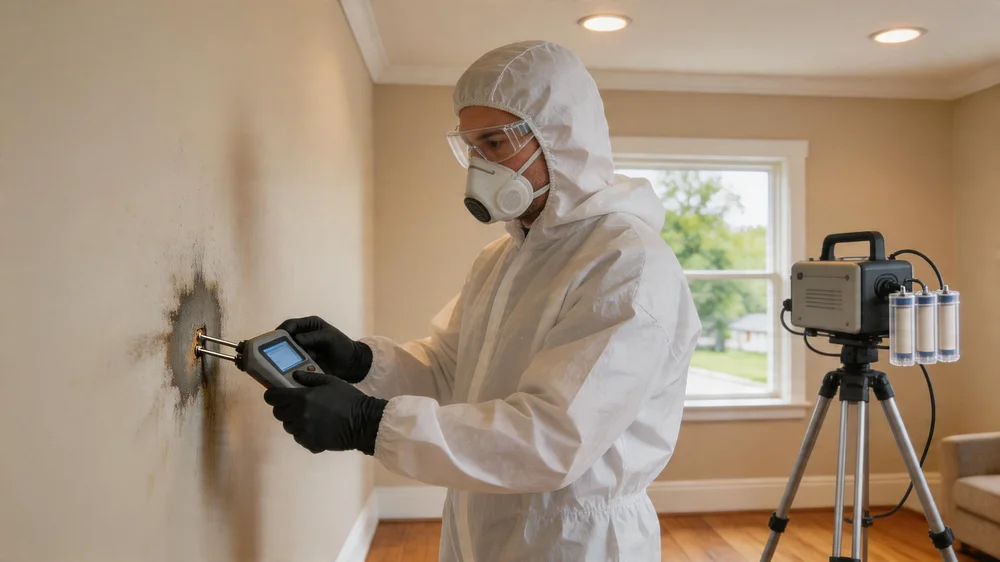
How much does mold testing and removal cost in New Jersey? See 2026 NJ pricing for inspections, air testing, and professional remediation by project size.
How Much Does Mold Testing and Removal Cost in New Jersey?
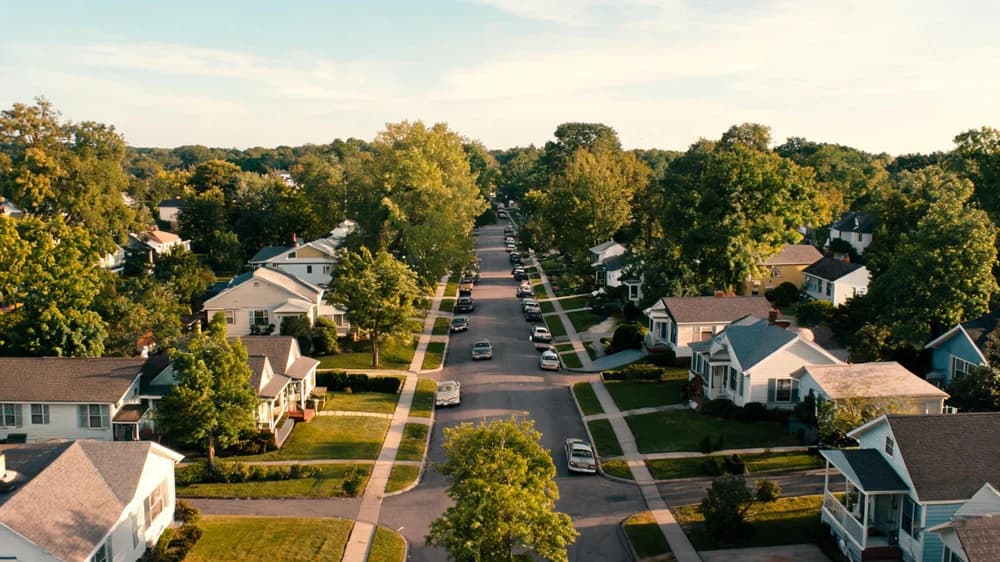
New Jersey's proximity to the coast, high humidity levels, and dense older housing stock create ideal conditions for mold growth. Whether you've spotted visible mold, noticed a musty odor, or are buying a home and want a mold inspection, understanding NJ-specific costs helps you budget and avoid overpaying.
At Advanced Disaster Recovery Inc. (ADRI), we provide comprehensive mold testing and remediation throughout New Jersey. Here's the complete cost picture for 2026.
Mold Testing Costs in New Jersey
| Service | Low Estimate | Average | High Estimate |
|---|---|---|---|
| Visual Mold Inspection Only | $200 | $350 | $500 |
| Air Quality Sampling (3-5 samples) | $300 | $500 | $800 |
| Surface/Tape Sampling (per sample) | $50 | $100 | $175 |
| Full Inspection + Air Sampling | $400 | $650 | $1,000 |
| Post-Remediation Clearance Testing | $250 | $450 | $700 |
| Real Estate Transaction Mold Inspection | $350 | $550 | $900 |
Mold Removal Costs in New Jersey
| Service | Low Estimate | Average | High Estimate |
|---|---|---|---|
| Small Area (under 10 sq ft) | $500 | $1,500 | $3,500 |
| Medium Area (10-100 sq ft) | $2,500 | $5,000 | $8,000 |
| Large Area (100-300 sq ft) | $5,000 | $9,000 | $15,000 |
| Crawl Space Remediation | $2,000 | $5,000 | $9,000 |
| Attic Mold Remediation | $2,500 | $6,000 | $12,000 |
| HVAC System Mold Cleaning | $1,200 | $3,500 | $7,500 |
Data reflects 2026 pricing for the New Jersey market. Costs in North Jersey (Bergen, Essex, Hudson counties) tend to run 10-15% higher than South Jersey and Shore communities.
Key Factors Affecting Mold Costs in New Jersey
1. Scope of Mold Growth
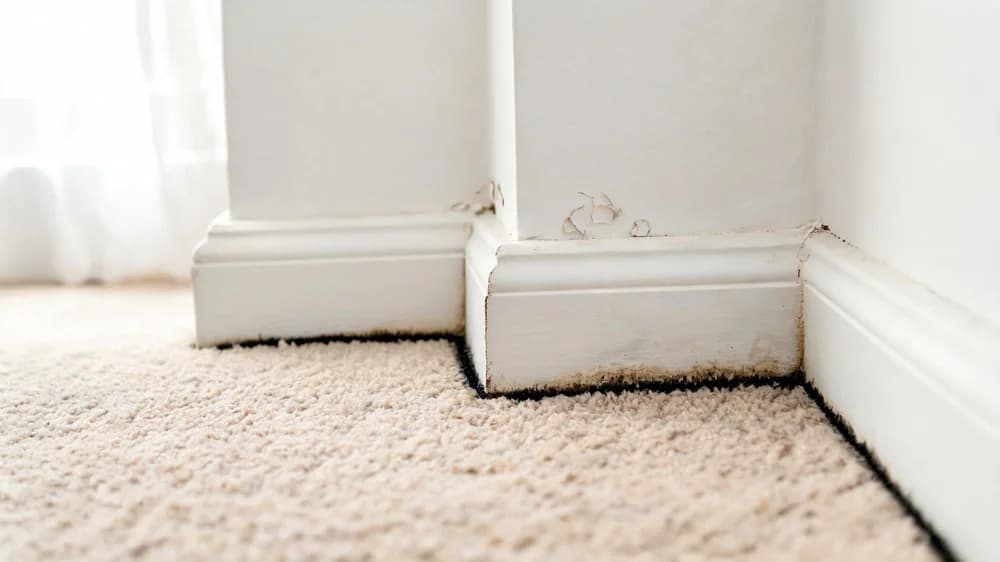
Visible mold is often just the tip of the iceberg. Air sampling and invasive inspection (looking behind walls, above ceilings) often reveals mold growth 2-5 times larger than what's visible. A thorough initial assessment prevents costly change orders mid-project.
2. Location and Accessibility
Mold in accessible areas (open basement walls, bathroom surfaces) costs less to remediate than mold hidden in:
- Wall cavities behind finished surfaces
- HVAC ductwork and air handlers
- Tight crawl spaces common in NJ ranch homes
- Attic sheathing (often caused by inadequate ventilation)
3. New Jersey Regulations
New Jersey has specific regulations that affect mold remediation costs:
- NJ Mold Licensing: New Jersey requires mold inspectors and remediators to hold specific licenses, which ensures quality but can mean slightly higher costs than unlicensed states.
- Work practices: NJ follows IICRC S520 standards for mold remediation, which mandate specific containment, filtration, and clearance requirements.
- Disclosure requirements: NJ sellers must disclose known mold issues, making pre-sale remediation with documentation essential for real estate transactions.
4. Type of Mold
While the remediation process is similar regardless of species, certain findings can affect scope and cost:
- Aspergillus/Penicillium: Most common in NJ homes. Standard remediation protocols apply.
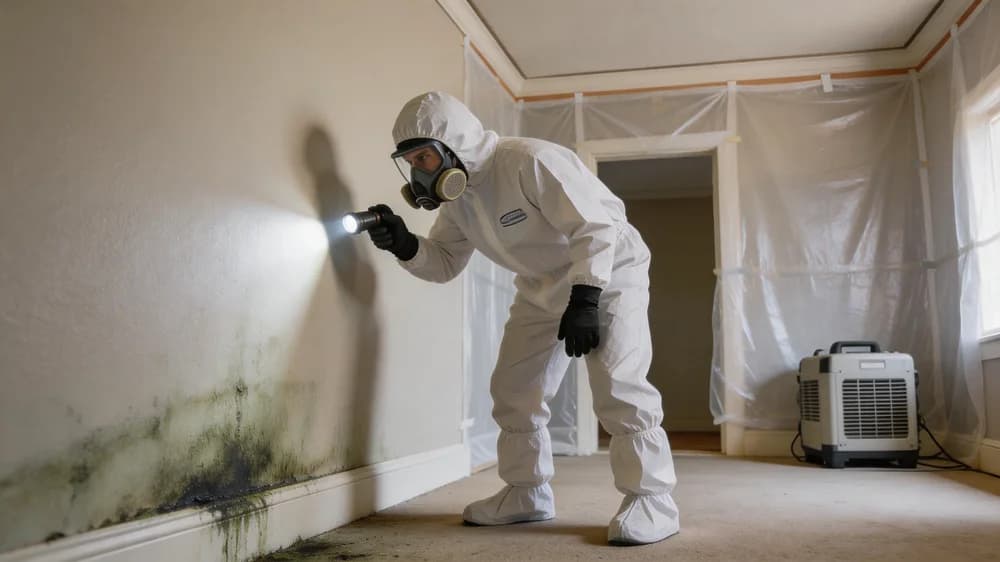
- Stachybotrys (black mold): Requires enhanced containment and PPE. Adds 20-30% to costs.
- Chaetomium: Often indicates long-term water damage. The underlying water issue may add to total project cost.
5. Underlying Moisture Problem
Mold remediation without fixing the moisture source is money wasted. Common NJ moisture sources include:
- Foundation water intrusion (endemic in NJ's clay-heavy soils)
- Condensation from inadequate bathroom/kitchen ventilation
- Roof leaks from aging shingles or ice dams
- Plumbing leaks (especially in older homes with galvanized pipes)
Does Insurance Cover Mold in New Jersey?
Mold coverage in New Jersey is typically limited but depends on the cause:
- Covered: Mold resulting from a sudden, covered event (burst pipe, appliance failure, storm damage) is usually covered under your NJ homeowner's policy.
- Not Covered: Mold from gradual moisture, humidity, maintenance neglect, or flooding (without flood insurance) is generally excluded.
- NJ Mold Caps: Many NJ insurers limit mold coverage to $5,000-$15,000 per claim, even when mold results from a covered event. Some higher-tier policies offer $25,000-$50,000 limits.
- Separate mold policies: Standalone mold insurance is available in NJ, typically costing $500-$1,500/year for $25,000-$50,000 in coverage.
ADRI helps NJ homeowners connect mold damage to covered events when the evidence supports it. Our detailed documentation and moisture mapping can make the difference between a covered and denied claim. Contact us for a free assessment.
NJ-Specific Mold Hotspots
Certain areas and property types in New Jersey are particularly prone to mold:
- Shore communities: Ocean County, Monmouth County, and Cape May County homes face constant salt air humidity and flood risk.
- North Jersey urban areas: Dense row homes and apartment buildings in Newark, Jersey City, and Paterson often have inadequate ventilation.
- Bi-level and split-level homes: Popular in 1960s-1970s NJ construction, these homes often have crawl spaces and lower levels prone to moisture.
- Post-Sandy rebuilt homes: Homes that were flooded during Hurricane Sandy and not properly dried may still harbor hidden mold.
Mold Testing vs. Mold Removal: What Do You Need?
Not every situation requires both testing and remediation:
- Testing only: Appropriate when you suspect mold but can't see it (musty odors, health symptoms), during real estate transactions, or for post-remediation clearance verification.
- Testing + removal: Recommended when visible mold is present and you need to determine full scope, when selling a home and need documentation, or when insurance claims are involved.
- Removal without pre-testing: May be appropriate when mold is clearly visible and the scope is obvious. However, pre-testing provides a baseline for clearance verification.
Frequently Asked Questions
How much does a mold inspection cost in NJ?
A professional mold inspection with air quality sampling in New Jersey costs $400-$1,000 for a typical home. Visual-only inspections cost $200-$500 but don't provide the laboratory data needed for definitive answers. Always use a NJ-licensed mold inspector.
Do I need mold testing before buying a home in New Jersey?
While not legally required, a mold inspection is strongly recommended for any NJ home purchase, especially for homes with basements, crawl spaces, or any history of water damage. The $400-$650 investment can reveal problems costing $5,000-$15,000+ to remediate. It's also a powerful negotiation tool.
How long does mold removal take in NJ?
Small projects (under 10 sq ft) take 1-2 days. Medium projects take 3-5 days. Large attic or crawl space remediation takes 5-10 days. Post-remediation clearance testing adds 1-2 days for lab results. ADRI provides detailed timelines during your free initial assessment.
Can mold come back after professional removal?
Mold will only return if the underlying moisture source is not resolved. Professional remediation that includes moisture source identification and correction has a very low recurrence rate. ADRI addresses both the mold and its cause, and we stand behind our work. Financing options are available for comprehensive remediation projects.
Get Your Free NJ Mold Assessment
Don't let mold compromise your New Jersey home's air quality and value. Contact Advanced DRI today for a free, no-obligation mold assessment. Our NJ-licensed technicians will identify the problem, explain your options, and provide transparent pricing.
Categories
Need Restoration Services?
Our team is available 24/7 for emergency response. Call us today for a free phone consultation.
Questions About Restoration?
Our experts are ready to help. Contact us for a free consultation.