Office Building Mold in Harrisburg: Protecting Employee Health and Equipment
Elsa Boyer is a Regional Operations Manager for Advanced Disaster Recovery, based in Harrisburg, Pennsylvania, overseeing commercial and healthcare restoration projects. She holds a Bachelor of Arts from Valparaiso University and a deep certification portfolio, including ICRA Certified Healthcare Remediator Supervisor and multiple IICRC designations across commercial drying, structural drying, water, and fire & smoke restoration.

Office building mold in Harrisburg damages health and equipment. Get commercial mold remediation in Harrisburg fast. Call Advanced DRI 24/7 in NY, NJ, PA & CT.
Understanding Office Building Mold in Harrisburg
Office building mold in Harrisburg develops when moisture, organic materials, and suitable temperatures combine to create ideal growing conditions. The Susquehanna Valley's climate, with its humid summers and variable precipitation patterns, creates particular challenges for commercial properties. Buildings near the river, older structures with aging HVAC systems, and facilities with inadequate ventilation are especially vulnerable to fungal contamination. Mold spores exist naturally in outdoor air and inevitably find their way inside through doors, windows, and ventilation systems. Problems begin when these spores encounter moisture—whether from roof leaks, plumbing failures, condensation on cold surfaces, or flooding. Within 24 to 48 hours of water exposure, mold in office building environments can begin colonizing materials, making rapid response critical.Common Causes of Workplace Mold Problems
Understanding what leads to workplace mold problems helps property managers implement effective prevention strategies. Several factors contribute to commercial mold growth throughout Harrisburg.HVAC System Issues
Heating, ventilation, and air conditioning systems can either prevent or promote mold growth depending on their condition and maintenance. Poorly maintained systems allow moisture to accumulate in drain pans, ductwork, and air handling units. When condensation isn't properly managed, it creates breeding grounds for mold that spreads throughout the building via air distribution systems. Regular commercial HVAC maintenance and inspection is essential for preventing contamination that requires commercial mold removal in Harrisburg.Roof and Envelope Failures
Commercial roofs in Harrisburg endure significant weather stress from heavy snow loads, ice dams, and summer storms. Even small breaches in the building envelope allow water infiltration that leads to hidden mold in office building wall cavities and ceiling spaces. Flat roofs common on commercial buildings are particularly susceptible to ponding water that eventually causes significant damage.Plumbing Leaks and Failures
Office buildings contain extensive plumbing networks that can develop leaks in concealed spaces. Supply line failures, drain backups, and fixture malfunctions introduce water that promotes mold growth. Restrooms, break rooms, and mechanical areas require regular inspection to catch workplace mold problems before they escalate into situations requiring commercial mold remediation in Harrisburg.Poor Ventilation and Humidity Control
Modern office buildings often prioritize energy efficiency over air exchange, which can trap moisture indoors. Conference rooms, storage areas, and interior spaces without adequate ventilation become humid microclimates where mold thrives. Maintaining relative humidity below 60 percent is essential for preventing office building mold in Harrisburg commercial properties.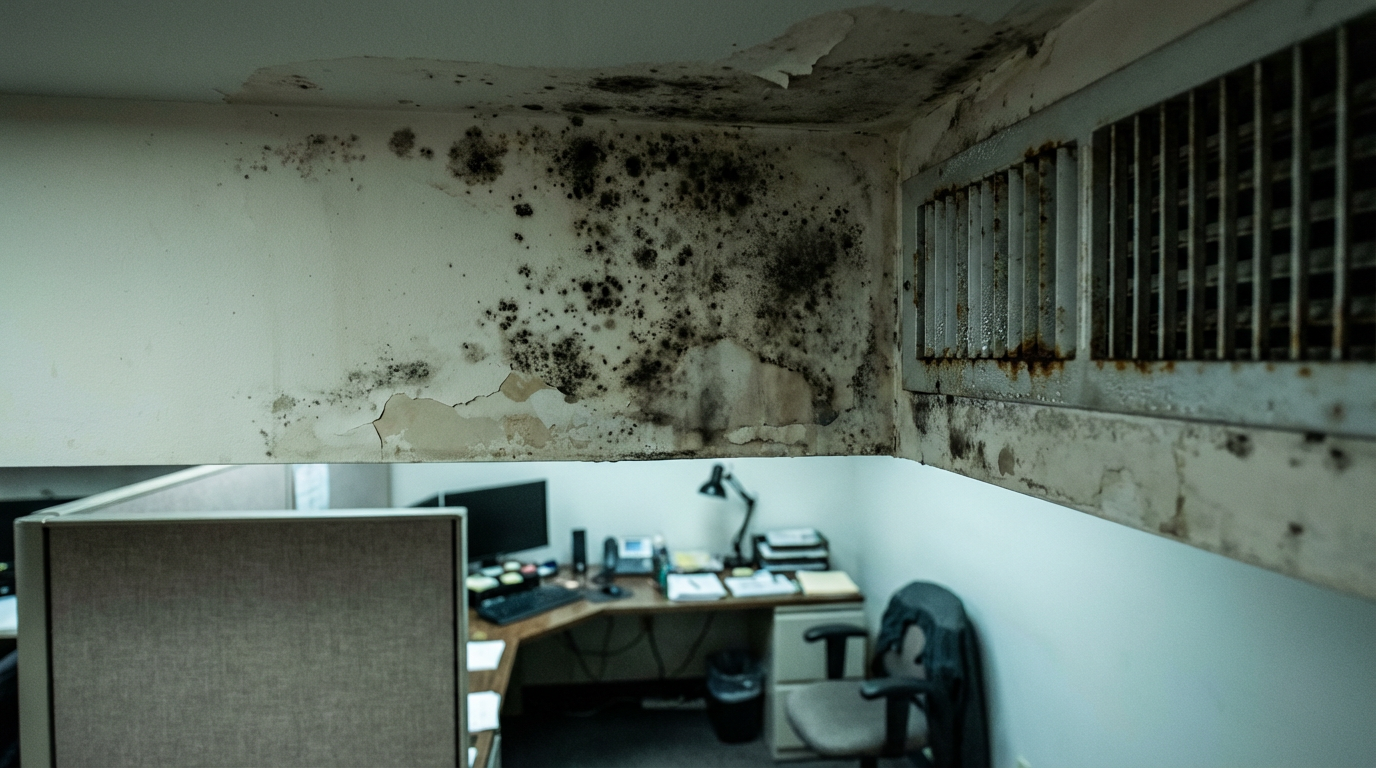
Health Impacts of Mold in Office Building Environments
Employee health concerns make mold in office building spaces a serious liability issue. Exposure affects different individuals in different ways, but certain health impacts appear consistently across affected workplaces.Respiratory Effects
Mold spores and fragments, when inhaled, trigger inflammatory responses in the respiratory system. Employees may experience persistent coughing, wheezing, shortness of breath, and chest tightness. Those with pre-existing asthma often find their symptoms significantly worsened by workplace mold problems. Even healthy employees may develop new respiratory sensitivities after prolonged exposure.Allergic Reactions
Mold is a potent allergen that causes reactions ranging from mild to severe. Common symptoms include sneezing, runny nose, itchy eyes, skin rashes, and sinus congestion. These symptoms often improve when employees leave the building and worsen upon return—a pattern that should alert managers to air quality issues requiring commercial mold remediation in Harrisburg.Neurological and Systemic Effects
Some mold species produce mycotoxins that can cause headaches, difficulty concentrating, memory problems, and fatigue. Employees may report feeling generally unwell without understanding the cause. These vague but persistent symptoms often resolve after professional commercial mold removal in Harrisburg eliminates the source.| Symptom Category | Common Manifestations | Typical Timeline |
|---|---|---|
| Respiratory | Coughing, wheezing, shortness of breath | Hours to days after exposure |
| Allergic | Sneezing, itchy eyes, skin irritation | Minutes to hours after exposure |
| Neurological | Headaches, fatigue, concentration difficulties | Days to weeks of exposure |
| Systemic | General malaise, immune suppression | Weeks to months of exposure |
Equipment and Infrastructure Damage
Beyond health concerns, office building mold in Harrisburg causes substantial damage to equipment, furnishings, and building systems. Understanding these risks helps justify investment in prevention and rapid remediation.Electronic Equipment Damage
Computers, servers, telecommunications equipment, and other electronics are vulnerable to mold contamination. Spores and hyphae can infiltrate equipment through ventilation openings, colonizing internal components. This contamination causes corrosion, short circuits, and premature equipment failure. Professional contents cleaning and restoration services can sometimes salvage affected equipment, but preventing mold in office building spaces remains the better approach.Document and Record Damage
Paper documents, files, and archived records provide excellent food sources for mold. Once contaminated, important business documents may be permanently damaged or require expensive specialized restoration. Contamination in areas housing critical records demands immediate commercial mold removal in Harrisburg.Structural Deterioration
Mold doesn't just grow on surfaces—it digests organic building materials including drywall paper facing, wood framing, ceiling tiles, and carpet backing. Prolonged infestation weakens structural components and necessitates extensive repairs. Early detection and commercial mold remediation in Harrisburg prevents minor problems from becoming major reconstruction projects.Identifying Mold in Office Building Spaces
Early detection of mold in office building environments allows for faster remediation and reduced costs. Property managers and employees should remain alert to warning signs that indicate potential problems.Visual Indicators
Visible mold growth appears in various colors including black, green, white, and gray. It may look fuzzy, slimy, or powdery depending on the species. Staining on ceiling tiles, walls, or carpeting often indicates current or past water intrusion that may have led to hidden contamination. Bubbling or peeling paint and warped building materials also suggest moisture problems.Odor Detection
Mold produces distinctive musty, earthy odors that become more noticeable in enclosed spaces or when HVAC systems cycle on. These odors may be strongest in the morning before building ventilation dilutes them. Persistent unusual smells warrant investigation for workplace mold problems even when visible mold isn't apparent.Employee Health Patterns
When multiple employees report similar symptoms that improve when away from work, indoor air quality problems should be investigated. Tracking sick building complaints helps identify problem areas requiring assessment for commercial mold removal in Harrisburg.Professional Assessment
Professional mold inspections use specialized equipment including moisture meters, thermal imaging cameras, and air sampling devices to locate hidden contamination. These assessments provide definitive answers about the presence and extent of commercial mold problems and guide remediation planning.Prevention Strategies for Office Building Mold in Harrisburg
Preventing office building mold in Harrisburg requires systematic attention to moisture control, ventilation, and maintenance. Implementing these strategies protects employee health and avoids costly remediation.Moisture Management
Controlling moisture is the single most effective strategy for preventing workplace mold problems. This includes promptly repairing any leaks, maintaining proper drainage around the building foundation, and addressing condensation issues. After any water damage incident, rapid professional drying prevents mold establishment.HVAC Optimization
Properly designed and maintained HVAC systems remove excess moisture while providing adequate fresh air exchange. Regular filter replacement, drain pan cleaning, and ductwork inspection prevent the system from becoming a mold distribution network. Maintaining indoor humidity between 30 and 50 percent creates conditions unfavorable for fungal growth.Building Envelope Maintenance
Regular inspection and maintenance of roofs, windows, exterior walls, and foundations prevents water intrusion. Addressing small problems before they become large ones is far more cost-effective than commercial mold remediation in Harrisburg after extensive damage occurs.Immediate Water Response
When water intrusion occurs, response time determines whether mold develops. Wet materials must be dried within 24 to 48 hours to prevent growth. Having a relationship with a professional disaster restoration company in Harrisburg ensures rapid response when emergencies occur.The Commercial Mold Remediation in Harrisburg Process
When prevention fails and mold establishes itself, professional commercial mold remediation in Harrisburg follows established protocols to safely eliminate the problem. Understanding this process helps property managers know what to expect.Assessment and Planning
Professional remediation begins with thorough assessment to determine the extent and severity of contamination. This includes visual inspection, moisture mapping, and often air and surface sampling. The resulting data informs a detailed remediation plan specifying containment, removal, and verification procedures.Containment
Before removal begins, affected areas are isolated using physical barriers and negative air pressure to prevent spore spread to unaffected building areas. This containment is essential for protecting employees during commercial mold removal in Harrisburg and preventing cross-contamination.Removal and Cleaning
Contaminated materials that cannot be effectively cleaned are carefully removed and disposed of following applicable regulations. Salvageable surfaces are cleaned using specialized techniques and antimicrobial treatments. HEPA filtration captures airborne spores throughout the process.Moisture Remediation
Effective treatment addresses the underlying moisture source that allowed growth. Without correcting these conditions, workplace mold problems will return. This phase may involve plumbing repairs, HVAC modifications, or building envelope improvements.Verification and Clearance
After remediation, post-testing verifies that mold levels have returned to normal background levels. This clearance testing provides documentation that the mold remediation was successful and the space is safe for reoccupation.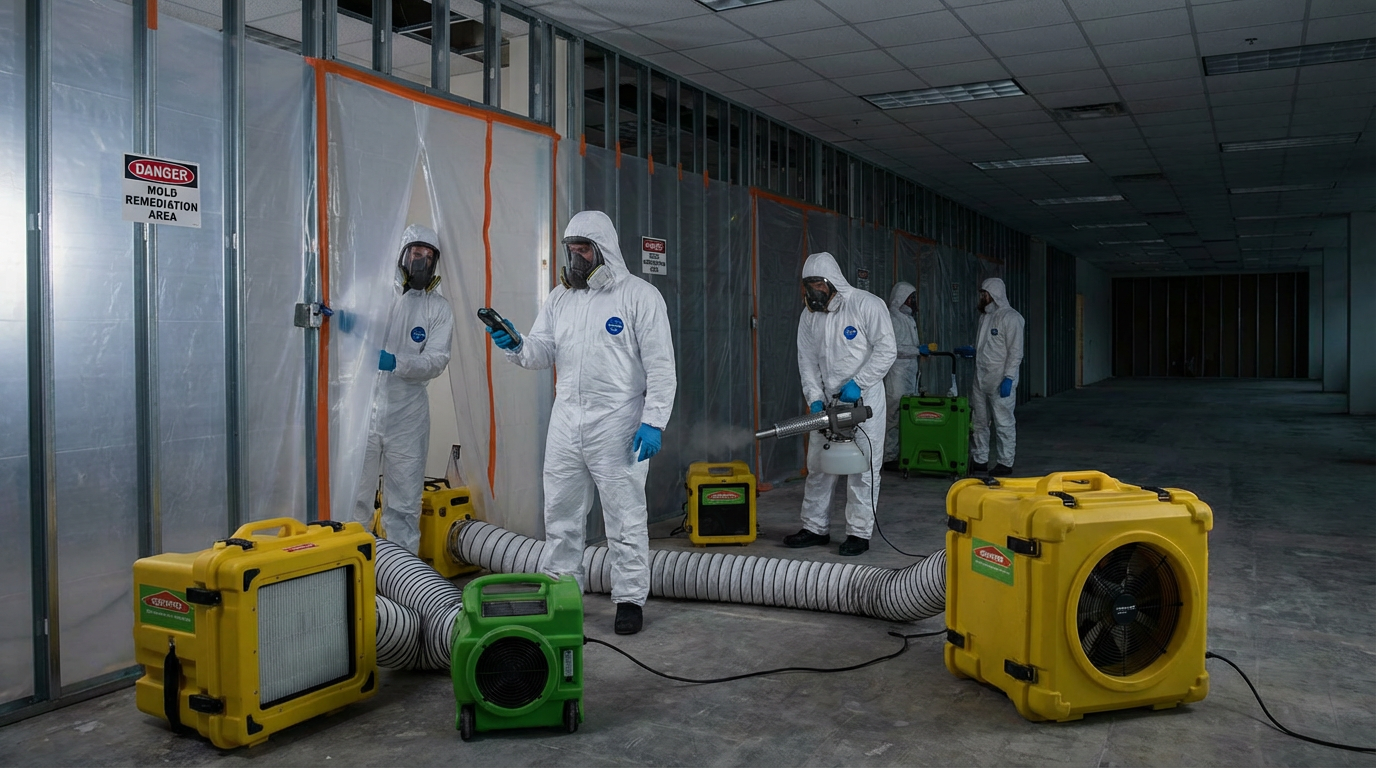
Legal and Regulatory Considerations
Workplace mold problems carry legal implications that property managers and business owners must understand. Failure to address known contamination can result in significant liability.OSHA Requirements
While OSHA doesn't have specific mold standards, the General Duty Clause requires employers to provide workplaces free from recognized hazards. Known office building mold in Harrisburg that isn't addressed could constitute a violation. OSHA may also cite ventilation and air quality violations when mold affects indoor environments.Landlord-Tenant Obligations
Commercial lease agreements typically address responsibility for building maintenance including mold remediation. Property owners generally bear responsibility for structural issues and building systems, while tenants may be responsible for conditions they create.Insurance Considerations
Commercial property insurance policies vary significantly in their mold coverage. Some policies exclude mold entirely, while others provide limited coverage or require separate endorsements. Understanding your coverage before problems arise ensures appropriate protection.Choosing a Commercial Mold Remediation in Harrisburg Partner
Selecting the right company for commercial mold remediation in Harrisburg requires careful evaluation. Not all restoration companies have the expertise and equipment necessary for commercial-scale projects.Qualifications to Verify
Look for companies with trained and certified technicians who understand commercial building systems. Experience with office environments, including sensitivity to business operations and confidentiality concerns, matters for effective remediation.Service Capabilities
Commercial mold projects often require capabilities beyond basic remediation. The ability to handle comprehensive mold removal services including contents restoration, document recovery, and reconstruction ensures seamless resolution of mold in office building environments.Documentation and Communication
Professional remediation companies provide detailed documentation including assessment reports, remediation protocols, progress updates, and clearance testing results. This documentation supports insurance claims and demonstrates due diligence in addressing office building mold in Harrisburg.Frequently Asked Questions
How quickly does mold grow after water damage in office buildings?
+Can employees continue working during commercial mold remediation in Harrisburg?
+What are the warning signs that office building mold in Harrisburg is affecting employees?
+What does commercial mold removal in Harrisburg typically involve?
+How can property managers prevent workplace mold problems from recurring?
+Is visible mold the only concern requiring commercial mold remediation in Harrisburg?
+Protect Your Harrisburg Office Building Today
Office building mold in Harrisburg poses serious risks to employee health, equipment integrity, and business operations. Whether you're dealing with active contamination or want to implement effective prevention strategies, professional guidance makes the difference between successful resolution and ongoing issues. Don't wait for workplace mold problems to escalate into health complaints, equipment damage, or regulatory issues. Contact Advanced Disaster Recovery Inc. for expert assessment and commercial mold remediation in Harrisburg. Our certified technicians provide comprehensive commercial mold removal in Harrisburg solutions that protect your employees and get your business back to normal operations.Categories
Need Restoration Services?
Our team is available 24/7 for emergency response. Call us today for a free phone consultation.


Questions About Restoration?
Our experts are ready to help. Contact us for a free consultation.