Tornado Damage Assessment: What to Do in the First 24 Hours
Sage Southard manages the estimating department at Advanced Disaster Recovery, bringing seven years of restoration-industry experience to insurance estimating and large-loss documentation. Sage holds a Bachelor's degree in Law and Justice Studies with a minor in Business Administration from Rowan University and is OSHA 10, Xactimate Level One, and FEMA certified, as well as a Haag Certified Reviewer.
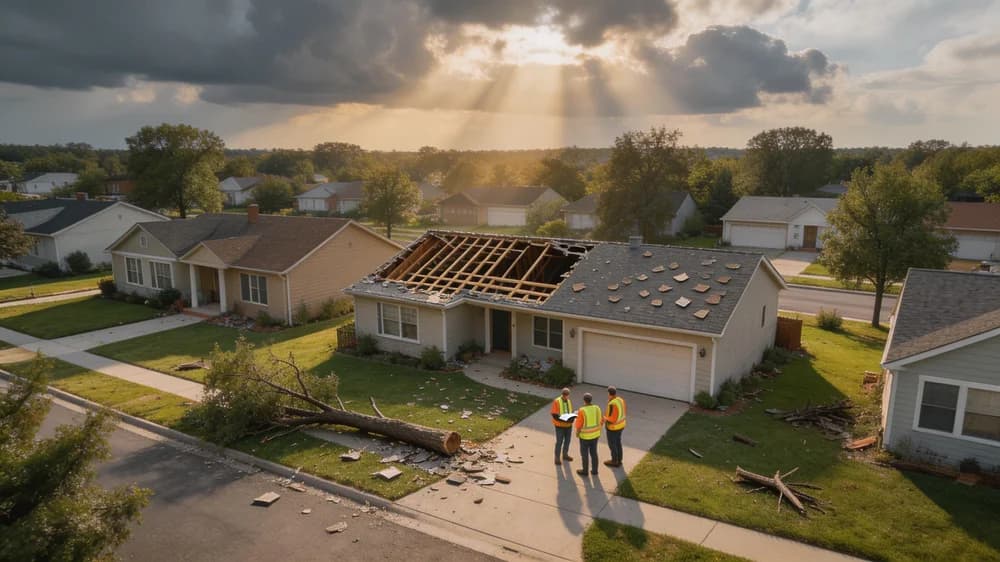
Learn what to do in the first 24 hours after tornado damage. Advanced DRI's expert guide covers safety, documentation, and restoration steps for NY, NJ, PA & CT
Tornado Damage Assessment: What to Do in the First 24 Hours
When a tornado tears through your neighborhood in the Northeast, the aftermath can feel overwhelming. Splintered roofing, shattered windows, uprooted trees, and waterlogged interiors demand immediate attention, but knowing where to start is half the battle. At Advanced DRI, we have responded to tornado and severe storm events across New York, New Jersey, Pennsylvania, and Connecticut, and we know that what you do in the first 24 hours can make the difference between a manageable recovery and months of compounding damage.
Step 1: Ensure Personal Safety Before Entering the Property
Your safety comes first. Before stepping back onto your property, keep these precautions in mind:
- Wait for official clearance. Local authorities will advise when it is safe to return to your area. Downed power lines, gas leaks, and structurally compromised buildings present life-threatening hazards.
- Wear protective gear. Sturdy boots, long sleeves, gloves, and eye protection are essential when navigating debris fields.
- Watch for secondary hazards. Floodwater contamination, exposed nails, broken glass, and weakened floors can cause injuries long after the storm has passed.
- Check for gas leaks. If you smell gas or hear hissing, leave the area immediately and contact your utility provider.
If there is any doubt about structural integrity, do not enter the building. Contact Advanced DRI for an emergency structural assessment before re-entering.
Step 2: Contact Your Insurance Company
Call your homeowner's or commercial property insurance provider as soon as possible. Early notification sets the claims process in motion and establishes a timeline for documentation. When you call:
- Have your policy number ready.
- Provide a general description of the damage you can see from the exterior.
- Ask about coverage for temporary living expenses if your home is uninhabitable.
- Request information on preferred or approved restoration vendors. Many insurers work directly with professional restoration companies like Advanced DRI.
Step 3: Document Everything Thoroughly
Documentation is the foundation of a successful insurance claim. In the first 24 hours, focus on capturing as much evidence as possible:
- Photograph and video all visible damage from multiple angles, including the exterior, interior, roof, foundation, and landscaping.
- Document damaged personal property. Photograph individual items, and begin creating an inventory list with estimated values.
- Save receipts for any emergency expenses, including hotel stays, meals, and temporary repairs.
- Note the date and time of the storm event and when you discovered specific damage.
Our team at Advanced DRI also provides thorough documentation during our initial assessment, which can supplement your insurance claim with professional-grade reports.
Step 4: Secure the Property to Prevent Further Damage
Once it is safe to approach, your immediate priority is preventing secondary damage. Wind-blown rain, pests, and opportunistic trespassers can worsen your situation by the hour.
- Tarp exposed roofing. Even a temporary tarp over a damaged roof section can prevent thousands of dollars in water damage.
- Board up broken windows and doors. Our board-up services provide rapid property securing to keep weather and intruders out.
- Remove standing water. If the tornado brought rain or caused pipe damage, standing water accelerates mold growth. Our water damage restoration team can begin extraction and drying immediately.
- Shut off utilities if there is any sign of damage to electrical, gas, or plumbing systems.
Step 5: Call a Professional Restoration Company
Tornado damage rarely involves a single issue. Structural damage, water intrusion, debris removal, and potential mold growth often overlap. A professional disaster restoration company like Advanced DRI brings the equipment, experience, and manpower to address all of these challenges simultaneously.
When you contact Advanced DRI, our emergency response team will:
- Arrive on-site within hours across our NY, NJ, PA, and CT service area.
- Conduct a comprehensive damage assessment using moisture meters, thermal imaging, and structural evaluation protocols.
- Develop a detailed scope of work and restoration plan.
- Coordinate directly with your insurance adjuster to streamline the claims process.
- Begin emergency mitigation, including tree removal, water extraction, and structural stabilization.
Step 6: Prioritize Hazardous Material Concerns
Tornadoes can expose or release hazardous materials within your property. Older homes in the Northeast may contain asbestos in insulation, floor tiles, or siding that becomes airborne when disturbed. Floodwater from a tornado event may also carry sewage, chemicals, or biological contaminants.
Do not attempt to clean up potentially hazardous materials yourself. Advanced DRI's trained technicians follow EPA and OSHA protocols for safe handling, removal, and disposal of contaminated materials.
Step 7: Plan for Temporary Displacement
If your property is uninhabitable, take these steps within the first 24 hours:
- Secure temporary housing through your insurance provider's additional living expense coverage.
- Retrieve essential medications, documents, and valuables if it is safe to do so.
- Notify your employer, children's schools, and utility companies of your temporary relocation.
- Keep a detailed log of all displacement-related expenses.
Common Mistakes to Avoid After Tornado Damage
In the chaos following a tornado, well-meaning property owners often make errors that complicate recovery:
- Throwing away damaged items before documenting them. Your insurance adjuster needs to see or verify damaged property.
- Hiring unlicensed contractors. Storm-chasing contractors often appear after major weather events offering cheap repairs. Always verify licensing, insurance, and references.
- Delaying water extraction. Mold can begin growing within 24 to 48 hours of water exposure. Prompt water damage restoration is essential.
- Ignoring hidden damage. Tornado damage often extends beyond what is visible. Moisture behind walls, compromised roofing underlayment, and shifted foundations require professional inspection.
Why Northeast Properties Face Unique Tornado Challenges
While the Northeast is not part of the traditional tornado belt, our region experiences an increasing number of tornado and microburst events. Older construction methods, dense tree cover, and aging infrastructure make properties in New York, New Jersey, Pennsylvania, and Connecticut particularly vulnerable to wind damage and the cascading water damage that follows.
Advanced DRI understands the specific building codes, materials, and environmental conditions of the Northeast. Our storm damage restoration services are tailored to the realities of this region, from historic brownstones to modern commercial complexes.
Take Action Now
If a tornado has damaged your property, do not wait. Every hour of delay increases the risk of secondary damage and complicates your restoration. Contact Advanced DRI for immediate emergency response across New York, New Jersey, Pennsylvania, and Connecticut. Our team is available 24/7 to help you through every phase of recovery.
Frequently Asked Questions
How quickly should I contact a restoration company after tornado damage?
You should contact a professional restoration company like Advanced DRI as soon as it is safe to do so, ideally within the first few hours. Rapid response prevents secondary damage from water intrusion, mold growth, and structural deterioration. Our emergency teams are available 24/7 and can typically arrive on-site within hours.
Will my homeowner's insurance cover tornado damage?
Most standard homeowner's insurance policies cover wind and tornado damage, including structural repairs, personal property replacement, and additional living expenses if you are displaced. However, flood damage caused by storm surge or heavy rainfall may require a separate flood insurance policy. Contact your insurer immediately and let Advanced DRI help coordinate the claims process.
Can I start cleaning up before the insurance adjuster arrives?
You can and should take steps to prevent further damage, such as tarping roofs and removing standing water. However, document everything thoroughly with photos and videos before making any changes. Do not dispose of damaged items until your adjuster has reviewed them or given you written approval to do so.
How long does tornado damage restoration typically take?
The timeline depends on the severity of the damage. Minor roof and window repairs may take a few weeks, while extensive structural damage requiring full reconstruction can take several months. Advanced DRI provides a detailed timeline during our initial assessment and keeps you updated throughout the restoration process.
Categories
Need Restoration Services?
Our team is available 24/7 for emergency response. Call us today for a free phone consultation.

Questions About Restoration?
Our experts are ready to help. Contact us for a free consultation.