
Elsa Boyer is a Regional Operations Manager for Advanced Disaster Recovery, based in Harrisburg, Pennsylvania, overseeing commercial and healthcare restoration projects. She holds a Bachelor of Arts from Valparaiso University and a deep certification portfolio, including ICRA Certified Healthcare Remediator Supervisor and multiple IICRC designations across commercial drying, structural drying, water, and fire & smoke restoration.

Discover how nor'easters cause hidden property damage across the Northeast. Advanced DRI reveals wind, water, and ice damage patterns homeowners miss.
How Nor'easters Cause Hidden Property Damage
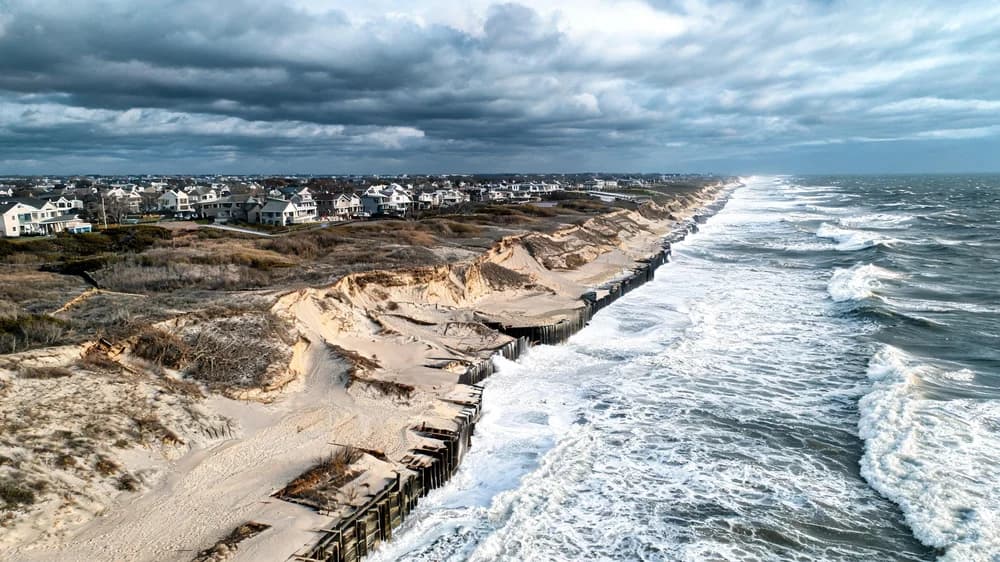
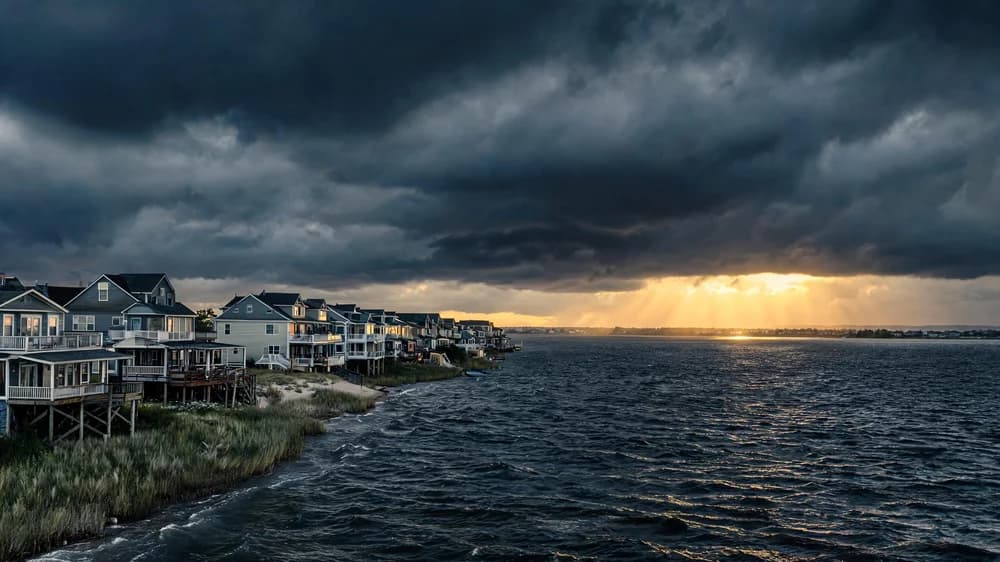
Nor'easters are among the most powerful and destructive weather systems that affect the Northeastern United States. These cyclonic storms, which rotate counterclockwise along the Atlantic coast, can deliver sustained winds exceeding 60 mph, dump over a foot of snow or several inches of rain, and produce coastal storm surge that rivals weaker hurricanes. At Advanced DRI, we respond to the aftermath of multiple nor'easters every season, and the pattern we see most often is damage that homeowners do not realize they have until it becomes a much larger, more expensive problem.
According to NOAA, the Northeast averages 20 to 40 nor'easters per year, with the most impactful events occurring between October and April. While the dramatic effects of these storms, such as downed trees, power outages, and visible flooding, receive immediate attention, it is the hidden damage that costs property owners the most over time.
The Anatomy of a Nor'easter's Damage Path
A nor'easter does not damage your property in one way. It attacks from multiple angles simultaneously, and understanding this is critical to finding the damage before it compounds.
Wind Damage: Sustained northeast winds of 40-70 mph create uplift forces on roofing materials. Shingles can be loosened, lifted, or torn away without visible evidence from ground level. Flashing around chimneys, vents, and skylights gets peeled back, creating entry points for water. Soffit panels and fascia boards absorb wind-driven rain and begin deteriorating internally.
Wind-Driven Rain: Unlike vertical rainfall, nor'easter precipitation travels nearly horizontally. This forces water into joints, seams, and gaps that are designed to shed downward-falling rain but cannot resist lateral water intrusion. Window frames, door casings, and wall penetrations for HVAC lines, electrical conduits, and hose bibs are common entry points.
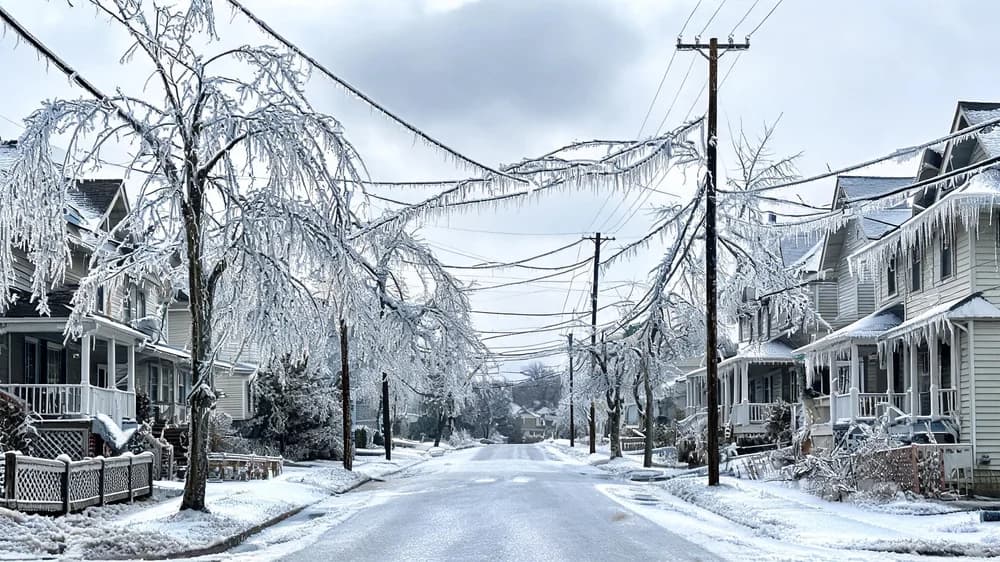
Ice and Snow Loading: Heavy wet snow from nor'easters weighs 15-25 pounds per cubic foot, significantly more than typical dry powder snow at 3-5 pounds per cubic foot. This weight stresses roof structures, ice dams form at eaves, and freeze-thaw cycles drive water under shingles and into wall cavities.
Hidden Damage Patterns by Building Component
| Building Component | Hidden Damage Type | Detection Difficulty | Avg. Time to Discovery | Estimated Repair Cost |
|---|---|---|---|---|
| Roof shingles (wind lift) | Broken seal strips, nail pops | High | 1-6 months | $2,000 - $12,000 |
| Roof flashing | Peeled, lifted, or cracked sealant | High | 2-8 months | $500 - $3,000 |
| Attic insulation | Water saturation, compression | Moderate | 1-3 months | $1,500 - $5,000 |
| Wall cavities | Moisture intrusion, mold growth | Very High | 3-12 months | $3,000 - $20,000 |
| Window and door seals | Gasket failure, frame warping | Moderate | 1-4 months | $300 - $2,500 per unit |
| Foundation walls | Hydrostatic pressure cracking | High | 2-6 months | $2,000 - $15,000 |
| Siding and trim | Water behind cladding, rot initiation | High | 3-12 months | $1,000 - $8,000 |
Source: Advanced DRI field data from 2020-2025 nor'easter response operations across NY, NJ, PA, CT
The Most Dangerous Hidden Damage: Wind-Driven Rain Intrusion
Of all the hidden damage patterns we encounter after nor'easters, wind-driven rain intrusion into wall cavities is the most destructive and the hardest to detect. Here is how it works.
During a nor'easter, rain driven by 40-60 mph northeast winds strikes the windward face of your building at a steep angle. This water penetrates tiny gaps in siding, around window and door trim, through weep holes in brick veneer, and along any joint where dissimilar materials meet. The water enters the wall cavity, soaks into insulation and sheathing, and becomes trapped.
From the interior, there may be no visible sign of a problem. The drywall may appear perfectly dry. But behind it, moisture levels in the wall cavity are elevated enough to support mold growth, which can begin colonizing within 48-72 hours at relative humidity levels above 60%. By the time a homeowner notices a musty smell, discoloration, or peeling paint, the mold colony may have spread across an entire wall section.
Our mold remediation team encounters this exact scenario multiple times every spring, always tracing back to a nor'easter that occurred weeks or months earlier. The remediation cost is invariably higher than it would have been if the water intrusion had been identified and addressed promptly.
How We Find What You Cannot See
At Advanced DRI, our post-storm inspection process uses technology specifically designed to detect hidden moisture and damage:
- Infrared thermal imaging identifies temperature differentials in walls, ceilings, and floors that indicate trapped moisture invisible to the eye.
- Pin and pinless moisture meters measure moisture content in building materials to determine whether levels are within safe parameters or indicate active water intrusion.
- Hygrometers measure relative humidity in enclosed spaces like wall cavities, attics, and crawl spaces where conditions may support mold growth.
- Drone-assisted roof inspections provide high-resolution imagery of roofing materials, flashing, and penetrations without the risk and cost of ladder-based manual inspection.
Seasonal Nor'easter Risk Timeline
Not all nor'easters are equal. The type of damage they cause varies by season:
October - November: Early-season nor'easters primarily bring heavy rain and strong winds. Leaf-clogged gutters and downspouts exacerbate water damage. Trees still holding leaves act as sails and are more likely to fall.
December - February: Winter nor'easters deliver heavy snow and ice. Ice dams, roof loading, and freeze-thaw damage dominate. Pipe freezing risk spikes when wind chill drops temperatures well below what air temperature alone would produce.
March - April: Late-season nor'easters often produce mixed precipitation: rain at the coast, snow inland, with an ice line in between. These events are especially damaging because freeze-thaw cycling is aggressive, and saturated ground increases the risk of foundation flooding and tree blow-downs in softened soil.
What to Do After a Nor'easter
Once the storm passes and conditions are safe, take these steps:
- Walk the perimeter of your property and look for fallen branches, displaced siding, torn soffit panels, and any debris impact damage.
- Check your attic with a flashlight for any signs of water entry: stains on sheathing, wet insulation, or daylight visible through the roof deck.
- Monitor interior walls and ceilings on the windward side of your home for 2-4 weeks after the storm. New stains, bubbling paint, or musty odors indicate hidden water intrusion.
- Document everything with photos, including the date and the storm event. This documentation is essential for insurance claims if damage develops later.
- Schedule a professional inspection if you notice anything suspicious or if the storm produced winds above 45 mph or heavy wet snow accumulation above 8 inches.
Frequently Asked Questions
How long after a nor'easter can hidden damage appear?
Hidden damage from a nor'easter can take anywhere from a few weeks to over a year to become visible. Wind-driven rain intrusion into wall cavities may not produce visible mold or staining for 3-12 months. Roof damage from lifted shingles may not cause a visible leak until a subsequent rainstorm exploits the compromised area. This is why we recommend proactive post-storm inspections rather than waiting for symptoms to appear.
Will my homeowners insurance cover nor'easter damage discovered months later?
Most homeowners policies cover wind and rain damage from named weather events, but timely reporting is critical. Insurance companies may deny claims if they determine that damage worsened due to the homeowner's failure to mitigate or report in a reasonable timeframe. We advise filing a claim as soon as you discover damage and referencing the specific storm date. Advanced DRI provides detailed damage documentation that supports the claims process.
How is nor'easter damage different from hurricane damage?
Nor'easters typically produce lower peak wind speeds than major hurricanes but last significantly longer, often 24-48 hours compared to a hurricane's 6-12 hour impact window. This extended duration means more total wind-driven rain exposure, more ice accumulation, and more sustained stress on building components. Additionally, nor'easters occur during colder months when freeze-thaw damage compounds water intrusion issues. Our storm damage team approaches nor'easter restoration differently than hurricane restoration because the damage mechanics are fundamentally different.
Let Us Find the Damage Before It Finds You
Hidden damage from nor'easters does not fix itself. It worsens with time, with every subsequent rain event, and with every temperature cycle. At Advanced DRI, we have the technology, training, and regional experience to identify storm damage that visual inspection alone will miss.
After the next nor'easter, do not assume your property is fine just because it looks fine. Contact Advanced DRI for a thorough post-storm property assessment. Our team responds across New York, New Jersey, Pennsylvania, and Connecticut, and we are available 24/7 for emergency water damage and storm damage restoration.
Categories
Need Restoration Services?
Our team is available 24/7 for emergency response. Call us today for a free phone consultation.
Questions About Restoration?
Our experts are ready to help. Contact us for a free consultation.