Smoke Damage Repair in HVAC Systems: Protecting Indoor Air Quality
Rob Temples manages emergency restoration operations for Advanced DRI's Fairfield, NJ and New York City service areas. With 10 years in the restoration industry and prior experience working for a general contractor, he integrates construction knowledge with mitigation expertise on every project and holds an IICRC Water Restoration Technician (WRT) certification.

Expert smoke damage repair in HVAC systems protects indoor air quality. Learn professional cleaning techniques and health risks of contaminated ductwork.
Understanding Smoke Damage Repair in HVAC Systems
Smoke damage repair in HVAC systems presents unique challenges that affect entire buildings long after fires are extinguished. During a fire, HVAC systems often continue operating, pulling smoke and soot throughout the ductwork and distributing contamination to every room. This widespread distribution makes smoke damage repair in HVAC systems essential for complete property restoration, as neglected ductwork becomes a continuous source of recontamination, spreading particles and odors indefinitely. The complexity of smoke damage repair in HVAC systems stems from the intricate network of components involved. Supply ducts, return air pathways, air handlers, furnaces, coils, and filters all require different cleaning approaches. Additionally, smoke residues create acidic compounds that corrode metal surfaces, damage insulation, and foster microbial growth when combined with moisture, making immediate professional attention crucial.How Smoke Infiltrates HVAC Systems
Understanding contamination patterns helps explain why smoke damage repair in HVAC systems is so critical:- Active System Draw: Running systems pull smoke directly into ductwork
- Pressure Differentials: Fire-induced pressure changes force smoke into ducts
- Natural Convection: Hot smoke rises into ceiling returns and vents
- Magnetic Attraction: Charged particles bond to metal duct surfaces
- Condensation Points: Moisture causes particles to adhere permanently
- Filter Breakthrough: Standard filters cannot capture microscopic smoke particles
Health Risks from Contaminated HVAC Systems
Immediate Health Impacts
Without proper smoke damage repair in HVAC systems, occupants face serious health risks: Respiratory Irritation: Continuous exposure to airborne particles causing coughing and breathing difficulties Allergic Reactions: Smoke residues triggering asthma and allergy symptoms Eye and Skin Irritation: Chemical compounds causing burning sensations Headaches and Fatigue: Poor air quality leading to chronic symptoms Cardiovascular Stress: Fine particles affecting heart and circulation Professional smoke damage repair in HVAC systems eliminates these health hazards at their source.Long-term Health Consequences
Delayed smoke damage repair in HVAC systems creates lasting health problems:- Chronic respiratory conditions from prolonged particle exposure
- Increased cancer risk from carcinogenic compounds
- Immune system compromise from continuous toxin exposure
- Neurological effects from heavy metal contamination
- Developmental issues in children exposed to smoke residues
Components Requiring Smoke Damage Repair in HVAC Systems
Ductwork Contamination
The primary focus of smoke damage repair in HVAC systems involves extensive ductwork cleaning: Supply Ducts: Distributing cleaned air throughout the building Return Ducts: Pulling air back to the system for conditioning Branch Lines: Smaller ducts serving individual rooms Flexible Ducts: Corrugated surfaces trapping more particles Duct Joints: Connections where smoke residues accumulate Each duct type requires specific smoke damage repair in HVAC systems techniques for complete cleaning.Equipment Components
Smoke damage repair in HVAC systems must address all mechanical components:- Air handlers containing blower motors and controls
- Furnace heat exchangers coated with corrosive residues
- Evaporator and condenser coils restricting airflow
- Blower wheels imbalanced by particle accumulation
- Control boards and sensors affected by smoke contamination
- Thermostats requiring cleaning or replacement
Professional Assessment for Smoke Damage Repair in HVAC Systems
Inspection Techniques
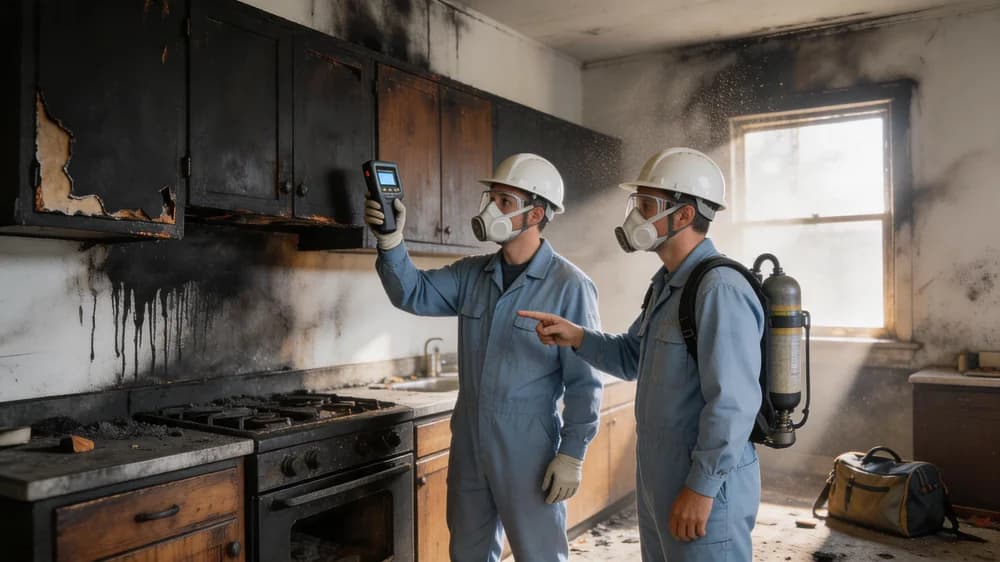
Thorough evaluation precedes smoke damage repair in HVAC systems:- Video camera inspection revealing hidden contamination
- Particle sampling measuring contamination levels
- Air quality testing establishing baseline conditions
- System performance testing identifying restrictions
- Component functionality assessment
- Insulation damage evaluation
Documentation Requirements
Proper documentation supports smoke damage repair in HVAC systems insurance claims: Pre-cleaning Photos: Visual evidence of contamination extent Contamination Mapping: Identifying affected system areas Test Results: Laboratory analysis of residue samples Equipment Condition: Component damage assessments Repair Recommendations: Detailed scope of necessary work Thorough documentation ensures insurance coverage for smoke damage repair in HVAC systems.Cleaning Methods for Smoke Damage Repair in HVAC Systems
Negative Air Pressure Cleaning
The primary method for smoke damage repair in HVAC systems uses powerful vacuum systems:- High-powered vacuum trucks creating strong negative pressure
- Agitation devices loosening stubborn deposits
- HEPA filtration capturing removed particles
- Simultaneous cleaning preventing recontamination
- Access port installation for thorough cleaning
- Complete system coverage ensuring no missed areas
Chemical Treatment Applications
Smoke damage repair in HVAC systems often requires specialized chemicals: Degreasing Agents: Breaking down oily smoke residues Antimicrobial Treatments: Preventing mold and bacteria growth Deodorizing Solutions: Neutralizing embedded odors Sealants: Encapsulating remaining traces Corrosion Inhibitors: Protecting metal surfaces Professional chemical application during smoke damage repair in HVAC systems ensures complete decontamination.Advanced Technologies in Smoke Damage Repair for HVAC Systems
Robotic Duct Cleaning Systems
Modern smoke damage repair in HVAC systems employs robotic technology:- Remote-controlled robots navigating complex ductwork
- Rotating brushes removing stubborn deposits
- Built-in cameras documenting cleaning progress
- Precise control in tight spaces
- Reduced labor costs and time
Ultrasonic Cleaning for Components
Delicate parts benefit from ultrasonic smoke damage repair in HVAC systems: Process Benefits: Non-destructive cleaning of sensitive components Applications: Control boards, sensors, and small parts Effectiveness: Removes contamination from microscopic crevices Speed: Faster than manual cleaning methods Results: Often restores components considered unsalvageable Ultrasonic technology saves valuable components during smoke damage repair in HVAC systems.Duct Sealing and Repair During Restoration
Addressing Damage Beyond Contamination
Smoke damage repair in HVAC systems often reveals additional problems:- Heat-warped duct sections requiring replacement
- Damaged insulation needing removal and replacement
- Compromised duct connections causing air leaks
- Corroded metal requiring treatment or replacement
- Melted flexible ducts needing complete replacement
Improving System Efficiency
Smoke damage repair in HVAC systems provides efficiency upgrade opportunities: Duct Sealing: Eliminating air leaks improving performance Insulation Upgrades: Better thermal protection reducing energy costs Damper Adjustments: Optimizing airflow distribution Filter Upgrades: Installing superior filtration systems Zoning Improvements: Better temperature control throughout building Strategic improvements during smoke damage repair in HVAC systems enhance long-term performance.Filter Systems and Air Quality Management
Post-Cleaning Filtration Strategies
Effective smoke damage repair in HVAC systems includes enhanced filtration:- HEPA filters capturing remaining microscopic particles
- Activated carbon filters absorbing odor molecules
- UV light systems killing biological contaminants
- Electronic air cleaners providing ongoing purification
- Regular filter replacement schedules maintaining effectiveness
Monitoring and Maintenance
Ongoing vigilance follows smoke damage repair in HVAC systems: Air Quality Testing: Regular monitoring ensuring safety Filter Inspections: Checking for recontamination signs System Performance: Verifying proper operation Odor Monitoring: Detecting any returning smells Professional Maintenance: Scheduled cleaning preventing problems Continued monitoring after smoke damage repair in HVAC systems protects investment and health.Cost Factors in Smoke Damage Repair for HVAC Systems
Variables Affecting Pricing
Several factors influence smoke damage repair in HVAC systems costs:- System size and complexity determining labor needs
- Contamination severity affecting cleaning time
- Accessibility challenges in tight spaces
- Equipment replacement requirements
- Additional repairs beyond cleaning
- Geographic location and local labor rates
Insurance Coverage Considerations
Most policies cover smoke damage repair in HVAC systems: Covered Services: Cleaning, repairs, and necessary replacements Documentation Needs: Professional assessments and photos Claim Coordination: Working with adjusters for approval Supplemental Claims: Additional coverage for discovered damage Depreciation Recovery: Reclaiming withheld funds after completion Professional contractors help maximize insurance coverage for smoke damage repair in HVAC systems. Our comprehensive fire and smoke restoration services in New York include complete HVAC system restoration.Timeline for Smoke Damage Repair in HVAC Systems
Typical Project Duration
Smoke damage repair in HVAC systems follows predictable timelines:- Initial assessment: 2-4 hours for residential systems
- Insurance approval: 1-3 days typically
- Cleaning process: 1-3 days depending on size
- Component repairs: Additional 1-2 days if needed
- Testing and verification: 2-4 hours final inspection
- Total timeline: 3-7 days for complete restoration
Factors Affecting Timeline
Various elements impact smoke damage repair in HVAC systems duration: System Complexity: Commercial systems requiring more time Contamination Level: Heavier deposits needing multiple cleanings Access Issues: Difficult locations slowing progress Parts Availability: Replacement component lead times Coordination Needs: Working around occupancy schedules Professional planning minimizes smoke damage repair in HVAC systems timeline impacts.Preventing Future Contamination
System Modifications
Smoke damage repair in HVAC systems includes prevention improvements:- Installing fire dampers preventing smoke spread
- Upgrading to sealed combustion equipment
- Adding smoke detectors triggering system shutdown
- Implementing better filtration systems
- Creating maintenance access points
Emergency Response Planning
Preparing for future incidents after smoke damage repair in HVAC systems: Shutdown Procedures: Quick system isolation preventing contamination Contact Information: Ready access to restoration professionals Documentation: Current system maps and specifications Maintenance Records: Tracking cleaning and service history Insurance Review: Ensuring adequate coverage Planning protects your investment in smoke damage repair in HVAC systems.Commercial vs. Residential Considerations
Commercial System Complexities
Commercial smoke damage repair in HVAC systems involves additional challenges:- Multiple air handling units requiring coordination
- Extensive ductwork networks throughout large buildings
- Specialized systems like clean rooms or laboratories
- Minimal disruption requirements during business hours
- Regulatory compliance for various industries
- Larger equipment requiring specialized cleaning methods
Residential System Priorities
Home smoke damage repair in HVAC systems focuses on family health: Living Space Priority: Bedrooms and common areas first Pet Considerations: Safe cleaning products and methods Minimal Displacement: Working around family schedules Cost Sensitivity: Maximizing insurance coverage Long-term Health: Ensuring complete contamination removal Residential smoke damage repair in HVAC systems prioritizes family safety and comfort.Quality Assurance and Testing
Verification Methods
Confirming successful smoke damage repair in HVAC systems:- Post-cleaning video inspection documenting cleanliness
- Air quality testing measuring particle levels
- Surface sampling testing for residue presence
- Airflow measurements confirming proper operation
- Odor evaluation by independent parties
- System performance testing verifying efficiency
Certification and Documentation
Professional smoke damage repair in HVAC systems includes certification: Cleaning Certificates: Documenting work completion Test Results: Laboratory reports confirming safety Warranty Documentation: Guaranteeing work quality Before/After Photos: Visual proof of improvement Maintenance Recommendations: Ongoing care instructions Proper documentation after smoke damage repair in HVAC systems provides peace of mind.Integration with Overall Restoration
Coordinating with Other Restoration Work
Smoke damage repair in HVAC systems must align with overall restoration:- Scheduling after structural repairs prevent recontamination
- Coordinating with electrical work on system components
- Timing with interior cleaning avoiding cross-contamination
- Planning around occupancy for minimal disruption
- Integrating with air quality improvement measures
Take Action: Professional Smoke Damage Repair in HVAC Systems
Your HVAC system's contamination threatens your family's health every time it operates. Professional smoke damage repair in HVAC systems from Advanced Disaster Recovery Inc. eliminates hidden dangers, restores healthy air quality, and prevents long-term health problems. Our certified technicians use advanced equipment and proven techniques to thoroughly clean and restore your entire HVAC system. Don't let contaminated ductwork continue spreading toxins through your home or business. Contact us immediately for comprehensive smoke damage repair in HVAC systems that protects what matters most - your health and comfort. We handle everything from assessment through verification, ensuring your system is truly clean and safe.Expert Smoke Damage Repair in HVAC Systems
Restore Healthy Indoor Air Quality Today
✓ Complete ductwork cleaning and decontamination
✓ Equipment restoration and component cleaning
✓ Air quality testing and verification
✓ Insurance coordination and documentation
✓ Guaranteed odor elimination
Categories
Need Restoration Services?
Our team is available 24/7 for emergency response. Call us today for a free phone consultation.
Questions About Restoration?
Our experts are ready to help. Contact us for a free consultation.