Post-Hurricane Property Inspection: A Complete Checklist
Angelo Ferrante is the founder of Hudson Valley DKI, now part of the Advanced Disaster Recovery family. With 30 years of construction experience and an IICRC Water certification, he brings extensive hands-on building and reconstruction knowledge to restoration projects across the Hudson Valley.
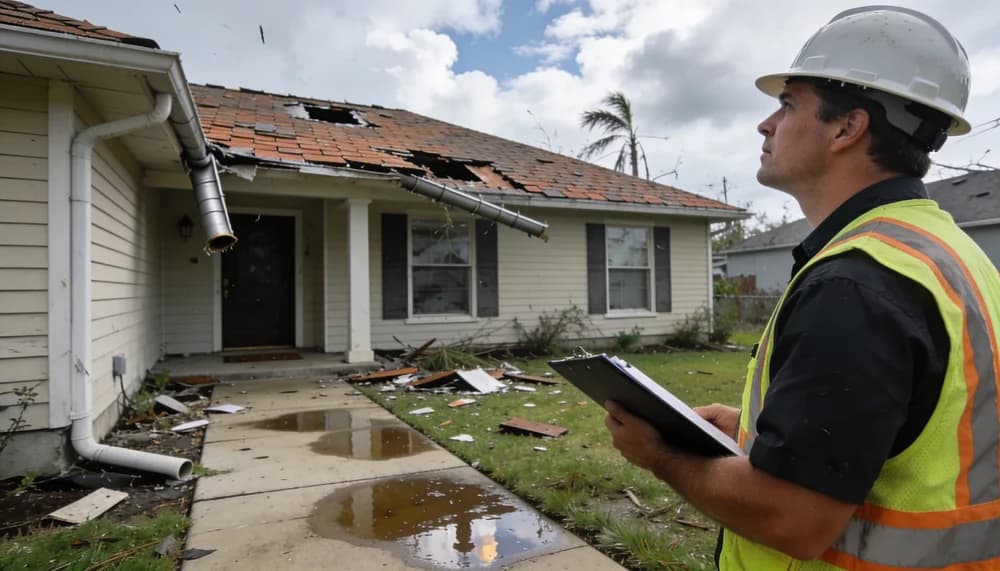
Use this complete post-hurricane property inspection checklist from Advanced DRI. Covers roof, foundation, electrical, water damage and more for NY, NJ, PA & CT
Post-Hurricane Property Inspection: A Complete Checklist
When a hurricane or tropical storm impacts the Northeast, the damage can range from minor cosmetic issues to catastrophic structural failure. What makes hurricane damage particularly challenging is its compound nature: wind, rain, flooding, and debris often combine to create overlapping damage that requires a systematic inspection to fully identify. At Advanced DRI, we have helped property owners across New York, New Jersey, Pennsylvania, and Connecticut navigate the aftermath of major storm events, and we know that a thorough inspection is the foundation of a successful recovery.
Use this checklist to guide your post-hurricane assessment, and contact Advanced DRI when you need professional evaluation and restoration services.
Before You Inspect: Safety First
Do not begin your inspection until local authorities have confirmed it is safe to return to your area. Once cleared, observe these safety precautions:
- Assume all downed power lines are live and maintain at least 35 feet of distance.
- Wear protective footwear, gloves, long pants, and eye protection.
- Do not enter any structure that appears to have shifted, leaned, or sustained major structural damage.
- If you smell natural gas, leave immediately and call your utility company from a safe distance.
- Use flashlights instead of candles or open flames when inspecting dark areas.
- Be alert for displaced wildlife, including snakes, rodents, and insects driven into structures by floodwater.
Exterior Inspection Checklist
Roof Assessment
- Missing, cracked, curled, or displaced shingles or tiles
- Exposed roof deck or underlayment
- Damaged or displaced flashing around chimneys, vents, and skylights
- Sagging or deformed roof sections indicating structural damage
- Debris accumulation including tree limbs on the roof surface
- Damaged ridge caps and hip shingles
Siding and Exterior Walls
- Missing, cracked, or punctured siding panels
- Gaps or separations between siding and trim
- Impact marks from wind-driven debris
- Water staining patterns indicating wind-driven rain infiltration
- Shifted or displaced brick veneer or stone facing
Windows and Doors
- Cracked, shattered, or missing window glass
- Damaged or deformed window frames and sashes
- Compromised weatherstripping and seals
- Door frames that are warped, shifted, or no longer close properly
- Damaged garage doors or tracks
Foundation and Grading
- New cracks in foundation walls, especially horizontal or stair-step patterns
- Erosion or washout around the foundation perimeter
- Standing water or saturated soil against foundation walls
- Shifted or displaced foundation elements
- Damage to basement window wells or egress covers
Gutters and Drainage
- Detached or sagging gutters and downspouts
- Blocked or crushed downspout extensions
- Damaged splash blocks or drainage systems
- Debris-clogged gutter troughs
Landscaping and Site
- Fallen or damaged trees near structures and utility lines
- Uprooted trees with compromised root balls near foundations
- Damaged fencing, retaining walls, and hardscaping
- Standing water indicating drainage failures
- Debris fields requiring professional cleanup
If you identify fallen trees or large limbs threatening your structure, Advanced DRI's tree removal services can safely clear hazards before they cause additional damage.
Interior Inspection Checklist
Water Intrusion Assessment
- Water stains on ceilings, walls, and around window and door frames
- Damp or wet carpet, flooring, or subflooring
- Pooling or standing water in any room, crawl space, or basement
- Musty odors indicating hidden moisture or early mold growth
- Swollen or warped wood trim, doors, and cabinetry
- Peeling paint or wallpaper from moisture exposure
Water intrusion is the most time-sensitive issue after a hurricane. The sooner extraction and drying begin, the less likely you are to face mold problems. Our water damage restoration teams respond around the clock to begin mitigation immediately.
Structural Integrity
- Cracks in interior walls, especially near door and window frames
- Doors and windows that stick, jam, or no longer align in their frames
- Visible sagging or deflection in ceilings or floors
- Cracks in plaster or separation at wall-ceiling junctions
- Unusual creaking or shifting noises in the structure
Electrical Systems
- Tripped breakers that will not reset
- Outlets or switches that feel warm, spark, or emit a burning smell
- Water exposure to electrical panels, outlets, or junction boxes
- Damaged exterior electrical service entrance or meter base
- Non-functioning lighting, appliances, or circuits
Warning: Do not operate any electrical system that has been exposed to floodwater until a licensed electrician has inspected and cleared it. Energizing a water-damaged electrical system can cause electrocution or fire.
Plumbing Systems
- Broken or disconnected supply and drain lines
- Water heater damage or displacement
- Sewage backup indicators, including odor and discolored water at drains
- Well water contamination if you are on a private well system
HVAC Systems
- Exterior condenser unit damage from debris or flooding
- Water in ductwork or air handler unit
- Damaged refrigerant lines or electrical connections
- Contaminated or waterlogged air filters
Documentation Protocol
As you conduct your inspection, document every finding:
- Take photographs and video of each damaged area from multiple angles.
- Include wide shots for context and close-ups for detail.
- Photograph the exterior of the home from all four sides.
- Note the date and time of each observation.
- Create an itemized list of damaged personal property with estimated replacement values.
- Save all receipts for emergency repairs, temporary housing, and related expenses.
When to Call Advanced DRI
While a preliminary inspection helps you understand the scope of damage, many hurricane-related issues require professional assessment and equipment to properly identify. Advanced DRI's storm damage restoration teams bring thermal imaging cameras, commercial moisture meters, structural assessment expertise, and the manpower needed to address large-scale damage efficiently.
We recommend contacting us when:
- You discover any water intrusion requiring extraction and drying.
- Structural damage is suspected but difficult to evaluate safely.
- The property requires board-up services to secure openings.
- Trees or major debris need professional removal.
- You need assistance navigating the insurance claims process.
- Mold growth is present or suspected due to prolonged moisture exposure.
Contact Advanced DRI for 24/7 emergency storm damage response across New York, New Jersey, Pennsylvania, and Connecticut. We will help you move from inspection to restoration as quickly and thoroughly as possible.
Frequently Asked Questions
How soon after a hurricane should I inspect my property?
Inspect your property as soon as local authorities confirm it is safe to return and access your area. The sooner you identify damage, particularly water intrusion, the sooner mitigation can begin. Delaying even 24 to 48 hours can allow mold growth to begin and water damage to worsen significantly.
Should I make temporary repairs before the insurance adjuster visits?
Yes. Your insurance policy typically requires you to take reasonable steps to prevent further damage, such as tarping a damaged roof or extracting standing water. Document the damage with photos and video before making temporary repairs, and save all receipts. These emergency mitigation costs are generally reimbursable under your policy.
What if I find mold during my post-hurricane inspection?
Mold growth after a hurricane is extremely common, especially in areas with prolonged moisture exposure. Do not attempt to remove mold yourself, as improper handling can spread spores throughout the home. Contact Advanced DRI for professional mold assessment and remediation that follows industry safety protocols.
How long does post-hurricane restoration typically take?
Timelines vary significantly based on the extent of damage and the availability of materials and labor after a widespread storm event. Minor wind and water damage may be resolved in two to four weeks, while extensive structural damage requiring reconstruction can take several months. Advanced DRI provides realistic timelines during our initial assessment and keeps property owners informed throughout the process.
Categories
Need Restoration Services?
Our team is available 24/7 for emergency response. Call us today for a free phone consultation.

Questions About Restoration?
Our experts are ready to help. Contact us for a free consultation.