Rob Temples manages emergency restoration operations for Advanced DRI's Fairfield, NJ and New York City service areas. With 10 years in the restoration industry and prior experience working for a general contractor, he integrates construction knowledge with mitigation expertise on every project and holds an IICRC Water Restoration Technician (WRT) certification.
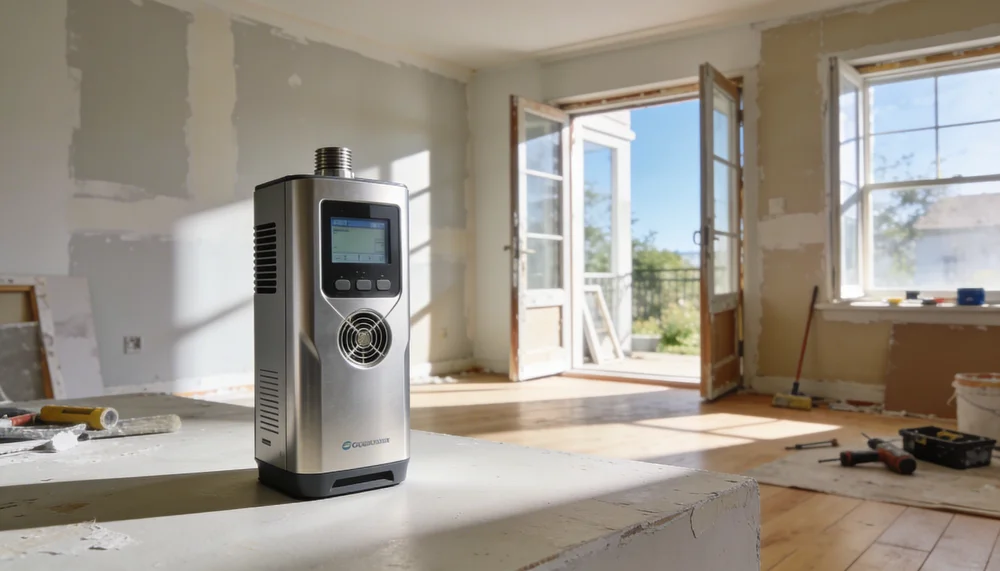
After a fire, when is it truly safe to return home? Advanced DRI explains post-fire air quality testing, health risks, and the benchmarks for safe re-occupancy.
The Invisible Dangers After a Fire
After the flames are out and the fire department has left, many homeowners feel an urgent desire to return to their property and begin assessing the damage. While this impulse is understandable, re-entering a fire-damaged home before air quality has been properly evaluated and addressed can expose you and your family to serious health hazards that are entirely invisible.
At Advanced DRI, we serve homeowners across New York, New Jersey, Pennsylvania, and Connecticut, and one of the most important services we provide is helping property owners understand when their home is truly safe to re-occupy after a fire. The answer is never as simple as waiting for the smoke to clear.
What Contaminants Remain After a Fire
Even after visible smoke has dissipated, a fire-damaged home contains a complex mixture of airborne contaminants:
Particulate Matter
Fire produces fine particulate matter, including particles smaller than 2.5 microns (PM2.5) that penetrate deep into the lungs and enter the bloodstream. These particles carry toxic compounds including polycyclic aromatic hydrocarbons (PAHs), heavy metals, and other combustion byproducts. They settle on surfaces and become airborne again when disturbed by foot traffic, cleaning, or air movement.
Volatile Organic Compounds (VOCs)
The combustion of building materials, furnishings, plastics, and synthetic fabrics releases a wide range of VOCs into the air. These chemical gases include formaldehyde, benzene, toluene, acrolein, and hydrogen cyanide. Many VOCs continue to off-gas from contaminated surfaces and materials for weeks or months after the fire, maintaining elevated indoor concentrations long after the fire is extinguished.
Carbon Monoxide
While carbon monoxide levels typically drop after active burning ceases, smoldering materials within walls, insulation, or furnishings can continue producing this odorless, lethal gas. CO monitoring is essential before and during initial re-entry.
Asbestos and Lead
In properties built before 1980, fire can disturb asbestos-containing materials in insulation, flooring, ceiling tiles, and pipe wrapping. Similarly, lead paint can be aerosolized by heat and flame. Both substances pose severe health risks when inhaled and require specialized testing and abatement before the home can be safely occupied.
Hydrogen Chloride and Other Acid Gases
The burning of PVC piping, vinyl siding, and other chlorine-containing materials produces hydrogen chloride gas, which is corrosive to respiratory tissues. Other acid gases from burning synthetics can irritate the eyes, skin, and respiratory system even at low concentrations.
Health Risks of Premature Re-Entry
The health consequences of breathing contaminated air in a fire-damaged home range from immediate symptoms to long-term health effects:
- Immediate symptoms: Coughing, wheezing, shortness of breath, headaches, dizziness, nausea, eye and throat irritation, and skin rashes.
- Short-term effects: Bronchitis, sinus infections, aggravation of asthma and allergies, and respiratory distress.
- Long-term risks: Prolonged exposure to fire-related carcinogens, particularly PAHs and certain VOCs, has been associated with increased cancer risk, chronic respiratory conditions, and cardiovascular problems.
Children, elderly individuals, pregnant women, and people with pre-existing respiratory or cardiovascular conditions are at significantly elevated risk and should not enter a fire-damaged property until professional air quality clearance has been obtained.
Professional Air Quality Testing
At Advanced DRI, we conduct comprehensive air quality testing as part of every fire damage restoration project. Our testing protocols include:
Particulate Monitoring
We use calibrated particle counters to measure PM2.5 and PM10 concentrations throughout the property. These readings are compared against EPA guidelines and occupational health standards to determine if particulate levels are within safe thresholds.
VOC Analysis
Air samples are collected and analyzed for specific VOCs using photoionization detectors for real-time screening and laboratory analysis for detailed chemical identification. We test for the specific compounds known to be produced by the types of materials that burned in your fire.
Carbon Monoxide Monitoring
Continuous CO monitoring ensures that no smoldering materials are producing this dangerous gas. We maintain monitoring throughout the initial restoration phase, not just during a single test.
Asbestos and Lead Sampling
For properties where age or construction materials indicate potential asbestos or lead contamination, we collect targeted samples for laboratory analysis before any disturbance or cleaning activities begin.
Clearance Testing
After restoration is complete, we conduct final clearance air quality testing to confirm that all contaminant levels have returned to safe benchmarks. This testing is documented and provided to homeowners as verification that their property meets re-occupancy standards.
When Is It Safe to Return?
There is no universal timeline for safe re-occupancy after a fire. The answer depends on several factors:
- The size and intensity of the fire
- The types of materials that burned
- The extent of smoke migration throughout the property
- Whether the HVAC system was running during or after the fire
- The effectiveness of ventilation and air cleaning measures
- The results of post-restoration air quality testing
As a general guideline, we advise homeowners not to return for extended occupancy until professional air quality testing confirms safe conditions. Brief supervised visits with proper respiratory protection may be arranged for essential purposes such as retrieving medications or important documents.
What Advanced DRI Does to Restore Air Quality
Restoring indoor air quality after a fire is not simply a matter of airing out the property. Our comprehensive approach includes:
- Source removal: Removing all fire-damaged materials that are releasing contaminants, including charred building materials, damaged furnishings, and contaminated insulation.
- HVAC cleaning: Thorough cleaning and decontamination of the entire HVAC system to prevent continued redistribution of smoke particles.
- Surface decontamination: Professional cleaning of all remaining surfaces using methods appropriate for the type of smoke residue present.
- Air scrubbing: HEPA-filtered air scrubbers run continuously during restoration to capture airborne particles and reduce overall contamination levels.
- Odor neutralization: Hydroxyl generators and thermal fogging neutralize VOCs and odor compounds without introducing additional chemicals into the indoor environment.
- Sealing and encapsulation: Application of specialized sealants to surfaces that may continue to off-gas after cleaning, preventing residual contamination from affecting air quality.
Protecting Your Family's Health
Your family's health is more important than a quick return home. If your property has experienced a fire, avoid the temptation to move back in before professional air quality testing confirms it is safe. The contaminants present in fire-damaged homes are largely invisible and odorless at dangerous concentrations, making personal judgment an unreliable gauge of safety.
Contact Advanced DRI for professional post-fire air quality assessment and restoration services. We will provide clear, documented verification of when your home is safe for your family to return.
Frequently Asked Questions
Can I rely on smell to determine if air quality is safe?
No. While a strong smoke odor indicates the presence of contaminants, the absence of odor does not mean the air is safe. Many dangerous fire-related contaminants, including carbon monoxide and certain VOCs, are odorless at harmful concentrations. Professional testing with calibrated instruments is the only reliable method for determining air quality safety.
How long does post-fire air quality restoration typically take?
The timeline varies significantly based on fire severity and property size. Small, contained fires may achieve safe air quality within a few days of professional restoration. Larger fires with extensive smoke damage can take two to four weeks of active remediation before clearance testing yields acceptable results. Advanced DRI provides estimated timelines during the initial assessment.
Is it safe to stay in an adjacent unit when one apartment has fire damage?
Not without verification. Smoke travels through shared walls, ductwork, plumbing penetrations, and common corridors. Adjacent units should have air quality testing performed before continued occupancy is confirmed. We frequently find elevated contaminant levels in units several doors away from the actual fire location.
What respiratory protection should I use if I must briefly enter my home?
For brief supervised visits, a properly fitted N95 respirator provides basic particulate protection. For more contaminated environments, a half-face respirator with combination organic vapor and P100 cartridges offers better protection against both particles and chemical gases. Advanced DRI provides guidance on appropriate protection levels based on air quality test results.
Categories
Need Restoration Services?
Our team is available 24/7 for emergency response. Call us today for a free phone consultation.
Questions About Restoration?
Our experts are ready to help. Contact us for a free consultation.