Mold & Hazardous Materials
Mold Remediation in Toms River: Timeline From Discovery to Clearance
December 16, 202511 min read
E
Elsa Boyer· Regional Operations Manager (Harrisburg, PA)
Elsa Boyer is a Regional Operations Manager for Advanced Disaster Recovery, based in Harrisburg, Pennsylvania, overseeing commercial and healthcare restoration projects. She holds a Bachelor of Arts from Valparaiso University and a deep certification portfolio, including ICRA Certified Healthcare Remediator Supervisor and multiple IICRC designations across commercial drying, structural drying, water, and fire & smoke restoration.
Certified Healthcare Remediator Supervisor (ICRA), IICRC Commercial Drying Specialist, IICRC Applied Structural Drying, IICRC Water Restoration Technician (WRT), IICRC Fire and Smoke Restoration Technician, Lead-Based Paint Renovator, Mold Remediation Technician (RIA), OSHA 10 CertifiedLinkedIn
Published December 16, 2025 · Updated May 27, 2026

Need mold removal in Toms River NJ? Learn how long remediation takes from discovery to clearance. Expert mold removal process explained step by step.
What Determines How Long Mold Remediation Takes
When homeowners ask how long does mold remediation take, the honest answer depends on several factors specific to each situation. A small bathroom mold problem might resolve in two to three days, while whole-house remediation following water damage could take two weeks or longer. Understanding what influences your timeline helps you plan accordingly. The size of the affected area plays the biggest role in determining project duration. Mold growth covering less than ten square feet typically qualifies as a minor infestation, while anything larger requires more extensive containment, removal, and verification procedures. Larger projects naturally demand more time for thorough mold removal in Toms River NJ properties. Location matters significantly as well. Mold hidden within wall cavities, under flooring, or inside HVAC ductwork requires additional time for access and treatment compared to surface growth on visible materials. Crawl spaces and attics present access challenges that can extend your project timeline by several days.
💡 Pro Tip: Document all visible mold growth with photos before remediation begins. This documentation supports insurance claims and provides a baseline for measuring remediation success.
Phase One: Professional Mold Inspection and Assessment
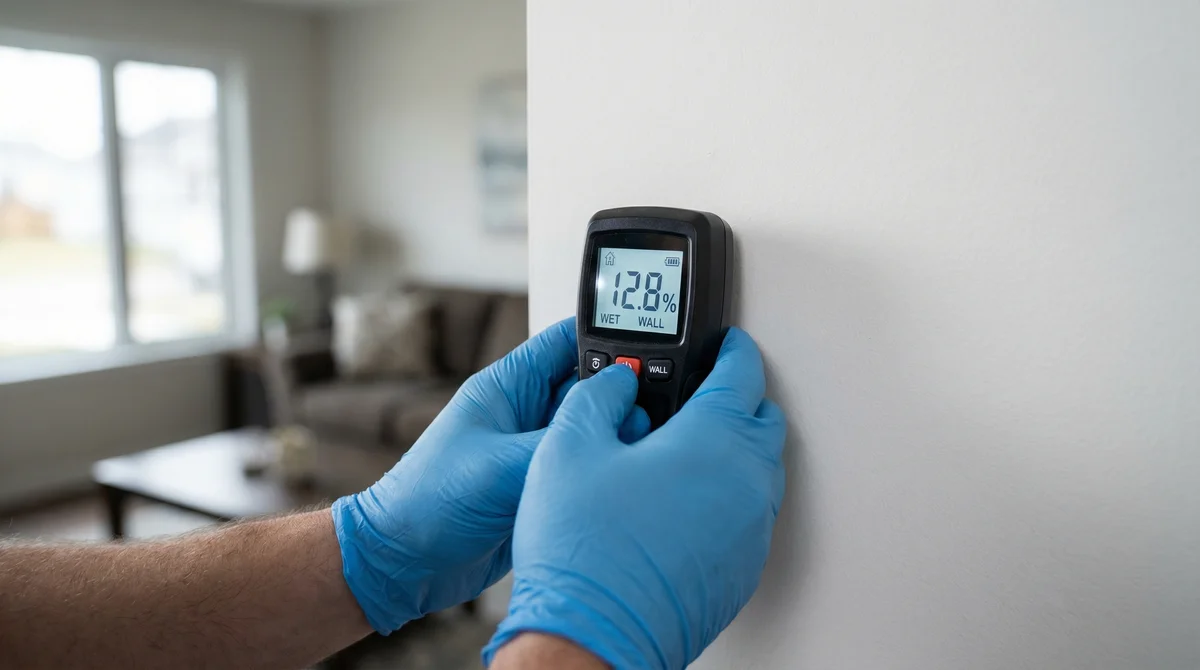
The remediation timeline begins the moment you search for mold inspection near me and schedule professional assessment. During this initial phase, certified technicians evaluate the extent of mold contamination, identify moisture sources feeding the growth, and develop a comprehensive remediation plan. A thorough inspection typically takes two to four hours for residential properties. Technicians use moisture meters to detect hidden water intrusion, thermal imaging cameras to find temperature anomalies suggesting concealed moisture, and visual examination to assess visible mold colonies. Air quality sampling may be collected to identify mold species and establish baseline spore counts. Following inspection, you receive a detailed scope of work outlining the recommended mold removal process for your specific situation. This document describes which areas require treatment, what materials need removal, and the estimated project duration. Review this carefully before authorizing work to begin.| Inspection Component | What It Reveals | Time Required |
|---|---|---|
| Visual Assessment | Visible mold growth, water stains, structural damage | 30-60 minutes |
| Moisture Mapping | Hidden moisture behind walls and under floors | 45-90 minutes |
| Thermal Imaging | Temperature variations indicating moisture intrusion | 30-45 minutes |
| Air Quality Sampling | Airborne spore counts and mold species identification | 20-30 minutes |
| Report Preparation | Detailed findings and remediation recommendations | 24-48 hours |
Understanding Mold Remediation Cost Factors in Toms River
Before work begins, understanding what influences mold remediation cost Toms River homeowners face helps you budget appropriately. Project costs vary widely based on contamination extent, accessibility challenges, and whether structural repairs are needed following mold removal. Minor mold problems in accessible areas cost significantly less than extensive contamination requiring demolition of walls, ceilings, or flooring. When mold has penetrated porous building materials like drywall or insulation, those materials must be removed and replaced rather than simply cleaned, adding both labor and material costs to your project. Geographic factors also influence mold remediation cost Toms River residents should anticipate. The region's high humidity and proximity to water increase mold prevalence, which means local remediation companies maintain the specialized equipment and trained personnel needed for efficient service. Established companies offering mold removal in Toms River NJ often provide more competitive pricing than firms traveling from distant locations.
⚠️ Important: Be cautious of estimates that seem unusually low. Professional mold remediation requires specialized equipment, trained technicians, and proper disposal procedures. Cutting corners during remediation often leads to mold regrowth and repeated expenses.
Phase Two: Containment and Air Filtration Setup
Once the assessment phase concludes and you authorize the project, technicians begin containment setup. This critical step prevents mold spores from spreading to unaffected areas during removal work. Containment typically requires four to eight hours to install properly, depending on project scope. Heavy plastic sheeting seals off contaminated zones from the rest of your home. Technicians create negative air pressure within containment areas using specialized equipment that continuously filters air through HEPA filtration systems. This ensures that disturbed mold spores get captured rather than dispersing throughout your property. The mold removal process cannot proceed safely without proper containment. Skipping this step—common among unlicensed contractors—risks spreading contamination and dramatically increasing your remediation scope and costs. Professional mold removal in Toms River NJ always includes comprehensive containment protocols.Phase Three: Mold Removal and Material Disposal
The actual removal phase represents the most labor-intensive portion of your project. Duration varies from one day for minor infestations to a week or more for extensive contamination. Technicians wearing personal protective equipment carefully remove mold-contaminated materials while containment and air filtration systems run continuously. Porous materials like drywall, insulation, carpet, and ceiling tiles cannot be effectively cleaned once mold penetrates their surfaces. These materials require removal and proper disposal according to local regulations. Non-porous surfaces such as metal, glass, and hard plastics can often be cleaned and treated with antimicrobial solutions rather than replaced. Wood framing and structural components receive special attention during mold removal in Toms River NJ homes. When mold growth remains superficial, technicians can sand or wire-brush affected surfaces and apply antimicrobial treatments. Heavily damaged wood showing signs of rot or structural compromise may require replacement by qualified contractors.What Gets Removed vs. What Gets Cleaned
| Material Type | Typical Treatment | Replacement Needed? |
|---|---|---|
| Drywall | Removal and disposal | Yes - cannot be cleaned |
| Insulation | Removal and disposal | Yes - absorbs spores |
| Carpet and Padding | Removal and disposal | Usually yes |
| Wood Framing | Cleaning, sanding, treatment | Only if structurally damaged |
| Concrete | Cleaning and sealing | Rarely |
| HVAC Components | Professional cleaning or replacement | Depends on contamination level |
Phase Four: Drying and Dehumidification
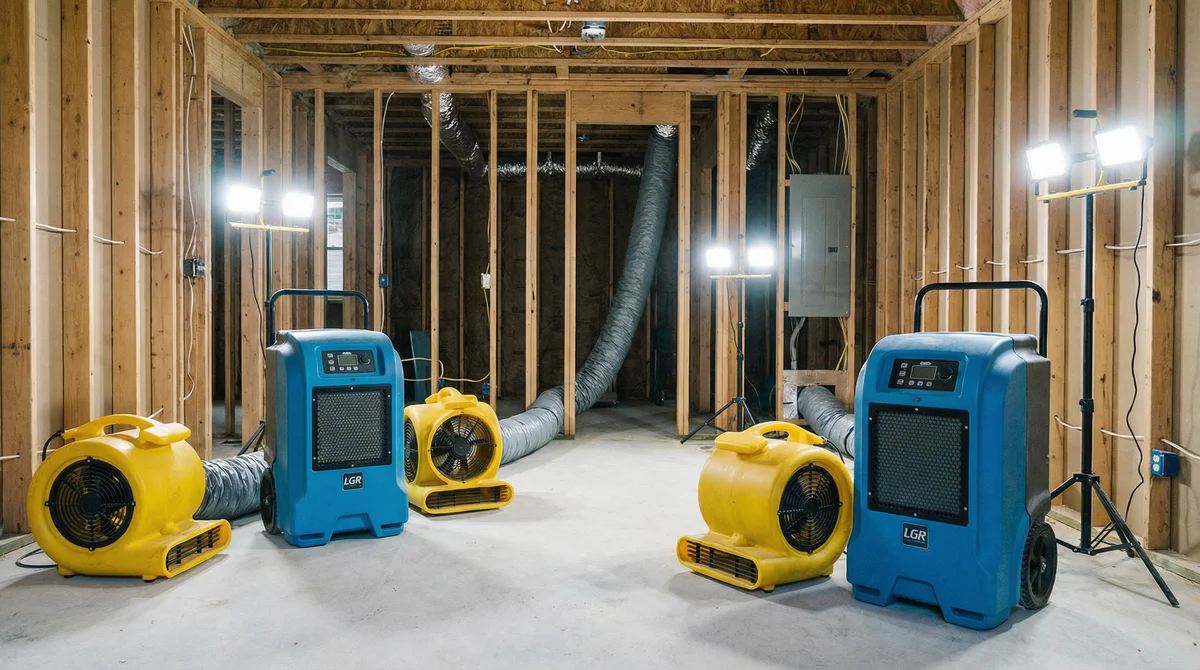
Since moisture enables mold growth, thorough drying must follow removal work. Industrial dehumidifiers and air movers run continuously until moisture readings return to acceptable levels, typically taking two to five days depending on initial moisture levels and affected materials. Technicians monitor moisture content daily using specialized meters that measure moisture within building materials rather than just surface conditions. This verification ensures that hidden moisture pockets won't trigger new mold growth after remediation concludes. The mold removal process isn't complete until moisture levels stabilize within normal ranges. Toms River's coastal humidity presents particular challenges during the drying phase. Summer remediation projects may require longer drying periods or more aggressive dehumidification to overcome ambient moisture levels. Experienced local technicians account for these regional factors when estimating how long does mold remediation take in Shore communities.
🏠 Home Tip: Keep windows and exterior doors closed during the drying phase. Opening your home to humid outdoor air counteracts dehumidification equipment and extends your project timeline.
Phase Five: Clearance Testing and Verification
Professional remediation concludes with independent verification that mold levels have returned to normal. A third-party inspector—separate from your remediation company—conducts post-remediation testing to confirm successful treatment. This clearance testing typically occurs within one to three days after remediation work finishes. Air sampling compares post-remediation spore counts against outdoor baseline levels and pre-remediation readings. Successful remediation brings indoor mold levels to comparable or lower concentrations than outdoor air. Visual inspection confirms that all identified mold growth has been addressed and no new contamination is visible. Clearance documentation protects your investment by providing written verification of successful remediation. This documentation proves valuable for insurance claims, real estate transactions, and your own peace of mind. Never skip clearance testing—it's the only way to confirm that your mold removal in Toms River NJ project achieved its goals.Complete Timeline Summary: Discovery to Clearance
For homeowners wondering how long does mold remediation take from start to finish, here's a realistic timeline breakdown for typical residential projects in the Toms River area:| Project Phase | Small Project (Under 100 sq ft) | Medium Project (100-500 sq ft) | Large Project (500+ sq ft) |
|---|---|---|---|
| Initial Inspection | 2-3 hours | 3-4 hours | 4-6 hours |
| Containment Setup | 2-4 hours | 4-6 hours | 6-8 hours |
| Mold Removal | 1 day | 2-3 days | 4-7 days |
| Drying Period | 2-3 days | 3-4 days | 4-5 days |
| Clearance Testing | 1 day | 1-2 days | 2-3 days |
| Total Duration | 5-7 days | 8-12 days | 14-21 days |
Why Professional Mold Removal Matters
DIY mold removal might seem tempting, especially for smaller infestations. However, improper techniques often spread contamination, miss hidden growth, or fail to address underlying moisture problems. Professional mold removal in Toms River NJ provides the expertise, equipment, and verification needed for lasting results. When you search for mold inspection near me, look for companies with proper certifications, documented remediation protocols, and verifiable local references. Established restoration companies understand Toms River's unique environmental challenges and building construction methods, enabling more efficient and effective remediation. Professional remediation also protects your health during the removal process. Disturbing mold releases massive quantities of spores into the air, creating respiratory hazards for occupants. Certified technicians use containment, air filtration, and personal protective equipment to manage these risks safely.
⚠️ Important: Mold can begin growing within 24-48 hours after water damage occurs. If you've experienced flooding, leaks, or water intrusion, schedule professional mold inspection promptly to catch problems early.
Frequently Asked Questions
How long does mold remediation take for a typical bathroom?
+
Bathroom mold remediation typically takes three to five days from inspection through clearance testing. The enclosed space usually limits contamination spread, making containment straightforward. However, if mold has spread behind tiles or into wall cavities, the project may extend to seven days or longer. The specific timeline depends on whether structural materials require removal and replacement.
What factors affect mold remediation cost in Toms River?
+
Several factors influence mold remediation cost Toms River homeowners should consider: the square footage of affected areas, accessibility of contaminated spaces, extent of material removal required, and whether structural repairs are needed. Projects requiring HVAC cleaning, crawl space work, or extensive demolition cost more than surface-level treatments. Getting detailed written estimates from multiple qualified contractors helps you understand fair pricing for your specific situation.
Can I stay in my home during mold remediation?
+
Whether you can remain home during remediation depends on project scope and your health sensitivity. Small, contained projects in isolated areas often allow occupants to stay while work proceeds. Larger projects or remediation involving HVAC systems typically require temporary relocation to avoid spore exposure. Households with members who have respiratory conditions, allergies, or compromised immune systems should consider staying elsewhere regardless of project size.
Does homeowner's insurance cover mold removal in Toms River NJ?
+
Insurance coverage for mold remediation depends on your specific policy and the mold's cause. Most policies cover mold resulting from covered perils like sudden pipe bursts or storm damage. However, mold from long-term leaks, deferred maintenance, or humidity typically isn't covered. Review your policy carefully and contact your insurance agent to understand your coverage before filing claims. Professional remediation companies often assist with documentation and insurance coordination.
How do I find reliable mold inspection near me?
+
When searching for mold inspection near me, verify that inspectors hold relevant certifications and carry proper insurance. Look for companies with established local presence and verifiable customer reviews. Reputable inspectors provide detailed written reports with findings and recommendations. Be wary of inspectors who also perform remediation, as this creates potential conflicts of interest. Independent inspection ensures objective assessment of your mold situation.
Take Action on Mold Problems Today
Understanding the mold removal process timeline helps you plan for disruption and budget appropriately. While remediation requires patience, acting quickly once you discover mold minimizes both health risks and project scope. The longer mold grows, the more extensively it spreads through your home. If you've noticed musty odors, visible mold growth, or water damage in your Toms River home, don't wait to seek professional assessment. Early intervention keeps mold remediation cost Toms River homeowners face manageable while protecting your family's health and your property's value. Advanced Disaster Recovery Inc. provides comprehensive mold removal and remediation services throughout Ocean County. Our certified technicians respond quickly to assess your situation and develop effective remediation plans tailored to your specific needs. From initial inspection through clearance testing, we guide you through every phase of the restoration process.Categories
Need Restoration Services?
Our team is available 24/7 for emergency response. Call us today for a free phone consultation.

Questions About Restoration?
Our experts are ready to help. Contact us for a free consultation.