Mold Remediation vs Mold Removal: Understanding the Difference
Elsa Boyer is a Regional Operations Manager for Advanced Disaster Recovery, based in Harrisburg, Pennsylvania, overseeing commercial and healthcare restoration projects. She holds a Bachelor of Arts from Valparaiso University and a deep certification portfolio, including ICRA Certified Healthcare Remediator Supervisor and multiple IICRC designations across commercial drying, structural drying, water, and fire & smoke restoration.

Confused about mold remediation vs mold removal? Learn the key differences, when each is needed, and how professionals eliminate mold from your home safely.
What Is Mold Removal?
Mold removal refers to the physical elimination of visible mold colonies from surfaces. This process focuses exclusively on removing what you can see—the discolored patches on walls, the fuzzy growth on ceiling tiles, or the black spots colonizing bathroom grout. Technicians performing mold removal typically scrub affected surfaces, apply antimicrobial solutions, and dispose of heavily contaminated materials. The term "mold removal" suggests complete elimination, which creates a fundamental problem. Mold spores exist naturally in virtually every indoor environment. These microscopic reproductive units float through air currents, settle on surfaces, and remain dormant until conditions favor germination. Complete removal of all mold spores from an indoor environment is biologically impossible without creating a sterile laboratory environment unsuitable for human occupation. Many homeowners attempt DIY approaches to mold remediation vs mold removal using household cleaners and bleach solutions. While these approaches can address small surface colonies, they rarely address the moisture sources that enabled growth. Without correcting underlying humidity problems, water intrusion, or ventilation deficiencies, new colonies inevitably develop. This cycle of repeated cleaning becomes costly and frustrating, often leading property owners to seek professional residential mold remediation after months of unsuccessful attempts.Understanding Mold Remediation
In contrast to simple removal, professional mold damage restoration represents a comprehensive approach following established industry protocols. The choice of mold remediation vs mold removal accepts the reality that complete elimination is neither achievable nor necessary. Instead, residential mold remediation aims to return indoor spore concentrations to levels comparable to outdoor baseline readings while eliminating active growth and correcting environmental conditions that promoted colonization. Professional remediation follows structured protocols established by organizations like the Institute of Inspection, Cleaning and Restoration Certification and the Environmental Protection Agency. These guidelines ensure systematic approaches that protect both technicians and occupants while addressing contamination comprehensively. The remediation process begins with thorough moisture source identification. Infrared cameras detect hidden water intrusion behind walls, moisture meters quantify material saturation levels, and visual inspection traces water migration pathways. Only after identifying and correcting moisture sources can effective remediation proceed. This investigative phase distinguishes professional services from superficial cleaning approaches. Containment represents another critical remediation component rarely implemented in simple removal. Physical barriers constructed from polyethylene sheeting prevent cross-contamination during demolition and cleaning activities. Negative air pressure systems equipped with HEPA filtration ensure airborne spores generated during work remain confined to treatment areas rather than spreading throughout structures.The Science Behind Effective Mold Damage Restoration
Understanding the biological nature of mold growth reveals why mold damage restoration requires comprehensive approaches compared to simple mold remediation vs mold removal decisions. Mold fungi reproduce through spores—microscopic particles designed for airborne dispersal. A single mature colony releases millions of spores daily, which explains how contamination spreads rapidly once established and why professional residential mold remediation becomes necessary. Spores remain viable for years in dormant states, germinating only when three conditions align: available organic food sources, suitable temperature ranges, and sufficient moisture. Building materials provide abundant nutrition—cellulose in drywall, wood framing, ceiling tiles, and paper-backed insulation all support fungal metabolism. Temperature ranges found in occupied buildings fall within optimal growth parameters for most species. Moisture becomes the limiting factor that effective remediation must address. Water activity measurements quantify moisture availability in building materials. Materials with water activity levels above 0.80 support mold growth regardless of visible dampness. This explains why hidden colonies often develop inside wall cavities or above ceiling planes where minor leaks create persistent moisture without obvious exterior signs. Thermal imaging and invasive moisture testing reveal these concealed conditions during professional assessments.Key Differences in Methodology
The operational differences between mold remediation vs mold removal become apparent when examining actual work procedures. Simple removal typically involves surface cleaning with antimicrobial solutions, occasional material disposal, and perhaps application of encapsulating paints. These activities address visible symptoms without investigating underlying causes. Professional remediation follows systematic protocols beginning with comprehensive assessment. Technicians document contamination extent using standardized classification systems, identify moisture sources requiring correction, and develop project-specific remediation plans. This planning phase determines appropriate containment levels, identifies materials requiring disposal versus restoration, and establishes clearance criteria for project completion. Containment strategies vary based on contamination extent. Small isolated colonies affecting less than ten square feet may require minimal containment. Larger affected areas demand full containment with dedicated entry/exit chambers, negative air pressure maintenance, and HEPA-filtered air scrubbers operating continuously during work activities. The most extensive projects incorporate Level 3 containment protocols with critical barriers, decontamination chambers, and continuous air quality monitoring. Material removal decisions follow different logic when comparing mold remediation vs mold removal approaches. While basic removal services often strip all visibly affected materials, professional mold damage restoration protocols make evidence-based decisions about salvageability. Non-porous materials like metal, glass, and hard plastics typically clean effectively. Semi-porous materials like wood framing receive evaluation based on contamination depth and structural importance through residential mold remediation assessment. Porous materials including drywall, insulation, and ceiling tiles generally require disposal when colonized.| Aspect | Mold Removal | Mold Remediation |
|---|---|---|
| Primary Focus | Visible mold elimination | Spore reduction + moisture control |
| Moisture Investigation | Limited or absent | Comprehensive moisture mapping |
| Containment Protocols | Rarely implemented | Systematic based on contamination level |
| Air Quality Control | Not typically addressed | HEPA filtration and negative pressure |
| Material Disposal | Inconsistent criteria | Protocol-driven based on porosity |
| Clearance Testing | Visual assessment only | Post-remediation verification sampling |
| Documentation | Minimal work records | Comprehensive photo documentation and reports |
When Residential Mold Remediation Becomes Necessary
Property owners frequently wonder when professional residential mold remediation becomes essential versus manageable through DIY approaches. Several factors determine appropriate response levels based on contamination extent, location, and underlying causes. Contamination affecting areas smaller than ten square feet with clear moisture sources and no health concerns for occupants may respond to careful homeowner intervention. This assumes surface-level growth on non-porous materials, readily accessible locations, and confidence in addressing the moisture source permanently. Even within these parameters, occupants with respiratory conditions, compromised immune systems, or mold sensitivities should avoid exposure and defer to professional services. Professional remediation becomes necessary when contamination exceeds manageable limits, occurs in sensitive areas, or results from category 2 or 3 water intrusion. Growth developing from sewage backups, prolonged flooding, or hidden water damage within structural cavities requires systematic professional intervention. Similarly, contamination in HVAC systems, within wall cavities, or affecting multiple rooms demands comprehensive remediation rather than spot cleaning. Hidden mold presents particular challenges requiring professional expertise. Musty odors without visible growth often indicate concealed colonies developing behind walls, above ceilings, or beneath flooring. These situations require investigation using moisture meters, infrared cameras, and sometimes invasive inspection to locate contamination sources. Attempting DIY removal without understanding the full extent of hidden growth often worsens problems by disturbing colonies without proper containment, dispersing spores throughout previously unaffected areas.The Role of Professional Mold Removal Businesses
Reputable mold removal businesses distinguish themselves through comprehensive mold damage restoration approaches that align with established remediation protocols rather than superficial cleaning. When evaluating mold remediation vs mold removal services, professional companies maintain proper certifications, carry appropriate insurance coverage, and employ trained technicians familiar with industry standards and safety protocols for residential mold remediation. Initial consultation and assessment represent the foundation of professional service. Qualified technicians conduct thorough property inspections documenting visible contamination, identifying likely moisture sources, and recommending appropriate sampling when needed. This assessment phase determines project scope, establishes contamination classification levels, and allows accurate project estimation. Equipment capabilities separate professional mold removal businesses from amateur services in the mold remediation vs mold removal comparison. Industrial-grade dehumidifiers, HEPA-filtered negative air machines, thermal imaging cameras, and specialized moisture detection instruments enable comprehensive mold damage restoration impossible with consumer-grade tools. Professional containment materials, personal protective equipment, and antimicrobial solutions meet industry specifications ensuring effective residential mold remediation while protecting occupant safety. Legitimate mold removal businesses providing proper mold damage restoration offer detailed documentation throughout project execution. Pre-remediation photography establishes baseline conditions, work progress documentation demonstrates protocol compliance, and post-remediation verification confirms successful completion. This documentation proves essential for insurance claims, real estate transactions, and occupant peace of mind when comparing mold remediation vs mold removal outcomes. Post-remediation verification testing offers objective evidence of successful treatment. While not required in all situations, clearance sampling provides quantitative confirmation that indoor spore concentrations have returned to acceptable levels comparable to outdoor baseline readings. Third-party environmental consultants often conduct this sampling to ensure unbiased results independent of remediation contractors.Long-Term Prevention and Moisture Management
Effective mold damage restoration extends beyond immediate contamination treatment to include long-term prevention strategies. Without addressing underlying moisture problems and implementing ongoing management practices, recurrence becomes inevitable regardless of remediation thoroughness. Moisture control begins with identifying and correcting water intrusion sources. Roof leaks, plumbing failures, foundation seepage, and condensation issues all require permanent correction. Temporary repairs or incomplete fixes leave properties vulnerable to recurring contamination. Professional remediation services often coordinate with specialized contractors—roofers, plumbers, foundation specialists—ensuring comprehensive moisture source elimination. Relative humidity management plays a critical role in long-term mold prevention. Indoor humidity levels consistently exceeding 60% create conditions favoring mold growth even without obvious water damage. Whole-house dehumidification systems, properly sized HVAC equipment, and adequate ventilation maintain humidity within the 30-50% range that inhibits fungal colonization while maintaining occupant comfort. Building envelope improvements often become necessary following significant mold events. Inadequate insulation creating cold surface temperatures, missing vapor barriers allowing moisture migration, and insufficient attic ventilation all contribute to conditions promoting growth. Addressing these building science issues during restoration prevents future problems while improving overall property performance and energy efficiency.Insurance Considerations and Documentation
Understanding the distinction between mold remediation vs mold removal proves particularly important when navigating insurance claims. Most homeowners insurance policies provide coverage for mold damage restoration when contamination results from covered perils—sudden pipe bursts, storm damage, or appliance failures. However, coverage typically excludes mold resulting from long-term maintenance neglect, chronic leaks, or persistent humidity problems requiring residential mold remediation. Policy language specifically matters. Many insurers cover "mold remediation" or "mold mitigation" but exclude "mold removal" or only cover removal costs up to specified limits. This terminology distinction reflects industry recognition that proper remediation involves more than simple cleaning. Property owners seeking coverage should use precise terminology matching their policy language when reporting claims and discussing scope with adjusters. Documentation quality significantly impacts claim outcomes when comparing mold remediation vs mold removal services. Professional residential mold remediation companies providing mold damage restoration offer detailed pre-loss documentation, moisture source identification reports, work scope justifications, and post-remediation verification. This documentation helps substantiate claims, demonstrates work necessity, and provides evidence of proper protocol compliance. DIY removal attempts typically lack this documentation, potentially complicating or eliminating coverage eligibility. Timing considerations also affect coverage. Immediate reporting of water damage and prompt remediation demonstrate reasonable mitigation efforts required under most policies. Delayed reporting or allowing contamination to worsen through inaction may provide insurers grounds for coverage denial or reduction. Professional remediation services understand these requirements and can help property owners navigate claim processes effectively.Health Implications and Safety Protocols
The health considerations surrounding mold exposure underscore why professional mold damage restoration follows strict safety protocols that superficial mold remediation vs mold removal approaches often ignore. While most healthy individuals tolerate moderate mold exposure without serious effects, certain populations face significant health risks requiring careful management during residential mold remediation activities. Mold exposure affects individuals differently based on species present, concentration levels, exposure duration, and individual sensitivity. Common symptoms include respiratory irritation, allergic reactions, asthma exacerbation, and sinus problems. Individuals with compromised immune systems, chronic respiratory conditions, or existing mold sensitivities may experience severe reactions requiring medical attention. Occupant protection during mold damage restoration requires careful planning and communication. Sensitive individuals should vacate properties during active residential mold remediation work, particularly during demolition and material removal phases when airborne spore concentrations spike dramatically. Professional contractors from reputable mold removal businesses establish containment barriers, maintain negative air pressure, and schedule work activities to minimize occupant exposure risks throughout the mold remediation vs mold removal process. Technician safety protocols implemented by responsible mold removal businesses during mold damage restoration include appropriate personal protective equipment, exposure monitoring, and decontamination procedures. Respirators with HEPA or P100 filters protect technicians from inhaling elevated spore concentrations during work. Full-body coverage including disposable suits, gloves, and eye protection prevents skin contact and contamination spread during residential mold remediation. These measures protect worker health while demonstrating professional commitment to safety standards in mold remediation vs mold removal protocols.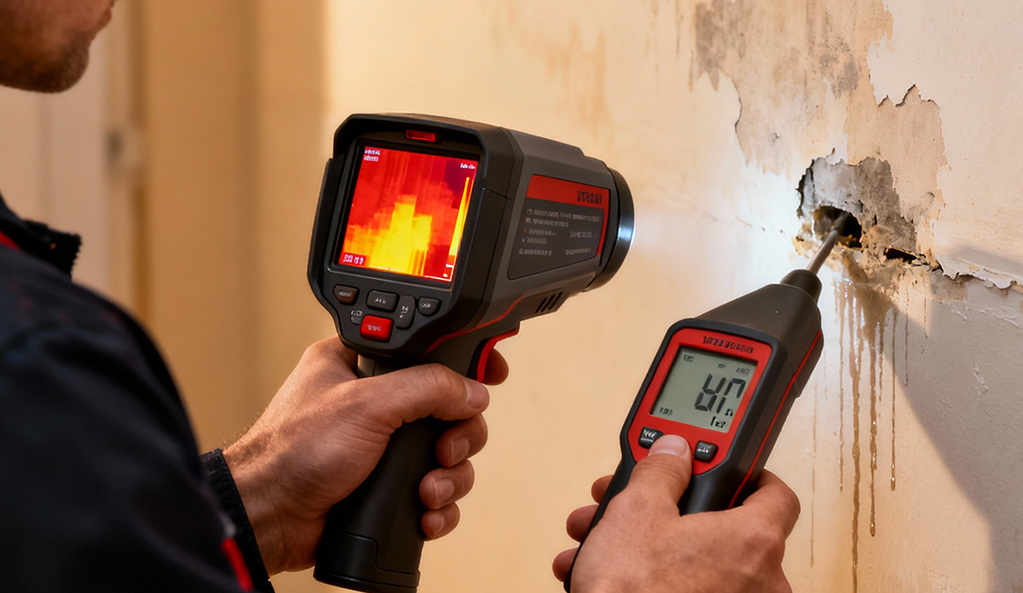
Choosing the Right Service Provider
Selecting appropriate professional assistance requires understanding credentials, experience, and service approaches that distinguish qualified mold removal businesses providing mold damage restoration from unqualified services. Several key factors help property owners identify reputable providers capable of comprehensive residential mold remediation rather than superficial treatments when comparing mold remediation vs mold removal options. Proper training and certification indicate professional competency and commitment to industry standards. Technicians should hold recognized certifications demonstrating comprehensive training in mold remediation protocols, safety procedures, and moisture investigation techniques. Company-level certifications and affiliations with professional organizations suggest ongoing education and adherence to evolving best practices. Insurance coverage and licensing protect property owners from liability and ensure providers meet regulatory requirements. Comprehensive general liability insurance, workers compensation coverage, and pollution liability insurance indicate established, responsible operations. Proper licensing requirements vary by jurisdiction but demonstrate basic regulatory compliance and accountability. Methodology and approach discussions reveal whether companies truly understand the difference between mold remediation vs mold removal. Qualified providers should articulate comprehensive assessment processes, containment strategies, moisture investigation techniques, and post-remediation verification procedures. Companies offering quick fixes, guaranteed complete removal, or avoiding discussion of moisture source correction likely lack expertise for proper remediation. Detailed written estimates and clear project scopes distinguish professional operations from questionable services. Estimates should specify assessment findings, work procedures, materials requiring disposal, equipment used, project timeline, and clearance criteria. Vague pricing, pressure for immediate decisions, or reluctance to provide written documentation suggest unprofessional operations deserving caution.Cost Considerations and Value Assessment
Understanding cost differences between mold remediation vs mold removal helps property owners make informed decisions balancing immediate expenses against long-term value. Simple removal services typically cost less initially but often require repeated interventions when problems recur due to unaddressed moisture issues. Comprehensive residential mold remediation and mold damage restoration represent larger upfront investment but provide lasting solutions preventing costly recurrence through proper mold removal businesses. Project costs vary dramatically based on contamination extent, affected materials, accessibility challenges, and required structural repairs. Small contained areas with straightforward access and simple moisture sources cost substantially less than extensive contamination requiring structural demolition, comprehensive containment, and complex moisture corrections. Attempting to predict specific project costs without professional assessment proves unreliable given the numerous variables affecting scope. Cost considerations should account for complete project requirements rather than isolated cleaning expenses. Effective residential mold remediation includes moisture source correction, structural repairs, replacement of removed materials, and restoration to pre-loss condition. Quotes focusing exclusively on cleaning and removal while ignoring necessary repairs and moisture corrections underestimate true project costs. Long-term value assessment favors comprehensive mold damage restoration over repeated mold remediation vs mold removal attempts. Property owners spending thousands on recurring removal services while avoiding moisture source correction ultimately spend more than one-time professional residential mold remediation addressing root causes. Additionally, unresolved mold problems negatively impact property values, particularly during real estate transactions requiring disclosure and potentially affecting sale viability or property marketability when hiring inadequate mold removal businesses.Common Misconceptions About Mold Treatment
Several persistent misconceptions about mold remediation vs mold removal lead property owners toward ineffective approaches and unnecessary expenses. Understanding these misunderstandings about mold damage restoration helps avoid costly mistakes and directs resources toward effective residential mold remediation solutions. The belief that bleach eliminates mold represents perhaps the most common misconception. While bleach kills surface mold on non-porous materials, it proves ineffective on porous surfaces where fungal hyphae penetrate deeply. Bleach's water content actually provides moisture that can worsen problems on absorbent materials. Professional remediation uses appropriate antimicrobial solutions selected based on material types and contamination characteristics. Another misconception suggests painting over mold provides adequate treatment. Encapsulation paints designed specifically for mold containment have limited applications under strict conditions with proper surface preparation. Simply painting over active colonies without addressing moisture sources and removing contaminated porous materials guarantees continued growth beneath new paint layers, eventually causing paint failure and more extensive damage. Many property owners believe professional mold removal businesses unnecessarily inflate scope and costs when comparing mold remediation vs mold removal. While isolated instances of dishonest contractors exist in any industry, reputable companies providing mold damage restoration base recommendations on established protocols and genuine contamination extent. The systematic approaches required for proper residential mold remediation naturally cost more than superficial cleaning but provide lasting solutions preventing recurrence and protecting property values. The assumption that all mold poses severe health risks or that mold-free environments are achievable represents another common misunderstanding. While toxic mold exposure deservedly concerns occupants, most common indoor species cause problems primarily for sensitive individuals. Professional remediation aims for spore concentrations matching outdoor baselines rather than impossible complete elimination.Regional Considerations for Northern New Jersey Properties
Properties throughout Northern New Jersey face specific environmental conditions affecting mold remediation vs mold removal decisions and requirements. Understanding these regional factors helps property owners recognize situations requiring professional residential mold remediation intervention and appreciate why comprehensive mold damage restoration proves essential in local conditions through qualified mold removal businesses. The region's humid continental climate creates ideal conditions for mold development. Warm humid summers with average relative humidity frequently exceeding 65% provide perfect growth conditions when combined with inadequate climate control or ventilation. Older construction common throughout the area often lacks modern moisture management features, making properties particularly vulnerable to contamination. Basement moisture problems affect significant percentages of local properties due to high water tables, poor drainage, and older foundation construction. Stone foundations common in historic properties present particular challenges with mortar deterioration and moisture seepage. Even newer construction faces risks from improper grading, inadequate waterproofing, and undersized dehumidification systems failing to manage seasonal moisture loads. Winter heating season condensation affects northern properties when warm interior air contacts cold exterior wall surfaces lacking adequate insulation. This condensation creates hidden moisture supporting mold growth within wall cavities and behind exterior finishes. Professional moisture investigations using thermal imaging prove particularly valuable identifying these concealed problem areas requiring remediation. Storm-related water damage from severe weather events including nor'easters, hurricanes, and intense rainfall increasingly affects regional properties. These events create acute moisture intrusion requiring immediate response preventing mold development. Understanding the critical 24-48 hour window for effective drying emphasizes why rapid professional intervention proves essential following significant water events.How long does professional mold remediation typically take?
+Can I stay in my home during mold remediation work?
+What's the difference between mold testing and mold inspection?
+Will mold remediation eliminate musty odors permanently?
+How can I verify a mold remediation company's qualifications?
+What should I do immediately after discovering significant mold growth?
+Does homeowners insurance cover mold remediation costs?
+Making Informed Decisions About Mold Treatment
Understanding the fundamental differences between mold remediation vs mold removal empowers property owners to make informed decisions protecting property values, occupant health, and long-term investment. Simple removal addresses visible symptoms without correcting underlying causes, creating cycles of recurring contamination and escalating costs. Professional mold damage restoration through residential mold remediation follows established protocols eliminating active growth, reducing spore concentrations to acceptable levels, and implementing moisture management preventing recurrence. The decision between DIY approaches and professional services depends on multiple factors including contamination extent, moisture source complexity, occupant health considerations, and confidence in achieving lasting solutions. Small surface colonies with obvious moisture sources and no health concerns may respond to careful homeowner intervention. Extensive contamination, hidden growth, complex moisture problems, or situations involving vulnerable individuals require professional residential mold remediation ensuring comprehensive treatment and proper safety protocols. Selecting qualified mold removal businesses involves evaluating certifications, experience, methodology, and professional approach rather than simply comparing prices. Legitimate providers offering mold damage restoration provide detailed assessments, clear work scopes, appropriate documentation, and realistic timelines reflecting comprehensive mold remediation vs mold removal requirements. The initial investment in proper residential mold remediation proves more cost-effective than repeated unsuccessful removal attempts or the property value impacts from unresolved contamination. Effective mold damage restoration ultimately requires addressing both immediate contamination and long-term prevention through moisture management, building envelope improvements, and ongoing monitoring. Property owners who understand these principles and work with qualified professionals achieve lasting solutions protecting property values while maintaining healthy indoor environments for occupants.Categories
Need Restoration Services?
Our team is available 24/7 for emergency response. Call us today for a free phone consultation.


Questions About Restoration?
Our experts are ready to help. Contact us for a free consultation.