Mold Prevention for Rental Property Owners: A Compliance Guide
Elsa Boyer is a Regional Operations Manager for Advanced Disaster Recovery, based in Harrisburg, Pennsylvania, overseeing commercial and healthcare restoration projects. She holds a Bachelor of Arts from Valparaiso University and a deep certification portfolio, including ICRA Certified Healthcare Remediator Supervisor and multiple IICRC designations across commercial drying, structural drying, water, and fire & smoke restoration.
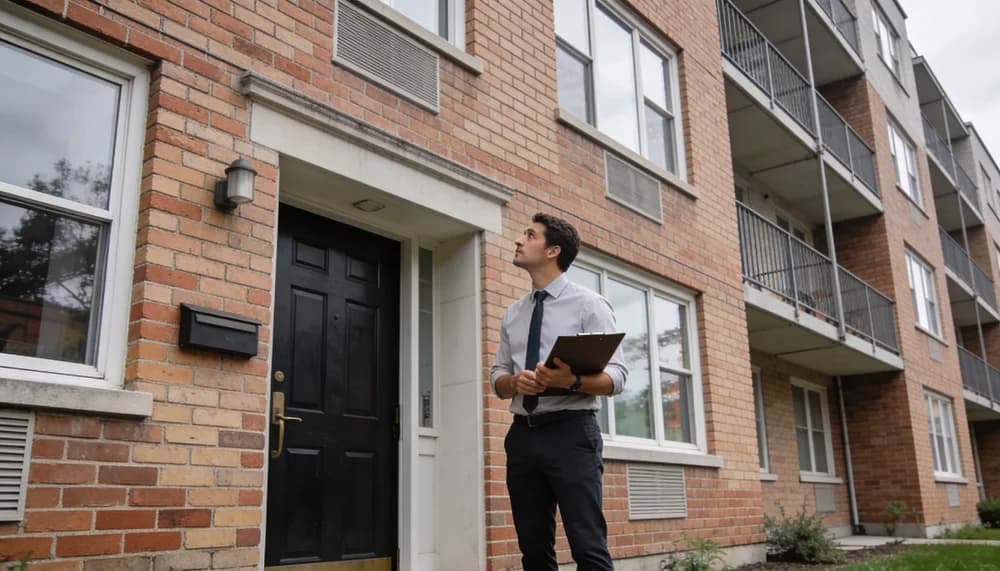
Rental property owners: learn your mold responsibilities under NY, NJ, PA, and CT laws, prevention strategies, and when to call for professional remediation.
Mold in Rental Properties: A Growing Legal and Financial Concern
For rental property owners and managers across New York, New Jersey, Pennsylvania, and Connecticut, mold is more than a maintenance issue. It is a legal liability, a tenant health concern, and a property value threat. The regulatory landscape around mold in rental housing has become increasingly stringent in the Northeast, and property owners who fail to address mold promptly and properly face potential lawsuits, code violations, and substantial remediation costs.
At Advanced DRI, we work with property owners and management companies to develop proactive mold prevention programs and respond effectively when mold issues arise. This guide covers your responsibilities, best practices, and how to stay compliant.
Understanding Your Legal Obligations
While no federal law specifically addresses mold in rental housing, Northeast states have established frameworks that create clear obligations for landlords:
New York
New York City's Local Law 55 requires building owners to investigate and remediate mold conditions in accordance with NYC Department of Health guidelines. Landlords must address underlying moisture sources and follow specific remediation protocols based on the size of the affected area. The state's warranty of habitability also requires landlords to maintain rental units in a condition that does not endanger tenant health, which courts have interpreted to include mold remediation.
New Jersey
New Jersey's implied warranty of habitability and housing code enforcement requires landlords to maintain properties in habitable condition. Mold resulting from landlord-responsible maintenance failures, such as roof leaks, plumbing problems, or inadequate ventilation, falls squarely within the landlord's obligation to repair. The state also has specific indoor air quality guidelines that apply to rental properties.
Pennsylvania
Pennsylvania's Landlord and Tenant Act requires landlords to maintain properties in a safe and habitable condition. Municipal housing codes in cities like Philadelphia and Pittsburgh include provisions that can require mold remediation as part of habitability compliance. Landlords who fail to address reported mold issues may face rent withholding, lease termination, or civil liability.
Connecticut
Connecticut law requires landlords to maintain rental properties in compliance with housing and health codes, which include obligations to address moisture intrusion and mold. The state's warranty of habitability gives tenants the right to safe living conditions, and failure to remediate known mold issues can expose landlords to legal action.
Common Mold Liability Scenarios for Landlords
Understanding common liability triggers helps property owners avoid costly situations:
- Ignoring tenant complaints: When a tenant reports mold or moisture problems and the landlord fails to respond, the landlord assumes liability for any resulting health effects and property damage.
- Deferred maintenance: Mold caused by leaking roofs, broken pipes, failed windows, or inadequate ventilation that the landlord should have maintained is the landlord's responsibility.
- Inadequate turnover preparation: Failing to inspect for and address mold between tenants can result in new tenants moving into contaminated units.
- Cosmetic cover-ups: Painting over mold or performing superficial cleaning without proper remediation does not eliminate liability and may increase it if the cover-up is later discovered.
A Proactive Mold Prevention Program
Prevention is always more cost-effective than remediation. Advanced DRI recommends that rental property owners implement a comprehensive prevention program:
Regular Property Inspections
Conduct thorough inspections of all units at least twice per year, focusing on:
- Bathrooms, kitchens, and laundry areas for signs of moisture damage or mold
- Windows and exterior walls for condensation, leaks, or water staining
- Basements and crawl spaces for standing water or musty odors
- HVAC systems, ductwork, and air handlers for mold or excessive moisture
- Roof condition, flashing, gutters, and downspouts
Moisture Control Systems
- Ensure every bathroom has a functioning exhaust fan vented to the exterior
- Install and maintain kitchen range hood ventilation
- Provide dehumidifiers in basement units or units with known humidity issues
- Maintain all plumbing systems and repair leaks immediately
- Ensure proper exterior drainage and grading around the building
Responsive Maintenance Protocols
- Establish a clear process for tenants to report moisture and mold concerns
- Respond to moisture-related maintenance requests within 24 hours
- Address all water damage incidents within the same day to prevent mold development
- Document all maintenance activities, inspections, and tenant communications regarding mold and moisture
Tenant Education
Provide tenants with clear guidance on their role in mold prevention, including:
- Using exhaust fans during and after bathing and cooking
- Reporting any leaks, drips, or moisture problems promptly
- Maintaining reasonable indoor temperatures to prevent condensation
- Not blocking vents or air returns
- Allowing adequate air circulation around furniture positioned against exterior walls
Responding to Mold Discovery
When mold is discovered or reported in a rental property, property owners should follow these steps:
- Respond immediately: Acknowledge the tenant's report and schedule inspection within 24 hours.
- Assess the scope: Determine the extent of visible mold and whether hidden contamination is likely based on moisture conditions.
- Engage professionals: For any mold contamination beyond small surface areas on non-porous materials, engage a professional remediation company. Contact Advanced DRI for prompt assessment and remediation.
- Address the moisture source: Remediation without correcting the underlying moisture problem guarantees recurrence and continued liability.
- Document everything: Maintain detailed records of tenant reports, inspections, remediation activities, clearance testing results, and communications.
- Consider temporary relocation: For significant mold contamination, you may need to provide temporary housing for affected tenants during remediation.
Why Property Owners Choose Advanced DRI
Our mold remediation team understands the unique needs of rental property owners. We provide rapid response to minimize tenant disruption, thorough documentation to support your compliance records, and complete remediation that addresses both the contamination and the root cause. We work with property managers across the tri-state area to maintain safe, habitable rental properties.
Contact Advanced DRI to discuss a prevention program for your rental properties or to schedule emergency mold remediation.
Frequently Asked Questions
Am I liable if the tenant caused the mold?
If mold results from tenant behavior, such as failing to use available ventilation, blocking air returns, or creating excessive moisture without reporting it, the tenant may bear some or all responsibility. However, landlords must still remediate the condition to maintain habitability, and proving tenant fault requires documentation. Proper lease language and tenant education help establish clear responsibilities.
Can I charge tenants for mold remediation?
If the mold was caused by tenant negligence and your lease clearly assigns responsibility for such situations, you may be able to recover remediation costs. However, if the mold resulted from building maintenance issues, charging the tenant is generally not permissible and could expose you to legal liability. Consult with a landlord-tenant attorney for guidance specific to your situation and jurisdiction.
How quickly must I respond to a tenant's mold complaint?
While specific timeframes vary by jurisdiction, best practice is to acknowledge the complaint within 24 hours and begin investigation immediately. Delayed response increases both health risks and legal exposure. Courts generally look unfavorably on landlords who ignore or delay responding to mold complaints.
Do I need to disclose previous mold issues to new tenants?
Disclosure requirements vary by state and municipality. In general, if mold has been properly remediated and the moisture source corrected, you may not be required to disclose past issues. However, ongoing or unresolved mold problems must typically be disclosed. Consult with a real estate attorney regarding your specific disclosure obligations.
Categories
Need Restoration Services?
Our team is available 24/7 for emergency response. Call us today for a free phone consultation.

Questions About Restoration?
Our experts are ready to help. Contact us for a free consultation.