Mold in School Buildings: Protecting Students and Staff
Elsa Boyer is a Regional Operations Manager for Advanced Disaster Recovery, based in Harrisburg, Pennsylvania, overseeing commercial and healthcare restoration projects. She holds a Bachelor of Arts from Valparaiso University and a deep certification portfolio, including ICRA Certified Healthcare Remediator Supervisor and multiple IICRC designations across commercial drying, structural drying, water, and fire & smoke restoration.
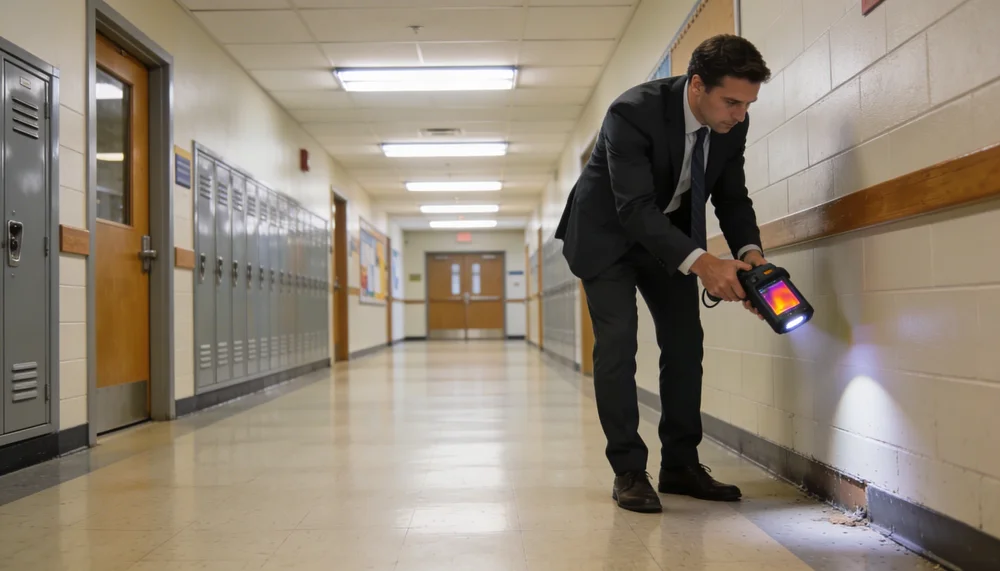
School mold poses health risks to students and staff. Learn detection strategies, remediation requirements, and how Advanced DRI protects educational facilities
Why Mold in Schools Demands Immediate Attention
School buildings present unique challenges when it comes to mold. These facilities house large populations of children for extended hours each day, making indoor air quality a critical health concern. Children are more susceptible to the effects of mold exposure than adults because their respiratory and immune systems are still developing, they breathe more air relative to their body weight, and they spend significant portions of their day in classrooms where exposure is continuous.
At Advanced DRI, we have partnered with school districts across New York, New Jersey, Pennsylvania, and Connecticut to address mold problems quickly and thoroughly while minimizing disruption to education. Our team understands the urgency, regulatory requirements, and logistical complexities unique to school environments.
Why Schools Are Particularly Vulnerable to Mold
Several factors make school buildings more susceptible to mold problems than many other building types:
Aging Infrastructure
Many school buildings in the Northeast are decades old, with aging roofing systems, deteriorating windows, and mechanical systems well past their expected lifespan. Deferred maintenance due to budget constraints means that water intrusion from leaking roofs, failed flashing, and compromised building envelopes often goes unaddressed for extended periods.
High Occupancy and Moisture Generation
Schools have high occupant density. Hundreds of students and staff generate substantial moisture through breathing and perspiration. Without adequate ventilation, this moisture accumulates and raises indoor humidity to levels that support mold growth, especially in interior spaces without windows.
Intermittent HVAC Operation
Many schools reduce or shut down HVAC systems during evenings, weekends, and extended breaks to save energy. This creates cycles of uncontrolled humidity and temperature that promote condensation and mold growth, particularly during warm, humid months when the building sits closed for summer break.
Complex Building Layouts
Schools contain diverse spaces with varying environmental conditions: swimming pools, locker rooms, kitchens, science labs, and storage areas each generate different moisture loads. These variations create microclimates where mold can establish in one area and spread through connected spaces.
Common Locations for School Mold
Our experience remediating school buildings has identified these recurring problem areas:
- Classrooms along exterior walls: Where wall cavities may be subject to condensation or water intrusion from aging building envelopes
- Below-grade spaces: Basements, mechanical rooms, and ground-floor classrooms with poor drainage or foundation waterproofing issues
- Locker rooms and restrooms: High-moisture areas with heavy usage and often inadequate ventilation
- Above ceiling tiles: Hidden mold growth on the upper surface of ceiling tiles, on ductwork, and on the deck above suspended ceilings
- Library and storage areas: Spaces with limited air circulation and stored materials that absorb and retain moisture
- Kitchen and cafeteria areas: Steam from cooking and dishwashing, combined with grease accumulation, creates conditions that support mold
- Portable classrooms: Temporary structures are particularly prone to moisture problems due to their construction type and connection to the main building's utilities
Health Impact on Students and Staff
Mold exposure in schools can cause a range of health effects that directly impact educational outcomes:
- Increased absenteeism: Students and teachers with mold-related respiratory symptoms, allergies, and illness miss more school days, affecting both learning and instruction continuity.
- Reduced cognitive function: Symptoms such as headaches, fatigue, and difficulty concentrating impair academic performance even when students are present.
- Asthma exacerbation: Mold is a significant asthma trigger. Schools with mold problems see increased asthma episodes among students and staff who are affected.
- Chronic health conditions: Prolonged exposure in a school environment, where students spend six to eight hours daily, can contribute to the development of chronic respiratory conditions.
Detection and Assessment in Schools
Effective mold management in schools begins with thorough assessment. Advanced DRI's approach includes:
Building-Wide Moisture Surveys
Using thermal imaging, moisture meters, and hygrometers, we map moisture conditions across the entire facility. This identifies current problems and areas at risk for future mold development, allowing districts to prioritize resources effectively.
Indoor Air Quality Testing
We collect air samples from representative locations throughout the building and compare indoor spore levels to outdoor baseline measurements. Elevated indoor levels or the presence of indicator species such as Stachybotrys or Chaetomium confirm active mold contamination.
Visual and Physical Inspection
Our inspectors examine above-ceiling spaces, wall cavities behind access panels, HVAC components, and below-grade areas that are not visible during routine facility walkthroughs. Many school mold problems are concealed in these spaces and only discovered through deliberate investigation.
Remediation in an Educational Environment
Remediating mold in a school requires careful planning to protect occupant health and minimize educational disruption. Our mold remediation team addresses these challenges through:
Scheduling Around School Operations
We schedule remediation work during evenings, weekends, and school breaks whenever possible. For larger projects, we develop phased plans that allow portions of the building to remain operational while other sections undergo remediation.
Enhanced Containment Protocols
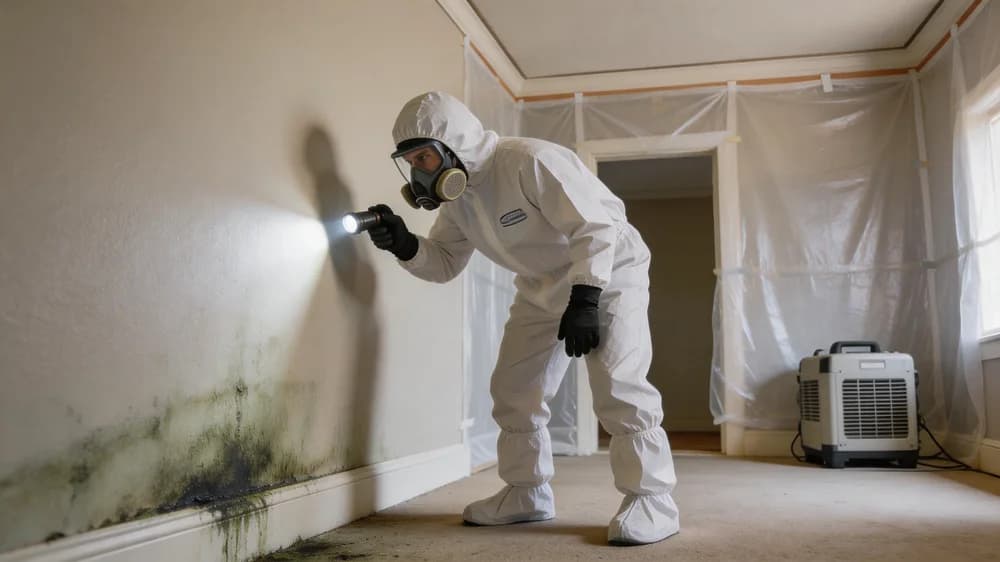
We implement rigorous containment measures that go beyond standard residential protocols, including full negative pressure enclosures, HEPA air scrubbing in adjacent occupied areas, and continuous air monitoring at the containment boundary to verify that no spores are escaping into occupied spaces.
Clear Communication
We work with school administrators to develop clear communication for parents, staff, and the community about the scope of work, safety measures, and timeline. Transparency builds trust and reduces anxiety about the remediation process.
Post-Remediation Verification
Clearance testing is performed by an independent third party before any remediated area is reoccupied. We do not consider a project complete until air quality results confirm that the space is safe for students and staff.
Prevention Strategies for School Districts
Proactive mold prevention saves school districts significant money and disruption compared to reactive remediation:
- Maintain HVAC systems with regular filter changes, coil cleaning, and drain pan inspection
- Keep indoor humidity below 50 percent, including during unoccupied periods
- Address roof leaks, plumbing failures, and water damage within 24 hours
- Inspect above-ceiling areas and below-grade spaces at least annually
- Ensure adequate ventilation in all occupied spaces, meeting ASHRAE standards for educational facilities
- Run HVAC systems at reduced capacity during breaks rather than shutting down completely
- Train custodial staff to recognize early signs of moisture problems and mold
- Develop and maintain a written indoor air quality management plan
If your school or district is dealing with mold concerns, or if you want to implement a proactive prevention program, contact Advanced DRI. Our team has the experience, certifications, and sensitivity to school environments needed to protect your students, staff, and facilities.
Frequently Asked Questions
Can students remain in the building during mold remediation?
It depends on the scope and location of the contamination. For localized problems, remediation can often be performed in contained sections while the rest of the building remains occupied. For widespread contamination, temporary relocation may be necessary. Advanced DRI works with school administrators to determine the safest approach and minimize educational disruption.
Who is responsible for mold remediation in school buildings?
The school district or building owner is typically responsible for maintaining the facility in a safe and habitable condition, which includes addressing mold contamination. State education departments, local health departments, and OSHA all have potential oversight authority depending on the circumstances. We help school administrators navigate these requirements.
How can parents determine if their child's school has a mold problem?
Parents should watch for patterns such as children developing respiratory symptoms that improve on weekends and school breaks, persistent musty odors reported by students, and visible water damage or staining in classrooms. If you suspect a problem, contact the school administration and local health department. Schools can request a professional indoor air quality assessment from companies like Advanced DRI.
Does insurance cover mold remediation in schools?
Many school district insurance policies include coverage for mold remediation, particularly when the mold results from a covered event such as a pipe burst, roof failure, or storm damage. Coverage varies by policy, and districts should review their coverage with their insurance provider. Advanced DRI provides detailed documentation to support insurance claims for school mold remediation.
Categories
Need Restoration Services?
Our team is available 24/7 for emergency response. Call us today for a free phone consultation.
Questions About Restoration?
Our experts are ready to help. Contact us for a free consultation.