
Mold in Historic Buildings: Preserving Heritage During Remediation
Elsa Boyer is a Regional Operations Manager for Advanced Disaster Recovery, based in Harrisburg, Pennsylvania, overseeing commercial and healthcare restoration projects. She holds a Bachelor of Arts from Valparaiso University and a deep certification portfolio, including ICRA Certified Healthcare Remediator Supervisor and multiple IICRC designations across commercial drying, structural drying, water, and fire & smoke restoration.
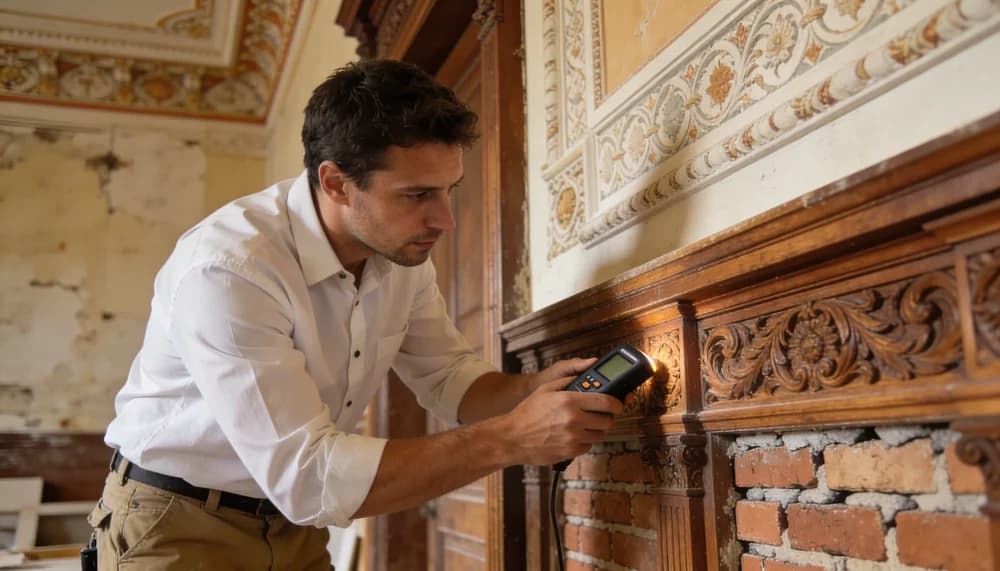
Historic building mold remediation requires specialized techniques to eliminate contamination while preserving original materials. Learn Advanced DRI's approach
The Unique Challenge of Mold in Historic Structures
The Northeast is rich with historic buildings, from colonial-era homes and Victorian mansions to pre-war apartment buildings, churches, and public institutions. These structures are architectural treasures, but their age and construction methods make them particularly susceptible to mold, and particularly challenging to remediate without causing damage to irreplaceable materials.
At Advanced DRI, we have extensive experience working in historic properties across New York, New Jersey, Pennsylvania, and Connecticut. We understand that mold remediation in these buildings is not simply a matter of removing contaminated materials and replacing them. Every original beam, plaster detail, and period finish has cultural and financial value that must be weighed against the need to create a safe, healthy indoor environment.
Why Historic Buildings Are Prone to Mold
Several characteristics of older construction make historic buildings more vulnerable to mold growth than modern structures:
- Lack of modern moisture barriers: Buildings constructed before the mid-20th century typically lack the vapor barriers, waterproof membranes, and drainage systems that are standard in modern construction. Moisture from the ground, exterior walls, and roof assemblies has more direct paths into the building interior.
- Solid masonry construction: Many historic buildings use solid brick or stone walls without cavity drainage. These walls absorb and retain moisture from rain, groundwater, and condensation, creating persistent damp conditions on interior surfaces.
- Limited ventilation: Original HVAC systems, or the absence of mechanical ventilation entirely, can result in poor air circulation that allows humidity to accumulate in enclosed spaces.
- Deferred maintenance: Aging roofs, deteriorating pointing, failed window glazing, and compromised flashing allow water intrusion that goes unaddressed when budgets are tight or building ownership changes.
- Organic building materials: Horsehair plaster, wood lath, solid timber framing, and natural fiber insulation provide abundant food sources for mold colonies.
The Risks of Standard Remediation Approaches
Conventional mold remediation techniques designed for modern construction can cause irreversible damage when applied to historic buildings:
- Aggressive demolition: Removing plaster, lath, and framing to access mold-affected areas destroys original materials that cannot be authentically replicated.
- Chemical treatments: Some antimicrobial products can stain, bleach, or chemically alter historic finishes, wood, and masonry surfaces.
- Excessive moisture: Pressure washing or wet cleaning methods can introduce additional moisture into already vulnerable materials.
- Improper containment: Containment barriers attached with adhesives or mechanical fasteners can damage delicate surfaces, decorative elements, and original finishes.
Advanced DRI's Approach to Historic Building Mold Remediation
Our mold remediation team uses modified techniques specifically developed for sensitive environments where material preservation is a priority.
Detailed Pre-Remediation Assessment
Before any work begins, we conduct a comprehensive assessment that evaluates both the mold contamination and the historic significance of affected materials. We document the condition of original elements, identify which materials can be cleaned in place versus which require removal, and develop a remediation plan that minimizes impact on the building's character.
Selective and Conservative Removal
Rather than wholesale demolition, we use targeted removal techniques that preserve as much original material as possible. We carefully disassemble affected areas, salvaging reusable materials and documenting their location for reinstallation. Only materials that are too damaged to save or too contaminated to clean safely are removed.
Appropriate Cleaning Methods
We select cleaning methods based on the specific material being treated:
- HEPA vacuuming: Effective for removing surface mold from wood, masonry, and plaster without introducing moisture or chemicals.
- Dry ice blasting: A non-abrasive cleaning method that removes mold from wood and masonry surfaces using frozen carbon dioxide pellets. It leaves no chemical residue and does not add moisture to the substrate.
- Controlled sanding: For wood surfaces with embedded mold, careful sanding removes the contaminated surface layer while preserving the structural timber.
- Material-compatible antimicrobials: When antimicrobial treatment is necessary, we use products that are compatible with the specific material and will not cause staining, bleaching, or chemical damage.
Gentle Containment Solutions
We use containment methods that protect clean areas without damaging historic surfaces. This may include freestanding containment structures, friction-fit barriers, and attachment methods that avoid adhesives or fasteners on original finishes.
Moisture Management Without Alteration
Correcting the moisture source is essential for preventing mold recurrence, but in a historic building, this must be accomplished without altering the building's historic character. We work with building owners to develop moisture management solutions that respect the building's original design intent, such as improving exterior drainage, repointing masonry with compatible mortar, restoring original ventilation pathways, and installing discrete dehumidification systems.
Working Within Regulatory Frameworks
Many historic buildings in the Northeast are listed on national or state historic registers, located in historic districts, or subject to landmark preservation requirements. Remediation work in these buildings may require review by historic preservation commissions, adherence to the Secretary of the Interior's Standards for Rehabilitation, or compliance with local preservation ordinances.
Advanced DRI has experience navigating these requirements and coordinating with preservation officials, architects, and building owners to ensure that remediation work meets both environmental health standards and preservation guidelines.
Preventing Mold in Historic Buildings
Long-term mold prevention in historic buildings requires ongoing attention to moisture management:
- Maintain exterior masonry through regular repointing with compatible mortar
- Keep roofing, flashing, and gutters in good repair
- Monitor interior humidity levels and use dehumidification in problem areas
- Ensure adequate ventilation in all occupied spaces
- Address water damage immediately, no matter how minor it appears
- Conduct annual inspections of basements, attics, and areas around plumbing and exterior walls
If you own or manage a historic building and are concerned about mold, contact Advanced DRI for a consultation. We will develop a remediation strategy that protects both the health of your building's occupants and the integrity of its historic materials.
Frequently Asked Questions
Can mold be removed from original plaster without destroying it?
In many cases, yes. If the plaster is structurally sound and the mold has not penetrated deeply into the material, surface cleaning with HEPA vacuuming and appropriate antimicrobial treatment can remove the contamination while preserving the original plaster. However, plaster that has become soft, crumbling, or heavily saturated may need to be removed and replaced with compatible materials.
Does mold remediation in a historic building cost more?
Historic building remediation typically requires more time and specialized techniques than standard remediation, which can increase costs. However, the cost of remediation is generally far less than the cost of replacing destroyed historic materials, and preservation-focused remediation protects the property's long-term value. We provide transparent estimates so building owners can make informed decisions.
Will remediation affect my building's historic designation?
Properly executed remediation that follows preservation standards should not negatively affect historic designation. In fact, addressing mold and moisture problems preserves the building's historic materials and prevents further deterioration. Advanced DRI coordinates with preservation authorities when required to ensure compliance with applicable guidelines.
How do you handle mold in areas with lead paint or asbestos?
Historic buildings frequently contain lead paint and asbestos-containing materials in addition to mold. Our team is certified to handle all three hazards and coordinates remediation to address multiple contaminants safely and efficiently. Our lead and asbestos abatement services can be integrated with mold remediation when needed.
Categories
Need Restoration Services?
Our team is available 24/7 for emergency response. Call us today for a free phone consultation.

Questions About Restoration?
Our experts are ready to help. Contact us for a free consultation.