Lead Paint Hazards During Renovation: What Homeowners Must Know
Elsa Boyer is a Regional Operations Manager for Advanced Disaster Recovery, based in Harrisburg, Pennsylvania, overseeing commercial and healthcare restoration projects. She holds a Bachelor of Arts from Valparaiso University and a deep certification portfolio, including ICRA Certified Healthcare Remediator Supervisor and multiple IICRC designations across commercial drying, structural drying, water, and fire & smoke restoration.
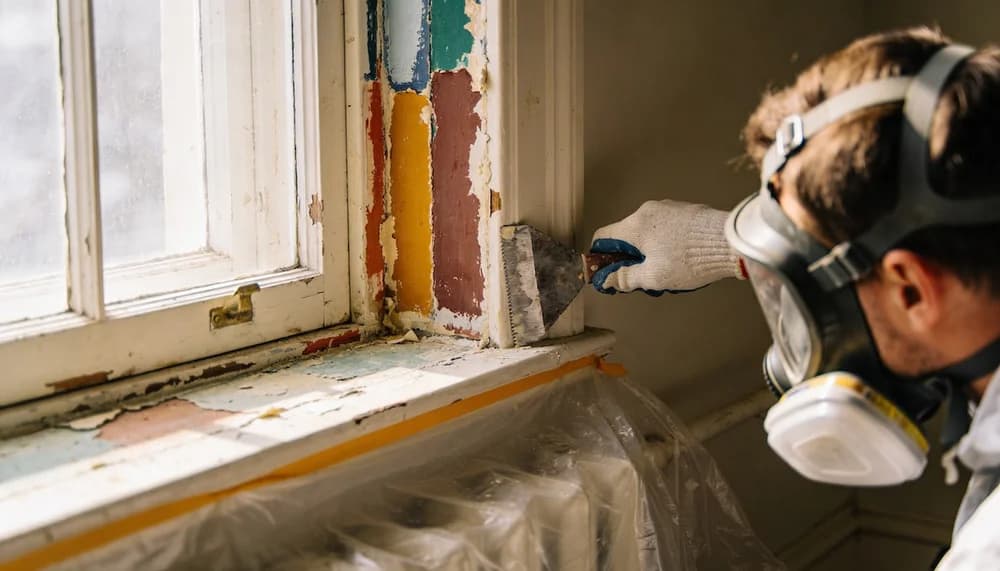
Renovating a pre-1978 home? Learn how to identify lead paint hazards, EPA RRP requirements, and why professional lead-safe practices protect your family.
The Hidden Danger in Pre-1978 Homes
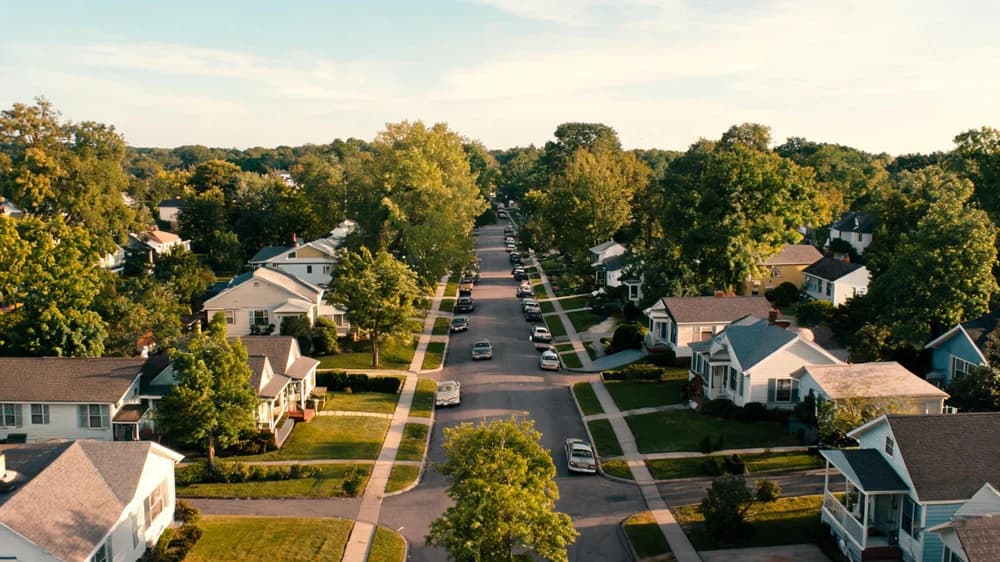
If your home was built before 1978, there is a strong possibility that it contains lead-based paint. The federal government banned consumer use of lead paint in 1978, but millions of homes across New York, New Jersey, Pennsylvania, and Connecticut still have lead paint on walls, trim, windows, doors, and exterior surfaces. When that paint is intact and in good condition, it poses minimal risk. But when renovation, repair, or remodeling work disturbs lead paint, it creates lead dust and paint chips that are extremely hazardous, particularly to young children and pregnant women.
At Advanced DRI, our lead abatement team works with homeowners and contractors to ensure that renovation projects in older homes are conducted safely and in compliance with federal and state regulations.
How Renovation Creates Lead Hazards
Many common renovation activities generate dangerous levels of lead dust:
- Sanding and scraping: Surface preparation for repainting is one of the most common sources of lead dust. Power sanding can generate enormous quantities of fine lead particles that become airborne and settle throughout the home.
- Cutting and demolition: Sawing through painted wood trim, removing old windows, or demolishing walls creates lead-contaminated dust and debris.
- Heat application: Using heat guns or torches to soften paint for removal vaporizes lead, creating toxic fumes that are extremely dangerous when inhaled.
- Drilling and nailing: Even small disturbances like drilling holes for shelving or nailing picture hangers can create lead dust if the paint is lead-based.
- Window replacement: Old windows are among the most concentrated sources of lead paint in homes, and removing them generates substantial lead dust from friction surfaces where paint has been worn over decades of opening and closing.
Health Risks of Lead Exposure
Lead is a cumulative toxin that affects nearly every system in the body. There is no safe level of lead exposure for children.
Children
Children under six are most vulnerable because they absorb lead more readily than adults and because their developing brains and nervous systems are particularly sensitive. Lead exposure in children can cause:
- Developmental delays and learning disabilities
- Behavioral problems including hyperactivity and attention difficulties
- Reduced IQ
- Hearing and speech problems
- Slowed growth
- Damage to the brain and nervous system at high levels
Adults
Adults exposed to lead during renovation work can experience:
- High blood pressure and cardiovascular effects
- Kidney damage
- Nervous system disorders
- Reproductive problems
- Muscle and joint pain
- Memory and concentration difficulties
Pregnant Women
Lead crosses the placental barrier and can affect fetal development. Pregnant women exposed to lead during renovation are at risk for premature birth, low birth weight, and developmental effects in the child.
EPA Renovation, Repair, and Painting Rule
The EPA's Renovation, Repair, and Painting (RRP) Rule establishes requirements for any renovation work that disturbs painted surfaces in pre-1978 homes, child-occupied facilities, and schools. Key requirements include:
- Certified renovators: Renovation work must be performed or supervised by an EPA-certified renovator who has completed accredited training.
- Certified firms: The company performing the work must be certified by the EPA.
- Lead-safe work practices: Specific containment, cleanup, and waste disposal procedures must be followed to minimize lead dust exposure.
- Pre-renovation notification: Property owners and occupants must be provided with the EPA pamphlet "Renovate Right" before work begins.
- Recordkeeping: Certified firms must maintain records of compliance for three years.
Violations of the RRP Rule can result in fines of up to $37,500 per day per violation. More importantly, non-compliant renovation work can contaminate your home and endanger your family.
State-Specific Requirements
In addition to federal requirements, Northeast states have additional lead safety regulations:
- New York: NYC Local Law 1 requires property owners to address lead paint hazards in dwellings where children under six reside. The state also requires specific licensing for lead abatement contractors.
- New Jersey: Lead abatement work requires state certification, and the state has established lead-safe housing standards that go beyond federal minimums.
- Pennsylvania: The state requires certification for lead abatement contractors and has specific requirements for lead hazard control in rental housing.
- Connecticut: Connecticut requires lead abatement licensing and has established requirements for lead testing in properties built before 1978 during certain real estate transactions.
How to Protect Your Family During Renovation
If you are planning renovation work in a pre-1978 home, take these steps:
Test Before You Renovate
Have painted surfaces tested for lead before any work begins. Testing can be performed using EPA-recognized test kits or through XRF (X-ray fluorescence) analysis by a certified lead inspector. Our team at Advanced DRI can perform comprehensive lead testing to identify all lead paint locations in your home.
Hire Certified Professionals
Ensure that any contractor working in your home is EPA RRP-certified. Ask for their certification documentation before work begins. For projects involving significant lead paint disturbance, consider hiring a certified lead abatement contractor like Advanced DRI.
Implement Lead-Safe Work Practices
Proper lead-safe practices include:
- Containing the work area with plastic sheeting to prevent dust migration
- Using HEPA-filtered equipment for dust-generating work
- Wet methods to suppress dust during cutting, sanding, and scraping
- Prohibiting open flame burning, uncontained power sanding, and heat gun use above 1100 degrees Fahrenheit
- Thorough HEPA cleaning of the work area and adjacent spaces after each work session
- Proper disposal of lead-contaminated waste according to local regulations
Relocate Vulnerable Occupants
Children under six and pregnant women should not be present in the home during renovation work that disturbs lead paint. They should not return until the area has been professionally cleaned and clearance testing confirms safe lead dust levels.
Advanced DRI's Lead-Safe Approach
Our lead abatement services encompass testing, containment, safe removal, and clearance verification. We hold all required federal and state certifications and follow strict lead-safe work practices on every project. Whether you need pre-renovation testing, lead paint abatement, or lead-safe renovation oversight, contact Advanced DRI to protect your family and your investment.
Frequently Asked Questions
How do I know if my home has lead paint?
If your home was built before 1978, assume it may contain lead paint until testing proves otherwise. The older the home, the more likely and the higher the concentration. Homes built before 1960 are particularly likely to contain lead paint. Professional testing using XRF analysis or laboratory paint chip analysis provides definitive results.
Can I just paint over lead paint instead of removing it?
Encapsulation, which involves covering lead paint with a specially designed coating, can be a viable option when the existing paint is in stable condition and the surface will not be subject to friction or impact. However, encapsulation is a temporary solution and must be maintained over time. It is not appropriate for deteriorating surfaces, friction surfaces like windows and doors, or surfaces that will be disturbed by future work.
Is a DIY renovation in a pre-1978 home legal?
The EPA RRP Rule applies to renovations performed for compensation, meaning it primarily targets contractors. Homeowners performing work in their own home are technically exempt from RRP requirements. However, this exemption does not apply if the home is a rental property or child-occupied facility. Regardless of legal requirements, the health risks of lead dust exposure are the same whether the work is done by a professional or a homeowner, and lead-safe practices should always be followed.
What should I do if I already completed renovation without lead-safe practices?
If renovation work was performed without lead-safe practices in a pre-1978 home, have the home professionally tested for lead dust contamination. A lead-certified cleaning company can perform a thorough decontamination if elevated lead levels are found. If children or pregnant women live in the home, consult their physician about blood lead level testing. Contact Advanced DRI for professional lead dust testing and cleanup.
Categories
Need Restoration Services?
Our team is available 24/7 for emergency response. Call us today for a free phone consultation.


Questions About Restoration?
Our experts are ready to help. Contact us for a free consultation.