
How Spring Thaw Creates Mold Risks in Northeast Homes
Elsa Boyer is a Regional Operations Manager for Advanced Disaster Recovery, based in Harrisburg, Pennsylvania, overseeing commercial and healthcare restoration projects. She holds a Bachelor of Arts from Valparaiso University and a deep certification portfolio, including ICRA Certified Healthcare Remediator Supervisor and multiple IICRC designations across commercial drying, structural drying, water, and fire & smoke restoration.
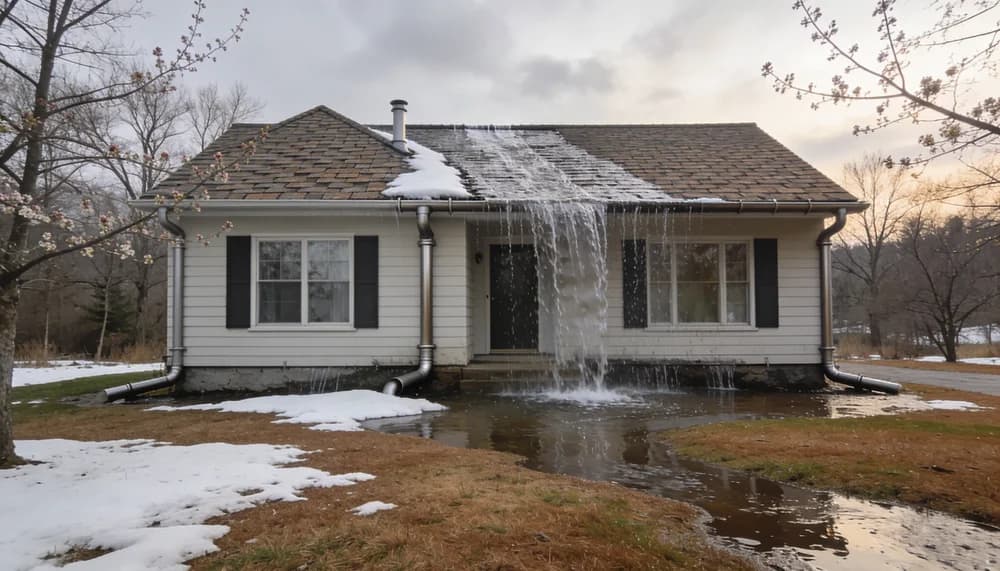
Spring thaw brings hidden mold risks to Northeast homes through snowmelt intrusion, rising humidity, and basement flooding. Learn how to protect your property.
Spring Thaw: A Critical Season for Mold Prevention
For homeowners across New York, New Jersey, Pennsylvania, and Connecticut, the transition from winter to spring brings welcome warmer temperatures but also a set of moisture conditions that make this season one of the highest-risk periods for mold development. At Advanced DRI, we see a significant spike in mold remediation calls every spring, and in most cases, the problems could have been reduced or prevented with early awareness and action.
Understanding how spring thaw creates mold risks is the first step toward protecting your home and your family's health during this transitional season.
How Snowmelt Threatens Your Home
A typical Northeast winter deposits substantial snow accumulation on roofs, around foundations, and across landscapes. When temperatures rise in March and April, that frozen water becomes liquid and needs somewhere to go. Unfortunately, your home is often directly in its path.
Foundation Water Intrusion
As snow piled against your foundation melts, the water saturates the soil immediately adjacent to your home. If your grading directs water toward the foundation rather than away from it, or if foundation walls have cracks or gaps, this meltwater seeps into basements and crawl spaces. The result is damp conditions that mold colonizes within 24 to 48 hours.
Ice Dam Aftermath
Ice dams that formed along roof edges during winter often force water under shingles and into attic spaces, wall cavities, and ceiling assemblies. While the ice dam itself may have caused visible leaking during winter, the moisture that penetrated building materials can remain trapped inside walls and insulation through the cold months. As spring temperatures warm these spaces, dormant moisture activates mold growth that may have been suppressed by freezing conditions.
Gutter and Downspout Overflow
Gutters clogged with winter debris and ice cannot manage the volume of water produced by rapid snowmelt. Overflowing gutters deposit water directly against the exterior walls and foundation, creating moisture pathways into the building envelope.
Rising Humidity and Temperature Changes
Beyond direct water intrusion, the spring season creates atmospheric conditions that favor mold growth:
- Increasing outdoor humidity: As temperatures rise, outdoor humidity levels climb. Opening windows for fresh spring air introduces that moisture into your home.
- Temperature differentials: Cool basement and crawl space surfaces meeting warmer, humid air create condensation. This condensation on walls, pipes, and ductwork provides the moisture mold needs to establish colonies.
- Delayed HVAC transitions: Many homeowners stop running heating systems before starting air conditioning, creating a gap period where neither system is managing indoor humidity. This transition period can allow indoor humidity to spike above the 60 percent threshold where mold thrives.
High-Risk Areas in Your Home During Spring
Certain areas of your home are particularly vulnerable during the spring thaw period:
Basements and Crawl Spaces
These below-grade spaces receive the brunt of snowmelt water intrusion and are naturally cooler, creating condensation opportunities. Check for standing water, damp walls, musty odors, and visible mold on surfaces, stored items, and exposed framing.
Attic Spaces
Winter ice dam damage, condensation from inadequate ventilation, and roof leak aftermath make attics a prime spring mold location. Inspect insulation, roof sheathing, and around penetrations such as plumbing vents and chimneys.
Window Wells and Sills
Window wells that fill with snowmelt can force water through window seals. Check for moisture, staining, or mold growth on window sills, frames, and surrounding drywall.
Exterior Wall Cavities
Water that entered wall cavities during winter through ice dam damage, wind-driven rain, or flashing failures may not become apparent until warmer spring temperatures activate mold growth. Watch for paint bubbling, drywall staining, or musty odors along exterior walls.
Spring Mold Prevention Checklist
Our team at Advanced DRI recommends these proactive steps as the snow begins to melt:
- Clear snow from the foundation: Remove snow that has accumulated against your home's foundation walls to reduce the volume of meltwater directly adjacent to the building.
- Inspect and clean gutters: Ensure gutters and downspouts are clear of debris and directing water at least four to six feet away from the foundation.
- Check grading: Verify that the ground slopes away from your foundation on all sides. Correct any areas where settling has created negative grade that directs water toward the home.
- Run dehumidifiers: Start operating dehumidifiers in basements and crawl spaces as soon as temperatures begin rising. Target a relative humidity level below 50 percent.
- Inspect for winter damage: Walk your property looking for signs of ice dam damage, displaced flashing, cracked foundation walls, and compromised window seals.
- Check sump pumps: Test your sump pump to ensure it is operational before the heaviest melt periods arrive. Clear the discharge line of any ice blockages.
- Ventilate the attic: Verify that soffit vents, ridge vents, and gable vents are unobstructed to allow proper air circulation that reduces moisture accumulation.
- Schedule HVAC maintenance: Have your HVAC system serviced to ensure it is ready to manage humidity as the cooling season approaches.
What to Do If You Find Mold This Spring
If your spring inspection reveals mold growth or conditions that suggest hidden contamination, take these steps:
- Do not disturb the mold. Scrubbing or wiping mold without containment releases spores into the air and can spread contamination to other areas.
- Increase ventilation in the affected area if possible without spreading spores to clean areas.
- Document the mold with photographs, noting the size of the affected area and any associated water damage.
- Contact Advanced DRI for a professional assessment. Our team can determine the extent of contamination, identify the moisture source, and develop a remediation plan.
Spring mold problems that are addressed quickly are typically less extensive and less costly to remediate than those left to develop through the warm, humid summer months. Our mold remediation team responds quickly to protect your home and restore safe indoor air quality.
If your home experienced any water damage during the winter, a spring mold assessment is especially important. Contact Advanced DRI to schedule an inspection before warm weather accelerates mold growth.
Frequently Asked Questions
Does mold grow during winter or only start in spring?
Some mold species can grow at temperatures just above freezing, but growth is typically very slow in cold conditions. The primary concern during spring is that moisture introduced during winter remains trapped in building materials and activates rapid mold growth as temperatures rise. The combination of existing moisture and warming temperatures creates ideal conditions for explosive mold colonization.
My basement smells musty every spring. Is that normal?
A musty smell in the basement during spring is common but not normal in the sense that it should be accepted. That odor indicates active mold growth or excessive moisture, both of which should be addressed. Persistent musty odors warrant professional inspection to identify and correct the moisture source before mold contamination becomes extensive.
How soon after a thaw should I inspect for mold?
We recommend inspecting your home within the first two weeks of sustained above-freezing temperatures. Mold can begin growing within 24 to 48 hours of moisture exposure, so early inspection allows you to catch problems before they become extensive. Focus on basements, crawl spaces, attic areas near the roof edge, and any areas where you noticed ice dams or leaking during winter.
Can I prevent mold by just running a dehumidifier?
Dehumidifiers are an important tool for controlling indoor humidity, but they cannot solve mold problems caused by active water intrusion. If snowmelt is entering your basement through foundation cracks or failed waterproofing, the water source must be corrected. A dehumidifier manages ambient humidity but cannot keep up with ongoing water infiltration.
Categories
Need Restoration Services?
Our team is available 24/7 for emergency response. Call us today for a free phone consultation.



Questions About Restoration?
Our experts are ready to help. Contact us for a free consultation.