Fire Damage Restoration Process: From Assessment to Rebuild
Rob Temples manages emergency restoration operations for Advanced DRI's Fairfield, NJ and New York City service areas. With 10 years in the restoration industry and prior experience working for a general contractor, he integrates construction knowledge with mitigation expertise on every project and holds an IICRC Water Restoration Technician (WRT) certification.

The fire damage restoration process involves multiple steps from assessment to rebuild. Learn what to expect and how to work with fire damage restoration company.
Understanding Fire Damage Remediation: What Property Owners Need to Know
Fire damage remediation encompasses far more than repairing visible burn marks. The fire damage restoration process addresses multiple damage types simultaneously: structural fire damage, pervasive smoke odors, soot contamination, and water damage from firefighting efforts. Each element requires specialized techniques and equipment that only a qualified fire damage restoration company provides. Professional fire damage restoration differs significantly from DIY cleanup attempts. Attempting to handle fire damage and restoration without proper training risks further property damage, health hazards from toxic residue, and potential insurance claim complications. The complexity of modern building materials means that fire affects properties in ways that aren't always immediately visible to untrained individuals. 💡 Pro Tip: Contact a fire damage restoration company within 24-48 hours of the incident. Smoke and soot become increasingly difficult to remove as time passes, and secondary damage from water and humidity accelerates rapidly.
Phase 1: Emergency Contact and Initial Assessment
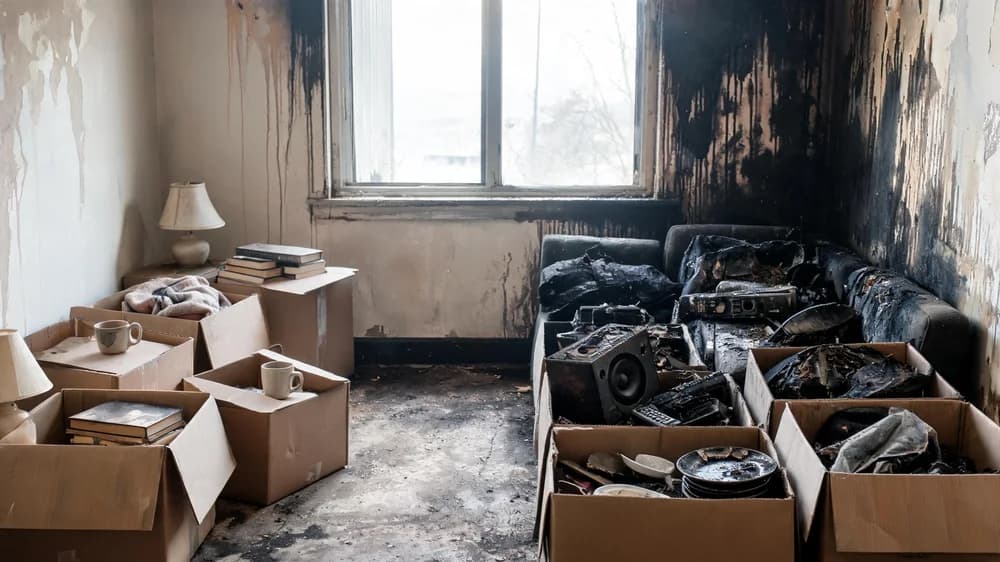
The fire damage and restoration journey begins the moment you contact a fire damage restoration company for help. Emergency response teams typically arrive within hours to assess the situation and begin stabilization efforts. During the initial assessment, restoration professionals evaluate: Structural Safety Technicians inspect the building's structural integrity, checking for compromised beams, weakened floors, and potential collapse hazards. This assessment determines which areas are safe to enter and which require immediate reinforcement. Damage Categorization Fire damage falls into different categories based on severity. Clean burn damage from direct flames requires different treatment than smoke damage in adjacent rooms. Heavy soot accumulation demands more aggressive cleaning than light smoke residue. Content Inventory Teams document all affected belongings, photographing damage for insurance purposes. This inventory separates salvageable items from total losses, creating a roadmap for the restoration process. Moisture Assessment Water damage from fire suppression efforts often exceeds the fire damage itself. Professionals use moisture meters and thermal imaging cameras to identify all affected areas, including hidden pockets within walls and under flooring.
| Assessment Component | Tools Used | Purpose |
|---|---|---|
| Structural Evaluation | Visual inspection, probing tools | Ensure building safety and identify hazards |
| Smoke Pattern Analysis | Documentation cameras, testing equipment | Determine cleaning protocols needed |
| Moisture Mapping | Moisture meters, thermal imaging | Locate all water-damaged areas |
| Air Quality Testing | Particulate monitors, odor detection | Establish cleaning benchmarks |
| Content Documentation | Photography, inventory software | Insurance claims and restoration planning |
Phase 2: Emergency Board-Up and Property Stabilization
Immediate security measures protect your property from additional damage, theft, and weather exposure. When searching for fire damage repair near me services, emergency board-up represents a critical first step in the fire damage remediation process. Restoration teams secure all openings created by the fire or firefighting efforts. Broken windows receive plywood boarding, damaged doors get temporary replacements, and compromised roof sections receive emergency tarping. These measures during fire damage and restoration prevent rain intrusion, unauthorized entry, and animal infestation. Weather protection is particularly crucial. A single rainstorm can transform manageable smoke damage into extensive mold contamination. Professional tarping systems channel water away from vulnerable areas while allowing the structure to breathe and dry properly. ⚠️ Warning: Never enter a fire-damaged building without professional clearance. Weakened floors, compromised air quality, and electrical hazards pose serious safety risks even in seemingly minor fires.
Phase 3: Water Extraction and Structural Drying
Before addressing fire damage specifically, fire damage restoration company teams must eliminate all water from firefighting efforts. This phase often surprises property owners who don't realize water damage frequently exceeds fire damage in scope and cost during the fire damage and restoration process. Water Removal Process Industrial pumps and extraction units remove standing water from all affected areas. Carpets, padding, and saturated materials undergo extraction or removal depending on contamination levels and salvageability. Structural Drying Commercial dehumidifiers and air movers create optimal drying conditions. This process typically requires 3-7 days depending on the extent of water penetration. Professionals monitor moisture levels daily, adjusting equipment placement to ensure complete drying. Proper drying is essential for effective fire damage remediation. Attempting soot cleaning on damp surfaces smears contaminants deeper into materials, making stains permanent and odors impossible to eliminate through standard fire damage restoration techniques.
Phase 4: Soot and Smoke Residue Removal
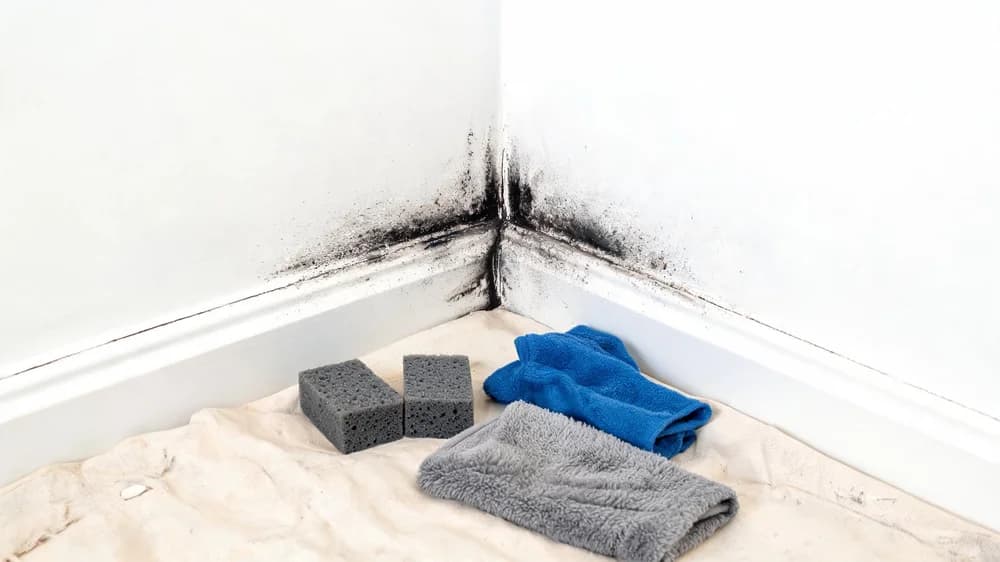
Soot removal requires specialized knowledge because different fire types create different residue characteristics. Professional fire damage remediation technicians understand that protein fires from cooking produce sticky, pungent residue. Synthetic material fires create greasy, black soot that smears easily. Natural material fires leave dry, powdery ash. Dry Cleaning Methods Specialized sponges and chemical compounds lift dry soot without smearing. This technique works on walls, ceilings, and delicate surfaces where moisture would cause additional damage. Wet Cleaning Applications Stronger cleaning solutions and agitation remove stubborn soot from durable surfaces. Walls, floors, and fixtures undergo thorough washing with pH-balanced cleaners that neutralize acidic smoke residue. Abrasive Cleaning Heavily damaged surfaces may require light abrasion or media blasting. This aggressive approach removes deeply embedded soot from concrete, brick, and metal surfaces. Immersion Cleaning Salvageable contents undergo ultrasonic cleaning or hand washing in specialized facilities. Fine fabrics, electronics, and delicate items receive appropriate treatment based on material composition and damage severity. 🏠 Home Tip: Don't attempt to clean smoke damage yourself before professional fire damage restoration company assessment. Using wrong cleaning methods during fire damage remediation can permanently set stains and drive smoke odors deeper into porous materials.
Phase 5: Odor Elimination and Air Quality Restoration
Smoke odor removal represents one of the most challenging aspects of fire damage and restoration work. Simply masking odors with air fresheners fails completely. Professional fire damage remediation specialists eliminate odor sources at the molecular level using advanced deodorization techniques. Thermal Fogging Heated deodorizing agents penetrate the same porous materials that absorbed smoke particles. This process neutralizes odors in wood, drywall, insulation, and other absorbent surfaces. Ozone Treatment Ozone generators produce molecules that chemically alter odor-causing compounds. This powerful treatment requires complete building evacuation but effectively eliminates persistent smoke smells. Hydroxyl Technology Advanced hydroxyl generators break down odor molecules while allowing safe occupancy. This newer technology offers effective deodorization without the health concerns of ozone treatment. Air Scrubbing Industrial air filtration systems remove airborne particulates and odor molecules. HEPA filtration captures microscopic soot particles that continue circulating through HVAC systems long after visible cleaning completes.
| Deodorization Method | Application | Typical Duration |
|---|---|---|
| Thermal Fogging | Structural odors in porous materials | 4-8 hours per treatment |
| Ozone Generation | Severe smoke odor in unoccupied spaces | 24-72 hours |
| Hydroxyl Treatment | Moderate odors with safe occupancy | 3-7 days continuous |
| Air Scrubbing | Particulate removal and air quality | Throughout entire process |
| Sealing and Encapsulation | Surfaces with permanent odor absorption | Applied during rebuild phase |
Phase 6: Detailed Cleaning and Sanitization
Once major soot removal and deodorization complete, detailed cleaning addresses every surface and item in the affected area. This meticulous phase of fire damage remediation ensures no contamination remains before reconstruction begins. A fire damage restoration company cleans everything from ceiling fixtures to baseboard trim. HVAC systems receive special attention during fire damage remediation because ductwork distributes soot and odors throughout the entire property. Professionals clean or replace air ducts, vents, and filtration systems to prevent re-contamination. Content restoration runs parallel to structural cleaning during the fire damage remediation process. Salvageable furniture undergoes detailed cleaning and deodorization. Electronics receive specialized treatment to remove conductive soot from sensitive components. Clothing and fabrics go through industrial laundering processes designed specifically for smoke damage and fire damage restoration. Items beyond restoration receive proper documentation for insurance purposes. Detailed photographs and itemized lists support claim processing while helping property owners understand what replacements they'll need.
Phase 7: Reconstruction and Rebuild
With cleaning complete and the structure fully dried, reconstruction transforms the cleaned shell back into a functional space. This critical phase of fire damage remediation varies dramatically based on fire severity, from minor cosmetic repairs to complete rebuilds. Minor Reconstruction Limited fire damage may only require new drywall in affected areas, fresh paint throughout, and replacement of damaged flooring. These cosmetic fire damage repair near me projects restore the property's appearance while ensuring all smoke-damaged materials are replaced rather than simply covered. Major Reconstruction Extensive fires necessitate comprehensive rebuilding through fire damage and restoration services. This work includes new framing, electrical system replacement, plumbing repairs, and complete interior finishing. Modern building codes often require upgrades beyond simple restoration, particularly in older properties. Custom Matching Fire damage restoration company teams work to match existing finishes, fixtures, and materials in unaffected areas. This attention to detail in fire damage and restoration ensures renovated sections blend seamlessly with original construction, maintaining property value and aesthetic consistency. Professional fire damage restoration company teams often provide comprehensive reconstruction services, creating continuity from emergency response through final completion. This single-source approach for fire damage and restoration simplifies communication, streamlines scheduling, and maintains accountability throughout the entire process. 💡 Pro Tip: Consider upgrades during reconstruction. Replacing damaged areas presents opportunities to improve functionality, enhance energy efficiency, and modernize outdated systems without paying separately for those renovations later.
Working With Insurance Throughout Fire Damage Repair
Insurance coordination runs through every phase of fire damage repair near me projects. Professional fire damage restoration company teams work directly with insurance adjusters, providing documentation, estimates, and progress reports that support claim approval and payment. Initial emergency services typically receive quick approval for payment. Insurance companies recognize the importance of immediate stabilization and water extraction to prevent additional damage. Comprehensive cleaning, deodorization, and reconstruction require detailed estimates and adjuster approval before proceeding. Thorough documentation protects both property owners and insurance companies during fire damage repair near me projects. Detailed photographs, moisture readings, content inventories, and daily progress notes create clear records of all work performed during fire damage remediation. This transparency accelerates claims processing and minimizes disputes over coverage. Property owners should maintain open communication with both their fire damage restoration company and insurance adjuster. Understanding coverage limits, deductibles, and policy exclusions helps set realistic expectations for the fire damage repair near me restoration process.
Timeline Expectations for Complete Fire Damage and Restoration
Fire damage restoration timelines vary significantly based on damage severity, property size, and reconstruction complexity. Understanding typical timeframes for the complete fire damage remediation process helps property owners plan temporary housing, business operations, and personal schedules. Emergency Response: Day 1 Initial contact with your fire damage restoration company leads to assessment and stabilization within hours of notification. Board-up, tarping, and water extraction begin immediately to prevent additional damage. Water Removal and Drying: Days 1-7 Complete water extraction and structural drying require 3-7 days depending on saturation levels and materials affected. Daily monitoring ensures optimal drying conditions. Cleaning and Deodorization: Days 7-21 Comprehensive cleaning, soot removal, and odor elimination through fire damage remediation typically require 2-3 weeks. Complex contamination or extensive contents may extend this phase of the fire damage restoration process. Reconstruction: Weeks 3-12+ Rebuild duration depends on damage scope. Minor repairs complete in 2-4 weeks while major reconstruction may require 3-6 months or longer for large-scale projects.
| Damage Level | Typical Completion Time | Major Factors Affecting Duration |
|---|---|---|
| Minor (Single Room) | 2-4 weeks | Content volume, odor severity |
| Moderate (Multiple Rooms) | 6-8 weeks | Structural damage, permit requirements |
| Severe (Whole House) | 3-6 months | Reconstruction scope, material availability |
| Catastrophic (Total Loss) | 6-12 months | Complete rebuild, code compliance upgrades |
Choosing the Right Fire Damage Restoration Company
Selecting qualified restoration professionals significantly impacts both the quality of results and the stress level throughout the fire damage remediation process. Several factors distinguish exceptional fire damage restoration company providers from mediocre services. 24/7 Emergency Availability Fire doesn't follow business hours. Quality fire damage restoration company teams provide true 24/7 response with immediate fire damage remediation services, not just answering services that schedule callbacks during business hours. Comprehensive Services Companies offering complete fire damage and restoration services from emergency response through final reconstruction eliminate coordination hassles and communication gaps between multiple contractors. Insurance Experience Fire damage restoration company providers with extensive insurance experience understand documentation requirements, estimating procedures, and claims processes. This expertise accelerates approval and payment throughout fire damage remediation projects. Advanced Equipment Professional-grade moisture detection, cleaning equipment, and air quality monitoring tools separate experienced fire damage restoration company providers from general contractors attempting fire damage repair near me work. Local Knowledge When searching for fire damage repair near me options, local fire damage restoration company teams offer advantages in response time, familiarity with regional building codes, and relationships with local inspectors and suppliers. ⚠️ Warning: Beware of storm chasers and fly-by-night operations that appear after major disasters. Verify licensing, insurance, and local business establishment before signing contracts.
Preventing Future Fire Damage
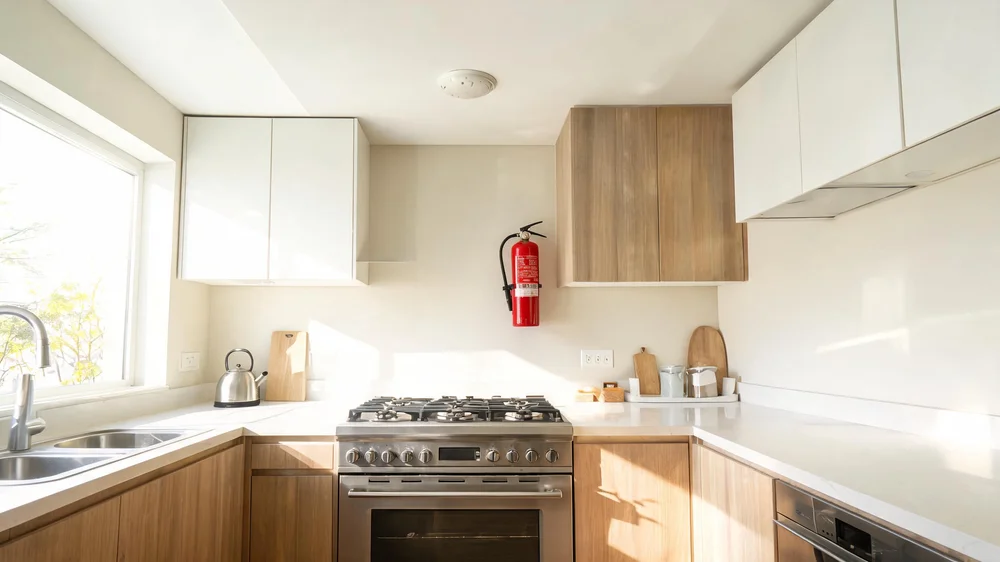
While focusing on restoration, property owners should also consider prevention measures to reduce future fire risks. Regular maintenance of electrical systems, heating equipment, and appliances prevents many residential fires. Installing interconnected smoke detectors throughout the property provides early warning. Keeping fire extinguishers accessible and ensuring all household members understand their use can minimize damage when fires do occur. Professional fire damage restoration company teams often provide prevention recommendations based on fire causes identified during assessment. These insights help property owners address vulnerabilities specific to their building's age, construction, and usage patterns, potentially avoiding future fire damage and restoration needs.
Final Thoughts on Fire Damage Restoration
The journey from fire devastation to complete restoration requires professional expertise, systematic processes, and patience. Understanding each phase of the fire damage and restoration process helps property owners make informed decisions and maintain realistic expectations throughout recovery. Professional fire damage remediation addresses the complex interplay of fire, smoke, soot, and water damage that affects properties after fires. From emergency stabilization through final reconstruction, experienced fire damage restoration company teams guide property owners through challenging times with expertise and compassion. Acting quickly, choosing qualified professionals, and maintaining clear communication with both your fire damage repair near me provider and insurance company creates the best foundation for successful recovery. Your property can emerge from fire damage fully restored, safe, and ready for its next chapter.
Frequently Asked Questions About Fire Damage Restoration
How long does fire damage restoration take?
+Can I stay in my home during fire damage repair?
+What's the difference between fire damage restoration and fire damage remediation?
+Will my insurance cover fire damage restoration?
+How do professionals remove smoke odors permanently?
+Should I hire a local fire damage restoration company?
+What should I do immediately after a fire?
+Can all my belongings be saved after fire damage?
+Categories
Need Restoration Services?
Our team is available 24/7 for emergency response. Call us today for a free phone consultation.
Questions About Restoration?
Our experts are ready to help. Contact us for a free consultation.