Fire Damage Insurance Documentation: Photos and Records You Need
Sage Southard manages the estimating department at Advanced Disaster Recovery, bringing seven years of restoration-industry experience to insurance estimating and large-loss documentation. Sage holds a Bachelor's degree in Law and Justice Studies with a minor in Business Administration from Rowan University and is OSHA 10, Xactimate Level One, and FEMA certified, as well as a Haag Certified Reviewer.
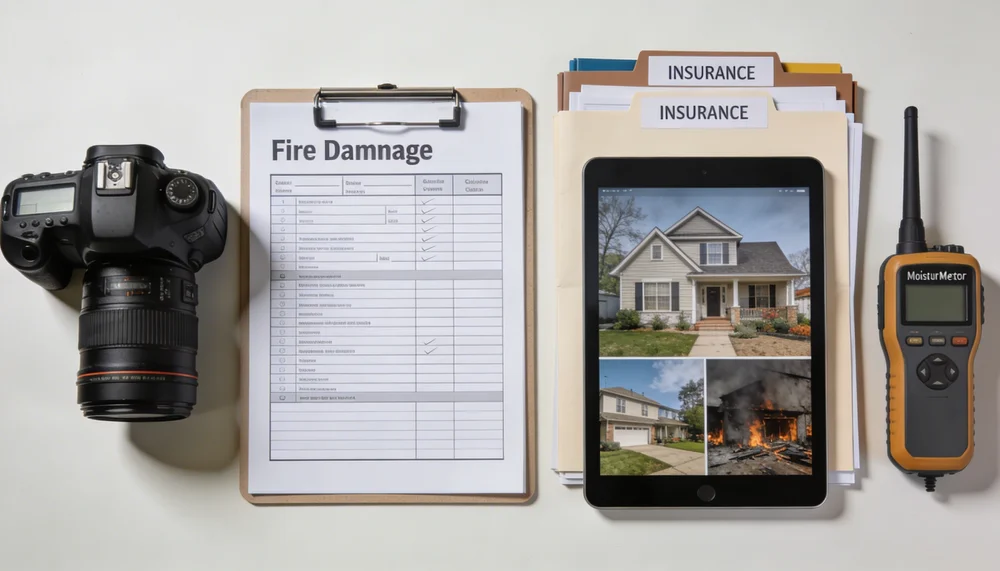
Proper documentation is critical for fire damage insurance claims. Advanced DRI details exactly what photos, records, and evidence you need.
Why Documentation Makes or Breaks Your Fire Damage Claim
After a fire, property owners face two simultaneous challenges: restoring their property and navigating the insurance claims process. While the emotional impulse is to focus entirely on cleanup and rebuilding, the documentation decisions you make in the first hours and days after a fire directly determine the outcome of your insurance claim. Incomplete or poorly organized documentation is the single most common reason fire damage claims are delayed, disputed, or settled for less than the actual loss.
At Advanced DRI, we work with property owners and insurance carriers throughout New York, New Jersey, Pennsylvania, and Connecticut. Our experience managing hundreds of fire damage claims has taught us exactly what documentation insurance adjusters need and how to present it effectively. This guide covers the essential documentation every property owner should gather after a fire.
Immediate Post-Fire Documentation
Begin documenting as soon as it is safe to access your property. The conditions immediately after a fire tell an important story that changes as cleanup and restoration proceed.
Comprehensive Photography
Photographic evidence is the foundation of every fire damage claim. Follow these guidelines for thorough photo documentation:
- Wide-angle overview shots: Photograph each room from multiple corners to capture the full scope of damage. Include doorways, windows, and ceiling areas in each frame for context.
- Detail shots: Take close-up photos of specific damage to walls, ceilings, floors, fixtures, and structural elements. Capture charring patterns, smoke staining, water damage from fire suppression, and heat damage to materials.
- Exterior documentation: Photograph all four sides of the building, the roof (if visible from ground level), any structural damage, and damage to landscaping, fencing, and outbuildings.
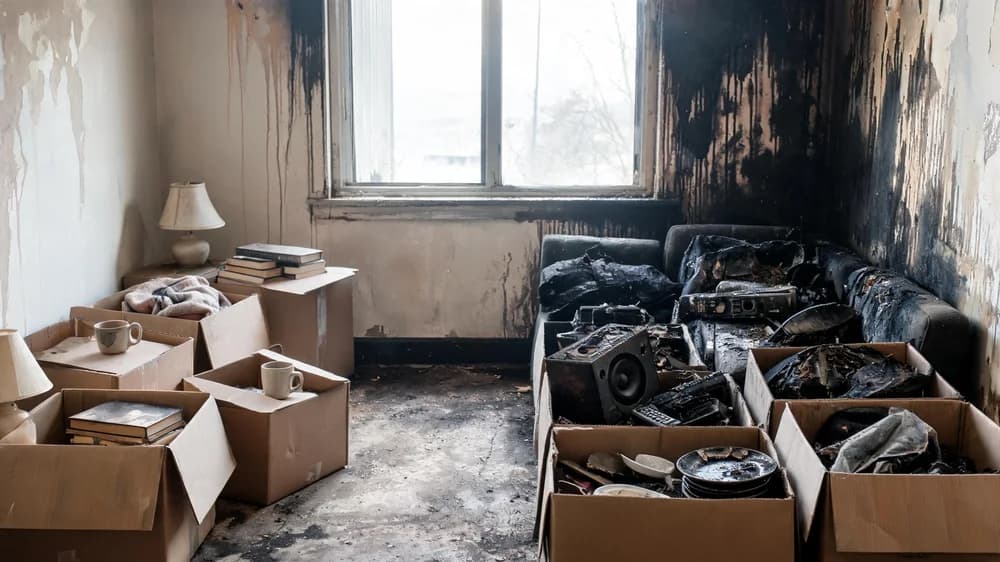
- Contents damage: Photograph damaged furniture, electronics, appliances, clothing, and personal items before anything is moved, cleaned, or discarded.
- Hidden damage: As restoration proceeds and walls are opened, photograph damage to wiring, plumbing, insulation, and framing that was concealed during initial documentation.
- Date and time stamps: Ensure your camera or phone settings include date and time stamps on all images. This establishes a timeline of conditions.
Video Walkthrough
In addition to photographs, record a video walkthrough of the entire property. Walk slowly through each room, narrating what you see. Video provides context that individual photos cannot capture, showing the relationship between damaged areas and the overall scope of the loss. Many insurance adjusters find video walkthroughs particularly helpful for understanding the full picture.
Essential Records to Gather
Pre-Loss Property Records
If accessible, gather or recreate documentation of your property's condition before the fire:
- Recent home appraisals or property assessments
- Photos or videos of rooms, furnishings, and personal property from before the fire, including social media posts, real estate listings, or family photos that show your interior
- Records of recent renovations, upgrades, or improvements with receipts and contractor documentation
- Original purchase receipts for major items such as appliances, electronics, and furniture
- Home inventory lists, if you maintained one
Fire Department Report
Obtain a copy of the fire department's incident report. This official document records the date, time, origin, and suspected cause of the fire, which are all essential for your insurance claim. Most fire departments provide copies upon request, sometimes with a small fee.
Insurance Policy Documentation
Locate your current insurance policy, including all declarations pages, endorsements, and riders. If your copy was destroyed in the fire, contact your insurance agent or carrier for a duplicate. Understanding your coverage limits, deductible, and specific provisions is essential for managing expectations and ensuring you receive your full entitlement.
Creating a Detailed Contents Inventory
One of the most time-consuming but critical documentation tasks is creating a comprehensive inventory of all damaged or destroyed personal property. Insurance carriers require itemized lists to process contents claims.
For each item, document:
- Description of the item, including brand, model, and size where applicable
- Date and location of purchase, if known
- Original purchase price
- Current replacement cost, which you can estimate using current retail prices
- Condition of the item before the fire
- Extent of damage sustained in the fire
Work room by room to ensure nothing is overlooked. Include items in closets, cabinets, drawers, storage areas, the garage, and outdoor spaces. People commonly forget to document items such as window treatments, light fixtures, built-in shelving contents, cleaning supplies, pantry items, holiday decorations, and tools.
How Advanced DRI Supports Your Claim
At Advanced DRI, documentation is built into every phase of our fire damage restoration process. Here is how we support your insurance claim:
Professional Damage Assessment Reports
Our certified technicians produce detailed damage assessment reports that identify all fire, smoke, water, and structural damage throughout the property. These reports use industry-standard terminology and include measurements, moisture readings, and air quality data that insurance adjusters recognize and trust.
Photo and Video Documentation
We photograph and video-document conditions at every stage of restoration, from initial damage through completed repairs. This creates a comprehensive visual record that tracks the scope of work performed and justifies the restoration costs.
Scope of Work and Cost Estimates
We prepare detailed, line-item estimates using Xactimate, the estimating software used by most insurance carriers. This ensures that our estimates are formatted and priced in a way that aligns with your insurance company's processes, reducing disputes and accelerating approvals.
Contents Inventory Assistance
Our contents restoration team creates professional inventories of all salvageable and non-salvageable items, complete with photographs, descriptions, and condition assessments. This documentation is often far more thorough than what property owners can produce on their own, and it supports higher claim values for damaged contents.
Direct Insurance Communication
We communicate directly with your insurance adjuster, providing requested documentation, answering technical questions, and clarifying scope items. This professional liaison often resolves questions faster than homeowner-to-adjuster communication and helps prevent misunderstandings that delay claims.
Common Documentation Mistakes to Avoid
Based on our extensive experience with fire damage claims, avoid these common documentation errors:
- Discarding items before documenting them: Never throw away damaged items without photographing them and adding them to your contents inventory. Once items are discarded, proving their existence and condition becomes extremely difficult.
- Cleaning before documenting: Do not clean smoke damage or soot from surfaces before they have been thoroughly photographed. Clean surfaces do not tell the insurance adjuster the story of the damage.
- Incomplete room coverage: Document every room, including bathrooms, closets, utility spaces, and the garage. Smoke damage frequently extends to areas far from the fire origin.
- Forgetting structural components: Document damage to walls, ceilings, flooring, doors, windows, insulation, and HVAC components, not just personal contents.
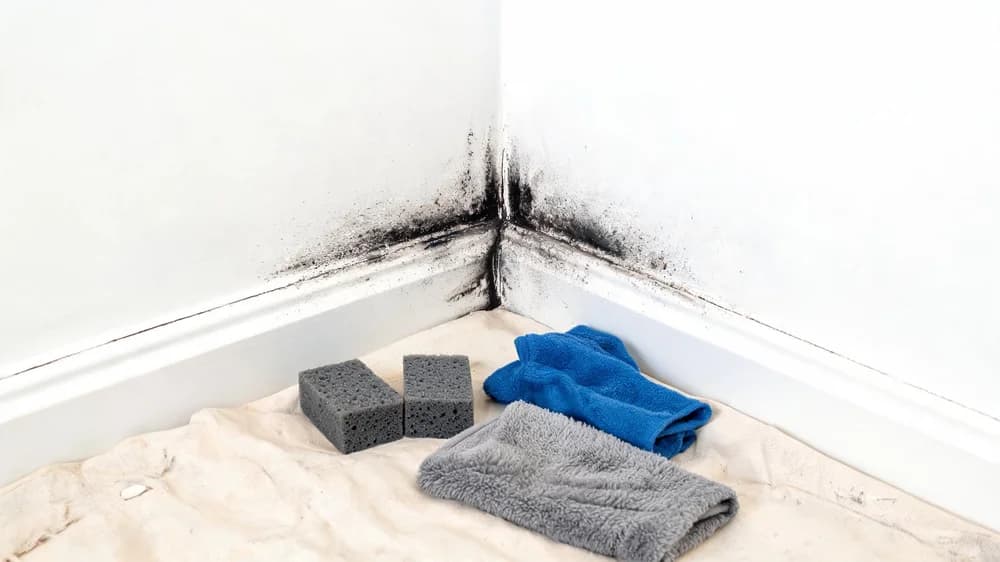
- Failing to document secondary damage: Water damage from fire suppression, mold growth resulting from moisture, and progressive smoke damage are all part of the fire loss and should be documented for your claim.
Start Documenting Immediately
The best time to begin fire damage documentation is immediately after the fire department clears the scene. The second best time is right now. If your property has experienced fire damage, contact Advanced DRI for emergency response. Our team begins professional documentation from the moment we arrive on site, building the foundation for a successful insurance claim while simultaneously protecting your property from further damage.
Frequently Asked Questions
What if I do not have receipts for items destroyed in the fire?
Receipts are helpful but not required for most items. Insurance carriers accept credit card statements, bank records, online purchase histories, and even sworn statements of ownership and value. For common household items, adjusters use published price guides to estimate replacement costs. Advanced DRI's contents inventory process documents items professionally regardless of whether original receipts exist.
Should I hire a public adjuster for my fire damage claim?
A public adjuster can be valuable for large or complex claims, particularly if you feel your insurance carrier's initial estimate is significantly below the actual loss. Public adjusters work on your behalf and are paid a percentage of the claim settlement. Advanced DRI works cooperatively with both insurance company adjusters and public adjusters to ensure accurate scope documentation.
How long do I have to file a fire damage insurance claim?
Notification deadlines vary by policy and state, but most policies require prompt notification, typically within 24 to 72 hours. The formal proof of loss document usually has a longer deadline, often 60 to 90 days. However, we strongly recommend filing your claim as soon as possible. Early notification gets the claims process started and provides access to emergency funds for living expenses and immediate mitigation costs.
Can Advanced DRI help if my fire damage claim has been denied or underpaid?
Yes. If you believe your claim has been unfairly denied or undervalued, our team can provide supplemental documentation, independent damage assessments, and detailed scope justifications that support a claim appeal or negotiation. We work with your adjuster or public adjuster to present the full scope of damage and restoration costs.
Categories
Need Restoration Services?
Our team is available 24/7 for emergency response. Call us today for a free phone consultation.
Questions About Restoration?
Our experts are ready to help. Contact us for a free consultation.