Fire Damage Cleanup Process: From Assessment to Final Restoration
Rob Temples manages emergency restoration operations for Advanced DRI's Fairfield, NJ and New York City service areas. With 10 years in the restoration industry and prior experience working for a general contractor, he integrates construction knowledge with mitigation expertise on every project and holds an IICRC Water Restoration Technician (WRT) certification.

Discover the complete fire damage cleanup process from initial assessment to final restoration. Learn each phase of professional fire recovery step-by-step.
Phase 1: Emergency Contact and Initial Fire Damage Cleanup Response
The restoration process begins the moment you contact professional restoration services, setting in motion a rapid response system designed to minimize further damage. Within minutes of your call, experienced coordinators gather essential information about the fire's extent, your property's condition, and immediate safety concerns. This initial contact triggers deployment of emergency response teams equipped with everything needed to begin fire damage cleanup, typically arriving within 2-4 hours regardless of time or day. During this crucial first phase, restoration professionals prioritize immediate hazards and implement emergency measures to prevent additional damage. This includes boarding up windows, tarping damaged roofs, and establishing security measures to protect your property from weather, vandalism, and theft while comprehensive restoration plans develop.24/7 Emergency Response Protocols
Professional restoration companies maintain constant readiness through:- Round-the-clock dispatch centers staffed with trained coordinators
- Pre-loaded emergency vehicles ready for immediate deployment
- On-call crews prepared for rapid mobilization
- GPS-optimized routing for fastest response times
- Direct insurance company notification procedures
- Emergency board-up and tarping materials in stock
Phase 2: Comprehensive Fire Damage Cleanup Assessment
Initial Inspection and Evaluation
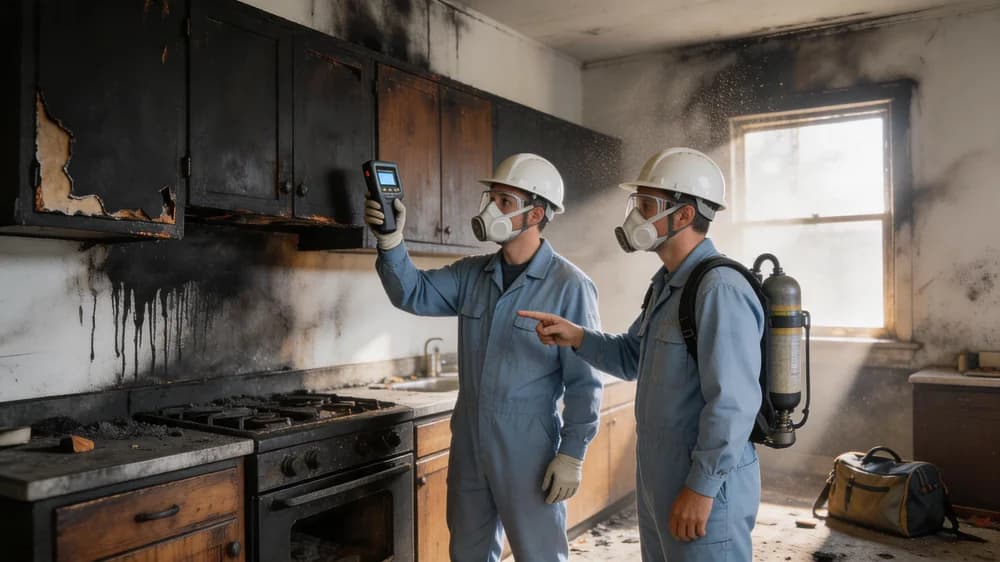
Once on-site, restoration professionals conduct thorough assessments documenting all damage types and severity. This critical evaluation phase determines the entire scope of work needed, identifying not just obvious fire and smoke damage but also water damage from firefighting efforts, structural compromises, and potential hazards like asbestos or lead paint in older buildings. The assessment phase includes: Structural Evaluation: Checking load-bearing elements, roof integrity, and foundation stability Smoke Penetration Mapping: Identifying all areas affected by smoke infiltration Water Damage Assessment: Measuring moisture levels throughout the structure Content Inventory: Cataloging damaged personal property for insurance claims Hazard Identification: Locating electrical, chemical, and biological dangers This comprehensive assessment creates the roadmap for effective restoration execution.Documentation for Insurance During Fire Damage Cleanup
Professional teams meticulously document everything during assessment:- High-resolution photographs from multiple angles
- Video walkthroughs narrating damage observations
- Detailed written reports describing all damage
- Moisture readings and air quality measurements
- Structural engineer reports when necessary
- Itemized content lists with condition notes
Phase 3: Immediate Board-Up and Roof Tarp Services
Securing the Property
Before intensive restoration begins, properties must be secured against additional damage and unauthorized entry. Fire often destroys windows, doors, and roofing, leaving structures vulnerable to weather, animals, and intruders. Professional services include immediate protective measures using industrial-grade materials and proven installation techniques that withstand severe weather while restoration proceeds. Security measures during early restoration include: Window Board-up: Installing plywood or OSB panels with secure fastening systems Door Securing: Replacing or reinforcing damaged entry points Roof Tarping: Applying heavy-duty tarps preventing water intrusion Fence Installation: Creating perimeter security for severely damaged structures Lighting Setup: Installing temporary lighting deterring vandalism These protective steps prevent thousands in additional damage while work progresses.Temporary Utilities and Services
Restoration often requires establishing temporary utilities:- Generator power for equipment and lighting
- Temporary electrical panels meeting code requirements
- Water supply for cleaning operations
- Portable restroom facilities for workers
- Dumpsters and waste management systems
- Security services for valuable properties
Phase 4: Water Removal and Drying in Fire Damage Cleanup
Addressing Firefighting Water Damage
Firefighting efforts often introduce thousands of gallons of water into structures, creating additional challenges during restoration. This water penetrates deeply into building materials, furniture, and personal belongings, requiring immediate extraction to prevent mold growth, structural damage, and permanent losses. Professional teams address water damage simultaneously with fire restoration, using powerful extraction equipment and scientific drying techniques. Water removal involves:- Truck-mounted extraction units removing standing water
- Portable extractors for upper floors and tight spaces
- Weighted extraction tools for carpet and padding
- Moisture detection identifying hidden water pockets
- Content manipulation facilitating thorough drying
- Antimicrobial application preventing mold growth
Scientific Drying Process
Professional restoration employs psychrometric science for optimal drying: Dehumidification: Commercial units removing moisture from air Air Movement: High-velocity fans accelerating evaporation Temperature Control: Optimizing conditions for efficient drying Daily Monitoring: Tracking moisture levels ensuring complete drying Documentation: Recording readings proving successful drying Scientific approaches ensure thorough drying preventing future problems.Phase 5: Smoke and Soot Removal
Understanding Smoke Residue Types in Fire Damage Cleanup
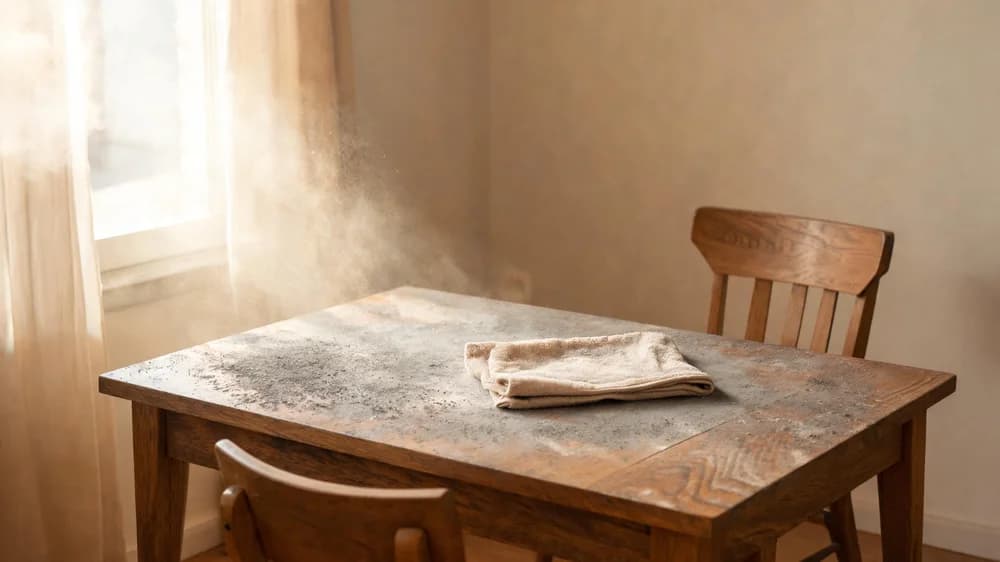
Effective restoration requires understanding different smoke residue types, each demanding specific cleaning approaches. Wet smoke from low-heat fires creates sticky, smeary residues requiring aggressive cleaning. Dry smoke from high-temperature fires produces powdery residues easier to remove but spreading more widely. Protein fires leave nearly invisible residues with extreme odors, while fuel oil soot requires specialized degreasers. Smoke removal techniques include:- HEPA vacuuming removing loose soot particles
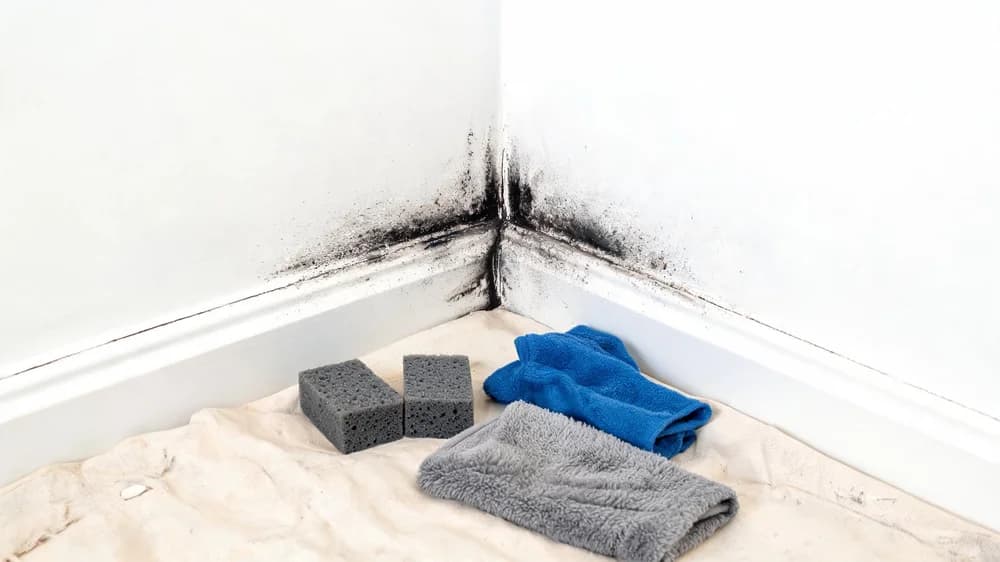
- Dry cleaning sponges for light residues
- Wet cleaning with specialized detergents
- Abrasive cleaning for stubborn deposits
- Immersion cleaning for removable items
- Ultrasonic cleaning for electronics and valuables
HVAC System Cleaning
Restoration must address HVAC contamination preventing recontamination: Duct Cleaning: Removing soot and debris from entire systems Equipment Servicing: Cleaning furnaces, air handlers, and coils Filter Replacement: Installing new high-efficiency filters Sanitization: Treating systems preventing odor circulation Sealing: Addressing any duct leaks discovered Comprehensive HVAC cleaning ensures healthy indoor air quality.Phase 6: Odor Removal and Deodorization
Advanced Odor Elimination Techniques
Smoke odors represent one of restoration's most challenging aspects, requiring multiple techniques to achieve complete elimination. These odors penetrate porous materials, hide in wall cavities, and linger in HVAC systems long after visible damage is cleaned. Professional teams employ various deodorization methods, often combining approaches for stubborn odors that resist single treatments. Deodorization methods during restoration:- Thermal fogging penetrating where smoke traveled
- Ozone treatment oxidizing odor molecules
- Hydroxyl generators safe for occupied spaces
- Air scrubbing with activated carbon filters
- Encapsulation sealing remaining odors
- Complete removal of unsalvageable materials
Validation and Testing in Fire Damage Cleanup
Confirming successful odor removal: Air Quality Testing: Measuring particulate levels Third-Party Evaluation: Independent odor assessment Time Testing: Ensuring odors don't return HVAC Verification: Confirming system cleanliness Customer Approval: Obtaining satisfaction confirmation Thorough validation ensures complete odor elimination.Phase 7: Comprehensive Cleaning and Sanitization
Surface Cleaning Protocols
The cleaning phase addresses every surface and material in affected areas, using appropriate techniques for different materials and contamination levels. This phase goes beyond removing visible soot, addressing microscopic particles that cause ongoing health risks and odors. Professional teams use specialized cleaning products and equipment designed specifically for fire restoration, ensuring thorough cleaning without causing additional damage. Surface cleaning includes:- Walls and ceilings using appropriate cleaning methods
- Flooring restoration or deep cleaning
- Window and door cleaning inside and out
- Light fixture and switch plate cleaning
- Cabinet interior and exterior cleaning
- Detailed cleaning of all architectural features
Content Cleaning and Restoration
Personal property requires specialized attention: Soft Contents: Clothing, bedding, and curtains through Esporta washing Electronics: Ultrasonic cleaning and functionality testing Documents: Freeze-drying and restoration techniques Furniture: Refinishing and reupholstering as needed Artwork: Specialized conservation methods Professional content cleaning saves irreplaceable items and memories.Phase 8: Fire Damage Cleanup Restoration and Reconstruction
Minor Repairs and Restoration
Following cleaning, the process transitions to restoration phase addressing physical damage to structures. Minor restoration might include replacing drywall, painting, installing new carpet, or refinishing hardwood floors. These repairs restore properties to pre-fire condition, eliminating all traces of damage while often providing opportunities for desired upgrades or improvements. Common restoration tasks:- Drywall replacement and finishing
- Painting with primer sealing any remaining odors
- Floor covering replacement or refinishing
- Trim and molding replacement
- Electrical fixture replacement
- Plumbing fixture updates
Major Reconstruction
Severe fires require extensive reconstruction: Structural Repairs: Replacing damaged framing and supports Roof Replacement: Complete or partial roofing systems Room Additions: Rebuilding destroyed sections System Replacement: New electrical, plumbing, or HVAC Code Upgrades: Meeting current building requirements Major reconstruction often improves properties beyond original condition. Our complete property reconstruction services in NYC handle everything from minor repairs to complete rebuilding.Phase 9: Final Inspection and Quality Assurance
Comprehensive Final Walkthrough for Fire Damage Cleanup
The final phase involves detailed inspections ensuring all work meets professional standards and customer expectations. This critical quality assurance step identifies any remaining issues before project completion, ensuring nothing gets overlooked during the complex restoration process. Professional restoration companies conduct multiple inspections involving project managers, customers, and sometimes insurance adjusters. Final inspection elements:- Visual inspection of all restored areas
- Odor evaluation confirming elimination
- Moisture testing ensuring complete drying
- Functionality testing of all systems
- Documentation review confirming completion
- Customer walkthrough addressing concerns
Documentation and Warranty
Completing restoration includes comprehensive documentation: Before/After Photos: Showing transformation achieved Completion Certificate: Confirming all work finished Warranty Documentation: Detailing coverage terms Maintenance Instructions: Preserving restoration work Insurance Documentation: Supporting final claim settlement Proper documentation provides lasting protection and peace of mind.Timeline Expectations for Complete Restoration
Typical Project Durations
Restoration timelines vary based on damage severity, property size, and required permits. Minor projects might complete within 1-2 weeks, while extensive damage requiring structural repairs can take several months. Understanding realistic timelines helps property owners plan temporary living arrangements and manage expectations throughout the process. General timeline guidelines:- Emergency response and securing: 2-24 hours
- Assessment and planning: 1-2 days
- Water removal and drying: 3-5 days
- Soot and smoke cleaning: 2-7 days
- Odor removal: 2-5 days (concurrent with cleaning)
- Restoration and repairs: 1-8 weeks depending on scope
Factors Affecting Timeline
Variables influencing restoration duration: Damage Extent: More damage requires longer restoration Property Size: Larger properties need more time Insurance Processing: Approval delays affect start times Permit Requirements: Municipal approvals add time Material Availability: Special orders extend timelines Understanding these factors helps manage expectations realistically.Working with Insurance Throughout the Process
Insurance Coordination During Fire Damage Cleanup
Professional restoration companies work directly with insurance providers throughout restoration, ensuring proper documentation, coverage maximization, and smooth claim processing. This coordination begins during initial assessment and continues through final payment, with restoration professionals advocating for complete coverage of all necessary work. Insurance support includes:- Direct billing arrangements reducing out-of-pocket expenses
- Detailed estimates in insurance-preferred formats
- Photo documentation supporting claims
- Supplemental claim assistance for discovered damage
- Adjuster meeting coordination and attendance
- Depreciation recovery documentation
Maximizing Coverage
Strategies for optimal insurance coverage: Complete Documentation: Recording all damage thoroughly Hidden Damage Discovery: Finding all covered losses Code Upgrade Identification: Ensuring compliance coverage Additional Living Expenses: Tracking displacement costs Professional Advocacy: Expert negotiation support Strategic insurance management protects your financial interests.Health and Safety Throughout the Process
Protecting Occupants and Workers
Safety remains paramount throughout restoration, with professional teams implementing comprehensive protocols protecting everyone involved. Fire-damaged properties present numerous hazards including structural instability, electrical dangers, respiratory irritants, and slip/fall risks. Professional teams address these hazards through proper equipment, training, and procedures ensuring safe work environments. Safety measures during restoration:- Air quality monitoring throughout work
- Proper containment preventing contamination spread
- Personal protective equipment for all workers
- Structural shoring where necessary
- Electrical system isolation and testing
- Clear hazard communication and marking
Environmental Considerations
Responsible restoration includes environmental protection: Proper Disposal: Following regulations for hazardous materials Recycling: Salvaging materials when possible Chemical Selection: Using eco-friendly products Waste Minimization: Reducing landfill impact Water Management: Proper handling of contaminated water Environmental responsibility protects communities and ecosystems.Choosing Professional Services
Benefits of Professional Fire Damage Cleanup
While some property owners consider DIY restoration, professional services provide crucial advantages ensuring complete, safe restoration. Professional companies bring specialized equipment, extensive training, insurance expertise, and proven processes that dramatically improve outcomes while reducing overall costs and time. Advantages of professional services:- Faster restoration minimizing displacement time
- Thorough cleaning preventing ongoing problems
- Insurance maximization improving settlements
- Safety assurance protecting family health
- Warranty protection ensuring lasting results
- Single-source accountability for entire project
What to Look For
Selecting restoration professionals: Certifications: IICRC training and credentials Experience: Proven track record with references Insurance: Proper coverage protecting you Equipment: Professional-grade restoration tools Availability: 24/7 emergency response capability Choosing qualified professionals ensures successful restoration. Our teams providing comprehensive fire and smoke restoration in New York bring decades of experience to every project.Take Action: Professional Fire Damage Cleanup Services
Understanding the complete restoration process empowers property owners to make informed decisions during challenging times. Advanced Disaster Recovery Inc. manages every phase, from emergency response through final restoration, ensuring nothing gets overlooked. Our certified teams bring expertise, equipment, and compassion to guide you through the entire journey. Don't face this challenging process alone. Contact Advanced Disaster Recovery Inc. immediately for professional services that restore your property completely. We handle every aspect including insurance coordination, ensuring your property returns to pre-loss condition or better. Call us 24/7 for immediate response and comprehensive restoration services.Complete Fire Damage Cleanup Services
From Emergency Response to Final Restoration
✓ 24/7 emergency response and securing
✓ Comprehensive assessment and documentation
✓ Water extraction and structural drying
✓ Complete smoke and odor elimination
✓ Full restoration and reconstruction services
Categories
Need Restoration Services?
Our team is available 24/7 for emergency response. Call us today for a free phone consultation.
Questions About Restoration?
Our experts are ready to help. Contact us for a free consultation.