Water Damage Restoration
Emergency Sewage Cleanup: Health Risks, Process, and What to Expect
December 18, 202513 min read
R
Rob Temples· Operations Manager, Emergency Services (Fairfield, NJ & New York City)
Rob Temples manages emergency restoration operations for Advanced DRI's Fairfield, NJ and New York City service areas. With 10 years in the restoration industry and prior experience working for a general contractor, he integrates construction knowledge with mitigation expertise on every project and holds an IICRC Water Restoration Technician (WRT) certification.
10+ years experienceIICRC Water Restoration Technician (WRT)
Published December 18, 2025 · Updated May 27, 2026

Sewage backup is a health hazard. Learn about professional sewage cleanup services, costs, and why immediate action is critical for your family's safety.
What Is Emergency Sewage Cleanup and Why Does It Matter?
Emergency sewage cleanup is the rapid response process of removing contaminated water, sanitizing affected areas, and restoring properties after sewage backups or overflows. When raw sewage infiltrates your home or business, every minute counts. The contamination spreads quickly through flooring, drywall, and personal belongings while creating serious health hazards for anyone in the building. Unlike clean water damage from a burst pipe, sewage contains dangerous bacteria, viruses, and parasites that require specialized handling. Professional sewage cleanup services follow strict safety protocols to protect both occupants and technicians during the restoration process. Understanding what happens during sewage damage cleanup helps property owners make informed decisions when facing this stressful situation.
⚠️ Important: Never attempt to clean sewage contamination yourself. Raw sewage is classified as Category 3 "black water" and contains pathogens that can cause severe illness or death without proper protective equipment.
Common Causes of Sewage Emergencies
Sewage backups don't happen randomly. Understanding the root causes helps you recognize warning signs and respond appropriately when disaster strikes. A reliable sewage cleanup company will assess these factors to prevent future incidents.Municipal Sewer System Failures
City sewer lines can become overwhelmed during heavy rainfall, causing sewage to back up through floor drains, toilets, and basement fixtures. Aging infrastructure in older neighborhoods increases this risk significantly. When municipal systems fail, emergency sewage cleanup becomes necessary for multiple properties simultaneously.Tree Root Infiltration
Tree roots naturally seek moisture and can penetrate small cracks in sewer pipes over time. As roots grow inside the pipes, they create blockages that eventually cause complete backups. Sewage cleanup services often encounter this problem in properties with mature landscaping.Grease and Debris Buildup
Kitchen grease, paper products, and non-flushable items accumulate inside drain lines until flow becomes restricted. These blockages develop gradually but can trigger sudden sewage overflows requiring immediate sewage damage cleanup intervention.Septic System Failures
Properties using septic systems face unique risks when tanks overflow or drain fields fail. Without regular maintenance, these systems can back up into homes, creating urgent situations requiring professional emergency sewage cleanup response.Health Risks Associated with Sewage Exposure
The health dangers of sewage contamination cannot be overstated. Raw sewage contains concentrated biological hazards that professional sewage cleanup services are trained to handle safely. Recognizing these risks emphasizes why immediate action is essential.Bacterial Infections
Sewage harbors dangerous bacteria including E. coli, Salmonella, and Campylobacter. These pathogens cause severe gastrointestinal illness, and exposure can occur through skin contact, ingestion, or breathing contaminated air. Children, elderly individuals, and those with compromised immune systems face elevated risks. Every sewage cleanup company prioritizes bacterial elimination during restoration.Viral Contamination
Hepatitis A, rotavirus, and norovirus can survive in sewage for extended periods. These viruses spread easily through contaminated surfaces and materials. Professional sewage damage cleanup protocols include antiviral treatments to neutralize these threats completely.Parasitic Organisms
Giardia, Cryptosporidium, and roundworms present in sewage can cause long-lasting infections. These parasites are particularly resilient and require thorough decontamination procedures that only trained sewage cleanup services can provide effectively.Toxic Gas Exposure
Decomposing sewage releases hydrogen sulfide, methane, and ammonia gases. At high concentrations, these gases cause respiratory distress, unconsciousness, and potentially death. Emergency sewage cleanup teams use air monitoring equipment to ensure safe working conditions.
💡 Pro Tip: If you smell a strong "rotten egg" odor after a sewage backup, evacuate the building immediately and call professionals. This indicates dangerous hydrogen sulfide gas concentrations.
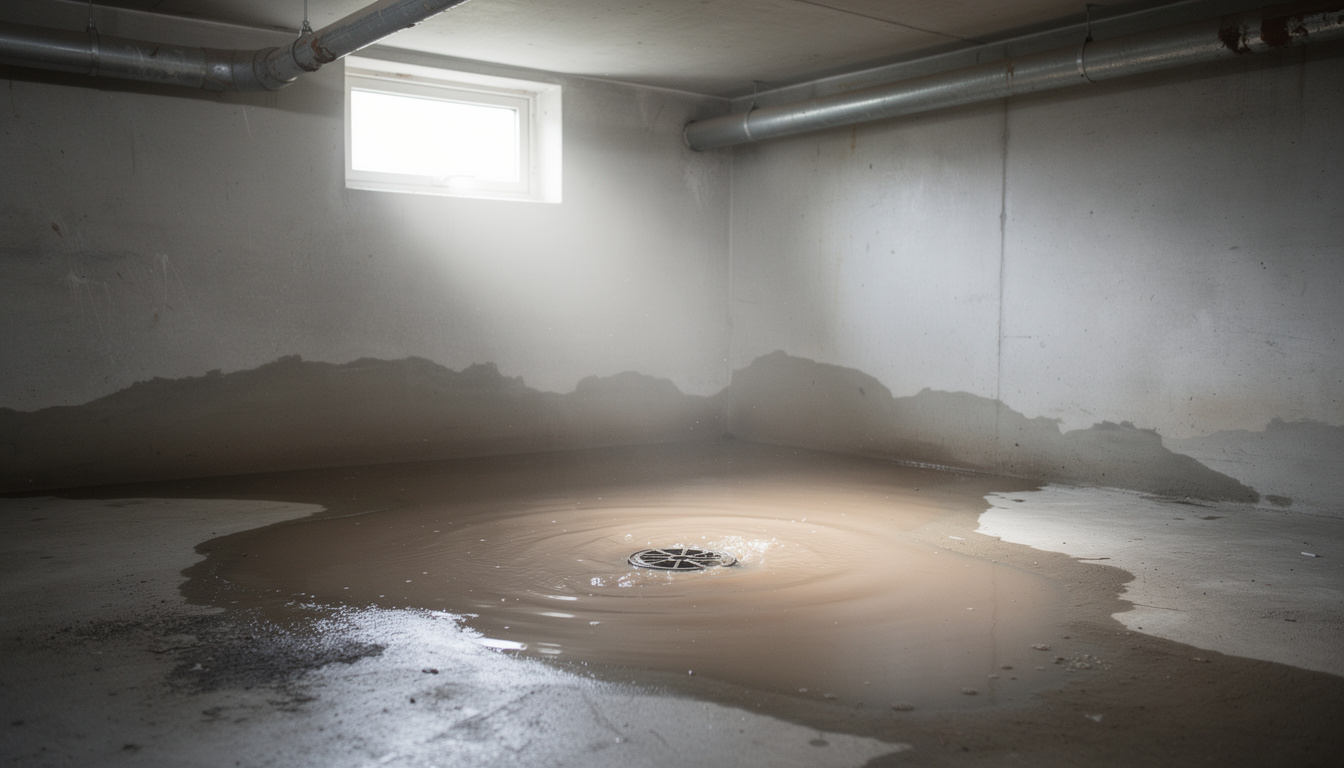
The Professional Emergency Sewage Cleanup Process
Understanding what happens during professional restoration helps property owners know what to expect and why each step matters. Reputable sewage cleanup services follow industry-standard protocols to ensure thorough restoration.Step 1: Emergency Assessment and Safety Setup
When you contact a sewage cleanup company, technicians arrive quickly to evaluate the situation. They identify contamination boundaries, locate the sewage source, and establish safety zones. This assessment determines the scope of work and equipment requirements for effective emergency sewage cleanup. Technicians don full personal protective equipment including Tyvek suits, respirators, rubber boots, and chemical-resistant gloves before entering contaminated areas. They also set up negative air pressure systems to prevent contaminated air from spreading to unaffected portions of the building.Step 2: Water Extraction and Contamination Removal
Industrial pumps and extraction equipment remove standing sewage water rapidly. The faster this step occurs, the less damage materials sustain and the lower the risk of secondary contamination. Professional sewage cleanup services use truck-mounted extraction units capable of removing thousands of gallons per hour. After removing liquid contamination, technicians remove porous materials that cannot be safely sanitized. Carpet, padding, drywall below the waterline, and contaminated insulation must be disposed of according to biohazard cleanup regulations. Proper disposal prevents further contamination and ensures complete sewage damage cleanup.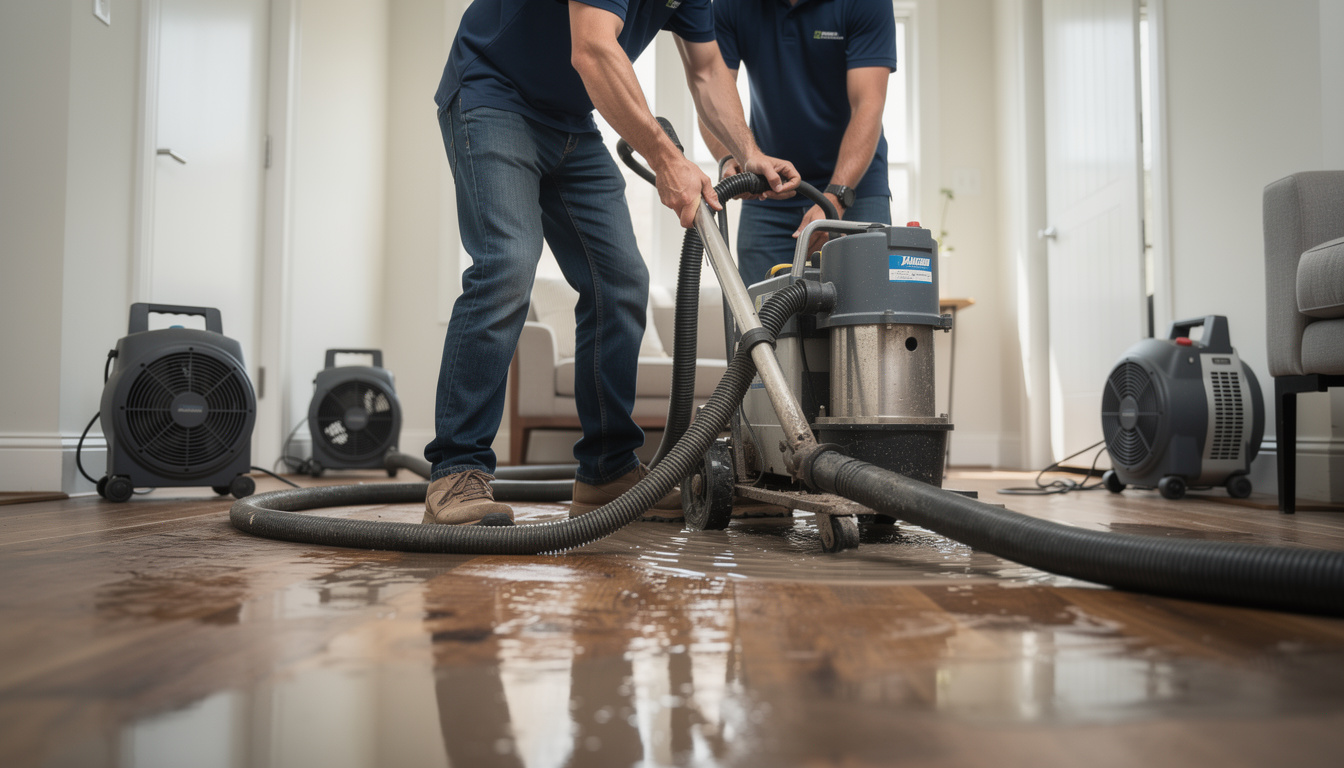
Step 3: Cleaning and Sanitization
Remaining structural components undergo thorough cleaning using EPA-registered antimicrobial solutions. Every sewage cleanup company must follow specific chemical application protocols to eliminate pathogens effectively. This includes treating subflooring, wall studs, concrete, and any salvageable contents. High-pressure washing removes residual contamination from hard surfaces. Technicians pay particular attention to cracks, seams, and textured surfaces where pathogens can hide. The sanitization phase of emergency sewage cleanup requires meticulous attention to detail.Step 4: Structural Drying and Dehumidification
Even after extraction and cleaning, moisture remains trapped in building materials. Professional sewage cleanup services deploy industrial air movers and commercial dehumidifiers to achieve complete drying. This critical step prevents mold growth that can begin within 24-48 hours of water exposure. Technicians use moisture meters and thermal imaging cameras to verify complete drying. Building materials must reach specific moisture content levels before restoration can proceed. Cutting corners during drying leads to mold problems and structural damage later.Step 5: Odor Elimination and Air Quality Restoration
Sewage odors penetrate deeply into building materials and can persist long after visible contamination is removed. Professional sewage damage cleanup includes advanced odor elimination using hydroxyl generators, ozone treatments, or thermal fogging. These technologies neutralize odor molecules rather than simply masking them. Air scrubbers with HEPA filtration run continuously during the cleanup process to capture airborne contaminants and improve indoor air quality. Final air quality testing confirms the environment is safe for occupancy.
🏠 Home Tip: Keep documentation of all cleanup activities, including photographs and invoices, for insurance claims and future property transactions.
What to Do Before the Sewage Cleanup Company Arrives
While waiting for professional emergency sewage cleanup assistance, property owners can take steps to minimize damage and protect their safety. However, personal safety must always come first. Turn off electricity to affected areas if you can do so without entering contaminated water. Never walk through sewage to reach electrical panels. If necessary, contact your utility company to disconnect power from outside. Electrical shock in contaminated water is often fatal. Open windows in unaffected areas to improve ventilation while keeping doors to contaminated spaces closed. This helps prevent contaminated air from spreading while reducing toxic gas concentrations. However, do not use fans that might spread contamination. Move uncontaminated valuables away from affected areas if possible. Items that have not contacted sewage directly may still be at risk from spreading contamination or humidity. Document everything with photographs before sewage cleanup services begin work. Contact your insurance company promptly to report the damage. Most homeowner policies cover sewage backups, though specific coverage varies. The 24/7 emergency restoration teams can help coordinate with insurance adjusters.Choosing the Right Sewage Cleanup Company
Not all restoration companies are equipped to handle sewage contamination safely. When selecting sewage cleanup services for your property, verify these essential qualifications to ensure proper handling of this hazardous situation.Proper Training and Equipment
Legitimate emergency sewage cleanup providers employ technicians with specialized training in biohazard remediation. Ask about training credentials and ongoing education programs. The company should maintain commercial-grade extraction equipment, industrial dehumidifiers, and professional sanitization systems.24/7 Availability and Response Time
Sewage emergencies require immediate response regardless of when they occur. Choose a sewage cleanup company with true around-the-clock availability and rapid response capabilities. Extended delays allow contamination to spread and damage to worsen significantly.Insurance Coordination Experience
Experienced sewage cleanup services understand insurance claim processes and can document damage appropriately. This documentation supports your claim and helps ensure fair compensation. Professional restoration companies work directly with insurance providers to streamline the claims process.Comprehensive Service Capabilities
The best sewage damage cleanup providers offer complete restoration services from initial extraction through final reconstruction. This eliminates coordination problems between multiple contractors and ensures accountability throughout the project. Ask whether the company handles mold remediation if secondary contamination develops.| Factor | What to Look For | Red Flags |
|---|---|---|
| Response Time | Same-day arrival, 24/7 availability | Scheduling delays, business hours only |
| Equipment | Commercial extractors, industrial dehumidifiers | Residential-grade equipment, rental gear |
| Safety Protocols | Full PPE, containment barriers, air monitoring | Minimal protective equipment |
| Documentation | Detailed photos, moisture readings, written reports | Limited record-keeping |
| Insurance Experience | Direct billing, claim assistance, adjuster coordination | Cash-only, no insurance experience |
Timeline: What to Expect During Sewage Damage Cleanup
Understanding typical emergency sewage cleanup timelines helps property owners plan accordingly. While every situation differs, most residential sewage incidents follow similar progression patterns. Initial response and extraction typically occurs within the first 24 hours. Sewage cleanup services prioritize removing standing water and gross contamination quickly. This phase may take several hours depending on contamination volume and accessibility. Deep cleaning and sanitization generally requires one to three days. Technicians must thoroughly treat all affected surfaces and verify pathogen elimination. Rushing this phase compromises safety and can lead to lingering contamination. Structural drying extends the timeline by three to seven days depending on affected materials and ambient conditions. Complete drying is essential before reconstruction begins. Professional sewage damage cleanup providers monitor moisture levels daily and adjust equipment placement as needed. Final restoration and reconstruction timelines vary based on damage extent. Minor incidents may require only cosmetic repairs, while severe contamination necessitates extensive rebuilding. Your sewage cleanup company should provide detailed timelines after completing initial assessment.Preventing Future Sewage Emergencies
After experiencing emergency sewage cleanup, most property owners want to prevent recurrence. While not all sewage incidents are preventable, these measures significantly reduce risk. Install backwater valves on main sewer lines to prevent municipal backup events. These one-way valves allow sewage to exit your property but block reverse flow during system overloads. Professional installation ensures proper function and building code compliance. Schedule regular sewer line inspections using camera technology to identify developing problems before they cause backups. Tree root intrusion and pipe deterioration are detectable long before causing complete blockages. Many sewage cleanup services offer preventive inspection programs. Maintain septic systems according to manufacturer recommendations. Regular pumping, inspection, and careful usage habits extend system life and prevent overflow situations. Keep records of maintenance for future reference. Address slow drains promptly rather than waiting for complete blockages. Minor clogs often indicate developing problems that will worsen over time. Early intervention costs far less than emergency sewage cleanup after a major backup.
🔬 Technical Note: Modern backwater valves with alarm systems can alert property owners to backup conditions before contamination enters living spaces, providing critical early warning.
Long-Term Considerations After Sewage Damage Cleanup
Even after professional emergency sewage cleanup is complete, property owners should remain vigilant for potential issues. Monitoring for secondary problems protects your investment in restoration. Watch for signs of mold growth in the weeks and months following sewage incidents. Musty odors, visible spots, or allergy symptoms may indicate hidden contamination. Water damage restoration professionals can assess concerns and provide remediation if needed. Document the incident thoroughly for future property transactions. Disclosure requirements vary by location, but comprehensive documentation demonstrates professional handling. Quality restoration providers supply detailed completion reports for your records. Review and update your insurance coverage based on this experience. Consider additional riders or increased coverage limits if your current policy proved inadequate. Understanding your protection helps you prepare for potential future incidents.How quickly should I call for emergency sewage cleanup after discovering a backup?
+
Contact professional sewage cleanup services immediately upon discovering contamination. Every hour of delay allows bacteria to multiply, odors to penetrate deeper into materials, and damage to increase significantly. Most insurance policies also require prompt mitigation efforts, so delayed response may affect claim coverage.
Can I stay in my home during sewage damage cleanup?
+
This depends on contamination extent and your home's layout. If sewage affected isolated areas like a basement, you may stay in unaffected portions while sewage cleanup services work. However, significant contamination or single-story homes often require temporary relocation for safety during emergency sewage cleanup and drying operations.
What items can be saved after sewage contamination?
+
Non-porous items like glass, metal, and hard plastics can often be sanitized and saved. Porous materials including carpet, upholstered furniture, mattresses, and particle board typically require disposal. Your sewage cleanup company will assess each item and provide recommendations based on material type, contamination level, and practical restoration costs.
Does homeowner's insurance cover emergency sewage cleanup?
+
Most standard homeowner policies include some sewage backup coverage, though limits and conditions vary widely. Some policies require specific sewage backup endorsements for full coverage. Review your policy details or contact your insurance agent to understand your specific coverage before incidents occur. Reputable sewage cleanup services can help navigate the claims process.
How long does the entire sewage cleanup process take?
+
Typical residential sewage damage cleanup takes five to fourteen days from initial response through complete drying. This timeline includes extraction, cleaning, sanitization, and structural drying. Reconstruction timelines vary based on damage extent. Your sewage cleanup company will provide specific estimates after assessing your situation.
Get Professional Emergency Sewage Cleanup Help Now
Sewage contamination represents one of the most serious emergencies property owners face. The combination of health hazards, property damage potential, and emotional stress demands professional intervention from experienced sewage cleanup services. Advanced Disaster Recovery Inc. provides comprehensive emergency sewage cleanup throughout Pennsylvania, New Jersey, New York, and Connecticut. Our certified technicians respond 24/7 with the equipment, training, and experience to restore your property safely and completely. We handle everything from initial extraction through final reconstruction while coordinating directly with your insurance company. Don't risk your family's health or your property's value by delaying professional sewage damage cleanup. When sewage emergencies strike, trust the sewage cleanup company that thousands of property owners have relied on for over 30 years.Categories
Need Restoration Services?
Our team is available 24/7 for emergency response. Call us today for a free phone consultation.

Questions About Restoration?
Our experts are ready to help. Contact us for a free consultation.