Tyler McClelland leads mitigation operations for Advanced DRI across New York's Hudson Valley, directing water, mold, and large-loss response in the field. He holds IICRC Water Restoration Technician (WRT) and Applied Microbial Remediation Technician (AMRT) certifications and a New York State Mold Supervisor certification, and is trained in IRCA hospital safe construction practices recognized by The Joint Commission.

Advanced DRI analyzes flash flood frequency data for the Hudson Valley. County-level statistics, seasonal patterns, and property protection strategies.
Flash Flood Frequency in the Hudson Valley
The Hudson Valley is one of the most flash flood-prone regions in the Northeastern United States. The combination of steep terrain, narrow river valleys, impervious development along waterways, and aging stormwater infrastructure creates conditions where heavy rainfall transforms into destructive flooding within minutes rather than hours. At Advanced DRI, we respond to flash flood emergencies throughout the Hudson Valley, and the frequency of these events has been increasing.
Using data from the National Weather Service, USGS stream gauges, and NOAA's Storm Events Database, we have compiled a comprehensive analysis of flash flood frequency, severity, and seasonal timing for the Hudson Valley. This data-driven approach is central to how we help property owners understand and prepare for the specific risks their properties face.
Flash Flood Events by County
The following table summarizes flash flood events recorded in the NOAA Storm Events Database for Hudson Valley counties. These numbers include events that produced property damage, road closures, or required emergency response.
| County | Total Events (2015-2025) | Avg. Events/Year | Most Active Month | Est. Property Damage (10-Year) |
|---|---|---|---|---|
| Ulster | 42 | 4.2 | July | $28M |
| Dutchess | 38 | 3.8 | August | $22M |
| Orange | 35 | 3.5 | July | $19M |
| Greene | 33 | 3.3 | July | $31M |
| Columbia | 27 | 2.7 | August | $14M |
| Putnam | 24 | 2.4 | July | $11M |
| Westchester | 30 | 3.0 | August | $35M |
| Rockland | 21 | 2.1 | July | $15M |
Source: NOAA Storm Events Database, USGS streamflow data, NWS Albany and NWS New York offices, 2015-2025
Why the Hudson Valley Is Vulnerable
Flash floods differ fundamentally from river floods. River floods develop over days as water accumulates from large watershed areas and moves downstream gradually. Flash floods occur within minutes to hours of heavy rainfall, driven by terrain, soil saturation, and drainage capacity. The Hudson Valley's geography makes it exceptionally susceptible to flash flooding for several interconnected reasons.
Steep terrain: The Catskill Mountains, Shawangunk Ridge, and Hudson Highlands create slopes that accelerate rainfall runoff. Water that falls on a steep mountain slope reaches valley streams far faster than water that falls on flat terrain, concentrating flow and amplifying flood crests.
Narrow valleys: The Hudson Valley's tributary streams flow through confined valleys where there is limited floodplain for water to spread. This confinement forces water levels higher, faster. The Esopus, Wallkill, Rondout, and Wappinger creeks are all prone to rapid and dangerous rises.
Aging infrastructure: Many Hudson Valley communities have stormwater systems designed decades ago for lower rainfall intensities and less impervious surface area. As development has increased and rainfall events have intensified, these systems are overwhelmed with increasing frequency.
Increasing rainfall intensity: NOAA data shows that extreme precipitation events, defined as the top 1% of daily rainfall totals, have increased by approximately 55% in the Northeast since 1958. The atmosphere holds more moisture as temperatures rise, and when that moisture releases, it does so in shorter, more intense bursts that are the primary trigger for flash flooding.
Seasonal Flash Flood Risk Timeline
March - April: Spring flash floods are primarily driven by rain-on-snow events and rapid snowmelt. Frozen or saturated ground cannot absorb rainfall, so nearly 100% of precipitation becomes runoff. Combined with snowmelt from the Catskills, spring flash floods can be severe, particularly along the Esopus and Schoharie creeks. Risk level: Moderate-High.
May - June: Thunderstorm activity increases as warm, moist air from the south begins interacting with residual cool air from the north. Isolated but intense thunderstorms can drop 2-3 inches of rain on a localized area in under an hour. Because these storms are often isolated, they may not trigger widespread alerts, but the localized flooding can be devastating. Risk level: High.
July - August: Peak flash flood season. The combination of high atmospheric moisture content, intense convective thunderstorms, and the potential for tropical moisture surges creates the highest risk period. Multi-cell and supercell thunderstorms can produce rainfall rates exceeding 3 inches per hour. Training thunderstorms, where successive cells pass over the same area, can deliver 5-8 inches of total rainfall. The catastrophic Hudson Valley floods of July 2023 exemplified this pattern. Risk level: Very High.
September - October: Tropical storm remnants become the primary flash flood driver. Systems like Hurricane Irene (2011) and Tropical Storm Lee (2011) produced record-breaking flooding across the Hudson Valley. A single tropical system can deliver more rainfall in 24 hours than a typical month produces. Risk level: High.
November - February: Flash flood risk diminishes but does not disappear. Warm rain events on frozen ground or snowpack, particularly in December and January, can produce localized flash flooding. Risk level: Low-Moderate.
Property Protection in Flash Flood Zones
If your property is located in or near a flash flood-prone area of the Hudson Valley, these protective measures are essential:
- Know your property's relationship to nearby waterways. Elevation above the nearest stream, distance from the channel, and the upstream watershed area all determine your flood exposure. USGS topographic maps and FEMA flood maps provide this information.
- Install backflow prevention valves on sewer and drain connections. Flash floods can overwhelm municipal systems and force contaminated water back up through your drains and toilets.
- Ensure your sump pump has battery backup. Flash floods frequently cause power outages, and a sump pump without backup power fails at the moment you need it most.
- Grade your property to direct water away from the foundation. Even modest re-grading can prevent thousands of dollars in basement flooding.
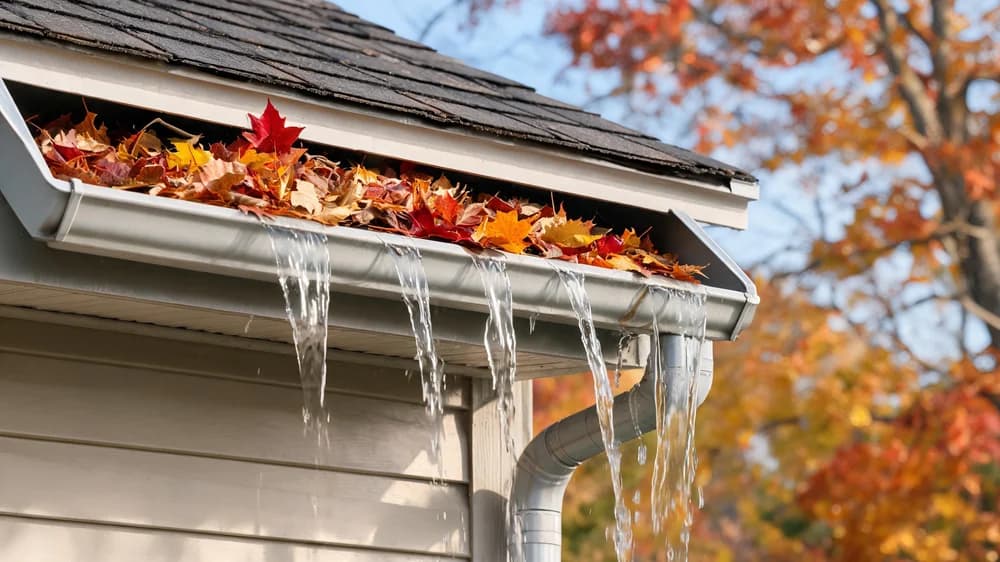
- Maintain clear drainage pathways. Gutters, downspouts, French drains, and yard swales must be clear of debris and functional before heavy rain arrives.
- Develop a rapid-response plan. Flash floods leave minimal warning time, sometimes less than 30 minutes. Know in advance what you will move to higher ground, where your shut-off valves are, and when to evacuate.
After a Flash Flood: What to Expect
Flash flood water is among the most hazardous types of water damage we encounter. Unlike a clean water pipe burst, flash flood water is classified as Category 3 (grossly contaminated) under IICRC standards. It contains sewage, agricultural runoff, chemicals, petroleum products, and biological contaminants. This classification changes everything about how restoration is approached.
Porous materials contacted by Category 3 water, including carpet, carpet pad, drywall, insulation, and upholstered furniture, generally cannot be safely restored and must be removed and replaced. Hard surfaces must be cleaned, sanitized, and dried according to strict protocols. Our water damage restoration team follows IICRC S500 and S540 standards for contaminated water loss, including containment, antimicrobial treatment, and air quality monitoring throughout the restoration process.
Following water extraction and contaminated material removal, our mold remediation team assesses the property. Flash flood events in summer are especially dangerous for mold because the warm, humid conditions accelerate colonization. We frequently begin mold prevention protocols concurrently with flood restoration to prevent secondary damage.
Frequently Asked Questions
How much warning time do you get before a flash flood?
Flash flood warning time varies significantly based on the specific location and storm characteristics. NWS typically issues Flash Flood Warnings when radar indicates rainfall rates that will produce dangerous flooding, often providing 15-60 minutes of lead time. However, in steep terrain like the Catskills and Hudson Highlands, water can rise from normal levels to dangerous flood stage in as little as 10-15 minutes. Properties located immediately adjacent to streams and in narrow valleys have the least warning time. Signing up for NWS wireless emergency alerts on your smartphone is the fastest way to receive flash flood warnings.
Is flash flood damage covered by insurance?
Standard homeowners insurance does not cover flood damage from external water sources, including flash floods. A separate flood insurance policy through the National Flood Insurance Program (NFIP) or a private flood insurer is required. Flood insurance covers structural damage and contents damage up to policy limits. Given the Hudson Valley's flash flood frequency, we strongly recommend flood insurance for any property within one mile of a stream, creek, or river, regardless of official flood zone designation.
Are flash floods getting worse in the Hudson Valley?
The data strongly suggests yes. NOAA's analysis of extreme precipitation trends in the Northeast shows a 55% increase in the frequency of the most intense rainfall events since 1958. USGS stream gauge data on Hudson Valley tributaries shows increasing peak discharge values during flood events. Additionally, development within the watershed has increased impervious surface area, meaning more rainfall becomes runoff rather than soaking into the ground. The combination of more intense rainfall and increased runoff creates a compounding effect that is making flash floods both more frequent and more severe.
Protect Your Hudson Valley Property
Flash flooding is a present and growing risk for properties throughout the Hudson Valley. Understanding the frequency data, knowing your specific property's vulnerabilities, and having both a prevention plan and a response plan are essential.
Contact Advanced DRI for a flash flood vulnerability assessment or to learn about our emergency response capabilities in the Hudson Valley. When flash floods strike, our water damage restoration and storm damage teams deploy rapidly to extract contaminated water, prevent mold growth, and restore your property to safe, livable condition.
Categories
Need Restoration Services?
Our team is available 24/7 for emergency response. Call us today for a free phone consultation.


Questions About Restoration?
Our experts are ready to help. Contact us for a free consultation.