Black Mold vs Green Mold: Understanding Different Mold Types
Elsa Boyer is a Regional Operations Manager for Advanced Disaster Recovery, based in Harrisburg, Pennsylvania, overseeing commercial and healthcare restoration projects. She holds a Bachelor of Arts from Valparaiso University and a deep certification portfolio, including ICRA Certified Healthcare Remediator Supervisor and multiple IICRC designations across commercial drying, structural drying, water, and fire & smoke restoration.
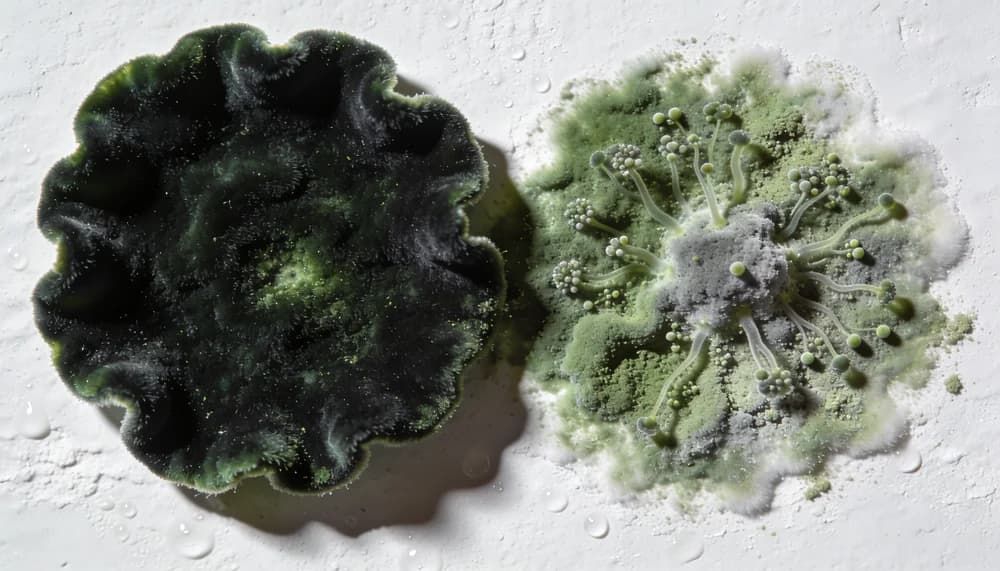
Learn the differences between black mold, green mold, and other common indoor mold. Understand the health risks and when professional remediation is needed.
Why Mold Color Matters Less Than You Think
When homeowners discover mold in their homes, the first question is usually about the color. Black mold in particular has developed a fearsome reputation, while green or white mold is often dismissed as less dangerous. The reality is more nuanced. At Advanced DRI, we want to help homeowners across New York, New Jersey, Pennsylvania, and Connecticut understand what different mold types actually mean for their health and their property, and why professional assessment is important regardless of color.
Common Indoor Mold Types
Thousands of mold species exist, but a relatively small number are commonly found in indoor environments. Here are the types our mold remediation team encounters most frequently:
Stachybotrys Chartarum (Black Mold)
This is the mold most people refer to when they say "black mold" or "toxic black mold." Stachybotrys is a dark greenish-black mold that typically has a slimy or wet appearance. It requires consistently high moisture levels to grow and is commonly found on water-damaged drywall, ceiling tiles, wood, and other cellulose-rich materials.
Stachybotrys produces mycotoxins, which are chemical compounds that can cause health effects beyond typical allergic responses. Prolonged exposure to Stachybotrys has been associated with respiratory symptoms, neurological effects, and immune system impacts. However, it is important to note that Stachybotrys requires prolonged, wet conditions to establish and is not the most common mold found in homes.
Aspergillus
Aspergillus is one of the most common indoor mold genera, with species that can appear green, yellow, white, brown, or black. It grows on a wide range of materials including drywall, insulation, fabrics, and food. Some Aspergillus species produce mycotoxins, and several can cause serious infections in immunocompromised individuals, a condition known as aspergillosis.
Penicillium
Often blue-green in color with a velvety or powdery texture, Penicillium is extremely common in water-damaged buildings. It grows quickly, spreads easily, and produces large quantities of airborne spores. While it is the genus from which the antibiotic penicillin was derived, indoor Penicillium growth causes allergic reactions and respiratory irritation in many people.
Cladosporium
Cladosporium appears olive-green to brown or black and has a suede-like texture. It is one of the most common outdoor mold types but also grows readily indoors on fabrics, wood, and HVAC components. While generally considered less dangerous than Stachybotrys, Cladosporium is a significant allergen and can trigger asthma attacks in sensitive individuals.
Alternaria
Alternaria is a dark brown to black mold commonly found in bathrooms, under sinks, and in areas with persistent dampness. It is one of the most common allergenic molds and is strongly associated with allergic rhinitis and asthma. It grows quickly in damp conditions and spreads rapidly.
Chaetomium
Initially white, Chaetomium gradually darkens to gray, brown, or black as it matures. It produces a distinctive musty odor and is commonly found on severely water-damaged drywall and paper products. Chaetomium is frequently found alongside Stachybotrys in chronically wet building materials.
Why Color Is Not a Reliable Indicator
There are several reasons why you cannot determine the danger level of a mold problem based on color alone:
- Multiple species share the same color: Many different mold species appear black, including some that are relatively low risk and others that produce mycotoxins. The same applies to green, white, and other colors.
- Color changes with age: Some mold species change color as they mature. Chaetomium starts white and becomes black. Aspergillus can shift from white to green to black depending on the species and growth stage.
- Growing conditions affect appearance: The same mold species can appear different colors depending on the material it is growing on, the moisture level, and the light conditions.
- All indoor mold is a problem: Regardless of species, any mold growing indoors indicates a moisture problem and produces allergens that can affect occupant health. The focus should be on eliminating the contamination and correcting the moisture source, not on identifying whether the mold is "the dangerous kind."
When to Be Especially Concerned
While all indoor mold warrants attention, certain situations require urgent professional response:
- Large areas of contamination: Any mold growth covering more than ten square feet should be handled by professionals. The EPA recommends professional remediation for areas this size and larger.
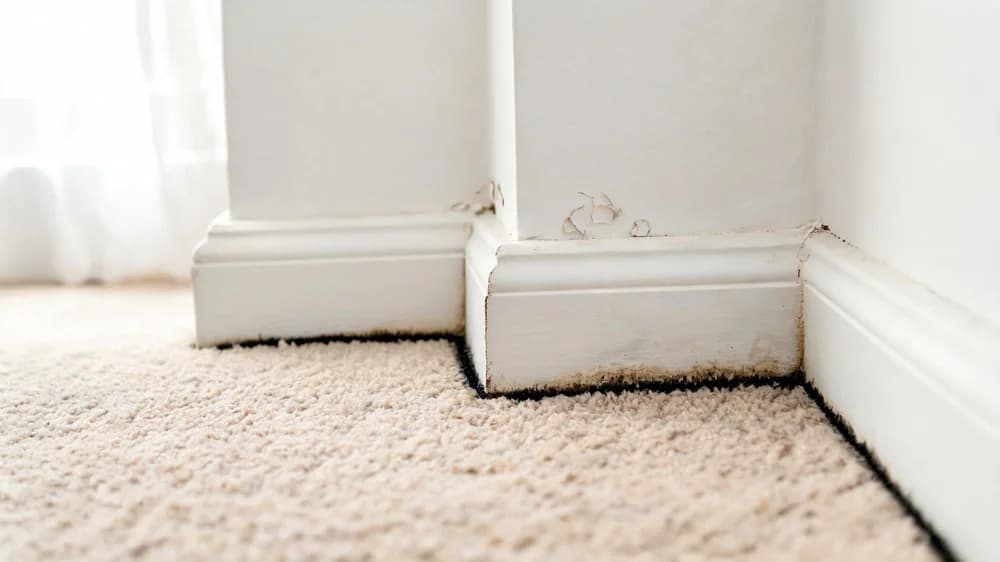
- Mold following water damage: If mold appeared after a water damage event such as flooding, pipe bursts, or sewage backup, the contamination may be extensive and the water source may have introduced additional hazards.
- Mold in HVAC systems: Mold growing inside ductwork or air handling equipment distributes spores throughout the building and requires specialized remediation.
- Occupants experiencing health symptoms: If household members are experiencing persistent respiratory symptoms, allergic reactions, or other health effects that improve when away from the building, professional mold assessment is warranted regardless of the mold's appearance.
- Hidden or recurring mold: Mold that keeps returning after cleaning or that is found in concealed locations like wall cavities and under flooring indicates a persistent moisture problem that needs professional diagnosis.
The Importance of Professional Testing
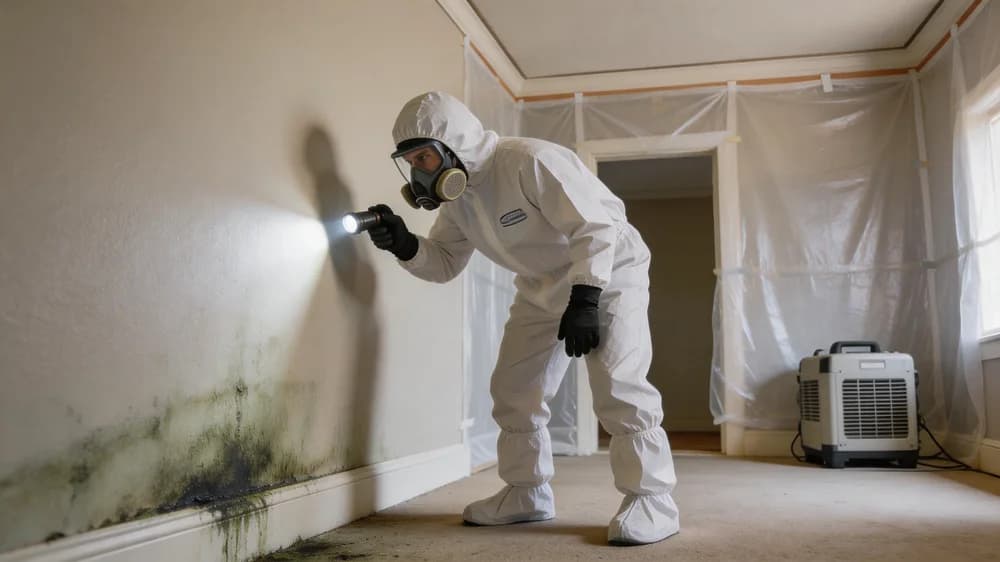
The only reliable way to identify mold species is through laboratory analysis. Our team collects surface and air samples using proper protocols and submits them to accredited laboratories for identification. Knowing the specific species present can be useful for:
- Assessing potential health risks for occupants
- Determining the likely moisture conditions that supported the growth
- Guiding remediation methods and containment requirements
- Providing documentation for insurance claims or real estate transactions
- Establishing baseline conditions for post-remediation verification
What to Do When You Find Any Color of Mold
Regardless of the color or appearance of mold you discover in your home, we recommend the same initial response:
- Do not touch, scrub, or disturb the mold, as this releases spores into the air
- Avoid spending extended time in the affected area
- Increase ventilation if possible without spreading spores to clean areas
- Document the mold with photographs including a size reference
- Contact Advanced DRI for professional assessment and remediation
Our mold remediation team treats every mold situation with the same professional rigor, using proper containment, HEPA filtration, and industry-standard remediation protocols. We address the contamination itself and the moisture source that caused it, ensuring the problem is fully resolved. Contact us for an assessment of any mold concern in your home or commercial property.
Frequently Asked Questions
Is black mold always Stachybotrys?
No. Many mold species appear black, including common types like Cladosporium, Alternaria, Aspergillus niger, and Chaetomium. Not all black-colored mold is Stachybotrys, and Stachybotrys is actually less common than many other indoor molds. Laboratory testing is the only way to confirm the species.
Is green mold less dangerous than black mold?
Not necessarily. Green mold species like Aspergillus fumigatus can cause serious infections in immunocompromised individuals, and Penicillium species can produce significant allergic responses. The health risk of mold depends on the specific species, the concentration of exposure, and the individual's health status, not on color.
Can I buy a home test kit to identify the mold type?
Consumer mold test kits are widely available, but their reliability is limited. Many kits detect mold spores that are present in virtually every indoor environment, leading to results that are difficult to interpret without professional context. Professional sampling with accredited laboratory analysis provides more reliable identification and actionable information.
Should I treat all mold the same way when cleaning?
For small areas of surface mold on non-porous surfaces, basic cleaning with appropriate products may be sufficient regardless of color. However, any mold on porous materials, in large areas, or in concealed locations should be handled by professionals. Attempting to clean large mold infestations without proper containment and protection can significantly worsen indoor air quality and spread contamination.
Categories
Need Restoration Services?
Our team is available 24/7 for emergency response. Call us today for a free phone consultation.

Questions About Restoration?
Our experts are ready to help. Contact us for a free consultation.