
Asbestos in Older Homes: Identification and Safe Removal
Elsa Boyer is a Regional Operations Manager for Advanced Disaster Recovery, based in Harrisburg, Pennsylvania, overseeing commercial and healthcare restoration projects. She holds a Bachelor of Arts from Valparaiso University and a deep certification portfolio, including ICRA Certified Healthcare Remediator Supervisor and multiple IICRC designations across commercial drying, structural drying, water, and fire & smoke restoration.
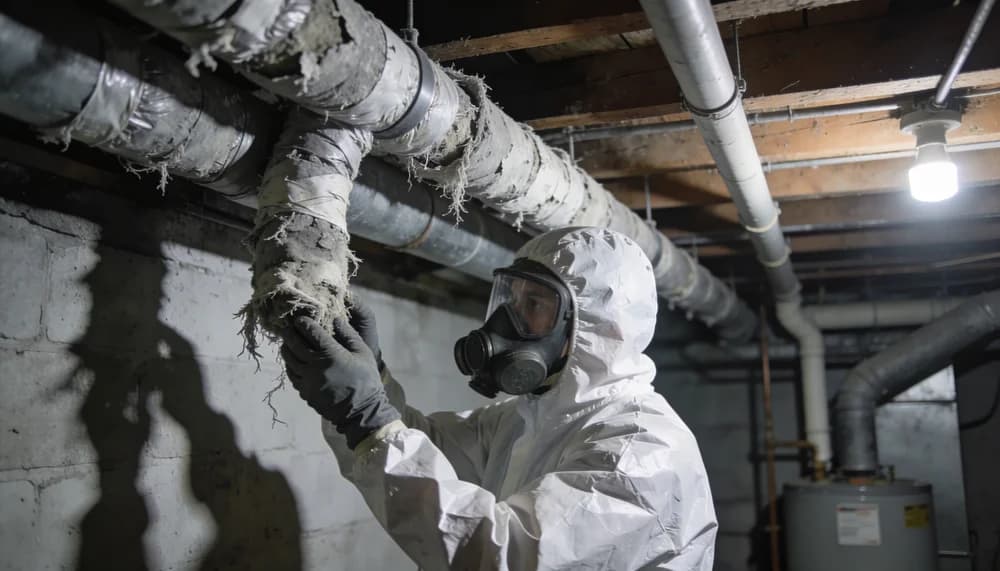
Learn where asbestos hides in older homes, how to identify suspect materials, and why professional abatement is essential for safe removal in NY, NJ, PA & CT.
Asbestos: A Legacy Hazard in Northeast Homes
Asbestos is a naturally occurring mineral fiber that was widely used in residential construction materials from the early 1900s through the 1980s due to its exceptional heat resistance, durability, and insulating properties. While new uses of asbestos have been largely restricted, the material remains in place in millions of homes across New York, New Jersey, Pennsylvania, and Connecticut. When asbestos-containing materials are disturbed, damaged, or deteriorating, they release microscopic fibers into the air that pose serious health risks when inhaled.
At Advanced DRI, our certified asbestos abatement team helps homeowners identify, manage, and safely remove asbestos-containing materials. Understanding where asbestos may be present in your home is critical before undertaking any renovation, repair, or demolition work.
Where Asbestos Hides in Older Homes
Asbestos was incorporated into dozens of building products. The most common residential locations include:
Insulation
- Pipe and boiler insulation: White or gray insulation wrapping around heating pipes, boilers, and hot water tanks in basements and utility rooms is one of the most recognizable and dangerous asbestos-containing materials. When this insulation deteriorates, it becomes friable, meaning it can be crumbled by hand pressure and easily releases fibers.
- Attic insulation: Vermiculite attic insulation, particularly the Zonolite brand manufactured from a contaminated mine in Libera, Montana, frequently contains asbestos. This loose-fill insulation appears as small, lightweight, gray-brown granules.
- Wall and ceiling insulation: Some blown-in and batt insulation products manufactured before 1980 contained asbestos fibers.
Flooring
- Vinyl floor tiles: 9-inch by 9-inch vinyl floor tiles manufactured between the 1920s and 1980s very commonly contain asbestos. The adhesive (mastic) used to install these tiles also frequently contains asbestos.
- Sheet vinyl flooring: The backing material on sheet vinyl flooring from this era often contains asbestos.
Walls and Ceilings
- Textured coatings: Popcorn ceilings, textured wall finishes, and spray-on acoustic treatments applied before 1980 may contain asbestos.
- Joint compound: Drywall joint compound and spackling products used before the mid-1980s sometimes contained asbestos.
- Plaster: Some plaster formulations, particularly those used for fireproofing, included asbestos fibers.
Roofing and Exterior
- Cement shingles and siding: Asbestos cement (transite) shingles and siding were extremely common on Northeast homes from the 1920s through the 1970s. These rigid, dense materials are highly durable and often still in service.
- Roof shingles and felt: Some asphalt roof shingles and roofing felt contained asbestos fibers for reinforcement and fire resistance.
Other Locations
- Furnace and duct components: Gaskets, duct tape, cement, and insulation on HVAC systems frequently contain asbestos.
- Fireproofing materials: Spray-on fireproofing around structural steel, and millboard used to protect walls near wood stoves and furnaces.
- Caulk and putty: Window glazing putty and some caulking compounds contained asbestos fibers.
Health Risks of Asbestos Exposure
Asbestos fibers are invisible to the naked eye and have no taste or odor. When inhaled, they can lodge permanently in lung tissue and cause devastating diseases, often decades after exposure:
- Mesothelioma: A rare and aggressive cancer of the lining of the lungs, abdomen, or heart. Mesothelioma is almost exclusively caused by asbestos exposure and has a very poor prognosis.
- Lung cancer: Asbestos exposure significantly increases the risk of lung cancer, particularly in combination with smoking.
- Asbestosis: A chronic scarring of the lung tissue caused by prolonged asbestos fiber inhalation, resulting in progressive breathing difficulty.
Because asbestos-related diseases have long latency periods of 15 to 40 years or more, exposure occurring today during a renovation project may not manifest as illness for decades.
How to Identify Asbestos in Your Home
You cannot identify asbestos by visual inspection alone. Many asbestos-containing materials look identical to non-asbestos versions. The only reliable method is professional laboratory analysis.
When to Test
Asbestos testing should be performed:
- Before any renovation, remodeling, or demolition work in a pre-1990 home
- When insulation, flooring, ceiling material, or other suspect materials are damaged or deteriorating
- Before purchasing an older home, as part of the inspection process
- When planning HVAC replacement or upgrades in older homes
The Testing Process
Advanced DRI's certified inspectors collect small samples of suspect materials following strict protocols that minimize fiber release. Samples are submitted to accredited laboratories for polarized light microscopy (PLM) or transmission electron microscopy (TEM) analysis. Results typically identify the type and percentage of asbestos fibers present.
Important: Do not attempt to collect asbestos samples yourself. Improper sampling can release fibers into your home and create a health hazard. Professional inspectors use containment and personal protective equipment to perform sampling safely.
Asbestos Management Options
When asbestos-containing materials are confirmed in your home, there are several management approaches:
Leave in Place and Monitor
Asbestos materials that are in good condition and will not be disturbed can often be left in place. This is frequently the most practical approach for materials like intact cement siding, undamaged floor tiles, and stable pipe insulation. Regular monitoring ensures the material remains in good condition.
Encapsulation
Applying a sealant over asbestos-containing material can prevent fiber release without removal. This approach is appropriate for some pipe insulation and surface materials but must be performed by certified professionals.
Professional Abatement
When asbestos materials are damaged, deteriorating, or will be disturbed by renovation work, professional removal is necessary. Asbestos abatement must be performed by licensed contractors following strict state and federal regulations that govern worker protection, containment, air monitoring, and waste disposal.
Advanced DRI's Asbestos Abatement Process
Our asbestos abatement services follow all applicable OSHA, EPA, and state regulations:
- Comprehensive pre-abatement inspection and testing
- Detailed work plan and required regulatory notifications
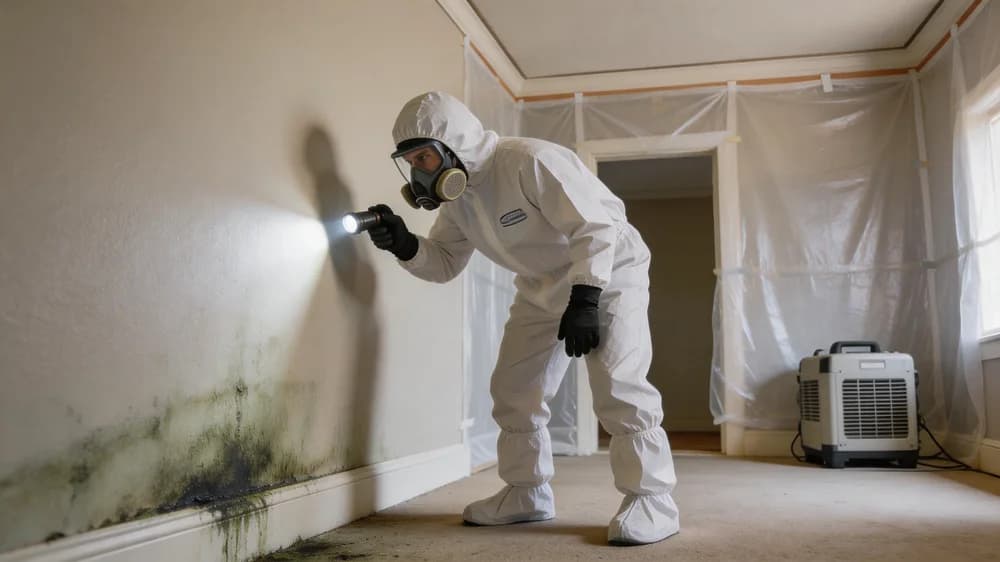
- Full containment with negative pressure and HEPA-filtered air
- Wet removal methods to suppress fiber release
- Continuous air monitoring throughout the project
- Proper packaging and disposal at licensed facilities
- Post-abatement clearance air testing by an independent laboratory
If you own or are considering purchasing a home built before 1990, contact Advanced DRI for professional asbestos inspection and testing. Our team will help you understand your options and ensure that any abatement work is performed safely and in full compliance with all regulations.
Frequently Asked Questions
Is asbestos only a concern in very old homes?
No. While asbestos use was heaviest from the 1940s through the 1970s, some asbestos-containing products were manufactured and installed into the late 1980s. Homes built through approximately 1990 may contain asbestos materials. If your home was built before 1990, testing is recommended before renovation work.
Can I remove asbestos myself?
While federal law does not specifically prohibit homeowners from removing asbestos in their own single-family homes, most states in our service area require licensed professionals for asbestos abatement. Regardless of legal requirements, DIY asbestos removal is extremely dangerous without proper training, equipment, and containment. The health risks are severe and the consequences of improper removal can contaminate your entire home.
How much does asbestos abatement cost?
Cost depends on the type of material, the quantity, the location within the home, and the complexity of containment required. Pipe insulation removal in an accessible basement may be relatively straightforward, while asbestos floor tile removal under multiple flooring layers in an occupied home is more involved. We provide detailed estimates after inspection so you can make informed decisions.
Do I need to leave my home during asbestos abatement?
For most residential abatement projects, we recommend that occupants vacate the work area. Depending on the scope and location of the work, it may be possible to remain in unaffected areas of the home, or temporary relocation may be advisable. Our team will advise you on the safest approach based on the specifics of your project.
Categories
Need Restoration Services?
Our team is available 24/7 for emergency response. Call us today for a free phone consultation.
Questions About Restoration?
Our experts are ready to help. Contact us for a free consultation.