Water Damage Restoration
Water Damage Restoration Cost: Complete Pricing Guide for Homeowners
December 20, 202511 min read
T
Tyler McClelland· Mitigation Manager, Hudson Valley Region (NY)
Tyler McClelland leads mitigation operations for Advanced DRI across New York's Hudson Valley, directing water, mold, and large-loss response in the field. He holds IICRC Water Restoration Technician (WRT) and Applied Microbial Remediation Technician (AMRT) certifications and a New York State Mold Supervisor certification, and is trained in IRCA hospital safe construction practices recognized by The Joint Commission.
IICRC Water Restoration Technician (WRT), IICRC Applied Microbial Remediation Technician (AMRT), NY State Mold Supervisor Certification, Lead RRP Certification, OSHA Bloodborne Pathogens Training, IRCA Hospital Safe Construction Practices (TJC), Large Loss Mastery Estimating CertifiedLinkedIn
Published December 20, 2025 · Updated May 27, 2026

How much does water damage restoration cost? Get detailed pricing breakdowns, factors affecting cost, and tips to save money on water damage repair.
What Determines Water Damage Restoration Cost for Your Property
Water damage restoration cost varies significantly based on multiple factors that homeowners must understand before disaster strikes. When flooding, burst pipes, or appliance failures affect your property, knowing what influences these expenses helps you make informed decisions and avoid unexpected financial burdens. Professional restoration providers evaluate several key elements when assessing your situation, and understanding these variables empowers you to communicate effectively with technicians and insurance adjusters. The severity of intrusion, affected square footage, contamination level, and response time all play crucial roles in determining your final water damage restoration cost. Properties with minor leaks typically require less extensive water damage repair than homes experiencing catastrophic flooding. Additionally, the type of materials affected—hardwood floors versus tile, finished basements versus unfinished spaces—dramatically influences how professionals approach your project.Water Damage Categories and Their Impact on Restoration Expenses
Understanding damage categories helps homeowners anticipate what their restoration project will involve. The Institute of Inspection, Cleaning and Restoration Certification (IICRC) classifies incidents into three distinct categories, each affecting your water damage restoration cost differently.Category 1: Clean Water Sources
Category 1 incidents originate from sanitary sources such as broken supply lines, overflowing sinks, or malfunctioning appliances. This type typically results in lower water damage repair expenses because the moisture poses minimal health risks and requires standard extraction and drying protocols. However, even clean water becomes more problematic if left untreated for extended periods, potentially escalating costs as contamination develops.Category 2: Gray Water Contamination
Gray water contains significant contamination levels from sources like washing machine overflows, dishwasher leaks, or toilet overflows without feces. This category requires more extensive protocols, including antimicrobial treatments and more thorough cleaning procedures. Water restoration damage from gray water sources typically costs more than Category 1 incidents due to additional sanitation requirements.Category 3: Black Water Emergencies
Black water represents the most hazardous and expensive category. Sources include sewage backups, flooding from rivers or streams, and standing water that has developed bacterial growth. Professional restoration services for Category 3 situations require specialized equipment, personal protective gear, and often complete removal of affected building materials. Homeowners facing black water incidents should expect their water damage restoration cost to reflect these heightened safety and sanitation requirements.⚠️ Important: Never attempt to clean Category 3 contamination yourself. Exposure to sewage-contaminated water poses serious health risks including bacterial infections, parasitic diseases, and toxic exposure. Always call professional water damage service providers immediately.
Key Factors That Influence Restoration Expenses
Multiple variables determine your total water damage restoration cost beyond just the contamination category. Professional restoration companies evaluate these factors during their initial assessment to provide accurate estimates.Square Footage of Affected Areas
The total area requiring restoration directly impacts your overall expenses. A small bathroom leak affecting 50 square feet requires significantly less work than basement flooding covering 1,000 square feet or more. Professionals calculate costs based on the scope of affected areas, including hidden spaces within walls, ceilings, and subfloor structures.Response Time and Exposure Duration
How quickly you address the problem dramatically affects your restoration expenses. Properties receiving immediate emergency response within the first 24-48 hours typically experience lower water damage restoration cost compared to situations where moisture sits for days or weeks. Extended exposure allows water to penetrate deeper into building materials, promotes mold growth, and causes structural deterioration that increases water damage repair requirements.Building Materials and Finishes
Your home's construction materials significantly influence water damage service expenses. Hardwood flooring, custom cabinetry, and high-end finishes require specialized water restoration damage techniques and potentially complete replacement. Standard materials like laminate flooring or basic drywall may be more cost-effective to replace than restore.| Material Type | Restoration Potential | Cost Impact |
|---|---|---|
| Hardwood Flooring | Often restorable with proper drying | Moderate to High |
| Laminate Flooring | Usually requires replacement | Moderate |
| Carpet and Padding | Depends on contamination level | Low to Moderate |
| Drywall | Often requires partial replacement | Moderate |
| Concrete | Highly restorable | Low |
The Restoration Process and Associated Expenses
Understanding each phase of professional water damage service helps homeowners anticipate where expenses occur. Comprehensive restoration work involves multiple steps, each contributing to your total costs.Emergency Response and Assessment
Professional water damage repair begins with emergency response and thorough property assessment. Technicians use moisture meters, thermal imaging cameras, and hygrometers to identify all affected areas, including hidden moisture within wall cavities and beneath flooring. This initial evaluation determines the scope of water restoration damage and helps establish accurate projections.Water Extraction and Removal
Standing water removal represents a critical early phase. Industrial pumps and truck-mounted extraction units remove bulk moisture quickly, while specialized tools address water trapped in carpets, padding, and subfloor materials. The volume and accessibility of affected areas influence this portion of your water damage restoration cost.Structural Drying and Dehumidification
After extraction, professional restoration requires thorough drying using commercial-grade air movers and dehumidifiers. This phase often takes several days depending on saturation levels and environmental conditions. Technicians monitor moisture readings throughout the drying process. Equipment rental time and energy consumption factor into your expenses during this phase.💡 Pro Tip: Request daily moisture readings during the drying phase. This documentation proves valuable for insurance claims and ensures your property reaches appropriate dryness levels before restoration begins.
Cleaning, Sanitization, and Antimicrobial Treatment
Depending on the contamination category, water damage service includes cleaning and sanitizing affected surfaces and contents. Antimicrobial treatments prevent mold growth and address bacterial contamination. More severe contamination levels require more extensive cleaning protocols.Restoration and Reconstruction
The final phase involves repairing or replacing damaged building materials. This may include drywall replacement, flooring installation, painting, and trim work. Water restoration damage that affected structural elements requires more extensive reconstruction. Many professional restoration companies offer complete reconstruction services.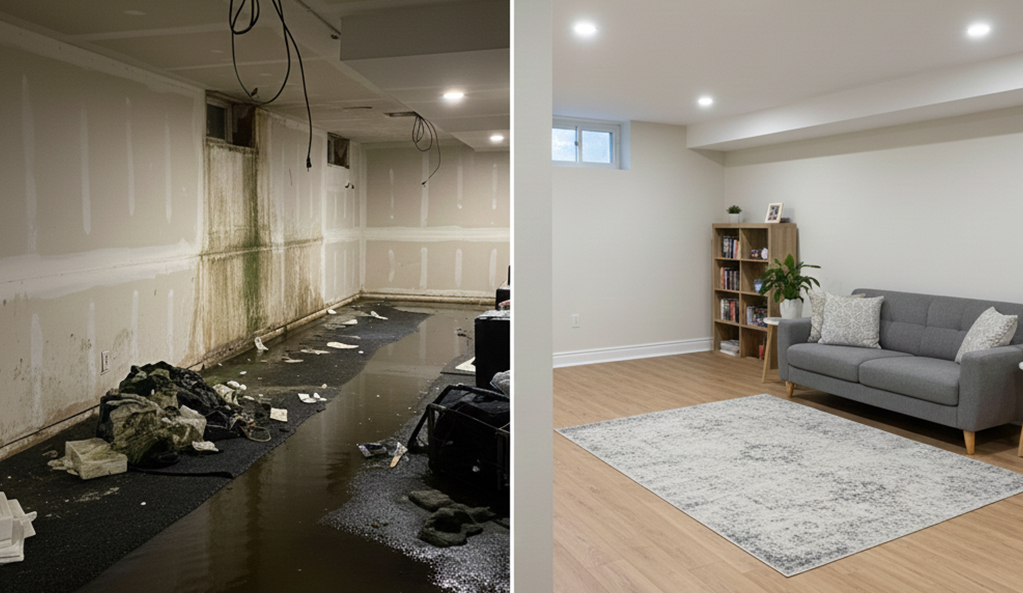
Hidden Expenses Homeowners Often Overlook
Your water damage restoration cost may include expenses beyond the immediate restoration work. Awareness of these potential costs helps you budget more accurately.Mold Remediation Requirements
When moisture problems aren't addressed promptly, mold can begin growing within 24-48 hours. Discovering mold during or after restoration adds significant expenses to your project. Professional mold remediation services involve containment, removal, and air quality testing. The mold remediation process requires specialized equipment and expertise.Personal Property and Contents Restoration
Your expenses may include cleaning, restoring, or replacing personal belongings affected by moisture. Furniture, electronics, documents, and clothing often require professional attention. Some water damage service providers offer contents restoration as part of comprehensive packages.Temporary Living Expenses
Severe water damage repair projects may require you to vacate your home temporarily. While homeowner's insurance often covers additional living expenses, understanding these potential costs helps you plan appropriately.Structural Engineering Assessments
Significant incidents may compromise structural integrity. Your expenses might include professional engineering assessments to evaluate foundation damage, load-bearing wall integrity, or roof structure concerns.Insurance Considerations for Your Project
Understanding your insurance coverage significantly affects your out-of-pocket water damage restoration cost. Most homeowner policies cover sudden and accidental incidents, but coverage varies based on the source and circumstances.Covered Scenarios
Standard homeowner insurance typically covers water damage repair for burst pipes, appliance malfunctions, accidental overflows, and certain weather-related incidents. Storm damage restoration often falls under covered perils when intrusion results from wind-driven rain.Exclusions and Limitations
Flood damage from external sources typically requires separate flood insurance and isn't covered under standard policies. Gradual damage from slow leaks may also face coverage limitations. Understanding your policy exclusions helps you anticipate which expenses you'll bear personally.🏠 Home Tip: Review your insurance policy annually and consider adding flood coverage if you live in a flood-prone area. The gap between flood damage expenses and standard coverage often surprises homeowners.
Working with Insurance Adjusters
Professional documentation helps maximize your insurance claim. Reputable restoration companies provide detailed reports, photographs, and moisture readings that support your claim. Many companies work directly with insurance adjusters, ensuring appropriate coverage for your water damage repair needs.How to Budget for Restoration Services
Proactive budgeting helps homeowners manage water damage restoration cost when emergencies occur. Consider these strategies for financial preparedness.Emergency Fund Considerations
Maintaining an emergency fund covering your insurance deductible plus potential uncovered expenses provides financial security. Your deductible may range from several hundred to several thousand dollars depending on your policy.Getting Multiple Estimates
While emergencies require immediate response, obtaining multiple estimates for reconstruction work helps ensure competitive pricing. Compare detailed scopes of work to understand what each water damage service provider includes in their quote.Understanding Payment Options
Many restoration providers offer payment plans or work directly with insurance companies on billing. Discuss payment options during your initial consultation to understand your financial obligations.Preventing Future Expenses
Investing in prevention helps you avoid future restoration expenses entirely. Simple maintenance and upgrades protect your property from common sources of moisture intrusion.Regular Plumbing Maintenance
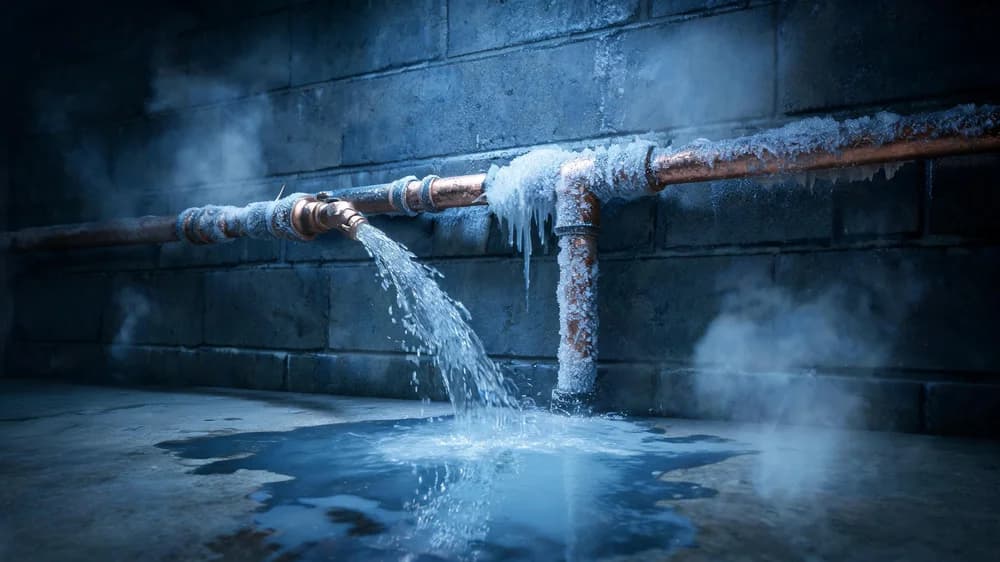
Annual plumbing inspections identify potential problems before they cause damage. Replace aging supply lines, particularly rubber washing machine hoses that deteriorate over time. Addressing minor leaks promptly prevents major water damage repair emergencies.Appliance Maintenance and Monitoring
Water heaters, washing machines, dishwashers, and refrigerators with ice makers represent common problem sources. Install leak sensors near these appliances to detect issues early. Consider automatic shut-off valves to prevent significant water restoration damage.Exterior Drainage Improvements
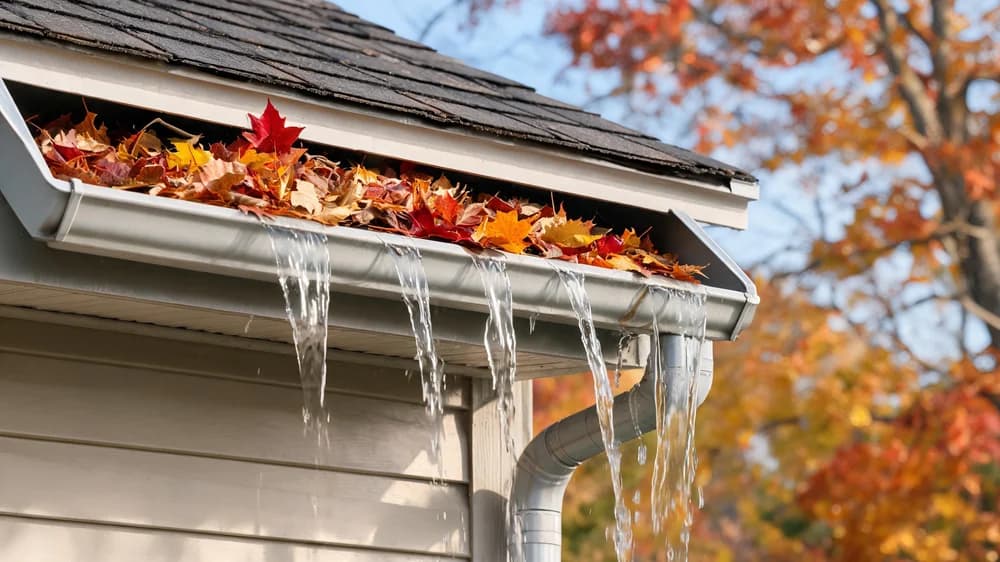
Proper grading, gutter maintenance, and foundation waterproofing prevent intrusion from exterior sources. These improvements represent relatively minor investments compared to potential restoration expenses.How long does the restoration process typically take?
+
The timeline depends on the extent of damage, contamination category, and affected materials. Minor incidents may require just 3-5 days for complete water damage service, while severe flooding with structural damage can take several weeks. The drying phase alone typically requires 3-7 days of continuous equipment operation.
Does homeowner insurance cover all restoration expenses?
+
Homeowner insurance typically covers sudden and accidental water damage repair from sources like burst pipes, appliance failures, and certain storm-related incidents. However, flood damage from external sources requires separate flood insurance. Gradual damage from neglected maintenance may face coverage limitations.
Can I reduce costs by handling some work myself?
+
While homeowners can safely remove personal items from affected areas, professional water damage service is essential for proper restoration. DIY attempts often miss hidden moisture that leads to mold growth, ultimately increasing your total expenses. Professional equipment ensures complete drying and prevents secondary damage.
What should I do immediately after discovering moisture intrusion?
+
First, ensure your safety by turning off electricity to affected areas. Stop the source by shutting off supply valves or the main shut-off. Document the damage with photos for insurance purposes. Contact a professional water restoration damage company immediately, as response time significantly affects your total expenses.
How do I choose a reputable restoration company?
+
Look for water damage service providers with industry certifications, 24/7 emergency response capability, and positive customer reviews. Reputable companies provide detailed written estimates. Verify they carry appropriate insurance and ask about their experience with your specific type of water restoration damage.
Take Action to Protect Your Property
Understanding water damage restoration cost empowers you to make informed decisions when emergencies occur. Whether you're currently facing moisture problems or preparing for potential future incidents, knowledge about restoration processes and insurance considerations helps you navigate these challenging situations effectively. Professional water damage service providers offer the expertise necessary to restore your property properly. When disaster strikes, quick action minimizes both property damage and your total expenses. Contact experienced restoration professionals immediately to begin the recovery process and get your home back to its pre-damage condition as efficiently as possible.Categories
Need Restoration Services?
Our team is available 24/7 for emergency response. Call us today for a free phone consultation.

Questions About Restoration?
Our experts are ready to help. Contact us for a free consultation.