Water Damage Restoration
Water Damage Cleanup in Absecon, Atlantic County – Steps to Protect Your Property
March 25, 20254 min read
T
Tyler McClelland· Mitigation Manager, Hudson Valley Region (NY)
Tyler McClelland leads mitigation operations for Advanced DRI across New York's Hudson Valley, directing water, mold, and large-loss response in the field. He holds IICRC Water Restoration Technician (WRT) and Applied Microbial Remediation Technician (AMRT) certifications and a New York State Mold Supervisor certification, and is trained in IRCA hospital safe construction practices recognized by The Joint Commission.
IICRC Water Restoration Technician (WRT), IICRC Applied Microbial Remediation Technician (AMRT), NY State Mold Supervisor Certification, Lead RRP Certification, OSHA Bloodborne Pathogens Training, IRCA Hospital Safe Construction Practices (TJC), Large Loss Mastery Estimating CertifiedLinkedIn
Published March 25, 2025 · Updated June 29, 2026

Protect your property after water damage in Absecon. Follow expert steps or contact Advanced DRI for full-service restoration and cleanup.
What Are the Most Common Causes of Water Damage in Absecon?
Water damage in Absecon can result from both natural and internal sources. Identifying the root cause is the first step toward recovery.- Heavy rainfall or coastal storms
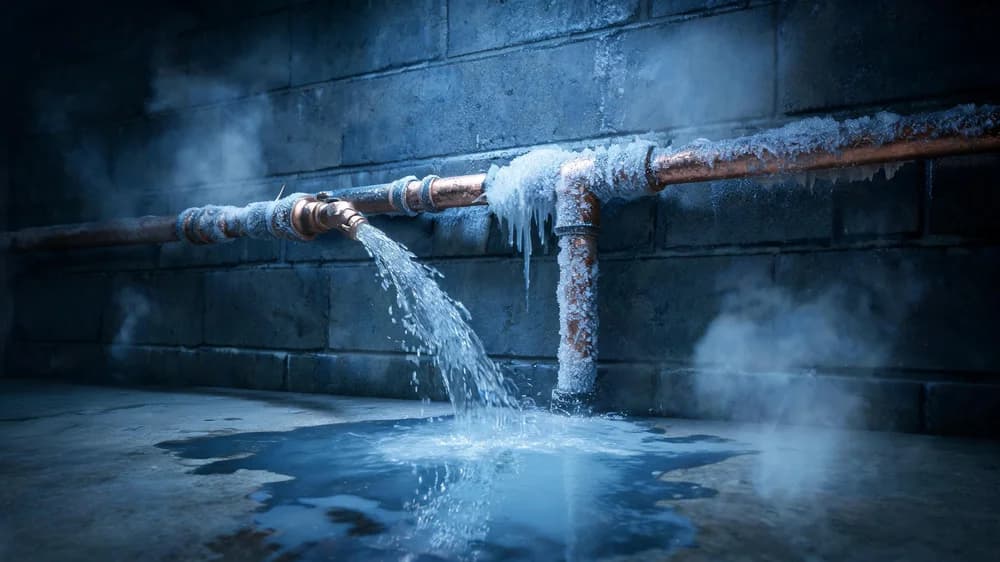
- Burst pipes and plumbing failures
- Overflowing toilets, tubs, or sinks
- Broken or leaking appliances
- Clogged drains or sewer issues
- Sump pump malfunctions
- Flood-prone basements or crawlspaces
Step 1: Ensure Safety Before Entering a Water-Damaged Area
Before starting any cleanup, make sure the affected area is safe to enter. Water and electricity are a dangerous combination, and structural hazards may exist.- Turn off electricity if water is near outlets or appliances.
- Wear rubber boots and gloves to avoid contact with contaminated water.
- If the water appears to be from a sewer or storm drain, avoid entering and call professionals immediately.
Step 2: Stop the Source of Water if It’s Still Flowing
Once it’s safe to do so, your next step is to prevent further water from entering the property.- Shut off the main water supply for pipe leaks or appliance overflows.
- Use towels or buckets to contain the flow temporarily.
- Cover roof leaks with tarps if safe, until they can be professionally repaired.
Step 3: Document the Damage for Insurance Purposes
Before you begin moving things or cleaning up, take detailed photos and videos of the damaged areas and belongings.- Capture water levels, affected rooms, and damaged furniture.
- Keep records of any communication with your insurance company.
- Don’t throw anything out until your adjuster has seen it.
Step 4: Begin Water Removal and Start Drying Immediately
Water sitting for more than 24 hours can begin to grow mold. Begin extracting water with the tools you have access to:- Wet/dry vacuum or water pump
- Absorbent towels or mops
- Fans and open windows for air circulation
Step 5: Clean and Disinfect All Surfaces
Even clean-looking water can carry contaminants. Once the area is dry to the touch, disinfect thoroughly.- Use bleach-based or antimicrobial cleaners on floors and walls.
- Disinfect furniture, counters, and hard surfaces that had contact with water.
- Don’t forget to sanitize items like toys, tools, and electronics casings.
Step 6: Remove Unsalvageable Materials and Plan for Repairs
Some materials are too damaged to keep and may pose health risks if left in place.- Soaked drywall, insulation, and particleboard
- Rugs or carpet padding that can’t be fully dried
- Furniture or mattresses that show signs of mold
Why Fast Water Damage Cleanup Matters
Waiting too long can lead to permanent structural issues and serious health hazards.- Mold growth begins in 24–48 hours
- Wood floors and framing can rot within days
- Unseen moisture may damage wiring and insulation
Tips to Prevent Water Damage in the Future
- Install a sump pump with a battery backup
- Inspect and insulate pipes before winter
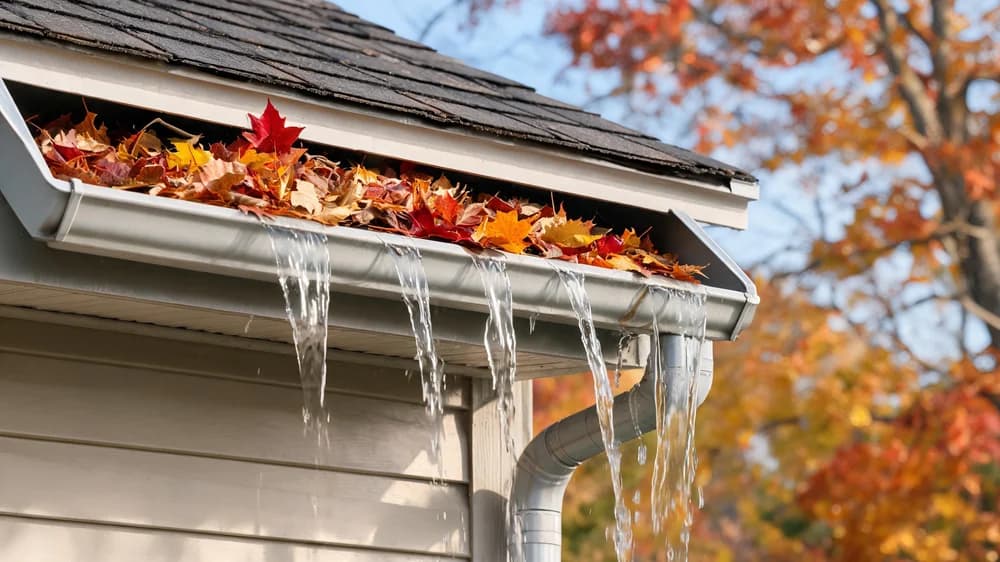
- Keep gutters and downspouts clear of debris
- Seal cracks in basement walls and windows
- Test water alarms in at-risk areas
Categories
Need Restoration Services?
Our team is available 24/7 for emergency response. Call us today for a free phone consultation.

Questions About Restoration?
Our experts are ready to help. Contact us for a free consultation.