Water Damage Categories Explained: Clean, Gray, and Black Water
Tyler McClelland leads mitigation operations for Advanced DRI across New York's Hudson Valley, directing water, mold, and large-loss response in the field. He holds IICRC Water Restoration Technician (WRT) and Applied Microbial Remediation Technician (AMRT) certifications and a New York State Mold Supervisor certification, and is trained in IRCA hospital safe construction practices recognized by The Joint Commission.
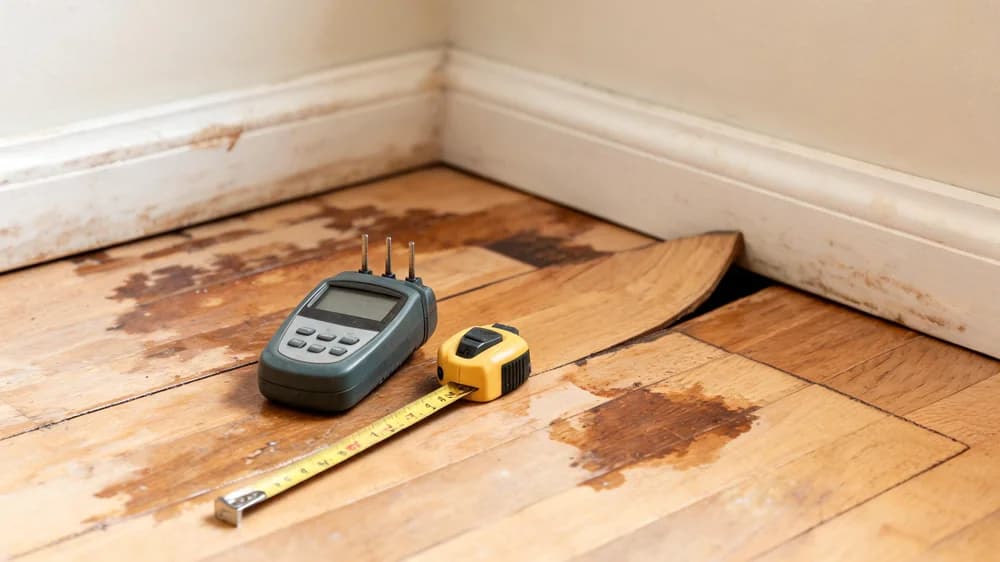
Learn the three categories of water damage, clean, gray, and black water, and why the category determines how your property must be cleaned and restored.
Why Water Damage Is Classified by Category
When Advanced DRI arrives at a water-damaged property, one of the first things our technicians determine is the category of water involved. This is not a technicality. The category drives every decision that follows: which materials can be dried and saved, which must be removed, what protective equipment the crew wears, and how the affected area is sanitized.
The restoration industry recognizes three categories of water, based on how contaminated it is and the health risk it poses. Understanding them helps homeowners make sense of the cleanup process and why certain materials cannot simply be dried out.
Category 1: Clean Water
Category 1 water originates from a sanitary source and poses little immediate health risk. Common sources include a broken supply line, an overflowing sink or bathtub with no contaminants, a failed water heater, or melting ice and snow.
Because the water is clean, the focus is on fast, thorough drying. Carpet, padding, drywall, and flooring can often be saved if the area is dried quickly and completely. The critical word is quickly. Clean water does not stay clean for long.
How Clean Water Degrades
Within 24 to 48 hours, Category 1 water sitting in a home begins to degrade. It absorbs dirt, contacts building materials, and reaches temperatures that encourage bacterial growth. A clean water loss left untreated becomes a Category 2 loss, and the longer it sits, the more it costs to resolve. This is why prompt professional drying matters so much.
Category 2: Gray Water
Category 2 water, often called gray water, contains significant contamination and can cause illness or discomfort if contacted or consumed. Sources include discharge from washing machines or dishwashers, overflow from a toilet bowl containing urine but no solid waste, and a broken aquarium.
Gray water carries chemicals, detergents, and microorganisms. Restoration of a Category 2 loss requires more caution. Porous materials such as carpet padding are often removed rather than dried, and affected surfaces must be cleaned and disinfected, not simply dried.
Like clean water, gray water degrades. A Category 2 loss that sits untreated becomes Category 3, raising both the health risk and the scope of work.
Category 3: Black Water
Category 3 water, known as black water, is grossly contaminated and can contain harmful bacteria, viruses, fungi, and other agents that cause serious illness. Sources include sewage backups, toilet overflow containing solid waste, rising floodwater from rivers or streams, and standing water that has begun to support microbial growth.
Black water is a health hazard. Restoration requires personal protective equipment, containment of the affected area, and the removal and disposal of most porous materials that the water contacted, including carpet, padding, drywall, and insulation. Hard surfaces are cleaned, disinfected, and verified before the space is considered safe.
This is not a do-it-yourself situation. Our specialty cleanup team handles Category 3 losses with the protective measures and disposal protocols the situation demands.
The Four Classes of Water Damage
Alongside categories, restoration professionals also assess the class of water damage, which measures how much water is present and how hard it will be to dry the space.
- Class 1: The smallest amount of water, affecting part of one room with minimal absorption into materials.
- Class 2: A larger volume affecting an entire room, with water wicking up walls and into carpet and padding.
- Class 3: The greatest volume, often from overhead, saturating ceilings, walls, insulation, and flooring.
- Class 4: Specialty drying situations involving materials that hold water tightly, such as hardwood, plaster, concrete, and stone.
Together, category and class give technicians a precise picture of the loss and the equipment, time, and methods the job will require.
Why the Category Can Change Mid-Project
Homeowners are sometimes surprised when a loss is reclassified during restoration. A clean water leak discovered late may already have degraded to gray water. A gray water event left over a weekend may now be black water. Time and temperature drive this progression, which is the central reason restoration professionals urge homeowners to act within hours, not days.
What This Means for Your Property
The category of your water damage affects three things directly: how much can be saved, how long restoration takes, and what the cleanup costs. A fast response to a Category 1 loss often means saving flooring and drywall. A delayed response that allows degradation to Category 3 frequently means removing and replacing those same materials.
If your property has water damage, the most valuable thing you can do is call for professional help immediately. Contact Advanced DRI and our team will assess the category, contain the area, and begin the right restoration process. Learn more about our experience on our about page.
Frequently Asked Questions
Can I clean up Category 1 clean water myself?
Small, recent clean water spills can sometimes be managed by a homeowner, but the risk is hidden moisture. Water travels into wall cavities, under flooring, and into subfloors where it cannot be seen. Professional moisture detection ensures the area is fully dry and prevents mold weeks later.
How fast does clean water turn into gray or black water?
Degradation typically begins within 24 to 48 hours, though warm temperatures and contact with contaminated materials can accelerate it. This is why restoration professionals treat the first 48 hours as critical.
Does my insurance treat the categories differently?
Coverage usually depends on the source of the water rather than its category. Sudden, accidental losses from clean or gray water sources are commonly covered, while sewage backup may require a specific endorsement, and flood damage requires separate flood insurance. Always check your policy details.
Categories
Need Restoration Services?
Our team is available 24/7 for emergency response. Call us today for a free phone consultation.
Questions About Restoration?
Our experts are ready to help. Contact us for a free consultation.