Fire & Smoke Damage
Smoke Damage Restoration: How Professionals Remove Soot and Odors
December 19, 202513 min read
R
Rob Temples· Operations Manager, Emergency Services (Fairfield, NJ & New York City)
Rob Temples manages emergency restoration operations for Advanced DRI's Fairfield, NJ and New York City service areas. With 10 years in the restoration industry and prior experience working for a general contractor, he integrates construction knowledge with mitigation expertise on every project and holds an IICRC Water Restoration Technician (WRT) certification.
10+ years experienceIICRC Water Restoration Technician (WRT)
Published December 19, 2025 · Updated May 27, 2026

Discover how smoke damage restoration works, from soot removal to odor elimination. Learn what to expect and how to protect your belongings after a fire.
Understanding Smoke Damage Restoration and Why Professional Help Matters
Smoke damage restoration involves far more than wiping down surfaces and airing out rooms. When fire tears through a property, the visible flames represent only a fraction of the destruction. Smoke travels through every opening, coating walls, penetrating fabrics, and infiltrating HVAC systems with microscopic particles that continue causing damage long after firefighters leave. Professional smoke damage repair addresses these hidden hazards that homeowners often cannot see or reach on their own. The chemistry behind smoke makes it particularly destructive. As materials burn, they release acidic compounds that begin corroding metal surfaces, discoloring paint, and permanently staining porous materials within hours. This is why fire damage restoration must begin immediately. Waiting even 24 to 48 hours allows smoke residue to bond with surfaces, making complete removal significantly more difficult and expensive.The Science Behind Smoke and Soot Damage
Understanding what professionals face during smoke damage restoration requires knowledge of how different materials burn. Synthetic materials like plastics and polyester produce thick, black soot that smears easily and contains toxic compounds. Natural materials such as wood and paper create lighter, drier residue that spreads more readily but proves somewhat easier to clean. Most fires involve both material types, creating complex contamination that demands specialized soot removal services.
🔬 Technical Note: Smoke particles range from 0.1 to 4 microns in diameter—small enough to penetrate deep into porous materials and pass through standard HVAC filters. Professional restoration equipment captures particles down to 0.3 microns.
Temperature plays a critical role in smoke behavior. High-temperature fires produce dry smoke that powders off surfaces relatively easily. Low-temperature, smoldering fires generate wet smoke—sticky residue that smears when touched and requires aggressive cleaning methods. Fire damage restoration teams assess these factors during initial inspection to determine appropriate treatment protocols.
Protein fires from kitchen incidents create nearly invisible residue that discolors paints and varnishes while producing extremely pungent odors. These situations often require extensive smoke damage repair even when visible damage appears minimal. Professional assessment identifies all contamination types present, ensuring comprehensive treatment.
Professional Assessment and Damage Documentation
Every successful smoke damage restoration project begins with thorough assessment. Certified technicians inspect the entire property, not just visibly damaged areas. Smoke travels through wall cavities, electrical outlets, plumbing penetrations, and HVAC ductwork, contaminating spaces far from the fire's origin. This comprehensive evaluation guides the restoration plan and provides essential documentation for insurance claims. During assessment, professionals test surfaces throughout the property using specialized techniques. They examine air quality, check behind walls where necessary, and evaluate the condition of personal belongings. This detailed inspection determines which items require cleaning, which need specialized treatment, and which cannot be salvaged. Accurate assessment prevents surprises during smoke damage repair and ensures appropriate resource allocation.
💡 Pro Tip: Take photographs and video of all visible damage before any cleaning begins. This documentation supports insurance claims and helps restoration professionals understand pre-cleaning conditions.
The assessment also identifies safety hazards requiring immediate attention. Structural damage from fire, water damage from firefighting efforts, and electrical system concerns must be addressed before soot removal services can begin. Professional teams coordinate with appropriate contractors to resolve these issues, maintaining project momentum while ensuring worker and occupant safety.
Advanced Soot Removal Techniques
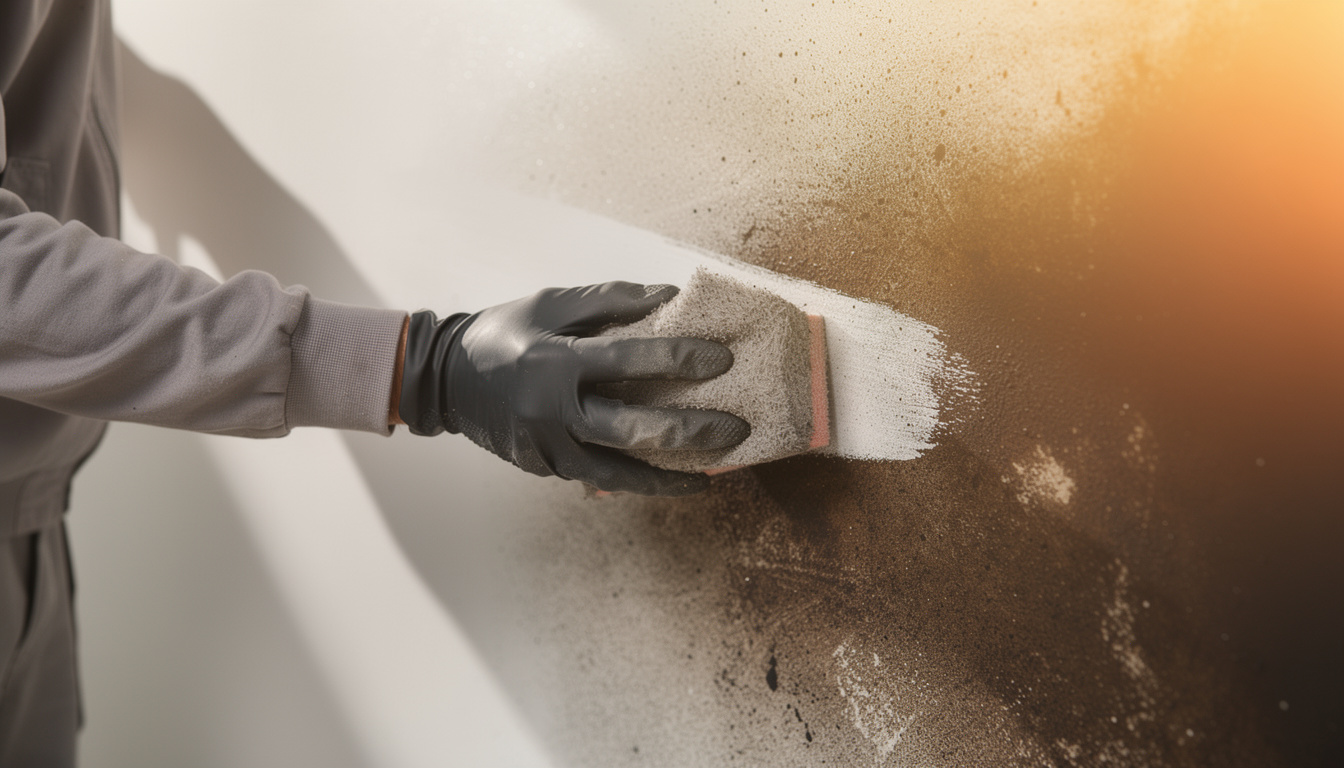
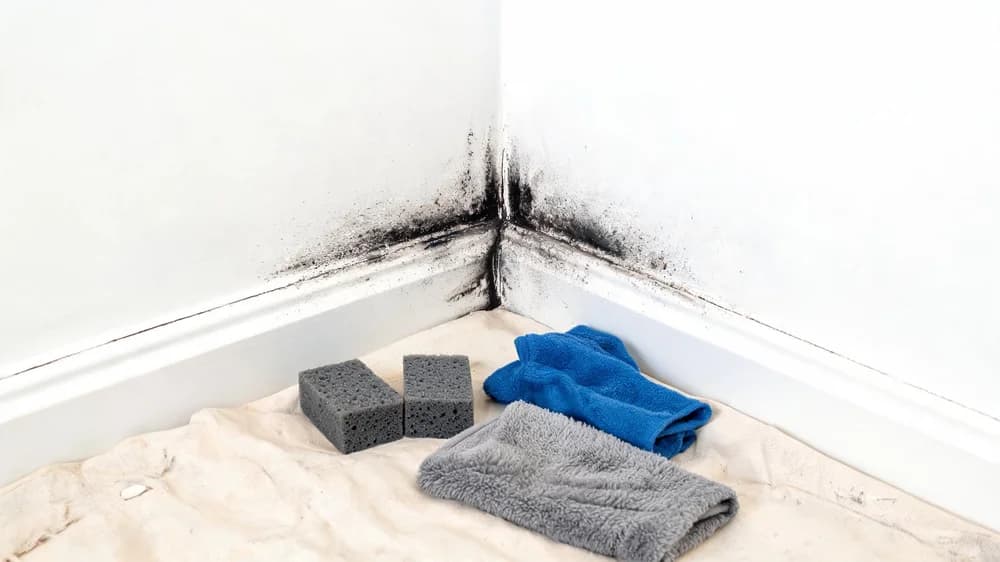
Professional soot removal services employ multiple techniques based on the type of residue and affected surfaces. HEPA vacuuming represents the first step for most scenarios, removing loose soot particles before wet cleaning begins. Standard vacuums lack sufficient filtration and simply redistribute contaminants throughout the space. Industrial HEPA equipment captures microscopic particles, preventing cross-contamination during residential fire and smoke damage restoration. Chemical sponges, also called dry cleaning sponges, remove dry smoke residue from walls, ceilings, and other smooth surfaces. These specialized sponges lift soot without smearing, preparing surfaces for wet cleaning. Technicians work systematically from ceilings downward, preventing cleaned areas from becoming recontaminated by falling debris during smoke damage repair procedures.| Smoke Type | Characteristics | Primary Removal Method |
|---|---|---|
| Dry Smoke | Powdery, high-temperature origin | HEPA vacuum, dry sponge, mild detergent |
| Wet Smoke | Sticky, smears easily, strong odor | Solvent-based cleaners, aggressive scrubbing |
| Protein Smoke | Nearly invisible, extreme odor | Enzyme cleaners, degreasing agents |
| Fuel/Oil Smoke | Dense, black, petroleum-based | Specialized solvents, multiple treatments |
Eliminating Smoke Odors Permanently
Odor elimination presents one of the greatest challenges in smoke damage repair. Smoke particles penetrate deeply into porous materials including drywall, insulation, carpeting, upholstery, and wood. Simply masking these odors with fragrances provides temporary relief at best—the smell returns when masking agents dissipate. Professional smoke damage restoration eliminates odors at their source through multiple complementary techniques. Thermal fogging disperses solvent-based deodorizers as a fine mist that penetrates wherever smoke traveled. These particles react with odor-causing compounds, neutralizing them rather than covering them up. Fogging reaches areas impossible to clean directly, including wall cavities and structural voids, making it essential for complete fire damage restoration.
⚠️ Important: Never attempt to eliminate smoke odors using household air fresheners or deodorizers. These products merely mask odors temporarily and can actually make professional treatment more difficult.
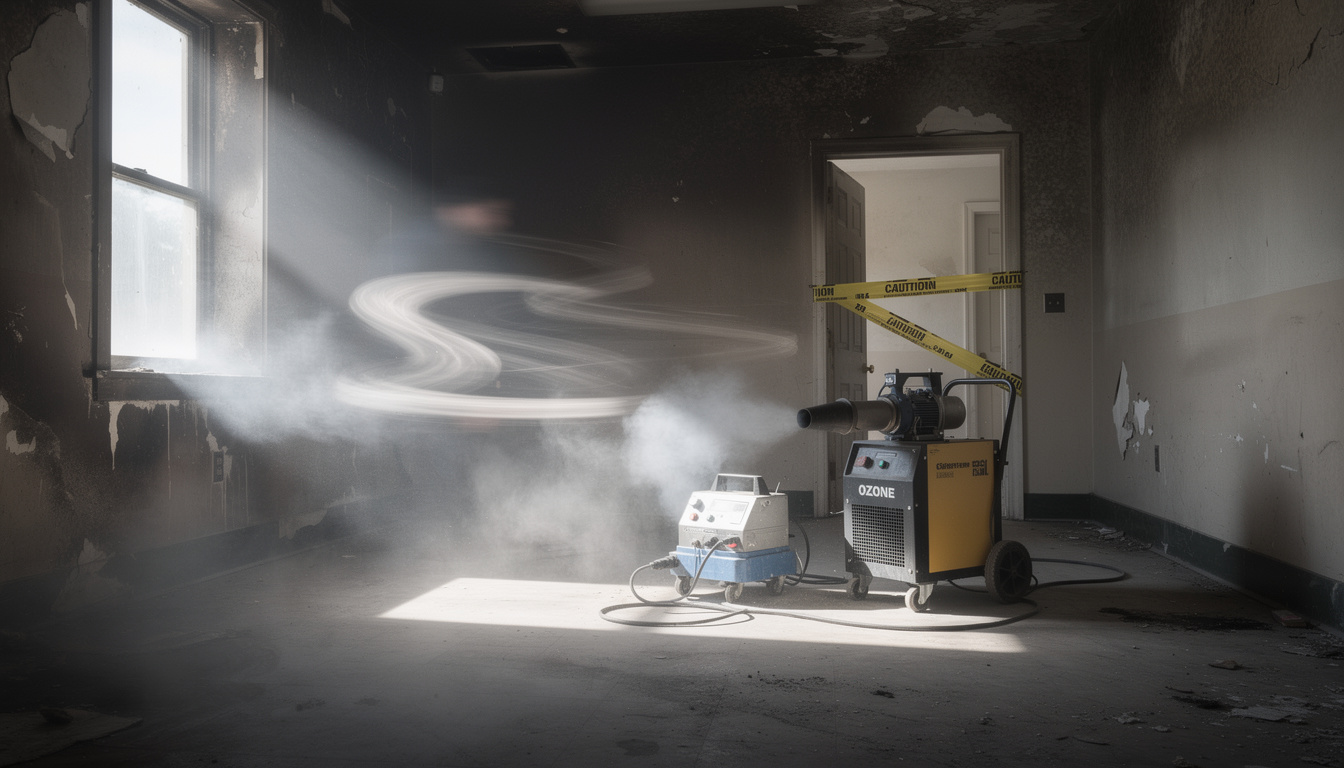
Ozone treatment provides another powerful deodorization method. Ozone generators produce O3 molecules that oxidize odor-causing compounds, permanently destroying them. This process requires evacuation of the property—ozone at treatment concentrations is harmful to breathe—but achieves results impossible through other means. Technicians performing soot removal services often combine ozone treatment with other methods for comprehensive odor elimination.
Hydroxyl generators offer an alternative for situations where evacuation proves impractical. These machines produce hydroxyl radicals that neutralize odors while remaining safe for occupied spaces. Treatment takes longer than ozone but allows residents or workers to remain in unaffected areas during smoke damage repair.
Air scrubbers running continuously throughout the project remove airborne particles and odors. These industrial machines draw contaminated air through multiple filter stages, including activated carbon for odor absorption. Combined with proper ventilation, air scrubbing maintains air quality during active restoration and accelerates final clearance after fire and smoke damage restoration work concludes.
HVAC System Cleaning and Restoration
Heating, ventilation, and air conditioning systems require special attention during smoke damage restoration. These systems circulate air throughout properties, meaning contaminated ductwork spreads smoke particles to every connected space. Running HVAC equipment after a fire without professional cleaning contaminates previously unaffected areas and embeds soot deeper into system components. Professional HVAC restoration begins with thorough inspection using cameras and other diagnostic tools. Technicians assess ductwork, air handlers, coils, and other components for contamination levels. Based on findings, they develop cleaning protocols ranging from surface cleaning to complete duct replacement. Fire damage restoration experts understand that partial measures often prove inadequate—smoke particles hiding in ductwork continue causing odor problems until completely removed. Duct cleaning involves powerful vacuum systems and agitation tools that dislodge accumulated soot. Air handling units receive detailed cleaning including coil washing, blower cleaning, and filter replacement. Technicians seal access points properly after cleaning to maintain system efficiency. This comprehensive approach ensures HVAC systems do not recontaminate cleaned spaces after smoke damage repair concludes.Content Cleaning and Restoration
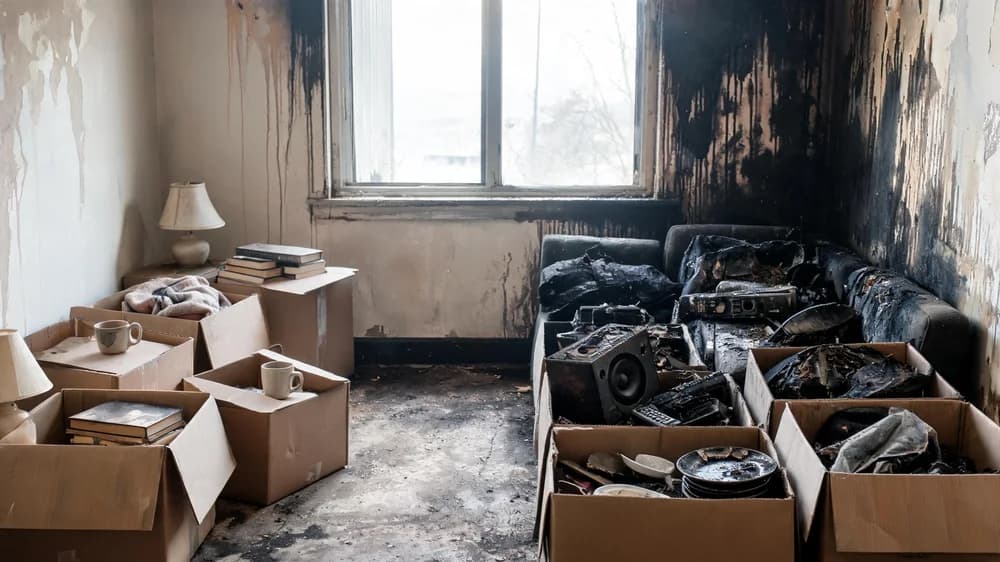
Personal belongings affected by smoke require specialized cleaning through professional soot removal services. Different materials demand different approaches—techniques appropriate for hard surfaces damage textiles, while methods effective on fabric may harm electronics. Restoration companies maintain dedicated content cleaning facilities equipped for various material types. Textile cleaning uses commercial equipment and specialized detergents formulated for smoke damage. Ozone chambers treat items that cannot be wet-cleaned, neutralizing odors in leather goods, books, and delicate items. Electronics receive careful cleaning using appropriate solvents and techniques that remove soot without damaging sensitive components. This specialized work often occurs off-site at commercial restoration facilities equipped for high-volume processing.
🏠 Home Tip: Avoid washing smoke-damaged clothing in your home washing machine. Soot residue can permanently contaminate the machine and transfer to future loads. Let professionals handle textile cleaning.
Document and photograph restoration requires extremely delicate handling. Professionals use freeze-drying and other advanced techniques to salvage water-damaged documents while removing smoke contamination. These services prove invaluable for irreplaceable items including family photographs, important papers, and historical documents affected during fire damage restoration scenarios.
Structural Repairs and Reconstruction
Severe smoke damage sometimes requires removing and replacing affected materials rather than cleaning them. Drywall absorbs smoke deeply, and heavy contamination often proves impossible to eliminate completely through surface treatment alone. Professional smoke damage repair includes identifying materials requiring replacement versus those salvageable through cleaning. Insulation rarely survives significant smoke exposure. Fiberglass and cellulose insulation absorb odors that persist indefinitely without replacement. Removing contaminated insulation eliminates a major odor reservoir while providing access for treating structural framing and sheathing beneath. This work often reveals hidden damage requiring additional attention during comprehensive fire damage restoration. Painting represents the final step in many smoke damage restoration projects. Specialized primers seal remaining odors and stains that survived cleaning, while finish coats restore aesthetic appearance. Using standard paint over smoke-damaged surfaces without proper preparation allows stains to bleed through and odors to permeate fresh coatings. Professionals understand proper preparation sequences that ensure lasting results.Timeline and Cost Factors
Smoke damage restoration timelines vary dramatically based on contamination extent and property size. Minor incidents affecting single rooms may require only days to complete. Major fires with whole-house contamination often need weeks of intensive work. Understanding these timelines helps property owners plan appropriately while fire damage restoration proceeds. Several factors influence project duration. Smoke type affects cleaning difficulty—wet smoke requires more aggressive treatment than dry smoke residue. Property size and complexity determine labor requirements. Content volume impacts processing time for off-site cleaning. Structural damage requiring reconstruction extends timelines beyond cleaning alone. Professional teams provide realistic estimates after completing initial assessments during smoke damage repair planning.
📊 Data Point: Starting professional restoration within 24 hours of fire extinguishment typically reduces overall project costs and timelines compared to delayed response, as smoke residue bonds more permanently with surfaces over time.
Insurance typically covers smoke damage restoration for covered fire losses. Documentation from professional assessment supports claim processing and helps ensure appropriate coverage. Experienced restoration companies work directly with insurance adjusters, providing detailed estimates, progress documentation, and completion reports. This coordination streamlines claims while ensuring policyholders receive entitled benefits for their soot removal services.
Choosing Professional Restoration Services
Selecting qualified professionals ensures successful smoke damage repair outcomes. Look for companies offering comprehensive services from emergency response through final reconstruction. Single-source contractors maintain accountability throughout the project and eliminate coordination challenges between multiple service providers during fire damage restoration work. Verify that restoration companies maintain appropriate certifications and training. Industry organizations provide education and certification programs ensuring technicians understand current best practices for smoke damage restoration. Proper insurance coverage protects property owners from liability for accidents occurring during restoration work. Request documentation of credentials before signing service agreements. Emergency availability matters significantly for smoke damage scenarios. Companies offering 24/7 response ensure work begins quickly, minimizing secondary damage from delayed treatment. Advanced Disaster Recovery Inc. provides round-the-clock emergency services throughout Northern New Jersey, Pennsylvania, and surrounding areas—getting crews on-site quickly when fire damage restoration needs arise.How long does professional smoke damage restoration typically take?
+
Project timelines depend on contamination extent and property size. Minor smoke damage affecting limited areas may require three to five days for complete restoration. Moderate damage throughout a typical home generally needs one to two weeks. Severe contamination from major fires can require three weeks or longer, especially when structural repairs become necessary. Fire damage restoration professionals provide accurate timeline estimates after completing initial property assessment.
Can I clean smoke damage myself to save money?
+
DIY cleaning for minor, surface-level smoke exposure may prove adequate in limited situations. However, significant smoke damage requires professional soot removal services for several reasons. Improper cleaning techniques can permanently set stains and odors. Household equipment cannot capture microscopic particles that continue causing damage. Hidden contamination in wall cavities and HVAC systems remains unaddressed. Professional smoke damage repair costs typically prove less expensive than correcting failed DIY attempts.
Will smoke odors come back after professional restoration?
+
Properly completed smoke damage restoration eliminates odors permanently. Professional techniques including thermal fogging, ozone treatment, and hydroxyl generation neutralize odor-causing compounds rather than masking them. Comprehensive cleaning removes residue from all affected surfaces and materials. If odors return after professional treatment, this typically indicates missed contamination requiring additional attention—reputable restoration companies address such situations under their service guarantees.
Does insurance cover smoke damage restoration costs?
+
Most homeowner and commercial property insurance policies cover fire damage restoration including smoke damage when the fire represents a covered loss. Coverage typically includes professional cleaning, content restoration, structural repairs, and temporary living expenses if displacement becomes necessary. Documentation from professional assessment supports claim processing. Contact your insurance provider immediately after any fire incident to begin the claims process for smoke damage repair services.
What should I do immediately after a fire before restoration begins?
+
First, ensure everyone's safety and do not re-enter until fire officials declare the property safe. Contact your insurance company to begin claim documentation. Avoid touching soot-covered surfaces, as skin oils can set stains permanently. Do not run HVAC systems, which spread contamination. Ventilate by opening windows if weather permits. Document all visible damage with photographs and video. Contact professional fire damage restoration services immediately—rapid response significantly improves outcomes and reduces overall restoration costs.
Protect Your Property With Professional Smoke Damage Restoration
Smoke damage restoration demands professional expertise, specialized equipment, and proven techniques that DIY approaches simply cannot match. From initial assessment through final reconstruction, certified technicians address visible damage and hidden contamination that continues affecting properties long after fires end. Professional smoke damage repair protects your health, preserves your belongings, and restores your property to pre-loss condition. When fire strikes your home or business, immediate action prevents secondary damage and reduces overall restoration costs. Advanced Disaster Recovery Inc. provides comprehensive fire damage restoration services throughout Northern New Jersey, Pennsylvania, New York, and surrounding regions. Our experienced teams respond rapidly with industrial equipment and proven techniques for complete soot removal services and permanent odor elimination. Contact us immediately when smoke damage threatens your property—professional restoration begins with a single call.Categories
Need Restoration Services?
Our team is available 24/7 for emergency response. Call us today for a free phone consultation.
Questions About Restoration?
Our experts are ready to help. Contact us for a free consultation.