Water Damage from Refrigerator Line Leaks: Prevention & Response
Tyler McClelland leads mitigation operations for Advanced DRI across New York's Hudson Valley, directing water, mold, and large-loss response in the field. He holds IICRC Water Restoration Technician (WRT) and Applied Microbial Remediation Technician (AMRT) certifications and a New York State Mold Supervisor certification, and is trained in IRCA hospital safe construction practices recognized by The Joint Commission.
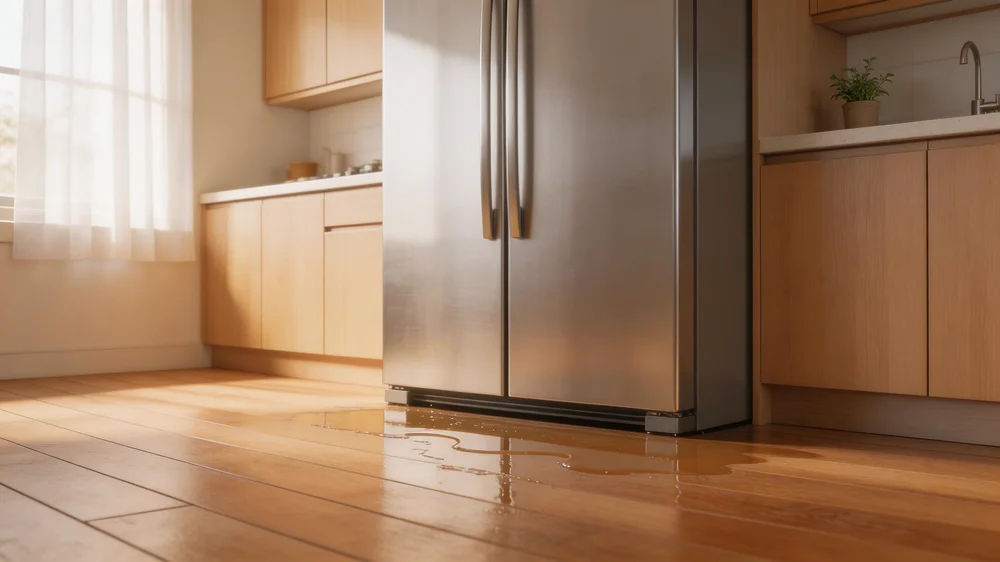
Learn how to prevent and respond to water damage from refrigerator line leaks. Advanced DRI explains warning signs, prevention tips, and professional restoratio
Why Refrigerator Water Line Leaks Are a Hidden Threat
When homeowners think about water damage risks, burst pipes and flooding usually come to mind first. But at Advanced DRI, we respond to refrigerator water line leaks far more often than most people would expect. These slow, hidden leaks can cause thousands of dollars in damage before they are ever noticed, affecting flooring, subfloors, cabinetry, and even the structural framing of your home.
Refrigerator water supply lines connect your appliance to your home's plumbing system, feeding ice makers and water dispensers. Over time, these lines can crack, loosen, or corrode, allowing water to seep behind and beneath the refrigerator where it goes undetected for weeks or even months.
Common Causes of Refrigerator Line Leaks
Understanding the root causes of these leaks is the first step toward prevention. Our restoration technicians see the same issues repeatedly:
- Aging or deteriorating supply lines: Older plastic or copper tubing degrades over time, developing hairline cracks that allow water to escape slowly.
- Loose or faulty connections: The compression fitting where the water line connects to the shutoff valve or the refrigerator inlet can loosen from vibration or improper installation.
- Kinked supply lines: When a refrigerator is pushed back into its alcove, the water line can become kinked or pinched, weakening the tubing and eventually causing a rupture.
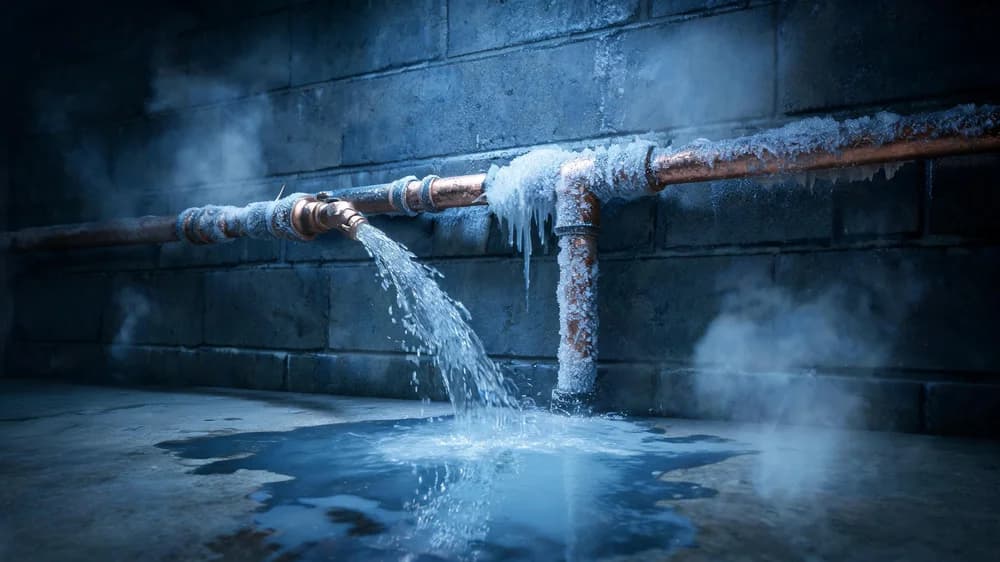
- Frozen water lines: If the temperature inside or behind the refrigerator drops too low, the water supply line can freeze and crack.
- Corroded shutoff valves: The saddle valve or angle stop controlling water flow to the refrigerator can corrode, failing to seal properly and leaking at the connection point.
Warning Signs of a Refrigerator Water Line Leak
Catching a leak early can be the difference between a minor repair and a major water damage restoration project. Watch for these indicators:
- Unexplained puddles or moisture near the refrigerator: Even small amounts of standing water around the base of the unit should be investigated.
- Warped or discolored flooring: Hardwood that begins to cup, buckle, or darken near the refrigerator often signals moisture intrusion from below.
- Musty odors: A persistent damp or musty smell in the kitchen area can indicate hidden moisture and potential mold growth behind the appliance.
- Soft or spongy spots on the floor: If the subfloor feels soft when you walk near the refrigerator, water may have been saturating the material for an extended period.
- Increased water bills: A continuous slow leak will register on your water usage over time, even if the amount seems small.
- Ice maker or dispenser malfunctions: Reduced water pressure or intermittent ice production can indicate a compromised supply line.
How to Prevent Refrigerator Line Leaks
At Advanced DRI, we believe prevention is always preferable to restoration. Here are the steps we recommend to protect your home:
Upgrade Your Supply Line
If your refrigerator uses a plastic supply line, we strongly recommend replacing it with a braided stainless steel line. Stainless steel lines are far more durable, resist kinking, and have a much longer service life than plastic or even copper alternatives.
Inspect Connections Regularly
At least twice per year, carefully pull your refrigerator away from the wall and inspect the water supply line for signs of wear, kinking, or moisture at the connection points. Tighten any loose fittings and replace any components that show corrosion.
Replace Saddle Valves
If your refrigerator water line connects to the plumbing via a self-piercing saddle valve, consider having a plumber replace it with a proper quarter-turn ball valve. Saddle valves are prone to failure and are actually prohibited by plumbing codes in many jurisdictions.
Leave Space Behind the Refrigerator
Ensure there is adequate clearance behind the refrigerator so the water supply line is not compressed, kinked, or pinched against the wall. Most manufacturers recommend at least one to two inches of clearance.
Install a Leak Detector
A water leak detector placed on the floor behind the refrigerator provides an early warning system. Modern smart leak detectors can send alerts directly to your phone and even trigger an automatic shutoff valve to stop water flow before significant damage occurs.
What to Do When a Refrigerator Line Leak Causes Damage
If you discover water damage from a refrigerator leak, take these immediate steps:
- Shut off the water supply to the refrigerator using the shutoff valve, typically located behind or beneath the unit.
- Disconnect the refrigerator from power if water is in contact with the electrical outlet or cord.
- Remove standing water using towels or a wet/dry vacuum to prevent further absorption into flooring and subflooring.
- Move the refrigerator away from the affected area to expose the full extent of the damage.
- Contact Advanced DRI immediately. Even if the visible damage seems minor, moisture trapped beneath flooring and behind walls can lead to mold growth within 24 to 48 hours.
How Advanced DRI Restores Refrigerator Leak Damage
Our water damage restoration team follows a systematic approach to address every aspect of the damage:
We begin with a thorough moisture assessment using thermal imaging cameras and commercial-grade moisture meters to map the full extent of water migration. Refrigerator leaks are particularly challenging because water often travels beneath flooring and into adjacent rooms before being detected.
Next, we deploy industrial dehumidifiers and air movers to thoroughly dry all affected materials. Depending on the severity, we may need to remove sections of flooring, baseboards, or lower cabinet panels to access and dry the subfloor and wall cavities.
Throughout the drying process, we monitor moisture levels daily to ensure the structure reaches appropriate dry standards before any repairs or replacements begin. If mold is discovered during the process, our mold remediation team addresses it following industry protocols.
Once the structure is fully dried and verified, our team can handle all necessary repairs, from replacing subflooring and hardwood to rebuilding damaged cabinetry.
Insurance Considerations for Refrigerator Leak Damage
Most homeowner's insurance policies cover sudden and accidental water damage from appliance leaks. However, damage resulting from gradual leaks that were ignored or unnoticed over an extended period may be denied. This is another reason early detection is so important. Our team at Advanced DRI works directly with insurance adjusters to document the damage and support your claim throughout the process.
If you are dealing with water damage from a refrigerator line leak or any appliance-related water issue, do not wait. Contact Advanced DRI for a rapid response. We serve homeowners and businesses across New York, New Jersey, Pennsylvania, and Connecticut with 24/7 emergency restoration services.
Frequently Asked Questions
How long does it take for a refrigerator leak to cause serious water damage?
A slow refrigerator line leak can cause significant damage in as little as a few days if water saturates the subfloor. In many cases, homeowners do not discover the leak for weeks or months, by which point mold growth and structural deterioration are already underway. This is why regular inspection of the water supply line is so important.
Can I fix a refrigerator water line leak myself?
Replacing a damaged supply line or tightening a loose fitting is a manageable DIY repair for most homeowners. However, if the leak has caused water damage to flooring, subfloor, or wall materials, professional restoration is necessary to ensure the area is fully dried and free from mold. Incomplete drying is one of the most common mistakes we see.
Will my homeowner's insurance cover refrigerator line leak damage?
Most standard homeowner's insurance policies cover sudden and accidental water damage from appliance failures. However, if the insurer determines the leak was gradual and the homeowner failed to maintain the appliance, coverage may be reduced or denied. Advanced DRI provides thorough documentation to support your insurance claim.
How do I know if there is mold behind my refrigerator from a water leak?
Common indicators include a persistent musty odor near the refrigerator, visible discoloration on the wall or floor behind the unit, or allergic reactions that worsen in the kitchen. If you suspect mold, contact Advanced DRI for a professional assessment. We use moisture detection equipment and visual inspection to identify hidden mold growth.
Categories
Need Restoration Services?
Our team is available 24/7 for emergency response. Call us today for a free phone consultation.
Questions About Restoration?
Our experts are ready to help. Contact us for a free consultation.