Post-Renovation Water Damage: When New Work Creates Problems
Angelo Ferrante is the founder of Hudson Valley DKI, now part of the Advanced Disaster Recovery family. With 30 years of construction experience and an IICRC Water certification, he brings extensive hands-on building and reconstruction knowledge to restoration projects across the Hudson Valley.
New renovations can cause unexpected water damage from plumbing errors, improper waterproofing, and construction defects. Advanced DRI explains the risks and so
When Renovations Create Water Damage Problems
At Advanced DRI, we see a troubling pattern repeated across our service area in New York, New Jersey, Pennsylvania, and Connecticut. Homeowners invest significant money in a kitchen remodel, bathroom renovation, or addition, only to discover weeks or months later that the new construction is causing water damage. The irony is painful. The renovation that was supposed to improve the home has introduced new vulnerabilities that threaten the surrounding structure.
Post-renovation water damage is more common than most homeowners realize, and it often goes undetected during the initial weeks after the project is completed because the signs develop gradually. By the time the damage becomes visible, it has typically been active long enough to cause significant problems, including mold growth behind newly finished walls.
Common Renovation-Related Water Damage Causes
Improper Shower and Tub Waterproofing
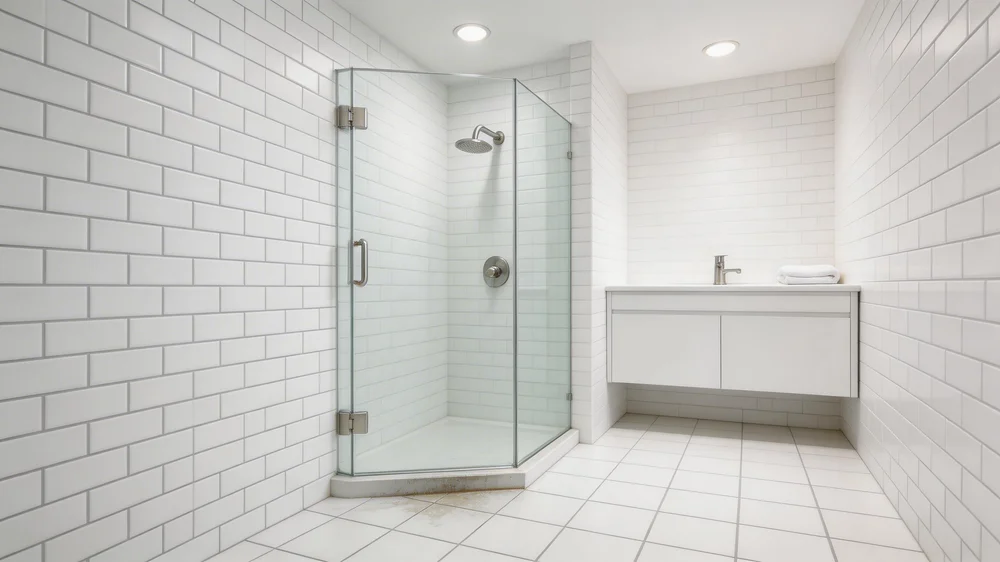
This is the single most common source of post-renovation water damage we encounter. Bathroom renovations that involve new shower pans, tile showers, or bathtub surrounds require meticulous waterproofing. If the waterproofing membrane is improperly installed, has gaps at seams, is not properly integrated with the drain assembly, or is damaged during tile installation, water penetrates the floor and wall assemblies every time the shower is used.
The damage is insidious because it occurs behind finished surfaces. The shower looks and functions perfectly from the inside, but water is migrating through the floor into the ceiling below, into adjacent wall cavities, and along framing members to areas far from the shower itself.
Plumbing Connection Failures
New plumbing work that involves supply line connections, drain line modifications, or fixture installations creates multiple potential failure points. Soldered joints that were not properly heated, push-fit connections that were not fully seated, improperly torqued compression fittings, and misaligned drain connections can all develop leaks after the renovation is complete. Some of these failures occur immediately, while others develop over weeks or months as thermal cycling, water pressure, and vibration stress the connections.
Disturbed Existing Plumbing
Even when a renovation does not directly involve plumbing work, the construction process can damage existing pipes and fittings. Demolition activities can crack drain lines running through the work area. Nail and screw penetrations during framing and finish work can puncture supply lines and drain pipes hidden in walls and floors. Heavy equipment and materials can shift or stress plumbing connections in adjacent areas.
Improper Window and Door Installation
Additions and exterior renovations that involve new windows, doors, or exterior wall modifications require careful flashing and weather barrier integration. If the new components are not properly integrated with the building's water management system, rainwater intrusion occurs at the transition points between old and new construction. This is especially problematic in the Northeast, where wind-driven rain and freeze-thaw cycles aggressively test the building envelope.
Roof Tie-In Failures
Additions and dormer renovations require tying new roof sections into the existing roof structure. The intersection between old and new roofing is one of the most vulnerable points for water intrusion. Improper step flashing, inadequate counter-flashing, and poor integration of underlayment and ice-and-water shield at these transitions lead to leaks that may not appear until the first significant rain event or snowmelt.
HVAC Modifications
Renovations that extend HVAC ductwork into new spaces or relocate air handlers create new condensation and drainage challenges. New duct runs through unconditioned spaces that lack proper insulation will sweat. Relocated condensation drain lines that do not maintain proper pitch will back up. New supply registers that are not properly sealed at the duct boot connection allow condensation to drip into ceiling cavities.
Inadequate or Altered Drainage
Renovations that alter the grade around the foundation, add hardscape like patios and walkways, or modify existing drainage patterns can redirect water toward the foundation rather than away from it. A new patio that slopes toward the house or a modified downspout discharge that pools against the foundation can cause basement water intrusion that never existed before the renovation.
Warning Signs of Post-Renovation Water Damage
Watch for these indicators in the weeks and months following any renovation:
- Water stains on ceilings below renovated bathrooms or kitchens: Even small, faint stains should be investigated immediately, as they indicate water is penetrating the floor assembly.
- New cracks in grout or tile: Grout that cracks or tiles that loosen shortly after installation can indicate movement caused by moisture in the substrate below.
- Musty odors near renovated areas: New construction should not smell musty. If it does, moisture is accumulating behind the finished surfaces.
- Bubbling or peeling paint on walls adjacent to renovated areas: Moisture migrating from the renovation area into adjacent wall cavities can cause paint failure on surfaces that were not part of the renovation.
- Warped or buckling flooring: New flooring that begins to warp, cup, or buckle within months of installation often indicates moisture rising from below due to a waterproofing failure or plumbing leak.
- Soft or spongy areas on new floors: Substrate materials that feel soft underfoot have absorbed moisture and need immediate investigation.
- Water intrusion during rain events that did not occur before the renovation: If you notice new leaks or dampness during storms following exterior work, the building envelope integration at the new-to-old transition has likely failed.
Protecting Yourself During Renovations
These steps can help you avoid post-renovation water damage or catch it early:
- Hire licensed and insured contractors. Licensed contractors are more likely to follow building codes and industry standards for waterproofing and plumbing work. Their insurance provides recourse if their work causes damage.
- Insist on shower and tub leak testing. Before tile or finish work is installed over a shower pan or tub surround, the waterproofing should be flood-tested for 24 to 48 hours. This test verifies the integrity of the waterproofing system before it is concealed behind finished surfaces.
- Request inspections at critical stages. Municipal building inspections at the rough plumbing, framing, and waterproofing stages catch deficiencies before they are covered by finish materials. These inspections exist to protect you.
- Document everything. Photograph the waterproofing installation, plumbing connections, flashing details, and other critical elements before they are covered by finish materials. This documentation is invaluable if a problem develops later.
- Monitor closely after completion. Inspect the areas below and adjacent to the renovation regularly for the first several months. Check ceilings below new bathrooms after every shower use for the first few weeks. Look for any signs of moisture migration.
How Advanced DRI Addresses Post-Renovation Water Damage
Our water damage restoration approach for post-renovation damage focuses on identifying the construction deficiency, restoring the damage it has caused, and ensuring the repair properly addresses the root cause:
We begin with a thorough moisture assessment using thermal imaging and professional moisture meters to map the full extent of water migration from the failed construction element. Post-renovation damage often extends well beyond the visible signs, as water has typically been migrating behind finished surfaces for an extended period.
Our team carefully removes the minimum amount of finished material necessary to access the affected structure, dry it properly, and identify the specific construction deficiency that caused the failure. We document the deficiency thoroughly, which supports any claims against the contractor's insurance or warranty.
Once the structure is dried and any mold remediation is complete, we coordinate the repair of both the construction deficiency and the water damage it caused. This may involve working with the original contractor, a different contractor, or our own reconstruction team, depending on the circumstances and the homeowner's preference.
When Contractor Liability Applies
If your post-renovation water damage is caused by a construction defect or code violation, the contractor who performed the work may be liable for the damage. Important considerations include:
- Most states require contractors to warranty their work for a specified period, typically one to two years for general workmanship and longer for structural elements.
- Document the damage, the construction deficiency, and all communication with the contractor.
- If the contractor is unresponsive, your homeowner's insurance may cover the damage, and your insurer may pursue recovery from the contractor's insurance through subrogation.
- Building permits and inspections create a paper trail that can be valuable in establishing that work was not performed to code.
If you are experiencing water damage following a renovation, contact Advanced DRI for a professional assessment. We provide thorough documentation of both the damage and the underlying cause, supporting your insurance claim or contractor warranty claim. Our team serves homeowners across New York, New Jersey, Pennsylvania, and Connecticut.
Frequently Asked Questions
How soon after a renovation can water damage appear?
Water damage from construction defects can appear anywhere from immediately to several months after the renovation is completed. Plumbing connection failures may leak from the first use, while shower waterproofing failures and exterior flashing problems may take weeks or months of exposure before enough water accumulates to produce visible signs. This is why careful monitoring during the first several months is so important.
Is post-renovation water damage covered by homeowner's insurance?
Most homeowner's insurance policies cover the resulting water damage even if the cause was a construction defect. However, the cost to correct the construction defect itself may not be covered by your policy. In that case, the contractor's liability insurance or warranty should cover the repair of the deficient work. Advanced DRI helps you navigate these overlapping coverage questions by providing documentation that clearly identifies both the construction deficiency and the resulting damage.
How do I know if my shower is leaking behind the walls?
After using the shower, check the ceiling below for any dampness, staining, or soft spots. Place your hand on the wall surface adjacent to the shower to feel for coolness or dampness. Watch for grout or caulk failures, especially at inside corners and where the shower pan meets the walls. A persistent musty smell near the bathroom is another strong indicator. If you suspect a leak, Advanced DRI can perform a non-invasive moisture assessment using thermal imaging and moisture meters.
Should I avoid using a newly renovated bathroom until I am sure it is watertight?
We recommend using the shower normally but monitoring the surrounding areas closely for the first several weeks. Check the ceiling below after each use. If the waterproofing was properly tested during construction (a flood test of the shower pan before tile installation), the risk of failure is significantly reduced. If no flood test was performed and you are concerned, a controlled water test where you run the shower for 15 to 20 minutes while monitoring the area below can help identify problems early.
Categories
Need Restoration Services?
Our team is available 24/7 for emergency response. Call us today for a free phone consultation.
Questions About Restoration?
Our experts are ready to help. Contact us for a free consultation.