Emergency & Specialty Services
HVAC Cleaning After Water or Fire Damage: Protecting Your Air Quality
January 25, 20269 min read
R
Rob Temples· Operations Manager, Emergency Services (Fairfield, NJ & New York City)
Rob Temples manages emergency restoration operations for Advanced DRI's Fairfield, NJ and New York City service areas. With 10 years in the restoration industry and prior experience working for a general contractor, he integrates construction knowledge with mitigation expertise on every project and holds an IICRC Water Restoration Technician (WRT) certification.
10+ years experienceIICRC Water Restoration Technician (WRT)
Published January 25, 2026 · Updated May 27, 2026

Learn why HVAC cleaning is essential after water or fire damage. Understand contamination risks, professional cleaning methods, and air quality protection.
Why HVAC Systems Require Special Attention
HVAC systems function as buildings' respiratory systems, continuously moving air through supply and return ducts, across heating and cooling components, and through filtration systems. This air movement creates both contamination risks and distribution mechanisms that make HVAC cleaning critical.Contamination Distribution
When disasters occur, HVAC systems often continue operating, pulling contaminated air through return ducts and distributing it throughout the building. This means:- Smoke from a kitchen fire spreads to bedrooms through ductwork
- Mold spores from a flooded basement reach upper floors via air handling
- Soot particles deposit throughout the entire duct system
- Water-damaged areas contaminate air circulating to dry areas
Hidden Contamination Reservoirs
HVAC components create hidden spaces where contamination accumulates unseen:| Component | Contamination Risk | Access Challenge |
|---|---|---|
| Ductwork Interior | Smoke residue, mold growth, debris accumulation | Requires specialized access equipment |
| Air Handler/Furnace | Blower wheel buildup, cabinet contamination, heat exchanger deposits | Requires disassembly for thorough cleaning |
| Evaporator Coil | Mold growth, smoke residue between fins | Densely packed fins difficult to clean |
| Condensate Pan and Drain | Standing water, biological growth, blockages | Often in inaccessible locations |
| Return Plenums | Large accumulation areas, debris collection | May require cutting access panels |
Continuous Redistribution
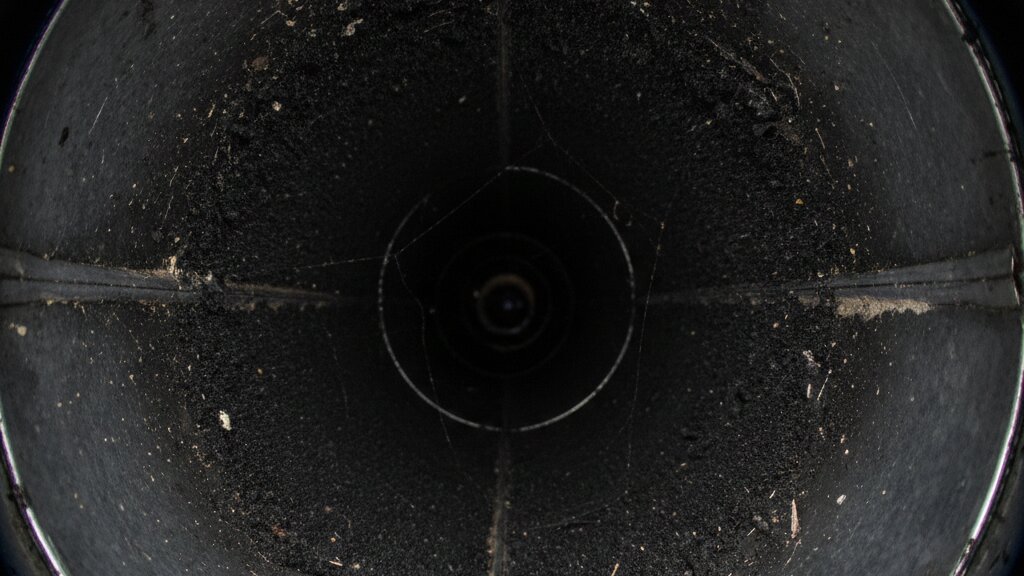
Contaminated HVAC systems continuously recontaminate cleaned spaces. Even after thorough room-by-room restoration, operating a dirty HVAC system reintroduces pollutants. Occupants may notice odors, experience respiratory symptoms, or see dust accumulation despite restoration work—all signs of HVAC contamination.HVAC Damage from Water Events
Water damage affects HVAC systems through direct contact and elevated humidity.Direct Water Contact
Flooding or leaks directly contacting HVAC equipment cause immediate concerns:- Furnaces and air handlers in basements or utility rooms may be submerged
- Ceiling-mounted equipment can be damaged by roof leaks
- Ductwork in flood zones fills with contaminated water
- Electrical components exposed to water require replacement
Humidity and Condensation Effects
Even without direct flooding, water events create elevated humidity that affects HVAC systems:- Condensation forms on cool ductwork surfaces
- Insulation absorbs moisture, supporting mold growth
- Biological growth establishes on coils and drain pans
- Fiberglass duct liner becomes contaminated
Mold Growth Concerns
HVAC systems provide ideal mold growth conditions when moisture intrudes: darkness, organic material (dust, insulation), moderate temperatures, and limited air movement in certain areas. Mold contamination in HVAC systems distributes spores throughout buildings whenever systems operate.HVAC Damage from Fire Events
Fire and smoke affect HVAC systems even when flames don't directly contact equipment.Smoke Distribution Through Ductwork
Operating HVAC systems during fires pull smoke through return air pathways, depositing residue throughout ductwork. Even briefly operating systems contaminate extensive duct networks. This contamination includes:- Soot particles coating duct interior surfaces
- Oily residue from synthetic material combustion
- Ash and char fragments
- Odor-causing compounds absorbed into duct materials
Heat Damage
Fire heat can damage HVAC components even without direct flame contact:- Plastic components melt or deform
- Electrical wiring insulation degrades
- Refrigerant lines may rupture
- Flexible ductwork materials fail
Water Damage from Firefighting
Firefighting water often enters HVAC systems, combining smoke contamination with water damage concerns. This combination creates particularly challenging restoration scenarios.Professional HVAC Assessment
Before cleaning begins, professional assessment determines HVAC system condition and appropriate restoration approach.Visual Inspection
Technicians inspect accessible HVAC components for visible contamination, damage, and moisture. This includes examining:- Air handler/furnace cabinet interior
- Blower assembly and motor
- Evaporator and condenser coils
- Accessible ductwork sections
- Registers and grilles
- Condensate drainage systems
Remote Inspection
Ductwork interiors are inspected using specialized cameras that access areas visual inspection cannot reach. This reveals contamination extent throughout the duct system, informing cleaning scope.Testing and Sampling
Air quality testing and surface sampling may determine contamination type and level. Mold testing identifies species present and contamination severity. Smoke residue testing guides cleaning chemical selection.Repair vs. Replace Determination
Assessment findings guide decisions about cleaning versus replacement:- Lightly contaminated systems typically clean successfully
- Heavily contaminated or damaged components may require replacement
- Fiberglass-lined ductwork with embedded contamination often requires replacement
- Flood-damaged equipment usually requires replacement
HVAC Cleaning Techniques
Professional HVAC cleaning employs specialized equipment and techniques for thorough decontamination.Source Removal Cleaning
Source removal—physically removing contamination rather than just treating it—is the gold standard for HVAC cleaning. This approach uses: Negative Air Machines: High-powered vacuums create negative pressure in ductwork, capturing dislodged contamination rather than allowing it to escape into living spaces. Agitation Devices: Brushes, air whips, and compressed air tools dislodge contamination from duct surfaces. Different tools address different duct types and contamination characteristics. HEPA Filtration: All extracted air passes through HEPA filters capturing microscopic particles, preventing contamination release during cleaning.Component Cleaning
Beyond ductwork, individual HVAC components require cleaning: Coil Cleaning: Evaporator and condenser coils are cleaned using appropriate chemicals and techniques that remove contamination without damaging delicate fins. Blower Cleaning: Blower wheels accumulate contamination that affects performance and air quality. Thorough cleaning restores efficiency and removes odor sources. Cabinet Cleaning: Air handler and furnace cabinet interiors are cleaned and sanitized, eliminating contamination that would otherwise recirculate.Sanitization and Treatment
After physical cleaning, sanitization treatments address residual contamination:- Antimicrobial treatments prevent biological regrowth
- Encapsulants seal residual contamination on surfaces that cannot be fully cleaned
- Deodorization addresses lingering odors
When HVAC Replacement Is Necessary
Some situations warrant HVAC replacement rather than cleaning.Flood-Damaged Equipment
HVAC equipment submerged in floodwater—especially contaminated water—generally requires replacement. Electrical components, motors, and controls exposed to contaminated water cannot be adequately cleaned and may fail or create safety hazards.Fire-Damaged Components
Components directly exposed to flames or high heat require replacement. Heat-damaged motors, controls, and structural components cannot be restored to safe, reliable operation through cleaning.Severely Contaminated Ductwork
Ductwork with fiberglass liner that has absorbed contamination often requires replacement. Fiberglass insulation traps particles and moisture deeply, making complete cleaning impossible. When liner contamination is extensive, duct replacement is more effective and economical than attempted cleaning.Aged Systems
If disaster-damaged HVAC systems were already near end of life, replacement may make more sense than investing in cleaning older equipment. Discuss equipment age and condition with restoration professionals when evaluating options.HVAC Cleaning and Restoration Timing
HVAC cleaning fits into overall restoration sequences at specific points.Initial System Isolation
Upon arriving at disaster scenes, restoration professionals typically shut down HVAC systems immediately. This prevents further contamination distribution while assessment occurs.Cleaning During Restoration
HVAC cleaning typically occurs after structural restoration progresses but before final finishes. This timing ensures:- Construction dust doesn't recontaminate cleaned ductwork
- Clean HVAC operates during final restoration phases
- Deodorization treatments include HVAC system
Verification Before Occupancy
HVAC cleaning should be verified complete before occupants return. Testing may confirm contamination removal. Systems should operate normally without odors or visible discharge from registers.Protecting HVAC Systems During Restoration
During restoration work, steps protect HVAC systems from additional contamination.- Registers sealed during demolition and construction to prevent debris entry
- Systems remain off during dusty work phases
- New filters installed before restart
- Systems inspected after construction before full operation
Frequently Asked Questions About HVAC Cleaning
How do I know if my HVAC system needs cleaning after water or fire damage?
+
Any HVAC system that operated during a disaster event likely needs cleaning. Signs include visible contamination at registers, odors when system operates, increased dust accumulation after restoration, and respiratory symptoms in occupants. Professional assessment determines cleaning needs and scope.
Can I just change filters instead of cleaning the whole system?
+
Filters capture airborne particles but don't address contamination already deposited on duct surfaces, coils, and other components. Changing filters helps but doesn't eliminate existing contamination. Contaminated ducts continue releasing particles that filters then capture—a continuous cycle that never resolves the underlying problem.
How long does professional HVAC cleaning take?
+
Typical residential HVAC cleaning takes 3-5 hours depending on system size and contamination level. Complex commercial systems require longer. Heavy contamination or difficult access may extend timelines. Your restoration provider can estimate duration based on system assessment.
Will HVAC cleaning remove smoke odors?
+
HVAC cleaning removes contamination that causes odors, which significantly reduces smoke smell. However, HVAC cleaning is one component of complete deodorization. Odor-causing compounds in building materials, contents, and other areas must also be addressed for complete odor elimination.
Is HVAC cleaning covered by insurance after disaster damage?
+
HVAC cleaning related to covered damage is typically included in restoration claims. The HVAC system is part of the property, and contamination resulting from covered events warrants restoration. Documentation demonstrating contamination and its connection to the damage event supports coverage.
Should I run my HVAC system before professional assessment?
+
No. Operating contaminated HVAC systems spreads contamination to areas that may be unaffected, complicating restoration and potentially creating health concerns. Leave systems off until professionals assess condition and either clean the system or verify it's safe to operate.
Complete HVAC Restoration Services
HVAC systems require attention during any water or fire damage restoration. Professional HVAC assessment, cleaning, and restoration protect indoor air quality and ensure contamination doesn't persist in hidden ductwork after visible restoration completes. When disaster affects properties in Northern New Jersey, Pennsylvania's Capital Region, New York's Hudson Valley, Connecticut's Capital Region, or the South Jersey Shore, comprehensive restoration includes professional HVAC assessment and cleaning that protects long-term air quality throughout restored properties.Categories
Need Restoration Services?
Our team is available 24/7 for emergency response. Call us today for a free phone consultation.

Questions About Restoration?
Our experts are ready to help. Contact us for a free consultation.