Emergency & Specialty Services
Hoarding Cleanup and Restoration Services: Compassionate Professional Help
January 27, 20268 min read
R
Rob Temples· Operations Manager, Emergency Services (Fairfield, NJ & New York City)
Rob Temples manages emergency restoration operations for Advanced DRI's Fairfield, NJ and New York City service areas. With 10 years in the restoration industry and prior experience working for a general contractor, he integrates construction knowledge with mitigation expertise on every project and holds an IICRC Water Restoration Technician (WRT) certification.
10+ years experienceIICRC Water Restoration Technician (WRT)
Published January 27, 2026 · Updated May 27, 2026

Professional hoarding cleanup services with compassionate approach. Learn about safe removal, biohazard protocols, and property restoration after hoarding.
Understanding Hoarding Situations
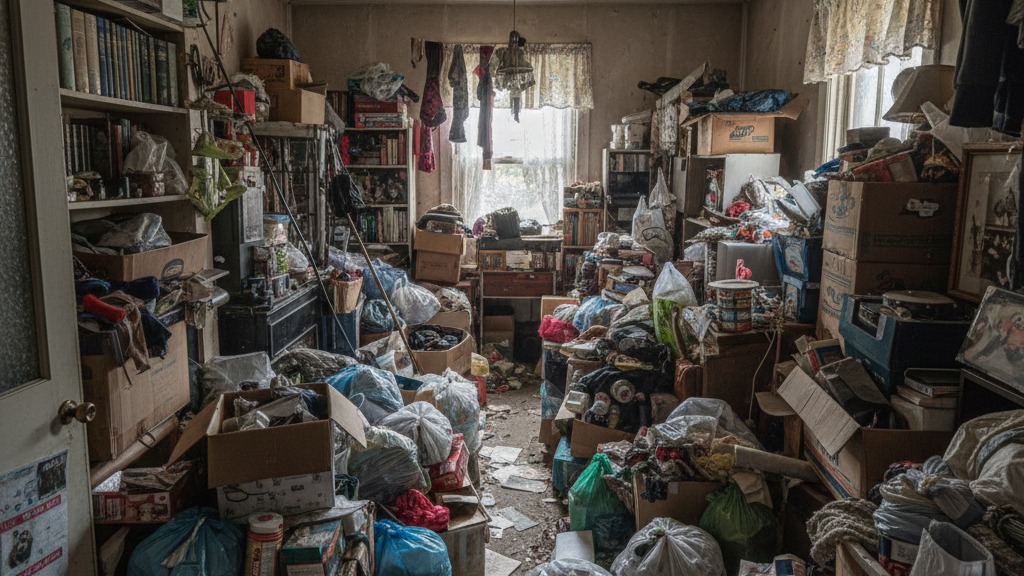
Hoarding disorder is recognized as a mental health condition affecting millions of Americans. Understanding this context helps families, property managers, and communities approach hoarding situations appropriately.Hoarding vs. Clutter
Important distinctions separate hoarding from ordinary clutter:- Clutter: Disorganization that can be addressed through cleaning and organization
- Hoarding: Persistent difficulty discarding possessions, causing significant distress or impairment
Common Hoarding Scenarios
Professional hoarding cleanup addresses various situations:- Estate cleanouts after the death of someone with hoarding disorder
- Intervention situations where families seek help for loved ones
- Property management situations after tenant departure
- Self-initiated cleanup by those seeking to address their situation
- Court-ordered cleanup for code violations
Hazards Present in Hoarding Situations
Severe hoarding creates multiple hazards requiring professional protocols.| Hazard Category | Common Examples | Required Protocols |
|---|---|---|
| Biological Hazards | Human/animal waste, decomposing food, dead animals | Biohazard PPE, disinfection, proper disposal |
| Mold Contamination | Growth from moisture, food decay, lack of ventilation | Containment, remediation, HEPA filtration |
| Pest Infestations | Rodents, insects, vermin attracted to accumulated materials | Integrated pest management, decontamination |
| Structural Concerns | Excessive weight loads, blocked exits, fire hazards | Engineering assessment, careful material handling |
| Ammonia/Gases | Pet waste accumulation, decomposition byproducts | Respiratory protection, ventilation |
| Sharp Objects/Hazmat | Hidden needles, chemicals, medications | Careful sorting, proper disposal channels |
Health Risks
Hoarding environments pose genuine health risks:- Respiratory problems from dust, mold, and ammonia
- Infection risk from biological contamination
- Disease transmission from pest infestations
- Fire hazards from blocked exits and accumulated combustibles
- Structural collapse risks in severe cases
The Professional Hoarding Cleanup Process
Professional hoarding cleanup follows structured processes ensuring safety while addressing emotional aspects of these situations.Initial Assessment
Professional assessment evaluates:- Overall condition and hazard types present
- Structural concerns requiring engineering input
- Biological contamination requiring biohazard protocols
- Client/family involvement level and preferences
- Valuable or sentimental items requiring special handling
- Timeline and resource requirements
Planning and Communication
Before work begins, clear communication establishes:- Goals and expectations for the cleanup
- Decision-making protocols for sorting items
- Family or client involvement in sorting decisions
- Items specifically to be saved or discarded
- Timeline and access arrangements
Safety Preparation
Professional crews prepare work areas for safe operation:- Personal protective equipment appropriate for hazards present
- Ventilation systems for contaminated spaces
- Containment preventing spread to clean areas
- Pest management before major disturbance
- Structural shoring if weight concerns exist
Systematic Sorting and Removal
Cleanup proceeds systematically through affected areas: Sorting categories:- Keep: Items designated for retention
- Donate: Usable items for charitable donation
- Recycle: Materials appropriate for recycling
- Dispose: Items requiring trash disposal
- Hazardous: Items requiring special disposal (chemicals, medications, biohazards)
Deep Cleaning and Restoration
After removal, thorough cleaning addresses accumulated contamination:- Surface cleaning and disinfection
- Odor elimination through appropriate treatments
- Mold remediation if contamination is present
- Pest residue cleanup and treatment
- HVAC cleaning if contaminated
Property Restoration
Many hoarding situations require property repairs after cleanup:- Drywall repair or replacement from moisture damage
- Flooring replacement
- Fixture and appliance replacement
- Paint and finish work
- Systems repairs (plumbing, electrical, HVAC)
Compassionate Approach to Hoarding Cleanup
Professional hoarding services understand the emotional dimensions of these situations.Dignity and Respect
Hoarding disorder is a recognized mental health condition—not a character flaw or laziness. Professional crews treat clients with dignity, avoid judgment, and work sensitively regardless of conditions encountered.Family Support
Families dealing with loved ones' hoarding situations face their own emotional challenges. Professional services communicate clearly, provide support resources, and help families navigate difficult decisions.Client Involvement Options
When clients are involved in cleanup (self-initiated or family-supported situations), professionals adapt approaches:- Including clients in sorting decisions when appropriate
- Providing breaks and emotional support
- Working at paces clients can tolerate
- Connecting clients with mental health resources
Discretion
Professional crews maintain discretion about clients and their situations. Unmarked vehicles and professional conduct protect client privacy from neighbors and community members.Special Hoarding Cleanup Considerations
Certain hoarding situations present additional challenges.Animal Hoarding
Animal hoarding involves accumulation of animals beyond capacity to properly care for them. These situations typically involve:- Extensive biological contamination from waste accumulation
- Ammonia levels requiring respiratory protection
- Coordination with animal control for live animals
- Deceased animal removal and disposal
- Structural damage from ammonia exposure
Gross Contamination
Severe cases involving extensive biological contamination require full biohazard cleanup protocols equivalent to trauma scene remediation.Estate Situations
Estate cleanouts after death require coordination with:- Estate executors or administrators
- Family members with emotional attachments
- Appraisers for items of potential value
- Legal considerations for property disposition
Costs and Insurance Considerations
Hoarding cleanup costs vary significantly based on situation severity.Cost Factors
- Property size and accumulation volume
- Hazard types present requiring specialized protocols
- Sorting requirements (complete vs. minimal sorting)
- Disposal volumes and fees
- Deep cleaning and restoration needs
- Timeline requirements
Insurance Coverage
Standard homeowner policies typically don't cover hoarding cleanup as a standalone service. Coverage may apply when hoarding-related damage falls under covered perils (water damage, fire damage). Some long-term care or mental health policies may have provisions for environmental remediation.Payment Options
Many hoarding cleanup services offer payment plans or work with financing options, recognizing that cleanup costs may be substantial for families and individuals.Frequently Asked Questions About Hoarding Cleanup
How long does hoarding cleanup take?
+
Timeline varies dramatically based on property size, accumulation severity, and sorting requirements. A modest single-room situation might take a day or two. Whole-house severe hoarding may require a week or more. Add time for deep cleaning and restoration. Professional assessment provides realistic timeline estimates for specific situations.
Should the person with hoarding disorder be present during cleanup?
+
This depends on individual circumstances and mental health professional guidance. Some individuals benefit from participating in decisions; others experience extreme distress. Deceased estates obviously don't involve this consideration. Professional hoarding services adapt to family preferences and therapeutic recommendations.
What happens to items found during hoarding cleanup?
+
Items are sorted according to pre-established categories: keep, donate, recycle, dispose, or hazardous disposal. Money, valuables, and important documents found during cleanup are set aside and reported to clients or family members. Professional services document valuable finds and ensure appropriate handling.
Can properties be fully restored after severe hoarding?
+
Most properties can be fully restored to habitable condition, though severe cases may require extensive renovation. Some situations involve structural damage requiring engineering assessment and repair. Professional assessment identifies all restoration requirements and provides realistic expectations for property recovery.
How do I help a family member with hoarding disorder?
+
Hoarding disorder is a mental health condition requiring professional support. Connect with mental health professionals specializing in hoarding before attempting cleanup—forced cleanouts without therapeutic support often worsen the condition. The International OCD Foundation provides resources for families. Professional cleanup services can coordinate with therapeutic interventions.
Is hoarding cleanup confidential?
+
Reputable hoarding cleanup services maintain strict confidentiality. Professional crews don't discuss clients or their situations. Unmarked vehicles and discreet operations protect client privacy. Your situation remains private regardless of condition encountered.
Professional Hoarding Cleanup Services
Hoarding situations require professional intervention that combines technical expertise with compassionate understanding. Professional hoarding cleanup addresses biological hazards, restores properties to safe condition, and treats all involved with dignity throughout challenging processes. When hoarding situations affect properties in Northern New Jersey, Pennsylvania's Capital Region, New York's Hudson Valley, Connecticut's Capital Region, or the South Jersey Shore, professional cleanup teams provide discreet, compassionate service that addresses all aspects of hoarding remediation safely and respectfully.Categories
Need Restoration Services?
Our team is available 24/7 for emergency response. Call us today for a free phone consultation.


Questions About Restoration?
Our experts are ready to help. Contact us for a free consultation.