
How Humidity Sensors Can Prevent Water Damage in Your Home
Tyler McClelland leads mitigation operations for Advanced DRI across New York's Hudson Valley, directing water, mold, and large-loss response in the field. He holds IICRC Water Restoration Technician (WRT) and Applied Microbial Remediation Technician (AMRT) certifications and a New York State Mold Supervisor certification, and is trained in IRCA hospital safe construction practices recognized by The Joint Commission.
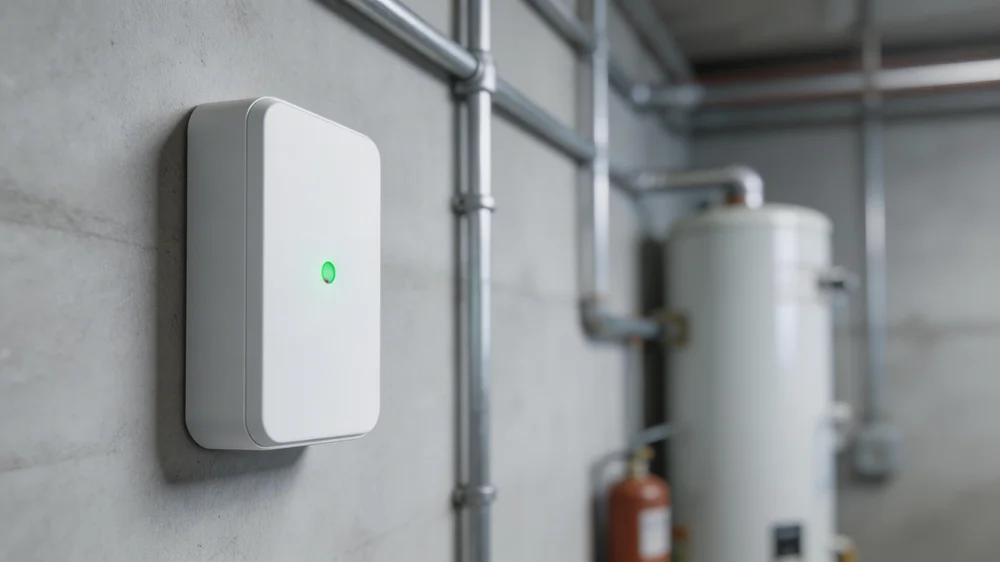
Discover how humidity sensors and smart water monitors can protect your home from costly water damage. Advanced DRI shares expert tips on placement and selectio
The Role of Technology in Water Damage Prevention
At Advanced DRI, we have seen firsthand how early detection can mean the difference between a simple cleanup and a full-scale water damage restoration project. Modern humidity sensors and smart water leak detectors offer homeowners across New York, New Jersey, Pennsylvania, and Connecticut an affordable and effective way to catch moisture problems before they escalate into costly disasters.
Water damage is the second most common homeowner insurance claim in the United States, and much of it is preventable. The challenge is that many leaks and moisture intrusions occur in hidden areas where they go unnoticed for days, weeks, or even months. By the time visible signs appear, the damage is often extensive.
How Humidity Sensors Work
Humidity sensors, also called hygrometers, measure the relative humidity in the air. When indoor humidity levels rise above normal ranges, it often signals a moisture problem such as a hidden leak, poor ventilation, or condensation buildup. Modern smart humidity sensors go a step further by connecting to your home's Wi-Fi network and sending real-time alerts to your smartphone when humidity readings exceed preset thresholds.
Water leak detectors work on a different principle. These devices use conductive probes or cables that detect the presence of liquid water. When water contacts the sensor, the device triggers an alarm and sends a notification. Some advanced models can even trigger an automatic water shutoff valve to stop the flow before significant damage occurs.
Where to Place Humidity Sensors and Leak Detectors
Proper placement is critical. Based on the thousands of water damage cases we have handled, our team at Advanced DRI recommends monitoring these high-risk areas:
Basement and Crawl Spaces
Basements are the most common location for water intrusion in Northeast homes. Place humidity sensors at multiple points, particularly near foundation walls, sump pump pits, and where utility lines enter the structure. A humidity reading consistently above 60 percent in the basement warrants investigation.
Under Kitchen and Bathroom Sinks
Supply line connections and drain fittings under sinks are frequent sources of slow leaks. A small leak detector placed in the base of the cabinet will catch drips long before they damage the cabinet floor, subflooring, or adjacent materials.
Near Water Heaters
Water heaters have a finite lifespan, and when they fail, they can release 40 to 80 gallons of water in a short period. A leak detector at the base of the water heater provides an early warning of tank failure or pressure relief valve discharge.
Behind Refrigerators and Dishwashers
Appliance supply lines are a common source of hidden leaks. Place a leak detector on the floor behind or beneath these appliances to catch failures early.
Near Washing Machines
Washing machine supply hoses are under constant pressure and are a leading cause of catastrophic water damage when they burst. A leak detector and an automatic shutoff valve at the washing machine supply are among the best investments a homeowner can make.
Attic and Roof Areas
A humidity sensor in the attic can detect roof leaks, ice dam infiltration, and ventilation problems. In the Northeast, ice dams are a significant concern during winter months, and early detection of attic moisture can prevent extensive ceiling and wall damage in the living spaces below.
HVAC Systems and Condensation Lines
Air conditioning condensation lines can clog and overflow, sending water into ceilings, walls, and floors. A sensor near the HVAC drain pan and condensation line catches these failures before they cause damage.
Choosing the Right Sensors for Your Home
The market offers a wide range of humidity sensors and leak detectors at various price points. Here is what we recommend considering:
- Smart connectivity: Choose devices that connect to Wi-Fi and send push notifications to your phone. This is especially important if you travel or own a vacation property. Audible-only alarms are useless if nobody is home to hear them.
- Automatic shutoff integration: Some systems pair sensors with motorized shutoff valves installed on your main water supply. When a leak is detected, the valve closes automatically. This is the gold standard in leak prevention technology.
- Battery life and power options: Sensors that rely on batteries should have long battery life and send alerts when the battery is low. Hardwired options with battery backup offer the most reliable performance.
- Temperature monitoring: Some sensors also monitor temperature, which is valuable for detecting freezing conditions in pipes during Northeast winters. A temperature alert can prompt you to take action before a pipe bursts.
- Multi-sensor systems: Whole-home systems that use a central hub with multiple sensors placed throughout the property offer comprehensive coverage and centralized monitoring.
Understanding Humidity Readings
Knowing what the numbers mean is essential for acting on sensor data effectively:
- 30 to 50 percent relative humidity: This is the ideal range for indoor comfort and building health in most situations.
- 50 to 60 percent: Elevated but not immediately dangerous. Investigate the cause, improve ventilation, and monitor the trend.
- Above 60 percent: This level creates conditions favorable for mold growth. If sustained, you should take corrective action and consider having the area inspected for hidden moisture sources.
- Above 70 percent: Active moisture intrusion is likely. Contact a professional for assessment. At this level, mold growth can begin within 24 to 48 hours on organic materials.
When Sensors Alert You to a Problem
If your humidity sensors or leak detectors trigger an alert, take these steps:
- Investigate immediately. Identify the source of the moisture or water. Check nearby plumbing, appliances, and the building envelope for obvious failures.
- Shut off the water supply if a leak is identified. Use the local shutoff valve for the affected fixture or appliance, or the main shutoff if necessary.
- Remove standing water to prevent further absorption into building materials.
- Ventilate the area by opening windows and running fans to begin reducing humidity levels.
- Contact Advanced DRI if the source is unclear, the affected area is large, or moisture has been present for more than 24 hours. Our team uses professional moisture detection equipment to find hidden water and deploys commercial drying systems to prevent further damage.
The Cost of Prevention vs. Restoration
A comprehensive set of smart leak detectors and humidity sensors for a typical home costs between $200 and $1,000, depending on the system and the number of sensors. By comparison, the average water damage restoration project in the Northeast runs from $3,000 to $15,000 or more, depending on the extent and duration of the water exposure.
The math is clear. Investing in prevention technology is one of the smartest decisions a homeowner can make. Combined with regular maintenance and inspections, these devices provide a layer of protection that can save you significant time, money, and stress.
If you are experiencing elevated humidity readings, have discovered a leak, or need help assessing moisture conditions in your home, contact Advanced DRI today. Our team provides expert water damage restoration services across New York, New Jersey, Pennsylvania, and Connecticut, and we are available 24/7 for emergencies.
Frequently Asked Questions
What humidity level should trigger concern about water damage?
Indoor humidity consistently above 60 percent should prompt investigation, as it creates conditions conducive to mold growth and can indicate a hidden moisture source. Readings above 70 percent often signal active water intrusion and warrant immediate attention from a restoration professional.
Are smart water leak detectors worth the investment?
Absolutely. Smart leak detectors with automatic shutoff valves can prevent catastrophic water damage by cutting off the water supply within seconds of detecting a leak. For a few hundred dollars, they can save thousands in restoration costs and protect irreplaceable personal belongings.
Can humidity sensors detect a hidden water leak?
Humidity sensors can indicate the presence of hidden moisture by detecting elevated relative humidity in a specific area. While they do not pinpoint the exact location of a leak, a sustained increase in humidity readings in a particular zone signals that further investigation is needed. Advanced DRI uses thermal imaging and professional moisture meters to locate the precise source.
How many sensors do I need for my home?
We recommend placing sensors in every high-risk area, including under each sink, near the water heater, behind the washing machine and refrigerator, in the basement, and near the HVAC system. A typical home benefits from 6 to 10 sensors for comprehensive coverage. Homes with basements, crawl spaces, or multiple floors may need additional units.
Categories
Need Restoration Services?
Our team is available 24/7 for emergency response. Call us today for a free phone consultation.


Questions About Restoration?
Our experts are ready to help. Contact us for a free consultation.