Winter Pipe Burst Prevention for Harrisburg Homeowners: Protect Your Property
Elsa Boyer is a Regional Operations Manager for Advanced Disaster Recovery, based in Harrisburg, Pennsylvania, overseeing commercial and healthcare restoration projects. She holds a Bachelor of Arts from Valparaiso University and a deep certification portfolio, including ICRA Certified Healthcare Remediator Supervisor and multiple IICRC designations across commercial drying, structural drying, water, and fire & smoke restoration.

Learn how to prevent pipes from freezing in Harrisburg this winter. Expert tips for frozen pipe prevention, emergency thawing steps, and burst pipe restoration.
Why Harrisburg Homes Are Vulnerable to Frozen Pipes
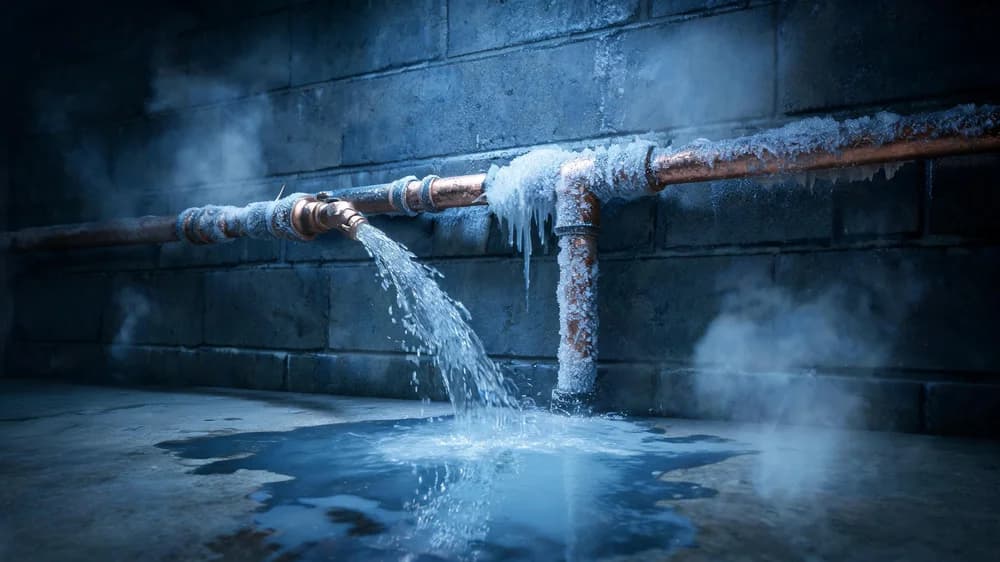
Harrisburg's housing stock presents unique challenges when it comes to winter plumbing protection. Many homes in Allison Hill, Uptown, and the surrounding Dauphin County neighborhoods were built before modern insulation standards existed. These older properties often have pipes running through exterior walls or unheated spaces where temperatures can drop dangerously low during January and February cold snaps. The first step in learning how to prevent pipes from freezing in Harrisburg is understanding which pipes are most vulnerable. Supply lines in attics, crawl spaces, garages, and exterior walls face the greatest risk. Pipes under kitchen and bathroom sinks on outside walls can freeze even when your thermostat reads comfortable temperatures. Swimming pool supply lines, outdoor hose bibs, and sprinkler systems require special attention before winter arrives. The greater Harrisburg metropolitan area, including Hershey, Hummelstown, and Middletown, experiences an average of 15-20 days per winter where temperatures drop below 20°F. These conditions can freeze unprotected pipes in as little as six hours. When water freezes inside pipes, it expands by approximately 9%, creating enormous pressure that can rupture copper, PVC, and even flexible PEX piping. This is precisely why mastering how to prevent pipes from freezing in Harrisburg is so critical for local property owners.
Essential Frozen Pipe Prevention Tips for Harrisburg Homeowners
Protecting your Harrisburg home from frozen pipes requires a combination of preparation and vigilance throughout the winter months. These frozen pipe prevention tips address both long-term solutions and immediate actions you can take during cold snaps. Each strategy contributes to your overall plan for how to prevent pipes from freezing in Harrisburg winters.
Insulate Vulnerable Pipes
Pipe insulation is your first line of defense when you want to keep pipes from bursting winter temperatures cause. Foam pipe sleeves, fiberglass wrapping, and heat tape provide varying levels of protection. Focus insulation efforts on pipes in unheated areas including basements, crawl spaces, attics, and garages. Pay special attention to pipes running along exterior walls, particularly on the north side of your home where cold exposure is greatest. For Harrisburg homeowners serious about learning how to prevent pipes from freezing in Harrisburg, thermostatically controlled heat cables offer excellent protection. These devices automatically activate when temperatures approach freezing, providing consistent warmth without wasting energy during milder weather. Professional installation ensures proper coverage and eliminates fire risks associated with improper heat tape application.
Seal Air Leaks Near Pipes
Cold air infiltration around pipes accelerates freezing. Inspect areas where pipes enter your home through foundation walls, rim joists, and exterior penetrations. Use caulk, spray foam, or weatherstripping to seal gaps that allow cold air to reach vulnerable plumbing. Check around electrical, cable, and dryer vents where installers may have left openings near pipe runs. Sealing these gaps is a fundamental part of how to prevent pipes from freezing in Harrisburg homes. In older Harrisburg homes, basement rim joists often lack adequate insulation. These areas directly expose pipes to outdoor temperatures during severe cold. Adding rigid foam insulation or spray foam to rim joists significantly reduces freezing risk while improving your home's overall energy efficiency.
Maintain Consistent Indoor Temperatures
One of the most effective ways to keep pipes from bursting winter weather brings is maintaining consistent heating throughout your home. Never set your thermostat below 55°F, even when away on vacation. Open cabinet doors under kitchen and bathroom sinks on exterior walls to allow warm air circulation around pipes during extreme cold. If you're traveling during winter months, consider having a trusted neighbor or family member check your home daily. Smart thermostats with remote monitoring capabilities alert you to temperature drops that could indicate heating system failures. These early warnings help you implement how to prevent pipes from freezing in Harrisburg strategies before emergencies develop.
Let Faucets Drip During Extreme Cold
During severe cold snaps when Harrisburg temperatures drop below 20°F, letting faucets drip slightly overnight provides additional protection. Moving water resists freezing more effectively than standing water. Focus on faucets connected to pipes running through exterior walls or unheated spaces. This simple technique is a proven component of how to prevent pipes from freezing in Harrisburg that homeowners have relied on for generations.
💡 Pro Tip: The minor increase in your water bill from dripping faucets is far less than emergency plumbing repairs. Both hot and cold water lines should drip when temperatures are dangerously low.
Pipes Freezing What To Do: Immediate Action Steps
Despite your best efforts at learning how to prevent pipes from freezing in Harrisburg, pipes can still freeze during severe winters. Knowing exactly what to do when you discover pipes freezing what to do scenarios can mean the difference between a minor inconvenience and major water damage requiring professional water damage restoration.
Signs Your Pipes Are Frozen
Recognizing frozen pipes early improves your chances of preventing a burst. Warning signs include reduced water pressure or no water flow from faucets, visible frost on exposed pipes, unusual sounds when you turn on taps, and bulging pipe sections. If you notice any of these indicators, act immediately before the situation escalates.
Step-by-Step Thawing Process
When you discover frozen pipes, understanding pipes freezing what to do first is critical. Follow these steps carefully: First, locate your main water shutoff valve. In most Harrisburg homes, this is located near the water meter in the basement or crawl space. Knowing this location before an emergency occurs saves critical time if a pipe bursts. Keep the affected faucet open. As you thaw the pipe, water needs somewhere to go. An open faucet relieves pressure and allows you to monitor progress as water begins flowing. Apply heat to the frozen section. Use a hair dryer, heat lamp, electric heating pad, or portable space heater to gradually warm frozen pipes. Start from the faucet end and work toward the frozen area. Never use open flames, propane heaters, or blowtorches—these create fire hazards and can damage pipes. Check all faucets. If one pipe froze, others may be frozen too. Test water flow throughout your home to identify additional problem areas requiring attention.
When to Call a Harrisburg Plumber for Frozen Pipes
Some frozen pipe situations require professional intervention. If you cannot locate the frozen section, if the frozen area is inside a wall or ceiling, or if pipes have already burst, contact a Harrisburg plumber frozen pipes specialist immediately. Attempting DIY repairs on burst pipes can worsen water damage and create safety hazards. A qualified Harrisburg plumber frozen pipes expert can assess the situation quickly and determine whether pipes can be safely thawed or require replacement. Many local plumbers offer 24/7 emergency services specifically for winter pipe emergencies. If your pipes have burst and water is flooding your home, shut off the main water supply immediately and call Advanced Disaster Recovery Inc. Our emergency water extraction services are available 24/7 to minimize damage from burst pipe flooding in Harrisburg and throughout Dauphin County.
Preparing Your Harrisburg Home Before Winter Arrives
The best approach to how to prevent pipes from freezing in Harrisburg begins in late fall, before freezing temperatures arrive. A comprehensive winterization checklist protects your plumbing all season long and addresses potential vulnerabilities before they become emergencies.
Exterior Preparation
Disconnect and drain all garden hoses before the first freeze. Water left in hoses can freeze back into connected pipes, causing interior damage. Close interior shut-off valves to outdoor hose bibs and open the exterior faucets to drain remaining water. Consider installing frost-proof hose bibs if your home has older fixtures. These exterior preparations are essential to how to prevent pipes from freezing in Harrisburg effectively. If your Harrisburg home has a sprinkler system, schedule professional winterization before November. Blowing compressed air through irrigation lines removes water that would otherwise freeze and crack pipes buried throughout your lawn.
Interior Winterization
Inspect all visible plumbing for existing damage, corrosion, or inadequate insulation. Repair any leaks immediately—even small drips can become frozen blockages that lead to burst pipes. Add insulation to pipes in unheated spaces and consider relocating vulnerable pipes away from exterior walls during renovation projects. Service your heating system before winter begins. A furnace failure during a cold snap can lead to frozen pipes throughout your home within hours. Schedule annual maintenance and keep filters clean to ensure reliable operation when you need heat most. Reliable heating is fundamental to how to prevent pipes from freezing in Harrisburg homes throughout the winter season.
| Pipe Location | Freezing Risk Level | Prevention Action | When to Act |
|---|---|---|---|
| Exterior Walls | High | Add insulation, seal air leaks, open cabinets | Before first freeze |
| Crawl Spaces | High | Install heat tape, insulate pipes, close vents | October-November |
| Attic Spaces | High | Wrap all pipes, ensure adequate insulation | Before first freeze |
| Unheated Garage | Medium-High | Insulate pipes, keep garage door closed | Before first freeze |
| Kitchen Sink (exterior wall) | Medium | Open cabinet doors during cold snaps | When temps drop below 20°F |
| Outdoor Hose Bibs | High | Disconnect hoses, shut off interior valves, drain | Before first freeze |
| Basement Pipes | Low-Medium | Maintain heat, insulate rim joists | Before winter season |
| Bathroom Pipes (exterior wall) | Medium | Open vanity doors, let faucets drip | When temps drop below 20°F |
Finding a Harrisburg Plumber for Frozen Pipes Emergencies
Even when you know how to prevent pipes from freezing in Harrisburg, emergencies can still happen. When frozen pipes burst, every minute counts. Knowing who to call before an emergency occurs helps you respond quickly and minimize damage. A qualified Harrisburg plumber frozen pipes expert can stop active flooding, assess damage, and begin repairs while restoration professionals address water damage. Look for plumbers offering 24/7 emergency service—pipe bursts don't wait for business hours. Verify licensing, insurance, and local experience. Plumbers familiar with Harrisburg's older housing stock understand common problems in historic homes and can navigate century-old plumbing configurations. When searching for a Harrisburg plumber frozen pipes specialist, ask about their experience with winter emergencies specifically. However, stopping the water is only the first step. After a pipe burst, professional water damage restoration is essential to prevent secondary damage from moisture trapped in walls, floors, and structural components. Standing water and hidden moisture create perfect conditions for mold growth, which can begin within 24-48 hours of water exposure.
The Hidden Dangers of Burst Pipe Water Damage
Many Harrisburg homeowners underestimate the long-term consequences of burst pipe flooding. Visible water on floors is only part of the problem. Water wicks into drywall, insulation, subfloors, and structural framing. Without proper extraction and drying, this hidden moisture leads to serious problems including mold growth, wood rot, and compromised structural integrity. This is why learning how to prevent pipes from freezing in Harrisburg is so important—prevention is always easier than restoration. Understanding the immediate steps to take after water damage helps you protect your home while waiting for professional help. Document everything for insurance purposes, remove standing water if safely possible, and begin moving valuables away from affected areas. Mold poses particular concerns after pipe bursts. Spores begin colonizing damp materials within 24-48 hours, and established mold growth requires professional mold remediation to properly eliminate. Attempting DIY mold cleanup without proper containment can spread spores throughout your home, creating larger problems than the original water damage.
⚠️ Warning: Never ignore musty odors or visible discoloration on walls and ceilings after a pipe burst. These signs indicate hidden moisture and potential mold growth requiring professional assessment.
What to Expect During Professional Water Damage Restoration
When burst pipes flood your Harrisburg home despite your knowledge of how to prevent pipes from freezing in Harrisburg, professional restoration follows a systematic process to ensure complete recovery. Understanding this process helps you know what to expect and make informed decisions during a stressful situation. Emergency Response and Assessment: Restoration professionals arrive quickly to assess damage extent, identify water category (clean, gray, or black water), and develop a restoration plan. They document conditions for insurance purposes and take immediate action to prevent further damage. Water Extraction: Industrial pumps and truck-mounted extraction equipment remove standing water far more effectively than consumer-grade equipment. Rapid extraction reduces drying time and limits damage to building materials and belongings. Structural Drying: Professional-grade dehumidifiers and air movers create optimal drying conditions throughout affected areas. Technicians monitor moisture levels in walls, floors, and structural components using specialized meters, ensuring thorough drying that prevents mold growth. Cleaning and Sanitization: Depending on water source and contamination level, affected areas require antimicrobial treatment to prevent bacterial and mold growth. Contents cleaning and restoration preserves belongings whenever possible. Restoration and Reconstruction: Once drying is complete, damaged materials including drywall, insulation, flooring, and trim are repaired or replaced. Professional restoration returns your home to pre-loss condition while documenting all work for insurance claims.
Frequently Asked Questions About How to Prevent Pipes from Freezing in Harrisburg
Protect Your Harrisburg Home This Winter
Understanding how to prevent pipes from freezing in Harrisburg requires preparation, vigilance, and quick action when problems develop. By implementing these frozen pipe prevention tips before cold weather arrives, maintaining consistent heating during winter months, and knowing exactly what to do when temperatures drop dangerously low, you can protect your Harrisburg home from costly water damage. However, even the best prevention efforts can't eliminate all risk during severe Central Pennsylvania winters. When burst pipes flood your home despite your knowledge of how to prevent pipes from freezing in Harrisburg, professional restoration makes the difference between a temporary inconvenience and long-term property damage. Advanced Disaster Recovery Inc. provides 24/7 emergency water damage restoration services throughout Harrisburg, Dauphin County, and the greater Pennsylvania Capital Region. Our IICRC-certified technicians respond quickly with industrial extraction equipment, professional-grade drying systems, and the expertise to restore your home completely. We work directly with your insurance company to streamline claims processing and reduce stress during recovery. Don't wait until frozen pipes become a flooding emergency. Save our emergency line in your phone, know your main water shutoff location, and contact us immediately if burst pipes threaten your property. Learning how to prevent pipes from freezing in Harrisburg is your first defense—having our number ready is your backup plan.
Categories
Need Restoration Services?
Our team is available 24/7 for emergency response. Call us today for a free phone consultation.
Questions About Restoration?
Our experts are ready to help. Contact us for a free consultation.