Water Damage Restoration
Frozen Septic Systems in New Hampton: Prevention and Damage Control
December 29, 202515 min read
T
Tyler McClelland· Mitigation Manager, Hudson Valley Region (NY)
Tyler McClelland leads mitigation operations for Advanced DRI across New York's Hudson Valley, directing water, mold, and large-loss response in the field. He holds IICRC Water Restoration Technician (WRT) and Applied Microbial Remediation Technician (AMRT) certifications and a New York State Mold Supervisor certification, and is trained in IRCA hospital safe construction practices recognized by The Joint Commission.
IICRC Water Restoration Technician (WRT), IICRC Applied Microbial Remediation Technician (AMRT), NY State Mold Supervisor Certification, Lead RRP Certification, OSHA Bloodborne Pathogens Training, IRCA Hospital Safe Construction Practices (TJC), Large Loss Mastery Estimating CertifiedLinkedIn
Published December 29, 2025 · Updated October 22, 2026

Prevent frozen septic systems in New Hampton with expert tips. Learn warning signs, damage control, and when to call for emergency help.
Protecting Your Property From Frozen Septic Systems in New Hampton
Frozen septic systems in New Hampton create some of the most stressful and potentially hazardous emergencies homeowners face during harsh Hudson Valley winters. When temperatures plummet below freezing for extended periods, your septic system becomes vulnerable to ice formation that can block waste flow, damage critical components, and lead to raw sewage backing up into your home. Understanding how to prevent these problems and respond quickly when they occur can save you thousands in repair costs while protecting your family's health. New Hampton's location in Orange County means residents experience the full force of northeastern winters, with temperatures frequently dropping into single digits during January and February. These conditions create perfect circumstances for frozen septic systems in New Hampton, particularly in older homes with inadequate insulation or properties where septic components sit closer to the surface. The combination of frozen ground, reduced bacterial activity in your tank, and ice-blocked drain lines can quickly escalate from minor inconvenience to major sewage emergency requiring professional intervention.Why Septic Systems Freeze in New Hampton's Climate
The science behind frozen septic systems in New Hampton involves several interconnected factors that local homeowners must understand. Your septic system relies on consistent bacterial decomposition to break down waste, but these beneficial microorganisms become sluggish when temperatures drop. Reduced bacterial activity in frozen septic systems in New Hampton means slower waste processing, which can lead to backup conditions even before freezing becomes a direct concern. Ground frost penetration in Orange County typically reaches depths of 24 to 36 inches during severe winters, though extended cold snaps can push frost even deeper. When dealing with frozen septic systems in New Hampton, septic tanks installed at shallower depths or with minimal soil cover face increased freezing risk. Similarly, drain field pipes and distribution boxes closer to the surface become prime candidates for ice blockages during prolonged cold periods. Several specific conditions make frozen septic systems in New Hampton more likely. Homes with intermittent occupancy, such as vacation properties or rentals between tenants, face elevated risk because regular water use helps maintain warmer temperatures in septic lines. Compacted snow over your septic area actually provides insulation, but foot traffic or vehicle parking over these zones compresses snow and removes that protective layer. Properties with high water tables may also experience more severe freezing as saturated soil conducts cold temperatures more efficiently than drier ground.Warning Signs That Your Septic Tank Is Frozen in New Hampton
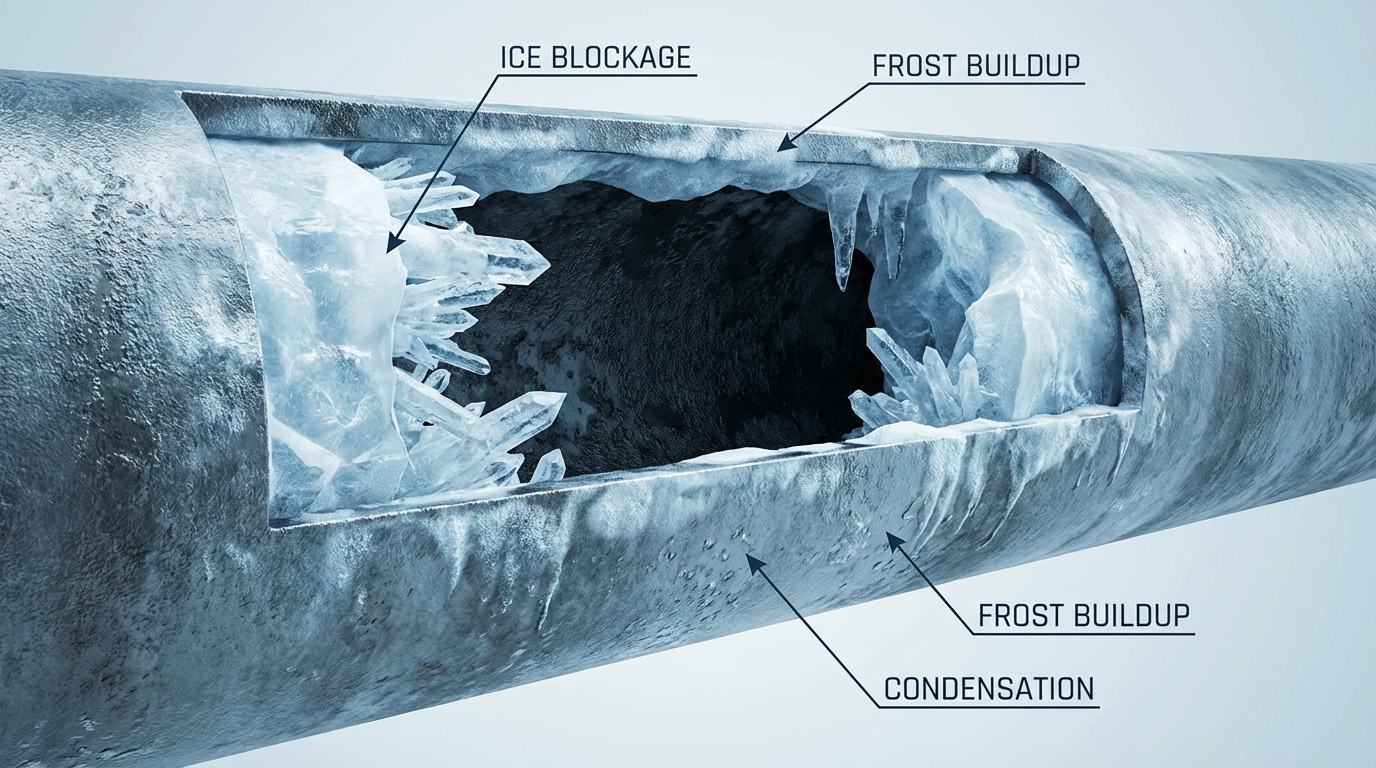
Recognizing early indicators that your septic tank frozen in New Hampton has become reality allows faster response and minimizes damage. The most obvious sign of frozen septic systems in New Hampton involves slow-draining fixtures throughout your home, particularly when multiple drains exhibit sluggish behavior simultaneously. A single slow drain usually indicates a localized clog, but system-wide drainage problems during cold weather often point toward frozen septic systems in New Hampton somewhere in your system. Gurgling sounds from toilets or drains when other fixtures are used suggest air movement through partially blocked lines, a common symptom of frozen septic systems in New Hampton when ice restricts normal flow. You may notice toilets that flush incompletely or require multiple attempts, even when no visible clog exists. Sewage odors inside your home from frozen septic systems in New Hampton, particularly near floor drains or in lower levels, indicate backup conditions developing from blocked septic lines.
Important:If raw sewage begins backing up through floor drains, toilets, or other fixtures, stop using all water immediately and contact emergency restoration services. Sewage exposure creates serious health hazards requiring professional cleanup.
Outside your home, watch for sewage odors near your septic tank or drain field area, soggy patches in your yard despite frozen ground elsewhere, or visible ice formations around septic system access points. These exterior signs of frozen septic systems in New Hampton often appear before interior backup occurs, providing valuable early warning if you remain vigilant during cold periods.
Immediate Steps When Facing a Septic Emergency in New Hampton
Discovering a septic emergency in New Hampton requires calm, decisive action to protect your property and family. When facing frozen septic systems in New Hampton, your first priority involves stopping all water use throughout your home immediately. Every gallon that enters your plumbing system with nowhere to go increases backup pressure and potential damage. Alert all household members to avoid flushing toilets, running faucets, using washing machines, or taking showers until the situation is assessed. If sewage has already backed up into your home due to frozen septic systems in New Hampton, evacuate affected areas and restrict access, especially for children and pets. Raw sewage contains dangerous bacteria, viruses, and parasites that pose immediate health risks. Avoid walking through contaminated areas or touching affected materials. Open windows in backup areas if possible to improve ventilation, but do not attempt cleanup yourself—professional sewage cleanup requires specialized equipment and safety protocols. Contact a septic professional immediately to assess whether your septic tank frozen in New Hampton can be safely thawed or requires excavation and repair. While waiting for professional assistance, locate your septic tank access ports if safely accessible and check whether they're frozen shut. However, never attempt to thaw septic components yourself using open flames, hot water, or electrical heating devices—these methods risk damaging plastic components, creating fire hazards, or causing personal injury.Professional Frozen Septic Line Repair Techniques
Frozen septic line repair for frozen septic systems in New Hampton requires specialized knowledge and equipment that goes far beyond typical plumbing solutions. Professional technicians begin with comprehensive diagnostic assessment of frozen septic systems in New Hampton using specialized cameras and locating equipment to identify exactly where freezing has occurred and assess damage extent. This precision targeting prevents unnecessary excavation while ensuring complete problem resolution. High-pressure steam injection represents one of the safest and most effective frozen septic line repair methods available for frozen septic systems in New Hampton. Technicians introduce controlled steam through access points, gradually melting ice blockages in frozen septic systems in New Hampton without thermal shock that could crack frozen pipes. This technique works well for main sewer lines and can often restore flow within hours rather than requiring extensive digging. For more severe cases of frozen septic systems in New Hampton where ice has completely blocked lines or caused pipe damage, excavation and replacement may become necessary. Professional crews use thermal imaging and probing equipment to locate buried components accurately, minimizing landscape disruption during frozen septic line repair operations. Once exposed, damaged sections are replaced with properly sloped, insulated pipes designed to resist future freezing.
Pro Tip:After any frozen septic line repair, ask your technician about adding heat tape to vulnerable sections. These thermostatically controlled heating elements activate automatically when temperatures drop, providing targeted freeze protection.
Following repairs for frozen septic systems in New Hampton, technicians often recommend comprehensive system inspection to identify other components at risk of freezing. Addressing multiple vulnerabilities during a single service visit proves more cost-effective than repeated emergency calls throughout winter.
Preventing Winter Septic Problems Before They Start
Proactive prevention remains your best defense against winter septic problems and frozen septic systems in New Hampton that can disrupt your household and drain your wallet. Begin preparations before cold weather arrives by having your septic tank pumped and inspected during fall. A tank at proper levels with healthy bacterial populations handles frozen septic systems in New Hampton winter stress more effectively than an overfull system with compromised biology. Insulation upgrades provide perhaps the most reliable protection against frozen septic systems in New Hampton. Adding a thick layer of mulch, straw, or leaves over your septic tank and drain field areas before ground freezes creates an insulating blanket that helps prevent frozen septic systems in New Hampton by moderating soil temperatures. This natural insulation should be at least eight to twelve inches deep and extend several feet beyond your septic components in all directions. Avoid using plastic sheeting, which can trap moisture and actually increase freezing risk.| Prevention Method | Effectiveness | Cost | When to Implement |
|---|---|---|---|
| Mulch/straw insulation | High | Low | Before first frost |
| Heat tape installation | Very high | Moderate | Fall or after repairs |
| Septic tank riser insulation | Moderate | Low | Before winter |
| Regular water use | Moderate | None | Ongoing through winter |
| Professional winterization | Very high | Moderate-High | Late fall |
Protecting Frozen Septic Systems in New Hampton Vacation Homes
Frozen septic systems in New Hampton vacation properties present unique challenges because these homes often sit vacant during the coldest months when problems are most likely to develop. Extended periods without water use allow pipes to lose residual heat, making them extremely vulnerable to frozen septic systems in New Hampton conditions. When owners finally arrive for a winter weekend getaway, they may discover frozen septic systems in New Hampton have caused sewage backup or burst pipes with extensive damage during their absence. If you maintain a vacation property in New Hampton or surrounding Orange County areas, consider installing a smart home monitoring system with temperature sensors near your septic system access points. These devices help prevent frozen septic systems in New Hampton by alerting you via smartphone when temperatures drop to dangerous levels, allowing you to arrange preventive measures before damage occurs. For properties remaining vacant through winter, professional winterization becomes essential to prevent frozen septic systems in New Hampton. This process involves draining all water from supply lines, adding antifreeze to drain traps, and potentially having your septic tank pumped to lower levels that reduce freezing risk. Some homeowners arrange for trusted neighbors or property management services to run water periodically during winter months, but this approach requires reliable monitoring to avoid creating frozen pipe problems in supply lines.The Connection Between Frozen Systems and Secondary Damage
Frozen septic systems in New Hampton rarely remain isolated problems affecting just your septic components. When backup from frozen septic systems in New Hampton occurs, contaminated water can saturate flooring, drywall, insulation, and personal belongings throughout lower levels of your home. This secondary damage often exceeds the cost of septic repairs themselves, particularly when mold growth develops in moisture-trapped materials. Understanding the critical steps to take immediately following any water intrusion helps minimize these secondary consequences. The 24-48 hour window before mold colonization begins makes rapid professional response essential. Sewage-contaminated materials typically cannot be salvaged and require complete removal and replacement to eliminate health hazards. Professional restoration following a septic emergency in New Hampton addresses both the immediate contamination and longer-term damage risks. Comprehensive cleanup involves extraction of standing water, removal of unsalvageable materials, antimicrobial treatment of affected areas, thorough structural drying, and documentation for insurance claims. The mold remediation process may become necessary if response time exceeded safe windows or hidden moisture remained undetected.Insurance Considerations for Winter Septic Emergencies
Homeowner's insurance policies vary significantly in their coverage of frozen septic systems in New Hampton and resulting damage. Most standard policies exclude the septic system itself from coverage, meaning repair or replacement costs for frozen components typically fall to the homeowner. However, resulting damage to your home's interior from sewage backup may be covered under certain policy endorsements. Review your policy specifically for sewage backup coverage, which is often an optional addition rather than standard inclusion. This endorsement typically covers interior damage from frozen septic systems in New Hampton but may have specific exclusions for negligence in maintenance. Document your regular septic maintenance history, as insurers may deny claims if they determine inadequate upkeep contributed to the failure. When filing a claim for frozen septic systems in New Hampton damage, thorough documentation proves essential. Photograph all damage before any cleanup begins, save receipts for emergency services and temporary repairs, and maintain written records of all communications with your insurance company. Professional restoration companies experienced with insurance claims can help ensure proper documentation that supports your coverage requests.Working With Professionals for Frozen Septic Systems in New Hampton
Choosing qualified professionals for frozen septic systems in New Hampton emergencies ensures proper repairs and helps prevent recurring problems. Look for companies with specific experience handling frozen septic systems in New Hampton emergencies, not just general plumbing or septic services. Ask about their diagnostic equipment, thawing techniques, and whether they provide follow-up insulation or heat tape installation to prevent future freezing. Emergency response time matters significantly when dealing with frozen septic systems in New Hampton backup situations. Companies offering 24/7 emergency services can begin addressing your situation immediately rather than leaving you waiting until regular business hours while damage compounds. Ask about typical response times for your area and whether emergency rates apply. Following resolution of frozen septic systems in New Hampton issues, schedule a comprehensive system evaluation to identify any damage that may not be immediately apparent. Freezing can stress pipe joints, crack tank components, and damage distribution boxes in ways that may not cause immediate symptoms but lead to failures later. Proactive identification and repair of these hidden problems prevents future emergencies.How cold does it need to get for septic systems to freeze in New Hampton?
+
Septic components typically begin freezing when soil temperatures reach 32°F, which usually requires sustained air temperatures below 20°F for several days. Frozen septic systems in New Hampton commonly occur during January and February cold snaps. Shallow installations, poor insulation, or lack of snow cover can cause freezing at higher temperatures. Systems with minimal water flow are particularly vulnerable even during moderate cold periods.
Can I pour hot water down drains to thaw a frozen septic line?
+
While small amounts of warm water may help with minor freezing near the house, this approach is generally ineffective and potentially harmful for frozen septic systems in New Hampton with significant blockages. Hot water cools rapidly as it travels through cold pipes and may simply add more ice to the blockage. Excessive hot water use can also overwhelm a partially blocked system, causing backup. Professional steam thawing provides controlled, effective heat delivery without these risks.
Will my septic system freeze if the power goes out during winter?
+
Power outages increase freezing risk for frozen septic systems in New Hampton primarily by affecting homes with electric heat tape on septic lines or heated pump chambers. The septic tank itself doesn't require power, but reduced indoor heating during outages means less warm water entering your system. If you experience extended outages during extreme cold, minimize water use to reduce the volume of cold water entering vulnerable pipes.
How much does frozen septic line repair cost in New Hampton?
+
Costs for repairing frozen septic systems in New Hampton vary significantly based on blockage location, severity, and required repairs. Simple steam thawing of accessible lines may represent a modest investment, while excavation and pipe replacement for deeply buried, damaged sections costs considerably more. Emergency service rates, weekend calls, and after-hours response also affect pricing. Request detailed estimates and ask about warranties on repairs.
Should I add antifreeze to my septic system to prevent freezing?
+
Never add automotive antifreeze to prevent frozen septic systems in New Hampton—it contains toxic chemicals that kill beneficial bacteria essential for waste decomposition and can contaminate groundwater. RV-type antifreeze can be used in drain traps during winterization of vacant properties, but it should not enter the septic tank in large quantities. Proper insulation and regular water use provide safer, more effective freeze prevention.
Categories
Need Restoration Services?
Our team is available 24/7 for emergency response. Call us today for a free phone consultation.


Questions About Restoration?
Our experts are ready to help. Contact us for a free consultation.