New Hampton Homeowners Guide to Frozen Pipe Prevention This Winter
Tyler McClelland leads mitigation operations for Advanced DRI across New York's Hudson Valley, directing water, mold, and large-loss response in the field. He holds IICRC Water Restoration Technician (WRT) and Applied Microbial Remediation Technician (AMRT) certifications and a New York State Mold Supervisor certification, and is trained in IRCA hospital safe construction practices recognized by The Joint Commission.

Worried about frozen pipes in New Hampton NY this winter? Learn which pipes freeze first, prevention hacks, and exactly what to do if they burst.
Why New Hampton Properties Are Vulnerable to Frozen Pipes
New Hampton sits in the Wallkill River Valley at elevations reaching over 500 feet, where winter temperatures regularly drop into the single digits. The combination of Hudson Valley geography and Orange County's notorious temperature inversions creates conditions where frozen pipes in New Hampton NY can occur even when neighboring communities experience milder weather. Knowing what to do if pipes freeze starts with understanding why our area faces elevated risks. Several factors make local homes particularly susceptible. Many properties along Rt. 17M and Old Mountain Road were built before modern insulation standards existed. Homes with well systems face additional risks since supply lines often run through unheated spaces before entering the house. Crawl spaces beneath older Cape Cods and colonials along County Route 51 frequently lack adequate vapor barriers, allowing cold air to contact pipes directly. Properties that have been vacant during cold snaps—whether seasonal homes or houses listed for sale—face the highest risk of experiencing pipes frozen no water emergencies. When heating systems fail or thermostats get set too low, the consequences can be devastating. Burst pipes from freezing can release hundreds of gallons per hour, causing structural damage that requires professional water damage restoration to address properly.
Warning Signs Your Pipes May Be Freezing
Catching a freeze early can prevent a minor inconvenience from becoming a major disaster. Recognizing the warning signs of frozen pipes in New Hampton NY gives you time to act—but first, learn to identify problems before a complete freeze occurs. Reduced water pressure is often the first indicator that you may soon be dealing with pipes frozen no water situations. When ice begins forming inside pipes, the available diameter for water flow shrinks. You might notice the kitchen faucet running slower than usual or the shower losing pressure. This early warning gives you time to prevent pipes from freezing overnight before complete blockage occurs. Frost visible on exposed pipes is an obvious sign of trouble. Check pipes in your basement, crawl space, garage, and under sinks against exterior walls. Any frost accumulation means the pipe temperature has dropped below 32°F and freezing is imminent or already underway. Knowing how to thaw frozen pipes quickly becomes essential at this stage. Strange sounds from your plumbing—banging, clanking, or gurgling—can indicate ice blockages. As water struggles to pass through partially frozen sections, it creates pressure changes that produce unusual noises. These sounds often occur before complete blockage. Unusual odors from drains sometimes signal frozen waste lines. When drainage pipes freeze, sewage gases that normally exit through the roof vent can back up into your home. This presents both a health hazard and a sign that your plumbing system is experiencing freeze-related problems.
How to Prevent Pipes From Freezing Overnight
The most dangerous time for frozen pipes in New Hampton NY is during overnight hours when temperatures hit their lowest point and no one is awake to monitor the situation. Taking proactive steps to prevent pipes from freezing overnight is essential when forecasts predict extreme cold.
Keep Faucets Dripping
Running water is much harder to freeze than standing water—a key strategy to prevent pipes from freezing overnight. During severe cold snaps, let both hot and cold water drip from faucets served by vulnerable pipes. Focus on kitchen and bathroom fixtures located against exterior walls or above unheated spaces. The slight water movement prevents ice from forming a complete blockage.
Open Cabinet Doors
Under-sink cabinets trap cold air against pipes while blocking warm air from your heating system. Open the doors beneath kitchen and bathroom sinks to allow heated air to circulate around the pipes. This simple step can raise pipe temperatures by 10-15 degrees—often enough to prevent pipes from freezing overnight during moderate cold spells.
Maintain Consistent Thermostat Settings
Never set your thermostat below 55°F during winter, even when you're away. The energy savings from dropping the temperature aren't worth the risk of frozen pipes. Keep the same temperature day and night rather than lowering it while sleeping. Consistent heat distribution helps maintain safe pipe temperatures throughout your home.
Add Insulation to Vulnerable Areas
Pipe insulation sleeves cost just a few dollars per foot and provide significant protection. Prioritize pipes in unheated spaces like crawl spaces, attics, and garages. For extremely cold nights, adding temporary insulation with towels or newspapers around exposed pipes provides additional protection.
Seal Air Leaks
Cold air infiltration is a major cause of frozen pipes in New Hampton NY homes. Check for drafts around pipes where they enter your home through exterior walls. Seal gaps with caulk or expanding foam to help prevent pipes from freezing overnight. Pay particular attention to where electrical, cable, and phone lines enter—these penetrations often allow frigid air to reach nearby pipes.
What to Do If Pipes Freeze: Immediate Steps
Despite your best efforts to prevent pipes from freezing overnight, freezing can still occur during extreme weather. Knowing what to do if pipes freeze can prevent a frozen section from becoming a burst pipe disaster. First, turn off the main water supply. Locate your main shutoff valve before an emergency occurs. If a frozen pipe bursts after thawing, you need to stop water flow immediately. In New Hampton, main shutoffs are typically located where the supply line enters the basement or near the well pressure tank. Open the affected faucet. This relieves pressure in the line and allows water to escape as ice melts. Keep both hot and cold handles open to provide an exit path for melting ice and water. Identify the frozen section. Trace the pipe from the faucet back toward the supply. Frozen sections often feel noticeably colder and may show frost. Common freeze points include pipes against exterior walls, in unheated crawl spaces, and where supply lines enter through the foundation. Check all fixtures. When one pipe freezes, others in the same area are likely affected. Test every faucet, toilet, and appliance connection to identify all frozen sections before beginning the thawing process.
How to Thaw Frozen Pipes Safely
Understanding how to thaw frozen pipes properly prevents additional damage and reduces the risk of fire or burns. When dealing with frozen pipes in New Hampton NY, never use open flames, propane torches, or heat guns near pipes—the extreme temperatures can damage plastic pipes, ignite nearby materials, or cause superheated steam explosions.
Safe Thawing Methods for Accessible Pipes
When you can reach the frozen section directly, several safe methods work effectively: Hair dryer: The most common DIY approach for how to thaw frozen pipes involves using a hair dryer on high heat. Move the dryer back and forth along the frozen section, starting from the faucet and working toward the frozen area. This allows water to escape as ice melts. Heat lamp or portable heater: Position a heat source near the frozen section, but maintain safe distances from combustible materials. Never leave heating devices unattended during the thawing process. Hot towels: Wrap frozen pipes with towels soaked in hot water. Replace towels as they cool. This method works well for short frozen sections and is extremely safe since it doesn't involve electrical devices near water. Heating tape: If you're prepared, electrical heating tape applied to vulnerable pipes before freezing occurs provides the fastest thawing and best freeze prevention. Follow manufacturer instructions carefully for safe operation.
Dealing with Hidden Frozen Pipes
When frozen sections are located inside walls or other inaccessible areas, knowing how to thaw frozen pipes becomes more challenging. Increase the overall temperature in your home significantly—set the thermostat to 75°F or higher. Open wall cavities if possible by removing cabinet backs or access panels. Use an infrared heat lamp directed at the wall surface where the frozen pipe is located. If these methods don't restore water flow within several hours, professional assistance may be necessary. Plumbers have specialized equipment for locating and thawing frozen pipes in walls without causing unnecessary damage. Don't wait too long when facing pipes frozen no water conditions—extended freezing increases burst risk.
When Pipes Frozen No Water Emergency Strikes
Waking up to pipes frozen no water from any faucet in your home requires immediate action. This situation indicates a freeze at or near your main supply line—a serious emergency that can affect your entire plumbing system. First, check whether the problem is frozen pipes in New Hampton NY or a water supply issue. Contact Orange County Water Authority or your well service provider to confirm water is available. If neighbors have water but you don't, the freeze is on your property. Locate where the supply line enters your home and carefully inspect for ice or frost. In New Hampton homes with basements, check where the line comes through the foundation wall. For homes with crawl spaces, you may need to access this area to find the frozen section. While attempting to thaw main supply lines, use alternative water sources carefully. Fill pots and buckets from neighbors or purchase bottled water for drinking and cooking. Toilets can be flushed by pouring several gallons of water directly into the bowl. Never use snow as a water source without boiling it first. If you cannot locate or access the frozen section, call a licensed plumber immediately. Extended freezing of main supply lines significantly increases burst risk, and burst pipes can cause catastrophic water damage when flow returns. Emergency water removal services may be necessary if pipes burst before you can shut off the supply.
Long-Term Freeze Prevention for New Hampton Homes
Beyond emergency measures, New Hampton homeowners should consider permanent improvements to eliminate freeze risks: Insulate crawl spaces and basements. Adding insulation to foundation walls and sealing crawl space vents during winter keeps these areas above freezing temperatures. Consider encapsulating crawl spaces with vapor barriers for maximum protection against frozen pipes in New Hampton NY. Relocate vulnerable pipes. During renovations, move pipes away from exterior walls when possible. Interior routing keeps plumbing in conditioned space where freezing rarely occurs. Install freeze alarms. Temperature monitors with smartphone alerts notify you when temperatures in vulnerable areas approach freezing. This early warning allows you to take action and prevent pipes from freezing overnight, even when you're away from home. Add heat tape to high-risk pipes. Self-regulating heat cables provide automatic freeze protection and shut off when temperatures rise. Professional installation ensures proper operation and electrical safety. Winterize outdoor faucets. Disconnect garden hoses before the first freeze. Install interior shutoff valves for outdoor spigots and drain the lines completely. Frost-proof hose bibs provide permanent protection for exterior water access.
What Happens When Frozen Pipes Burst
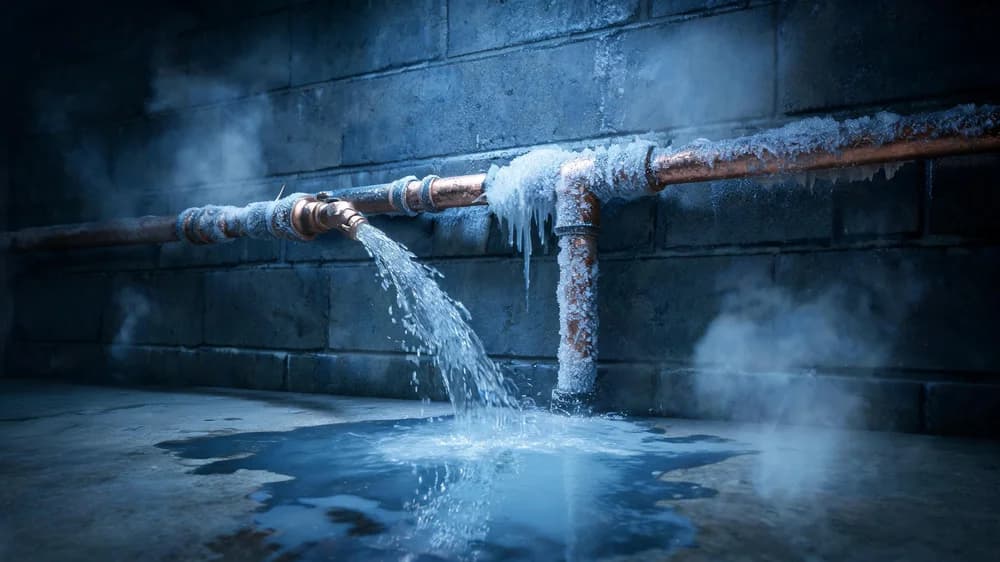
Despite prevention efforts, frozen pipes in New Hampton NY sometimes burst, causing significant water damage. Understanding the aftermath helps you respond appropriately and minimize long-term consequences. Burst pipes don't always fail at the frozen section. Ice acts like a plug, building pressure between the freeze point and closed faucets. This pressure often causes pipes to fail at joints, connections, or weak points elsewhere in the system. You may discover water damage in areas far from the actual frozen section. The volume of water released depends on several factors: pipe diameter, water pressure, and how long the burst goes unnoticed. A half-inch supply line can release over 600 gallons per hour. If a burst occurs while you're at work or traveling, the damage can be extensive by the time you return. Immediate response to burst pipes involves shutting off the main water supply, documenting damage with photos for insurance purposes, and contacting professional restoration services. Water damage restoration involves more than just removing standing water—structural drying, moisture detection, and mold prevention require specialized equipment and expertise. Advanced DRI provides 24/7 water damage restoration services throughout Orange County, including New Hampton. Our IICRC-certified technicians respond quickly to minimize damage and begin the restoration process before secondary problems like mold growth develop.
Dealing with Frozen Pipe Damage in New Hampton NY?
When frozen pipes in New Hampton NY burst, every minute counts. Advanced DRI provides emergency water damage restoration across Orange County with rapid response times. Our technicians are available 24/7 to extract water, dry your property, and prevent mold growth.Insurance Considerations for Freeze Damage
Most homeowner's insurance policies cover water damage from frozen pipes in New Hampton NY—but coverage depends on circumstances. Policies typically require that you maintained heat in your home or took reasonable steps to drain the plumbing before leaving an unheated property. If you're traveling during winter, your policy may require someone to check on your home daily or that you've shut off and drained the water supply. Review your policy's vacancy and freeze damage provisions before winter arrives. Document all damage thoroughly with photos and videos before cleanup begins. Keep receipts for emergency repairs and temporary housing if necessary. Your insurance company may require professional restoration services for covered claims—Advanced DRI works directly with insurance providers to streamline the claims process and ensure proper documentation.
Frequently Asked Questions
Protect Your New Hampton Home This Winter
Preventing frozen pipes in New Hampton NY requires preparation before temperatures drop and vigilance during cold snaps. By understanding your home's vulnerabilities, taking steps to prevent pipes from freezing overnight, and knowing how to thaw frozen pipes safely, you can avoid the stress and expense of burst pipe emergencies. When freezing does occur, quick action matters. Knowing what to do if pipes freeze and having a plan for pipes frozen no water situations helps you respond effectively and minimize damage. And if the worst happens—a burst pipe causing water damage—professional restoration services can help you recover quickly. Advanced DRI serves New Hampton and communities throughout Orange County with comprehensive water damage restoration services. Our 24/7 emergency response ensures you're never facing water damage alone, whether it results from frozen pipes in New Hampton NY, storms, or other disasters. Contact us anytime for immediate assistance or to learn more about protecting your property from water damage.
Categories
Need Restoration Services?
Our team is available 24/7 for emergency response. Call us today for a free phone consultation.
Questions About Restoration?
Our experts are ready to help. Contact us for a free consultation.