Contents Restoration: Saving Your Belongings After Water or Fire Damage

When disaster strikes your home or business, the damage extends far beyond walls and floors. Your personal belongings, furniture, electronics, documents, and sentimental items face serious threats from water, smoke, soot, and fire damage. Professional contents restoration services specialize in recovering these valuable items, often saving possessions you thought were lost forever. Effective content restoration makes the difference between total loss and successful recovery.

Understanding how content restoration works can help you act quickly when disaster strikes, maximizing the chances of saving your most important belongings. This comprehensive guide explains the restoration process, what can be saved, and why professional intervention makes the difference between recovery and total loss.

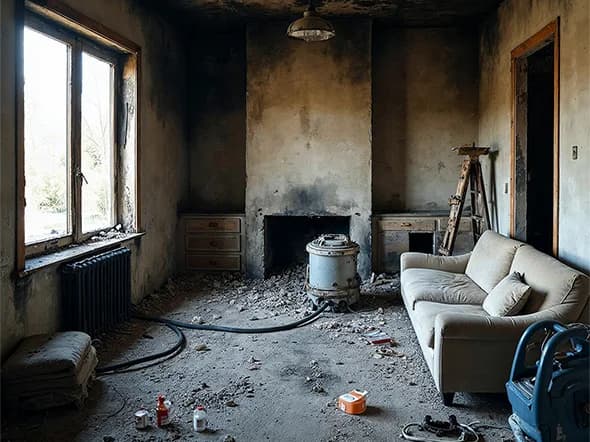
Professional contents restoration services documenting and treating water-damaged belongings in specialized facility

Table of Contents

What Are Contents Restoration Services?

Contents restoration services involve the specialized cleaning, treatment, and restoration of personal property damaged by water, fire, smoke, mold, or other disasters. Unlike structural restoration that repairs your building, content restoration focuses exclusively on saving your belongings—from everyday items to irreplaceable family heirlooms.

Professional restoration companies use advanced techniques and specialized equipment to clean, deodorize, and restore items that conventional cleaning methods cannot salvage. The process combines scientific knowledge of materials with proven restoration techniques to recover maximum value from damaged contents.

Types of Items Restored

Professional content cleaning services can restore a remarkably wide range of belongings:

  • Furniture and upholstery: Sofas, chairs, mattresses, and decorative pieces
  • Electronics and appliances: Computers, televisions, kitchen equipment, and audio systems
  • Clothing and textiles: Wardrobes, curtains, bedding, and specialty fabrics
  • Documents and photographs: Important papers, photo albums, and artwork
  • Kitchen items: Dishes, cookware, and small appliances
  • Personal items: Jewelry, collectibles, and sentimental objects
  • Business equipment: Office furniture, inventory, and commercial tools

The Contents Restoration Process

Professional personal property restoration follows a systematic approach designed to maximize recovery while preventing further damage. Understanding this process helps you appreciate the complexity and value of professional restoration services.

1. Emergency Content Pack-Out

Immediately after damage occurs, restoration professionals conduct a content pack-out. This critical first step involves carefully inventorying, photographing, and removing salvageable items from the damaged environment. Quick removal prevents additional damage from lingering moisture, smoke residue, or environmental exposure. Understanding the water damage restoration process helps property owners recognize why rapid pack-out is essential.

Each item receives documentation including its condition, location, and assigned restoration method. This detailed inventory serves multiple purposes: insurance claims documentation, tracking throughout the restoration process, and ensuring nothing gets lost or misplaced during treatment.

2. Assessment and Categorization

Once items arrive at the restoration facility, technicians conduct thorough assessments to determine appropriate treatment methods. Items get categorized based on damage type, material composition, and restoration priority. This critical evaluation phase of content restoration ensures each item receives optimal treatment for maximum recovery.

Category Description Typical Recovery Rate
Category 1 Light damage – minimal cleaning needed 95-100%
Category 2 Moderate damage – specialized treatment required 70-90%
Category 3 Heavy damage – extensive restoration needed 40-70%
Category 4 Severe damage – limited salvageability 10-40%

3. Specialized Cleaning Methods

Different materials and damage types require specific content cleaning service approaches. Professional restoration facilities utilize multiple cleaning technologies designed for contents restoration services:

Ultrasonic Cleaning: High-frequency sound waves create microscopic bubbles that gently remove contaminants from delicate items like electronics, jewelry, and detailed decorative pieces without causing damage.

Dry Cleaning: Solvent-based processes effectively remove smoke, soot, and oil-based residues from fabrics and textiles without water exposure that could cause additional damage or shrinkage.

Wet Cleaning: Controlled water-based cleaning with specialized detergents treats items that can withstand moisture, removing water-soluble contaminants and odors.

Abrasive Cleaning: Gentle media blasting techniques remove surface contamination from hard goods like tools, metal items, and sturdy plastics without damaging underlying surfaces.

Immersion Cleaning: Complete submersion in cleaning solutions treats heavily contaminated items, particularly effective for kitchen items, ceramics, and glass.

Content cleaning service specialist using ultrasonic equipment to restore delicate items after disaster damage

4. Deodorization Treatment

Smoke, mold, and water damage often leave persistent odors that regular cleaning cannot eliminate. Professional contents restoration services employ advanced deodorization techniques including ozone treatment, thermal fogging, and hydroxyl generators to neutralize odor molecules at the molecular level rather than simply masking them. Effective content cleaning service includes complete odor elimination for truly restored items.

5. Drying and Climate Control

Proper drying prevents mold growth, warping, and continued deterioration. Industrial dehumidifiers and controlled-environment chambers gradually reduce moisture content while monitoring for optimal drying conditions. This controlled approach prevents the damage that rapid drying or excessive heat can cause to sensitive materials.

6. Restoration and Refinishing

After cleaning, many items benefit from refinishing treatments. Furniture may receive new protective coatings, electronics undergo testing and repair, and textiles receive pressing or reshaping. These finishing touches restore both function and appearance. Comprehensive contents restoration services include these final refinishing steps that transform cleaned items back to their original condition.

Water Damage Contents Restoration

Water damage presents unique challenges for personal property restoration because contamination level and exposure duration dramatically affect salvageability. Clean water from supply lines causes less damage than gray water from appliances or black water from sewage backups. Taking proper water damage steps immediately protects both structural elements and personal belongings.

Immediate Actions for Water-Damaged Items

Time critically impacts recovery success. Within the first 24-48 hours, porous materials like upholstery, carpets, and documents face irreversible damage if not properly treated. Professional content restoration services respond quickly to prevent this deterioration. Experienced personal property restoration specialists understand that rapid intervention determines whether items can be saved or become total losses.

💡 Pro Tip: Never attempt to turn on electronics that have been water-damaged. Residual moisture can cause electrical shorts and permanent failure. Professional restoration includes proper drying and testing before powering equipment.

Document and Photo Restoration

Water-damaged documents and photographs require specialized treatment. Professional content cleaning services use freeze-drying technology to stabilize water-damaged paper items, preventing ink bleeding and paper deterioration. Vacuum freeze-drying can restore documents and photos even after complete submersion. This specialized aspect of personal property restoration saves irreplaceable memories and critical business records.

Fire and Smoke Damage Contents Restoration

Fire creates multiple damage layers: direct fire exposure, smoke residue, soot deposition, and corrosive chemical byproducts. Each requires different treatment approaches within contents restoration services. Professional content restoration technicians assess all damage types to develop comprehensive treatment plans. Learning about complete fire damage restoration demonstrates how contents recovery integrates with structural repairs.

Smoke and Soot Removal

Smoke residue varies based on what burned. Protein residues from kitchen fires differ significantly from synthetic material smoke or wood smoke. Professional technicians identify residue types to select appropriate cleaning methods that won’t set stains or spread contamination. The fire damage cleanup process involves specialized techniques for removing different smoke residue types from various materials.

⚠️ Warning: Amateur cleaning attempts often worsen smoke damage. Rubbing soot can permanently embed it into porous materials, and using incorrect cleaning solutions can set acidic residues that continue causing damage.

Corrosion Prevention

Fire byproducts create acidic residues that actively corrode metal surfaces. Professional personal property restoration includes neutralizing these corrosive elements and applying protective coatings to prevent ongoing deterioration. This preventive aspect of content restoration ensures long-term preservation of salvaged metal items.

Electronics and Technology Restoration

Modern homes and businesses contain expensive electronics vulnerable to multiple damage types. Professional content restoration facilities maintain specialized clean rooms and equipment for electronics recovery. Advanced content cleaning service techniques can restore devices that appear completely destroyed.

The restoration process for electronics includes disassembly, ultrasonic cleaning of components, corrosion removal, contact cleaning, drying, and comprehensive testing. This systematic approach often recovers devices that owners assume are total losses.

Electronic Category Common Damage Types Restoration Success Rate
Computers/Laptops Water damage, smoke residue 60-80%
Televisions Smoke coating, heat damage 50-70%
Small Appliances Water exposure, soot buildup 70-85%
Audio Equipment Smoke residue, moisture 65-80%

Commercial Contents Restoration

Businesses face unique challenges when disaster damages inventory, equipment, and operational assets. Commercial contents restoration services understand the urgency of business continuity and prioritize critical items that affect operations. Professional personal property restoration for businesses minimizes revenue loss by rapidly processing damaged assets.

Inventory Restoration

Retail businesses may have thousands of product units requiring assessment and cleaning. Professional content cleaning service teams can process large volumes efficiently, determining what can be restored for sale versus what must be disposed of for safety or quality reasons. Effective content restoration helps businesses recover inventory value and resume operations faster.

Document and Record Recovery

Business documents, contracts, financial records, and legal papers hold significant value. Professional restoration services employ specialized techniques including freeze-drying, digitization, and document reconstruction to recover critical business information. Companies providing comprehensive commercial restoration services understand that business continuity depends on recovering both physical assets and vital documentation.

🏠 Business Tip: Digital backup systems complement physical document restoration. While professional services can recover many damaged documents, having secure digital backups ensures business continuity even with total physical document loss.

Cost Considerations and Insurance Coverage

Professional personal property restoration often costs significantly less than replacing damaged items. Insurance policies typically cover contents restoration as part of disaster claims, making professional services financially accessible. Investing in contents restoration services maximizes recovery value while minimizing out-of-pocket replacement expenses.

Insurance Claim Support

Reputable restoration companies work directly with insurance adjusters, providing detailed documentation of damage, restoration processes, and costs. This comprehensive documentation streamlines claims processing and ensures proper coverage for restoration services. Professional content restoration providers understand insurance requirements and prepare thorough evidence supporting claim approval.

The detailed inventory created during content pack-out serves as crucial evidence for insurance claims. Professional photographs, item descriptions, and damage assessments provide the documentation insurance companies require for claim approval.

Pack-Out vs. On-Site Restoration

Some contents restoration services can be performed on-site, while others require facility-based treatment. Pack-out to specialized restoration facilities offers several advantages:

  • Access to specialized equipment unavailable for on-site use
  • Controlled environment preventing additional damage
  • Climate-controlled storage during structural repairs
  • Secure handling of valuable or sensitive items
  • Efficient processing of large item quantities

Professional content cleaning service providers assess each situation to determine the optimal restoration location based on item type, damage severity, and treatment requirements.

What Can and Cannot Be Restored

Understanding restoration limitations helps set realistic expectations. While professional content restoration services achieve remarkable results, some items face insurmountable damage. Experienced contents restoration services providers assess each item individually to determine salvageability.

Highly Salvageable Items

The following items typically respond well to professional restoration:

  • Hard-surface furniture (wood, metal, plastic)
  • Non-porous decorative items
  • Electronics exposed to smoke (without direct fire contact)
  • Sealed food containers (after proper cleaning)
  • Washable textiles and clothing
  • Documents and photographs (with quick intervention)
  • Jewelry and precious metals

Professional personal property restoration technicians evaluate each item individually, often achieving remarkable recovery rates even with items that appear severely damaged.

Challenging or Non-Restorable Items

Certain items may not be restorable depending on damage severity:

  • Porous materials with sewage contamination
  • Electronics with direct fire exposure
  • Extensively charred items
  • Perishable foods and cosmetics
  • Items with severe mold penetration
  • Unsealed medications

⚠️ Important: Safety regulations prohibit restoring certain contaminated items. Professional restoration technicians follow strict guidelines about what can be safely cleaned versus what must be disposed of to protect client health.

Choosing Professional Contents Restoration Services

Selecting qualified contents restoration services ensures the best possible recovery of your belongings. Look for companies with specialized training, proper equipment, and comprehensive insurance coverage. The right personal property restoration provider makes the difference between adequate recovery and exceptional results.

Key Qualifications to Verify

Professional restoration companies should demonstrate:

  • Specialized restoration facility with climate control
  • Multiple cleaning technologies and methods
  • Detailed inventory and tracking systems
  • Insurance claim assistance and documentation
  • Transparent pricing and timelines
  • Secure storage capabilities
  • 24/7 emergency response

📊 Data Point: Studies show that professional restoration recovers an average of 70-85% of contents value compared to only 20-30% with amateur cleaning attempts or no intervention.

The Value of Quick Action

Time dramatically affects restoration success rates. Every hour that passes after damage occurs reduces the likelihood of complete recovery. Professional content cleaning service teams understand this urgency and respond quickly to stabilize and begin treating damaged items. Immediate contents restoration services intervention maximizes salvageability.

Smoke and soot become increasingly difficult to remove as they settle and bond with surfaces. Water damage progresses through distinct stages, with salvageability decreasing significantly after 48 hours. Mold can begin growing within 24-48 hours in moisture-damaged items. Professional 24/7 emergency restoration services provide the rapid response critical to successful contents recovery.

Emergency Response Timeline

Professional restoration companies follow this critical timeline:

  • 0-1 hours: Emergency contact and damage assessment
  • 1-4 hours: Pack-out team mobilization and item removal
  • 4-24 hours: Inventory completion and initial cleaning begins
  • 24-48 hours: Full-scale restoration processes underway
  • 48+ hours: Ongoing treatment, monitoring, and refinishing

Preventing Future Contents Loss

While professional personal property restoration can recover significant value after disasters, prevention strategies reduce the likelihood and severity of contents damage. Understanding proper maintenance and preparedness reduces your need for emergency content cleaning service after disasters strike.

Protective Measures

  • Maintain working smoke detectors and fire suppression systems
  • Address plumbing issues and appliance maintenance promptly
  • Control indoor humidity to prevent mold growth
  • Store valuable items in protected locations away from potential water sources
  • Create digital backups of important documents and photographs
  • Maintain current insurance coverage with adequate contents protection

🏠 Home Tip: Create a home inventory with photographs and descriptions of valuable items before disaster strikes. This documentation proves invaluable for insurance claims and helps restoration professionals understand what items hold highest priority for recovery. Partnering with trusted residential restoration experts ensures you have reliable support when emergencies occur.

Storage During Structural Repairs

One often-overlooked benefit of contents restoration services is secure storage during structural repairs. After disasters, your home or business may require extensive reconstruction work. Professional restoration facilities provide climate-controlled storage, keeping your cleaned contents safe while construction progresses. This integrated approach to content restoration protects your belongings throughout the entire recovery process.

This storage service prevents construction dust, debris, and worker traffic from re-contaminating cleaned items. It also provides security for valuable belongings during the vulnerable period when your property may be unoccupied or accessible to contractors.

Frequently Asked Questions About Contents Restoration

How long does the contents restoration process take?

+

The timeline varies based on damage severity and item quantity. Minor damage may require only 1-2 weeks, while extensive smoke or water damage could need 4-8 weeks for complete restoration. Professional contents restoration services provide detailed timelines after initial assessment and work efficiently to return your belongings as quickly as possible while ensuring thorough treatment.

Will insurance cover professional content restoration costs?

+

Most homeowners and commercial property insurance policies include coverage for contents restoration services as part of disaster claims. Professional restoration companies work directly with insurance adjusters, providing necessary documentation and often billing insurance directly. Review your specific policy for contents coverage limits and deductibles, but restoration services are typically fully covered when damage results from covered perils like fire or water damage.

Can smoke-damaged clothing be saved?

+

Yes, most smoke-damaged clothing can be successfully restored through specialized content cleaning service methods. Professional restoration uses combination techniques including dry cleaning with specialized solvents, ozone treatment for odor removal, and repeated washing cycles with industrial equipment. However, synthetic fabrics heavily exposed to heat may have permanent damage, and delicate or heavily sentimental items should be prioritized for professional treatment rather than home cleaning attempts.

What happens to items that cannot be restored?

+

Items deemed non-restorable during personal property restoration assessment are documented with photographs and descriptions for insurance claims. The restoration company provides detailed reports explaining why items cannot be salvaged, supporting replacement value claims. Clients typically authorize disposal of non-restorable items, though some may choose to retain certain items for sentimental reasons. This documentation ensures proper insurance claim processing for items requiring replacement.

How do restoration companies handle valuable or sentimental items?

+

Professional contents restoration services implement special handling protocols for high-value and sentimental items. These receive priority marking during pack-out, individual treatment plans, secure storage in restricted-access areas, and detailed documentation throughout the process. Jewelry, artwork, family heirlooms, and irreplaceable photographs receive extra care including specialized restoration techniques. Many facilities maintain bonded and insured staff specifically trained in handling valuable contents, providing peace of mind throughout the restoration process.

Trust Professional Contents Restoration for Complete Recovery

When disaster damages your belongings, professional contents restoration services offer the expertise, equipment, and experience necessary for maximum recovery. From the initial emergency response through final delivery of restored items, professional restoration teams work systematically to save your valuable possessions.

The combination of specialized cleaning technologies, climate-controlled facilities, and trained technicians achieves results impossible through conventional cleaning methods. Whether facing water damage, fire destruction, or smoke contamination, professional content restoration maximizes salvageability while providing the documentation and support needed for smooth insurance claims processing.

Don’t wait to seek professional help. Every hour counts when belongings suffer disaster damage. Immediate professional intervention through qualified content cleaning service providers dramatically improves recovery outcomes, often saving items you might assume are total losses. Your possessions hold both financial and sentimental value—professional restoration services protect that value through scientific cleaning methods and careful handling. Finding local water damage restoration services means faster response times and better outcomes for your damaged belongings.

Quick action, professional expertise, and advanced restoration technology combine to deliver the comprehensive personal property restoration that transforms disaster recovery from overwhelming loss to successful restoration. When the unthinkable happens, professional contents restoration services stand ready to save what matters most.

Our Expertise Sets Us Apart

At Advanced Disaster Recovery Inc., we pride ourselves on our exceptional customer service and commitment to excellence. Our team undergoes rigorous training to stay updated on the latest industry practices and safety protocols. We work closely with your insurance provider to ensure a seamless claims process, saving you time and stress during an already challenging period.

Benefits of Choosing Advanced Disaster Recovery Inc.
24/7 Emergency Response

Disasters don’t wait for convenient times. We’re available around the clock to provide immediate assistance.

Licensed and Certified Professionals

Our team holds industry certifications to guarantee quality workmanship.

Advanced Technology

We use cutting-edge equipment and techniques to ensure efficient and thorough restoration.

End-to-End Services

From initial assessment to final repairs, we handle every step of the restoration process.

Is Your Business Prepared?

Learn More About Our Emergency Response Program

RESTORATION AND CONSTRUCTION FINANCING

Fund Your Restoration Project As Soon As Tomorrow

We connect homeowners with financing options to help fund their Restoration projects without tapping into their home equity.

Fill our contact form and get FREE Smoke Detector

24/7 Emergency Response

Fill our contact form and get FREE Smoke Detector