
Fire & Smoke Damage
Looking Back: Common Fire Damage Causes in Harrisburg Throughout the Year
December 31, 202512 min read
E
Elsa Boyer· Regional Operations Manager (Harrisburg, PA)
Elsa Boyer is a Regional Operations Manager for Advanced Disaster Recovery, based in Harrisburg, Pennsylvania, overseeing commercial and healthcare restoration projects. She holds a Bachelor of Arts from Valparaiso University and a deep certification portfolio, including ICRA Certified Healthcare Remediator Supervisor and multiple IICRC designations across commercial drying, structural drying, water, and fire & smoke restoration.
Certified Healthcare Remediator Supervisor (ICRA), IICRC Commercial Drying Specialist, IICRC Applied Structural Drying, IICRC Water Restoration Technician (WRT), IICRC Fire and Smoke Restoration Technician, Lead-Based Paint Renovator, Mold Remediation Technician (RIA), OSHA 10 CertifiedLinkedIn
Published December 31, 2025 · Updated May 27, 2026

Discover common fire damage causes in Harrisburg throughout the year. Learn seasonal fire risks and prevention tips to protect your home.
Understanding Fire Risks in Harrisburg Homes
Common fire damage causes in Harrisburg change with the seasons, creating year-round risks for homeowners throughout the Capital Region. As we look back at fire incidents affecting local properties, clear patterns emerge that reveal when and why fires happen most frequently. Understanding these patterns helps Harrisburg homeowners take proactive steps to protect their families and properties from devastating damage. Pennsylvania's state capital sees a unique combination of factors that contribute to residential fire causes. The region's older housing stock, including many historic homes with aging electrical systems, creates vulnerabilities that newer construction often avoids. Seasonal temperature swings from humid summers to freezing winters mean residents rely heavily on heating and cooling systems throughout the year, each bringing distinct common house fire causes that local families should recognize.
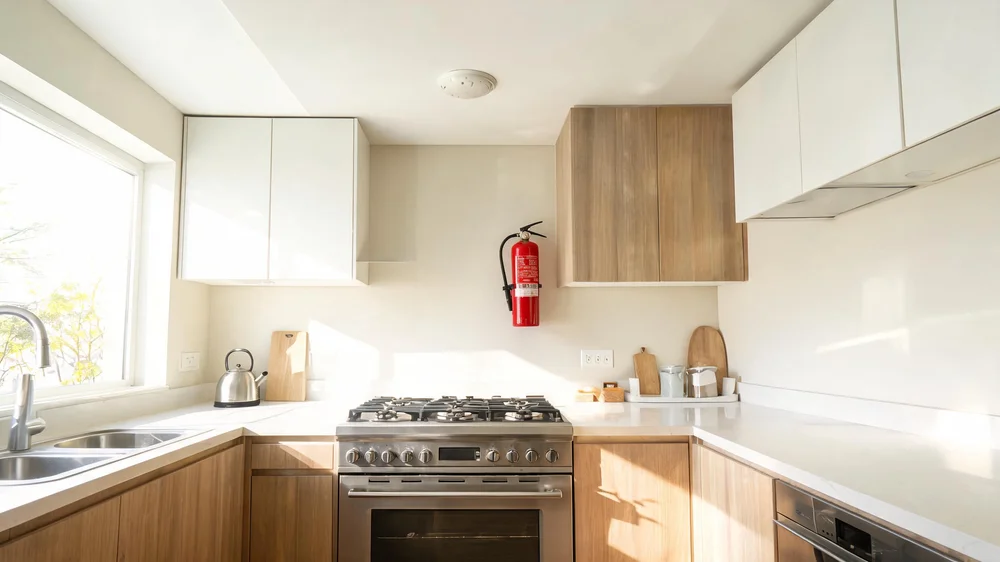
💡 Pro Tip: Keep a fire extinguisher on every level of your home and test smoke detectors monthly to ensure they function properly during emergencies.
Winter: The Peak Season for House Fires
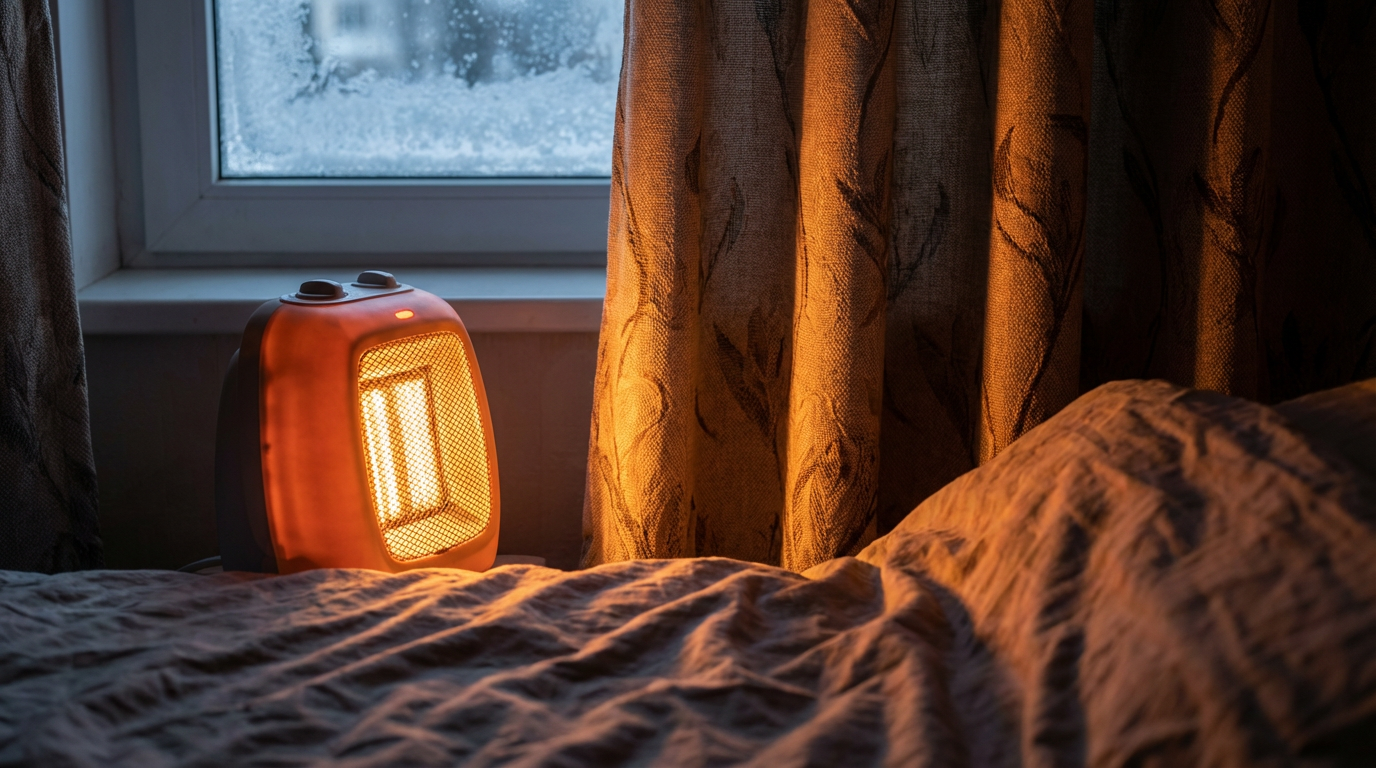
When examining what causes house fires in the Harrisburg area, winter consistently ranks as the most dangerous season. Cold temperatures drive homeowners to use supplemental heating sources, and these devices represent major residential fire causes each year. Space heaters pose the greatest winter fire risk and rank among the most common house fire causes during colder months. Placing portable heaters too close to curtains, bedding, furniture, or other combustible materials leads to countless preventable fires. Homeowners often leave space heaters running overnight or while away from home, dramatically increasing danger. Electric space heaters with frayed cords or malfunctioning thermostats create additional hazards that contribute to what causes house fires during winter. Wood-burning fireplaces and stoves represent another major contributor to home fire causes in Harrisburg during winter. Creosote buildup inside chimneys can ignite unexpectedly, sending flames through the chimney structure and potentially into the attic or walls. Improperly stored firewood too close to heat sources and unattended fires add to seasonal residential fire causes. Furnace malfunctions also contribute to home fire causes in Harrisburg during winter. Older heating systems in many local homes may have worn components, damaged heat exchangers, or faulty electrical connections. When furnaces run continuously during cold snaps, the stress on aging equipment can trigger dangerous situations.
⚠️ Important: Never leave space heaters unattended and always maintain at least three feet of clearance between heating equipment and anything that can burn.
Spring: Electrical and Appliance Hazards
As temperatures warm, common fire damage causes in Harrisburg shift toward different risk factors. Spring brings increased electrical activity as homeowners power up air conditioning units, begin outdoor projects, and use more power tools and equipment. Understanding what causes house fires during this transitional season helps families stay protected. Overloaded electrical circuits represent significant residential fire causes during spring cleaning and home improvement season. Plugging multiple high-wattage devices into the same outlet or power strip overwhelms wiring systems, particularly in older Harrisburg homes that may not have been designed for modern electrical demands. Extension cords running under carpets or through doorways create additional fire hazards that contribute to common house fire causes. Dryer vent fires spike during spring as families catch up on laundry accumulated over winter months. Lint accumulation in dryer vents restricts airflow and creates highly flammable conditions that rank among top home fire causes in Harrisburg. Residential fire and smoke damage from dryer fires can be extensive, spreading quickly through walls and attic spaces where vents run.| Season | Primary Fire Causes | Prevention Tips |
|---|---|---|
| Winter | Space heaters, fireplaces, furnace malfunctions | Maintain clearance, annual chimney cleaning, furnace inspection |
| Spring | Electrical overloads, dryer vents, outdoor burning | Check circuits, clean vents, follow burn regulations |
| Summer | Grills, fireworks, lightning strikes | Grill safety distance, professional fireworks only, surge protectors |
| Fall | Heating system startups, holiday decorations, leaf burning | HVAC maintenance, LED lights, safe disposal practices |
Summer: Outdoor and Weather-Related Fire Risks
Summer introduces common fire damage causes in Harrisburg that center around outdoor activities and severe weather events. Grilling accidents account for numerous property fires during warmer months, particularly when gas or charcoal grills are positioned too close to structures, deck railings, or overhanging branches. These preventable incidents represent significant residential fire causes throughout the region. Fireworks-related fires spike around Independence Day and rank among notable common house fire causes during summer. Despite regulations limiting consumer fireworks, improper use near homes, dry vegetation, or combustible materials leads to preventable property damage. Even legal sparklers can reach temperatures exceeding 1,200 degrees Fahrenheit, igniting nearby materials instantly. Lightning strikes during summer thunderstorms are unavoidable causes of fire damage throughout the Pennsylvania Capital Region. When lightning hits a home directly or strikes nearby power lines, the resulting electrical surge can spark fires in wiring, appliances, or structural components. Whole-house surge protectors help mitigate this risk but cannot eliminate it entirely. Air conditioning overload also contributes to what causes house fires in summer. Running window units continuously or operating aging central air systems beyond their capacity stresses electrical components and can cause overheating. Faulty compressors, worn wiring, and blocked condenser units all increase fire potential during heat waves and represent serious home fire causes in Harrisburg.Fall: Transitional Hazards and Holiday Risks
Fall brings a combination of common fire damage causes in Harrisburg as homeowners transition from cooling to heating and prepare for holiday celebrations. The first cold snap often catches families off guard, leading to hasty heating system startups without proper maintenance or inspection. Furnace and heating system fires increase dramatically in early fall when equipment sits idle for months before sudden use. Dust accumulation on heat exchangers, clogged filters, and deteriorated components can cause ignition when systems fire up. Professional maintenance before heating season significantly reduces this risk and helps prevent common house fire causes. Holiday decoration fires represent serious residential fire causes from October through December. Halloween candles in jack-o-lanterns near combustible decorations, Thanksgiving cooking incidents, and Christmas tree fires all contribute to fall and early winter statistics. Overloaded electrical outlets powering multiple strands of lights create additional hazards that factor into what causes house fires during the holiday season.
🏠 Home Tip: Water your Christmas tree daily and never leave holiday lights on when leaving home or going to sleep. Dry trees can ignite in seconds.
Leaf burning remains a factor in property fires, particularly in suburban neighborhoods where yard waste disposal options may be limited. Unattended leaf fires, burning on windy days, or failing to maintain safe distances from structures leads to property damage each fall.
Cooking Fires: A Year-Round Concern
Regardless of season, cooking remains the leading cause among all common house fire causes nationwide and in Harrisburg specifically. Unattended cooking, grease fires, and stovetop mishaps represent major residential fire causes throughout the year but spike during holiday meal preparation. Grease fires spread rapidly and require proper response. Attempting to extinguish a grease fire with water causes explosive spreading, dramatically worsening the situation. Keeping a lid nearby to smother flames and knowing when to evacuate rather than fight the fire saves lives and limits property damage. Kitchen incidents consistently rank among the top common fire damage causes in Harrisburg homes. Distracted cooking while multitasking or leaving the kitchen causes most stovetop fires. Pot handles extending over adjacent burners, towels or potholders too close to heat sources, and loose clothing near open flames all contribute to kitchen fire incidents year-round. Fire damage restoration professionals note that kitchen fires often cause more smoke damage than structural damage when caught early. However, grease fires that reach cabinets or spread to range hoods can rapidly engulf entire kitchens and spread through wall cavities.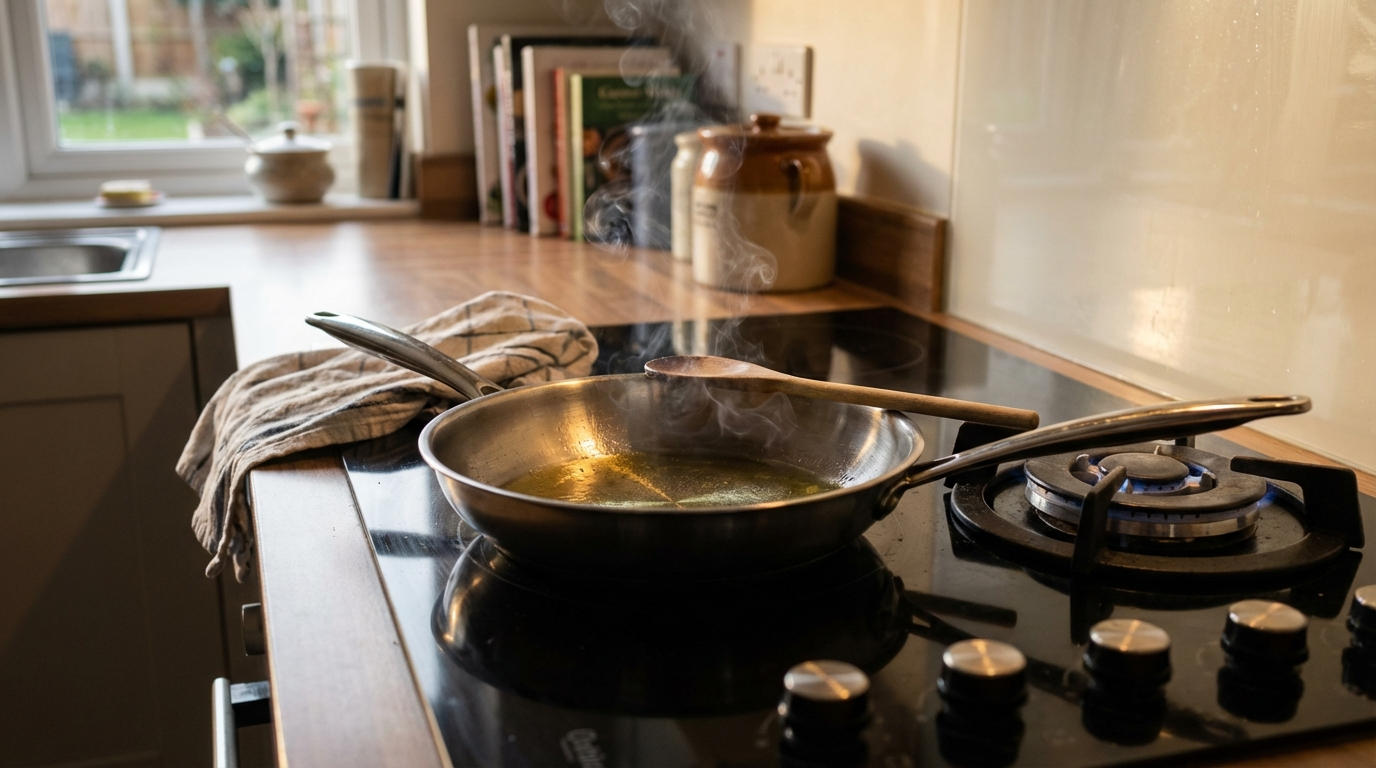
Electrical System Failures in Older Homes
Harrisburg's abundant stock of historic and older homes presents unique challenges regarding home fire causes in Harrisburg. Many properties built before 1970 still contain original electrical wiring that was never designed to handle modern power demands. Electrical failures represent significant common fire damage causes in Harrisburg neighborhoods with aging infrastructure. Aluminum wiring, common in homes built during the 1960s and early 1970s, expands and contracts differently than copper, loosening connections over time. These loose connections create heat buildup and arcing that can ignite surrounding materials. Outdated fuse boxes without modern circuit breakers provide inadequate protection against electrical fires. Knob-and-tube wiring found in homes built before 1950 lacks grounding and insulation standards required today. When this aging wiring contacts modern insulation or carries loads it was never designed to handle, fire risk increases substantially. Commercial properties with older electrical systems face similar challenges.
🔬 Technical Note: Arc-fault circuit interrupters detect dangerous arcing conditions and shut down circuits before fires can start. Installing AFCIs throughout your home provides significant protection against electrical fires.
What to Do After Fire Damage
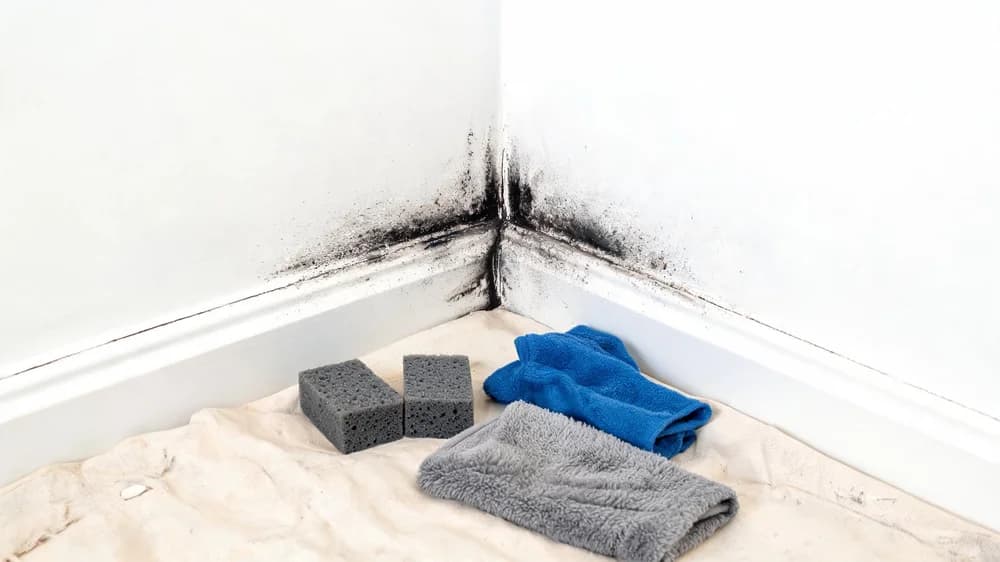
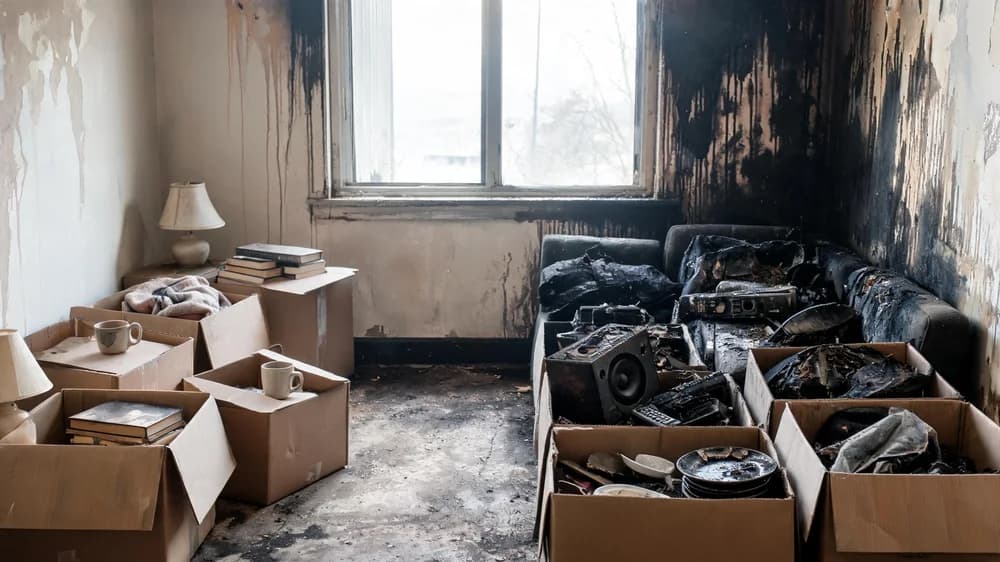
When fire strikes your Harrisburg home, taking proper steps immediately affects both safety and recovery outcomes. Even small fires produce toxic smoke and soot that penetrate throughout the structure, requiring professional attention beyond visible damage areas. Never re-enter a fire-damaged structure until fire officials declare it safe. Structural damage may not be visible, and toxic gases can linger for days. Once cleared to enter, document all damage thoroughly with photos and video before any cleanup begins. Professional fire damage restoration addresses both visible damage and hidden concerns. Smoke penetrates HVAC systems, wall cavities, and attic spaces, continuing to cause damage and health hazards long after flames are extinguished. Soot's acidic nature means delays in professional cleaning allow permanent staining and corrosion of surfaces and belongings. Water damage from firefighting efforts compounds fire damage in most cases. Standing water, saturated building materials, and elevated humidity create mold growth conditions within 24 to 48 hours. Comprehensive restoration addresses fire, smoke, and water damage together to prevent secondary damage.Prevention Strategies for Harrisburg Homeowners
Understanding common house fire causes empowers homeowners to take meaningful prevention steps. Regular maintenance, safety equipment, and awareness of seasonal risks substantially reduce fire likelihood. Recognizing what causes house fires in your specific situation helps prioritize protective measures. Install smoke detectors on every level and inside each bedroom. Test monthly and replace batteries annually, or consider 10-year sealed lithium battery models. Interconnected smoke detectors that all sound when one detects smoke provide maximum warning time. Schedule annual furnace and chimney inspections before heating season begins. Professional technicians identify worn components, creosote buildup, and potential hazards before they cause fires. Similarly, have dryer vents professionally cleaned annually, especially if your dryer takes longer than normal to dry clothes. Upgrade electrical systems in older homes when possible. Adding circuits, replacing outdated panels, and installing arc-fault circuit interrupters dramatically reduce electrical fire risk. Have a licensed electrician evaluate homes built before 1980 for potential hazards.What are the most common fire damage causes in Harrisburg during winter?
+
Space heaters, wood-burning fireplaces, and furnace malfunctions are the most frequent common fire damage causes in Harrisburg during winter months. Supplemental heating devices placed too close to combustible materials and heating systems stressed by continuous operation during cold snaps create the highest risk. Annual chimney cleaning and furnace maintenance significantly reduce winter fire danger from these common house fire causes.
What causes house fires in summer months?
+
Understanding what causes house fires in summer reveals grilling accidents, fireworks incidents, lightning strikes, and air conditioning overload as primary risks. Positioning grills too close to structures, using fireworks improperly near homes, and running aging AC systems beyond capacity all increase fire risk during warmer months. Installing whole-house surge protectors provides protection against lightning-related electrical fires.
Why are older Harrisburg homes at higher fire risk?
+
Older Harrisburg homes often contain outdated electrical systems including aluminum wiring, knob-and-tube wiring, and fuse boxes that create significant home fire causes in Harrisburg. These systems were not designed for modern electrical demands and may have deteriorated connections that cause arcing and overheating. Professional electrical evaluation and upgrades substantially reduce fire risk from these common house fire causes in older properties.
How quickly should I contact restoration professionals after a fire?
+
Contact professional restoration services within 24 hours of fire damage occurring. Smoke and soot continue causing damage after flames are extinguished, with acidic residues permanently staining and corroding surfaces if not addressed promptly. Water from firefighting creates mold risk within 24 to 48 hours, making rapid professional response critical.
What residential fire causes occur year-round regardless of season?
+
Cooking fires remain the leading residential fire causes throughout the year in Harrisburg and nationwide. Unattended cooking, grease fires, and stovetop accidents occur in every season but increase during holiday meal preparation. Electrical failures from overloaded circuits, damaged cords, and faulty appliances also rank among common fire damage causes in Harrisburg year-round regardless of weather conditions.
Protecting Your Harrisburg Home Year-Round
Fire prevention requires ongoing attention to common fire damage causes in Harrisburg across all times of year. Each season brings specific hazards that homeowners can address through awareness, maintenance, and proper safety practices. From winter heating hazards to summer grilling risks, understanding what causes house fires helps families stay safe. When fire damage does occur, professional restoration ensures complete recovery. Beyond visible damage, smoke, soot, and water from firefighting efforts require expert attention to prevent ongoing problems. Water extraction and drying after firefighting prevents mold growth, while professional smoke removal eliminates health hazards and persistent odors. Taking prevention seriously today protects your family and property from becoming another fire statistic. Regular maintenance, updated safety equipment, and awareness of home fire causes in Harrisburg give you the best chance of avoiding devastating damage to your home.Categories
Need Restoration Services?
Our team is available 24/7 for emergency response. Call us today for a free phone consultation.
Questions About Restoration?
Our experts are ready to help. Contact us for a free consultation.