Water Damage Restoration
Orange County Winter Weather: Protecting New Hampton Homes From Water Damage
December 19, 202510 min read
T
Tyler McClelland· Mitigation Manager, Hudson Valley Region (NY)
Tyler McClelland leads mitigation operations for Advanced DRI across New York's Hudson Valley, directing water, mold, and large-loss response in the field. He holds IICRC Water Restoration Technician (WRT) and Applied Microbial Remediation Technician (AMRT) certifications and a New York State Mold Supervisor certification, and is trained in IRCA hospital safe construction practices recognized by The Joint Commission.
IICRC Water Restoration Technician (WRT), IICRC Applied Microbial Remediation Technician (AMRT), NY State Mold Supervisor Certification, Lead RRP Certification, OSHA Bloodborne Pathogens Training, IRCA Hospital Safe Construction Practices (TJC), Large Loss Mastery Estimating CertifiedLinkedIn
Published December 19, 2025 · Updated May 27, 2026

Learn how to prevent winter water damage in New Hampton NY with our winter home maintenance checklist and cold weather plumbing tips.
Understanding Winter Water Damage in New Hampton NY
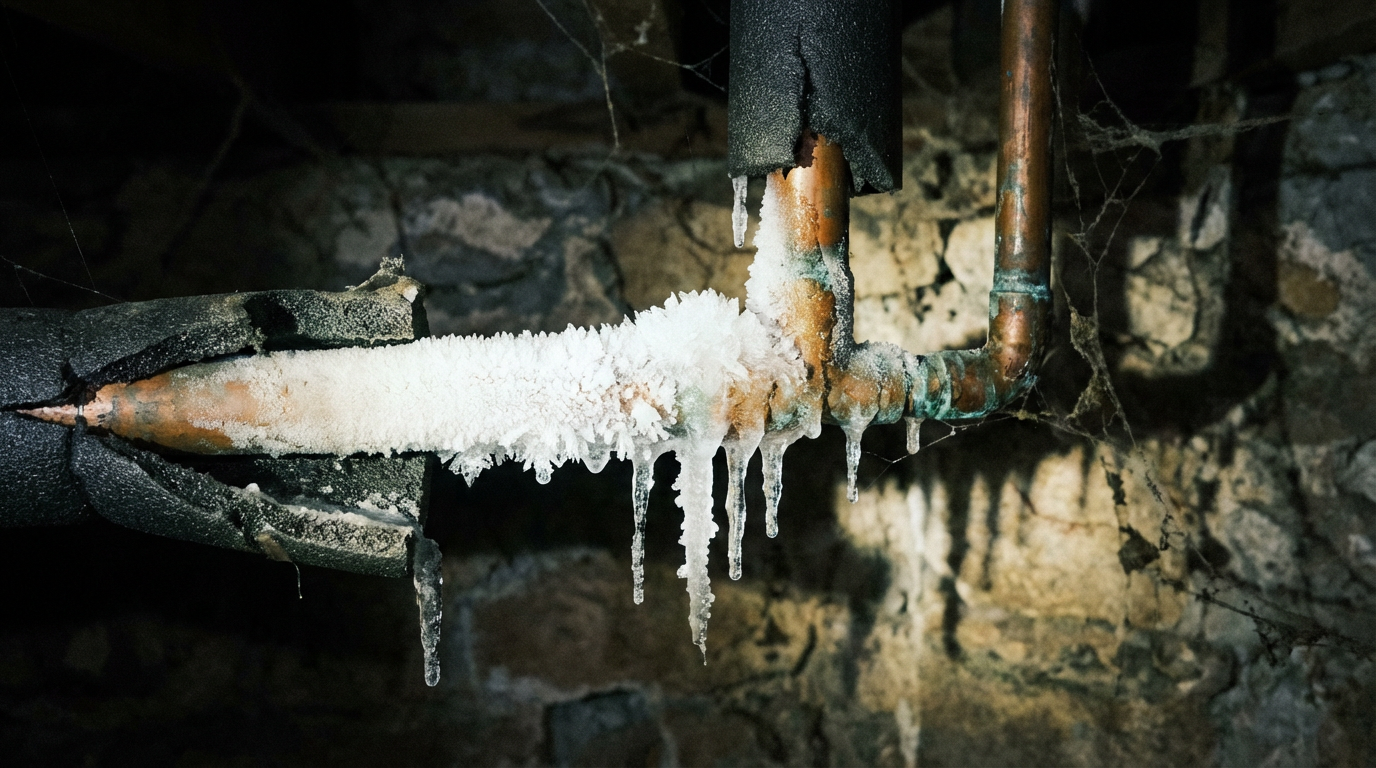
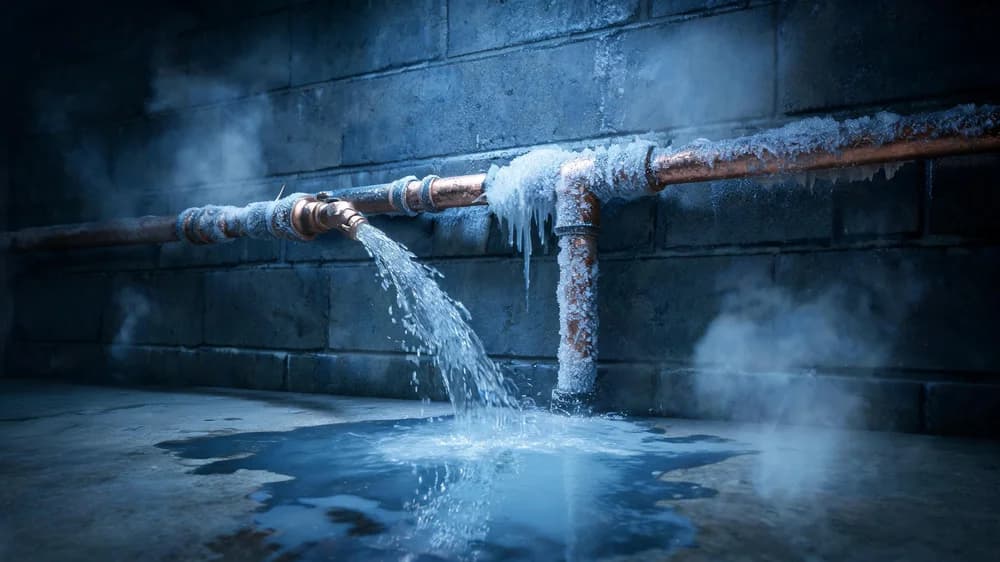
Several factors make winter particularly dangerous for residential properties in this area. The Hudson Valley's geography creates temperature patterns that stress building materials and plumbing systems in ways that warmer regions simply don't experience. When you understand how winter water damage in New Hampton NY occurs, you can take targeted steps to prevent it. Frozen pipes represent the most immediate threat during cold snaps. Water expands by approximately nine percent when it freezes, creating enormous pressure inside pipes. This pressure often exceeds what residential plumbing can withstand, resulting in cracks or complete ruptures. Once temperatures rise and ice melts, water rushes through these openings and can quickly cause extensive damage to floors, walls, and personal belongings. Ice dams pose another significant risk for New Hampton homeowners. When heat escapes through poorly insulated attics, it melts snow on your roof. This water flows down to the colder eaves, where it refreezes and creates a barrier. Subsequent meltwater backs up behind this dam, seeping under shingles and into your home's structure. The resulting damage often remains hidden until stains appear on ceilings or mold growth develops in affected areas.Your Complete Winter Home Maintenance Checklist
Following a thorough winter home maintenance checklist before temperatures drop dramatically reduces your risk of experiencing costly emergencies. These tasks address the most common causes of seasonal damage and help you protect home from water damage throughout the coldest months.Exterior Preparation Tasks
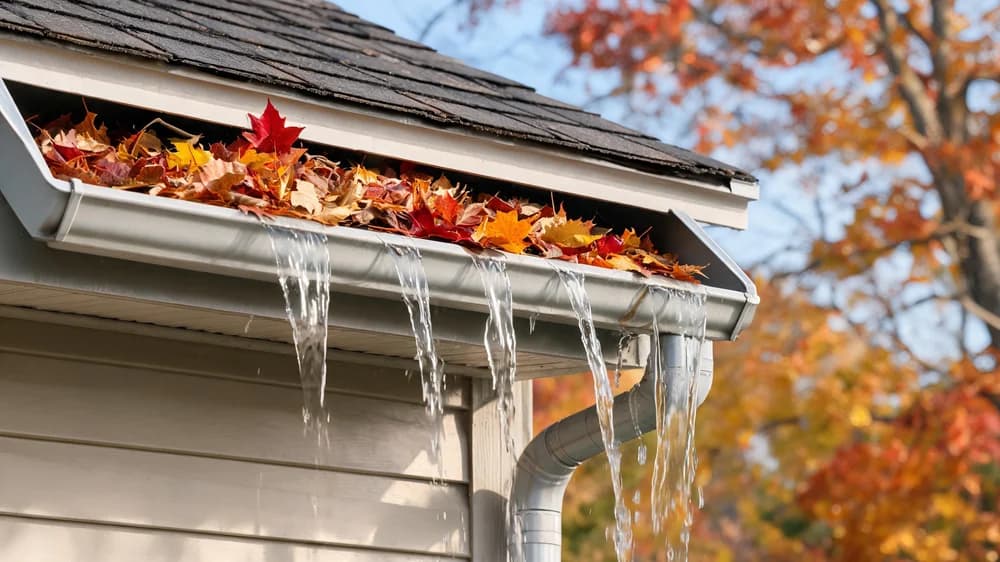
Start your winter home maintenance checklist with a careful inspection of your home's exterior. Check gutters and downspouts for debris that could cause ice dam formation. Ensure downspouts direct water at least six feet away from your foundation to prevent basement flooding when snow melts. Examine your roof for damaged or missing shingles that could allow water infiltration. Pay particular attention to flashing around chimneys, vents, and skylights. These areas are especially vulnerable during freeze-thaw cycles when ice can work its way under roofing materials. Inspect your foundation for cracks that could admit water during snowmelt. Even small openings can allow significant moisture intrusion when snow piled against your home begins to thaw. Seal any visible cracks with appropriate masonry caulk before winter arrives in full force.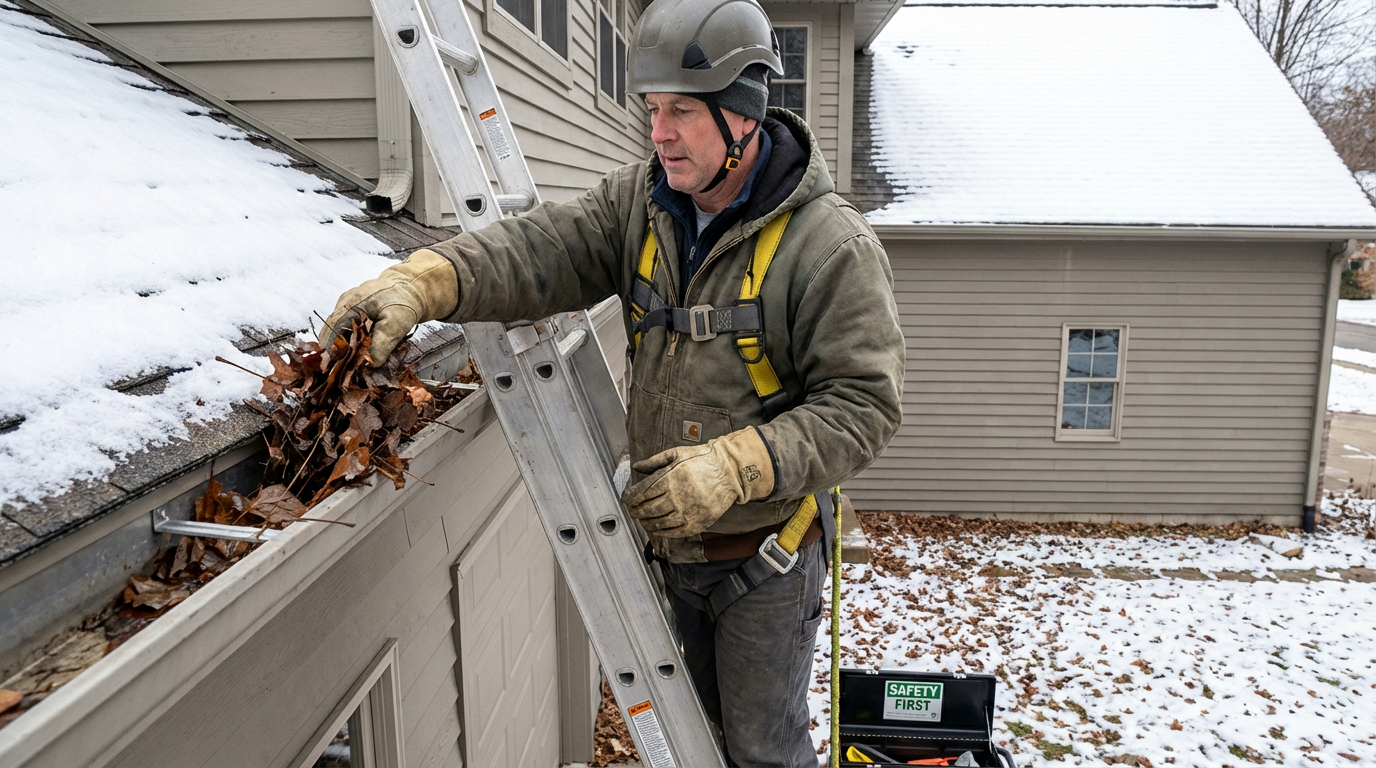
Interior Systems Check
Your winter home maintenance checklist should include thorough inspection of interior plumbing and heating systems. Test your sump pump to ensure it operates correctly before spring thaw arrives. Pour water into the pit to trigger the float switch and verify the pump evacuates water properly. Consider installing a battery backup system to protect against power outages during winter storms. Check your water heater for signs of corrosion or leaking. Winter places additional demands on this appliance as incoming water temperatures drop significantly. A failing water heater can cause substantial damage to basements and utility areas. Verify that your heating system functions efficiently throughout your home. Cold spots near exterior walls indicate areas where pipes may be vulnerable to freezing. Proper freeze protection requires adequate heat circulation to all areas containing plumbing.Cold Weather Plumbing Tips That Prevent Emergencies
Implementing proven cold weather plumbing tips dramatically reduces your likelihood of experiencing burst pipes during New Hampton's harsh winters. These strategies range from simple behavioral changes to physical modifications that provide lasting protection.
💡 Pro Tip: Know where your main water shutoff valve is located before an emergency occurs. When a pipe bursts, every minute of water flow increases damage exponentially. Being able to quickly stop the water supply can save thousands in restoration costs.
Insulation and Heat Tape
Cold weather plumbing tips consistently emphasize proper insulation as your first line of defense. Pipes running through unheated spaces like crawl spaces, attics, and garages require foam sleeve insulation at minimum. For pipes in particularly vulnerable locations, consider installing UL-listed heat tape that automatically activates when temperatures drop. Pay special attention to pipes running along exterior walls, especially in older New Hampton homes that may lack adequate wall insulation. These areas often experience the coldest temperatures during winter nights and are frequent failure points during extreme cold snaps.Water Flow and Temperature Management
During severe cold weather, allow faucets served by vulnerable pipes to drip slightly. This continuous water movement prevents standing water from freezing solid inside your plumbing. Focus on faucets in kitchens and bathrooms that have supply lines running through exterior walls or unheated spaces. Keep cabinet doors beneath sinks open to allow warm room air to circulate around pipes, especially those on exterior walls. This simple cold weather plumbing tip can prevent frozen pipes without any modification to your plumbing system. Maintain your thermostat at a consistent temperature day and night. While lowering the heat at night saves energy, it can allow temperatures in wall cavities to drop enough to freeze pipes. During extreme cold, keep your home at least 55 degrees Fahrenheit even when away.Strategies to Prevent Winter Water Damage
Beyond basic maintenance, several strategic approaches help you prevent winter water damage throughout the season. These methods address the systemic vulnerabilities that lead to costly emergencies.Snow and Ice Management
How you manage snow accumulation directly impacts your home's vulnerability to moisture intrusion. Keep snow cleared from your foundation to prevent melt water from pooling against your home. When shoveling or snowblowing, direct snow away from the house rather than piling it against exterior walls. Monitor roof snow loads after heavy storms. Excessive accumulation stresses your roof structure and contributes to ice dam formation. Consider using a roof rake to remove snow from the lower edges of your roof, but exercise caution to avoid damaging shingles or injuring yourself. Clear snow from window wells and basement stairwells to prevent flooding when temperatures rise. These areas can collect significant amounts of meltwater that overwhelms drainage systems if not managed proactively.Monitoring and Early Detection
Installing water sensors in vulnerable areas provides early warning of problems before they escalate. Place sensors near water heaters, washing machines, beneath sinks, and in basements. Modern smart sensors can alert your phone when they detect moisture, allowing rapid response even when you're away from home. Learn to recognize warning signs of developing problems. Reduced water pressure from certain faucets may indicate partial freezing in supply lines. Frost on interior walls suggests insulation failures that could lead to frozen pipes. Staining on ceilings below attic spaces often signals ice dam damage requiring attention.
⚠️ Important: If you notice bulging or wet spots on walls or ceilings, this indicates active water intrusion requiring immediate attention. Turn off water to affected areas if possible and contact professionals before damage spreads.
What to Do When Winter Water Damage in New Hampton NY Occurs
Despite best efforts, some homeowners will still experience winter water damage in New Hampton NY. Knowing how to respond quickly minimizes damage and reduces restoration costs significantly. When you discover water damage, your first priority is stopping the water source. For burst pipes, immediately shut off your main water supply. For roof leaks or ice dam damage, contain water flow with buckets and towels while arranging for professional assistance. Document damage thoroughly with photographs and video before beginning cleanup efforts. Time is critical with water damage. Mold can begin developing within 24 to 48 hours of water exposure in the right conditions. Taking immediate action to extract standing water and begin the drying process protects both your property and your family's health. Contact your insurance company promptly to report the damage. Most policies cover sudden water damage from burst pipes, though coverage for ice dam damage varies. Having documentation ready expedites the claims process and supports accurate coverage determinations.Professional Restoration Makes the Difference
While minor moisture problems may be manageable for homeowners, significant water damage requires professional intervention to properly protect home from water damage in the long term. Hidden moisture in wall cavities, beneath flooring, and within structural components can cause ongoing problems if not thoroughly addressed. Professional water damage restoration uses specialized equipment like industrial dehumidifiers, air movers, and moisture detection instruments to ensure complete drying. These tools identify and address moisture that homeowners cannot detect or reach with standard equipment. Emergency response services are available around the clock because water damage doesn't wait for convenient hours. When winter storms damage your home at 2 AM, having access to professional help immediately can prevent minor problems from becoming major disasters.At what temperature do pipes freeze in New Hampton NY?
+
Pipes typically begin freezing when outside temperatures drop below 20 degrees Fahrenheit, though pipes in poorly insulated areas can freeze at higher temperatures. Wind chill, pipe location, and insulation levels all affect freezing risk.
Does homeowner's insurance cover winter water damage in New Hampton NY?
+
Most homeowner's policies cover sudden water damage from burst pipes. However, damage resulting from negligence, such as leaving a home unheated during winter, may not be covered. Ice dam damage coverage varies by policy, so review your specific coverage with your insurance agent.
How can I prevent winter water damage when traveling?
+
When leaving your home during winter, maintain thermostat settings above 55 degrees, shut off the main water supply and drain pipes if possible, have someone check your home regularly, and consider smart water sensors that can alert you to problems remotely.
What are signs of hidden winter water damage?
+
Watch for musty odors, peeling paint or wallpaper, warped flooring, stains on ceilings or walls, increased humidity levels, and unexplained spikes in your water bill. These signs often indicate moisture problems that require professional assessment.
When should I call a professional for winter water damage?
+
Contact professionals immediately when water affects large areas, when damage involves contaminated water, when structural materials are saturated, when you cannot locate or stop the water source, or when moisture has been present for more than 24 hours.
Protect Your New Hampton Home This Winter
Taking proactive steps to prevent winter water damage in New Hampton NY protects both your property investment and your family's wellbeing. Following a comprehensive winter home maintenance checklist, implementing proven cold weather plumbing tips, and knowing how to respond to emergencies positions you to weather the season successfully. Orange County winters demand respect, but they don't have to result in disaster. By understanding the specific risks facing New Hampton homes and taking appropriate preventive action, you significantly reduce your likelihood of experiencing costly water damage this season. If you do experience water damage despite your best prevention efforts, professional help is available around the clock. Emergency water extraction and restoration services can minimize damage and get your home back to normal quickly. Don't wait for small problems to become major disasters—address moisture issues promptly to protect your home throughout winter and beyond.Categories
Need Restoration Services?
Our team is available 24/7 for emergency response. Call us today for a free phone consultation.
Questions About Restoration?
Our experts are ready to help. Contact us for a free consultation.