Water Damage and Home Electrical Systems: Safety First
Tyler McClelland leads mitigation operations for Advanced DRI across New York's Hudson Valley, directing water, mold, and large-loss response in the field. He holds IICRC Water Restoration Technician (WRT) and Applied Microbial Remediation Technician (AMRT) certifications and a New York State Mold Supervisor certification, and is trained in IRCA hospital safe construction practices recognized by The Joint Commission.
Water and electricity are a dangerous combination. Advanced DRI explains how to stay safe when water damage affects your home's electrical system and what to ex
When Water Meets Electricity: Understanding the Danger
At Advanced DRI, safety is always our first priority when responding to water damage calls. The combination of water and electrical systems creates life-threatening hazards that demand immediate attention and proper handling. Every year, homeowners across New York, New Jersey, Pennsylvania, and Connecticut face situations where water intrusion compromises electrical wiring, outlets, panels, and appliances, creating risks of electrocution, electrical fire, and ongoing system damage.
Water is an excellent conductor of electricity. When it comes into contact with live wiring, energized outlets, or electrical equipment, the current can travel through the water and electrocute anyone who touches it or stands in it. Even after the visible water is gone, moisture trapped in wall cavities, junction boxes, and conduit can continue to create hazardous conditions and corrode electrical components.
Electrical Hazards During Water Damage Events
Understanding the specific risks helps you respond safely:
Submerged or Saturated Outlets and Switches
Wall outlets and light switches that have been submerged or saturated with water pose an immediate electrocution risk. Water entering the electrical box can energize the cover plate, the surrounding drywall, and any water on the floor or wall surface. Even outlets that appear dry on the surface may have water inside the junction box behind the wall.
Water Near the Electrical Panel
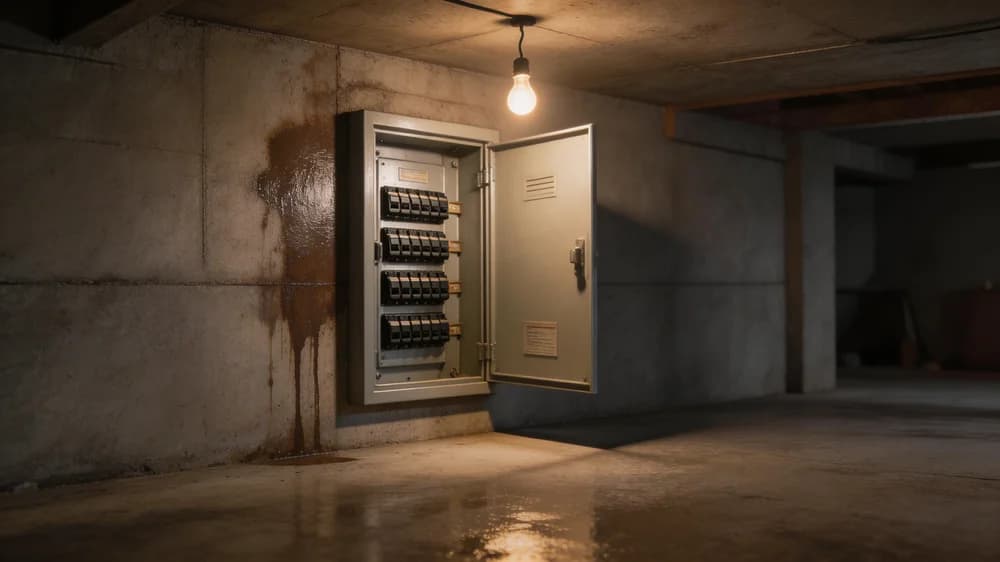
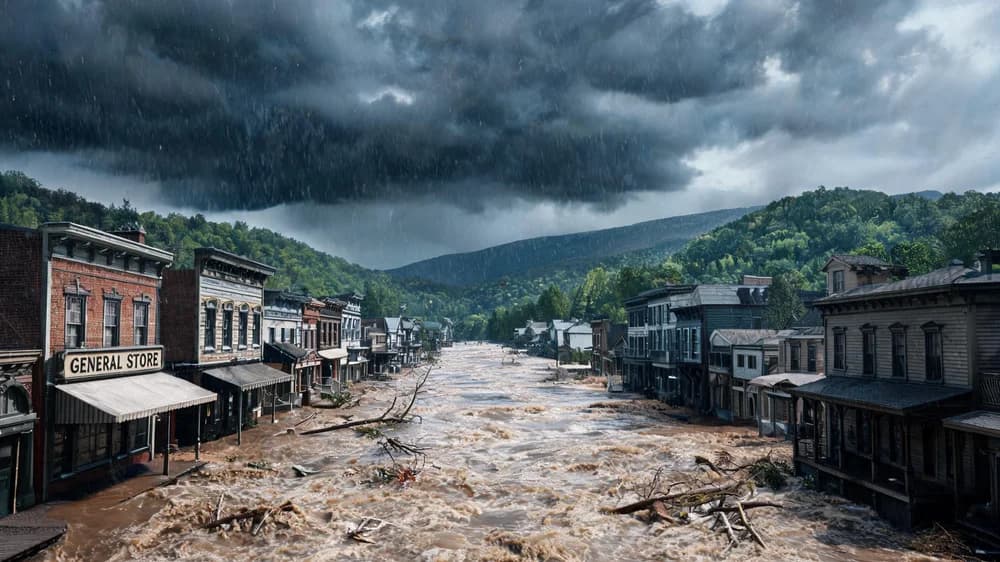
If floodwater or a major leak reaches your home's main electrical panel or subpanels, the risk is severe. The panel contains high-amperage connections that can deliver a fatal shock. A wet electrical panel also risks short circuits that can ignite a fire within the panel enclosure or connected wiring.
Submerged Appliances and Equipment
Appliances that have been partially or fully submerged in water should never be turned on or plugged in without professional inspection. Water inside motors, heating elements, control boards, and wiring can cause short circuits, equipment failure, and fire.
Damaged or Exposed Wiring
Water damage can degrade wire insulation, corrode connections, and compromise the integrity of electrical junctions. In cases of structural damage from flooding or storm events, wiring may be displaced, exposed, or damaged, creating contact hazards.
Ground Fault Risks
Water creates paths for electrical current to flow to ground through unintended routes, including through people. While ground fault circuit interrupter (GFCI) outlets are designed to detect these conditions and cut power, not all circuits in a home are GFCI-protected, and existing GFCIs may have been compromised by the water event.
Immediate Safety Steps During Water Damage
When water damage occurs in your home, take these precautions before doing anything else:
- Do not enter standing water if you cannot confirm the power is off. If water is in contact with any electrical outlets, appliances, or wiring, do not walk through it. Water on the floor can carry electrical current from a single compromised outlet or appliance throughout the flooded area.
- Shut off the main breaker if you can do so safely. If you can access your electrical panel without stepping in water or touching wet surfaces, turn off the main breaker to de-energize the entire home. If the panel is in a flooded area, do not attempt to reach it. Call your utility company and request an emergency disconnect at the meter.
- Do not touch electrical devices, outlets, or switches in wet areas. Even if the device appears to be above the water line, moisture migration through walls and wiring makes any electrical component in the affected area potentially dangerous.
- Do not use household electrical equipment for water removal. Using a standard vacuum cleaner or non-rated electrical equipment in a wet environment creates electrocution risk. Only use equipment specifically rated for wet environments, such as a wet/dry shop vacuum with a GFCI-protected power source.
- Call Advanced DRI and a licensed electrician. Professional restoration technicians understand electrical safety protocols in water damage environments. We coordinate with licensed electricians to ensure your electrical system is safe before and during the restoration process.
How Water Damage Affects Electrical Components
Even after water is removed, the effects on your electrical system can persist:
Corrosion
Water, especially water containing minerals, chemicals, or sewage, accelerates corrosion of copper wiring, aluminum connections, steel junction boxes, and brass terminal screws. Corroded connections develop increased resistance, which generates heat and can eventually cause arcing and fire. This corrosion may not be visible without opening junction boxes and panel covers.
Insulation Degradation
The plastic and rubber insulation on electrical wiring can absorb moisture and degrade over time after a water event. Compromised insulation increases the risk of short circuits and ground faults. Older wiring with cloth or paper insulation is particularly vulnerable to water damage.
Contamination
Floodwater often carries sediment, chemicals, and biological contaminants that deposit inside electrical boxes, panel enclosures, and conduit. This contamination can create conductive paths between wires that should be isolated, leading to short circuits and potential fire.
Residual Moisture
Moisture can become trapped inside electrical boxes, conduit runs, and behind panels for extended periods after the visible water is gone. This hidden moisture continues to corrode components and can cause intermittent electrical failures, tripped breakers, and GFCI faults that are difficult to diagnose.
Professional Electrical Assessment After Water Damage
At Advanced DRI, we always recommend a thorough electrical assessment by a licensed electrician as part of any water damage restoration project where electrical components were exposed to moisture. This assessment should include:
- Inspection of the main electrical panel and all subpanels for moisture, corrosion, and contamination
- Testing of all GFCI outlets and circuit breakers in affected areas
- Inspection of outlets, switches, and junction boxes that were submerged or located in affected wall cavities
- Evaluation of all appliances and equipment that were exposed to water
- Assessment of wiring insulation integrity in affected areas
- Megohmmeter testing of circuits to verify insulation resistance values
Depending on the findings, the electrician may recommend replacing specific components, rewiring affected circuits, or in severe cases, replacing the electrical panel. These repairs should be completed before the restoration process closes up walls and ceilings.
When Electrical Components Must Be Replaced
Industry standards and electrical codes provide guidance on which components can be dried and returned to service versus those that must be replaced:
- Must be replaced: Any electrical equipment or components that were submerged in contaminated water, including sewage, floodwater, or chemically contaminated water, should be replaced. This includes outlets, switches, breakers, GFCIs, and wiring with compromised insulation.
- Requires professional evaluation: Components exposed to clean water from a supply line break may be salvageable after thorough drying and testing by a licensed electrician. The decision depends on the duration of exposure, the type of component, and the results of electrical testing.
- Appliances: Major appliances that were submerged generally cannot be safely returned to service. Appliances that experienced minor exposure may be evaluated by qualified service technicians on a case-by-case basis.
Protecting Your Electrical System from Future Water Damage
Several measures can reduce the electrical risks associated with water damage:
- Install GFCI protection on all circuits in areas where water exposure is possible, including basements, bathrooms, kitchens, laundry rooms, and garages.
- Elevate electrical panels above the base flood elevation if your home is in a flood-prone area.
- Use watertight electrical boxes in below-grade installations and areas with high moisture exposure.
- Install a whole-house water shutoff system with leak detection to stop water flow before it reaches electrical components.
- Maintain sump pumps and backup power to prevent basement flooding that could affect electrical systems in below-grade spaces.
Water damage involving electrical systems is never a situation to handle on your own. If your home has experienced water intrusion that may have affected wiring, outlets, panels, or appliances, contact Advanced DRI immediately. We coordinate with licensed electricians and follow strict safety protocols to protect you and your family throughout the restoration process.
Frequently Asked Questions
Is it safe to turn on the power after water damage if the water has dried?
No. Even after visible water has dried, moisture can remain trapped inside electrical boxes, behind panels, and within conduit for an extended period. Restoring power without a professional electrical inspection risks electrocution, short circuits, and fire. Always have a licensed electrician inspect and clear your electrical system before restoring power after any significant water event.
Can water-damaged electrical wiring be dried and reused?
It depends on the type of water, the duration of exposure, and the condition of the wire insulation. Wiring exposed to clean water for a short period may be salvageable after proper drying and insulation resistance testing. Wiring exposed to contaminated water or floodwater typically must be replaced, as contaminants accelerate corrosion and degrade insulation even after drying.
How do I know if my electrical panel was affected by water damage?
Signs include tripped breakers that will not reset, GFCI outlets that trip repeatedly, flickering lights, burning smells near the panel, visible rust or corrosion on the panel exterior, and water staining on or below the panel. If you observe any of these signs, do not attempt to investigate the panel yourself. Contact a licensed electrician for a safe inspection.
Does homeowner's insurance cover electrical repairs after water damage?
If the water damage event is covered by your policy, the associated electrical repairs are typically covered as well. This includes replacing damaged wiring, outlets, switches, panels, and appliances. Advanced DRI documents all aspects of the damage, including electrical system impacts, to support comprehensive insurance claims.
Categories
Need Restoration Services?
Our team is available 24/7 for emergency response. Call us today for a free phone consultation.
Questions About Restoration?
Our experts are ready to help. Contact us for a free consultation.