
Rob Temples manages emergency restoration operations for Advanced DRI's Fairfield, NJ and New York City service areas. With 10 years in the restoration industry and prior experience working for a general contractor, he integrates construction knowledge with mitigation expertise on every project and holds an IICRC Water Restoration Technician (WRT) certification.
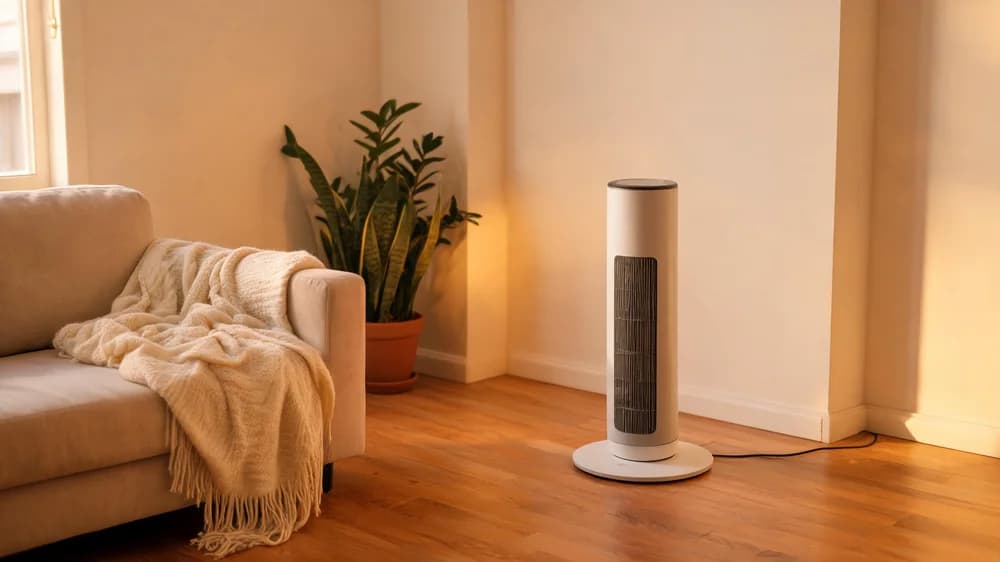
Renters face unique space heater fire risks. Advanced DRI shares practical tips for safe use in apartments, including what your lease may not allow.
Space heaters are a renter’s best friend during a cold snap — and one of the top causes of residential fires every winter. At Advanced DRI, we respond to apartment fires constantly between November and March, and the pattern is almost always the same: a portable heater placed too close to something flammable, left running unattended, or plugged into an overloaded outlet.
If you rent, the stakes are higher than for most homeowners. A fire in an apartment doesn’t just damage your unit — it can affect your neighbors, violate your lease, and wipe out your security deposit. This guide walks through safe space heater use for renters specifically.
Check Your Lease First
Before you even buy a space heater, read your lease. Many apartment leases prohibit certain heater types outright, specifically:
- Kerosene and propane heaters — almost always banned indoors
- Older radiant coil heaters without tip-over protection
- Any non-UL-listed electric heater
If you violate a lease clause and a fire happens, you may lose insurance coverage and face liability for damage to other units. Check before you plug in.
Buy the Right Heater
Not all space heaters are created equal. A $25 heater from a discount bin is categorically more dangerous than a $60 unit from a mainstream brand. Here’s what to look for:
Required Safety Features
- UL or ETL certification marked on the unit or packaging
- Tip-over shutoff — the heater automatically cuts power if knocked over
- Overheat protection — shuts off if internal temp gets too high
- Cool-touch housing — exterior stays safe to touch
- Automatic shutoff timer — turns off after a set duration
Preferred Heater Types for Apartments
- Ceramic heaters — fast, efficient, with built-in safety features on most modern units
- Oil-filled radiator heaters — slow to heat but very safe; surface stays warm, not scorching
- Micathermic panel heaters — thin, wall-mounted style, quiet and well-suited for bedrooms
Avoid
- Open-coil radiant heaters (especially older models)
- Anything without a tip-over switch
- Units missing the original plug or with modified cords
The 3-Foot Rule Is Non-Negotiable
Every major fire safety organization agrees on this: keep at least three feet of clearance around a space heater in every direction. That includes:
- Furniture — sofas, chairs, beds
- Curtains and drapes
- Clothing, blankets, and laundry
- Paper, books, magazines
- Pet beds and toys
- Christmas trees and decorations
“But it doesn’t feel that hot” is the phrase we hear from fire victims most often. Radiant heat builds up in nearby materials over time — fabrics that feel fine at first can smolder after 30 minutes of close exposure.
Plug It In Correctly
Always Directly Into the Wall
No extension cords. No power strips. No surge protectors. Space heaters draw 1,200–1,500 watts — more than most extension cords and power strips are rated for. An overloaded cord can heat up inside the insulation and start an electrical fire in the wall.
One Heater Per Outlet
Do not run two heaters on the same circuit. In many older apartments, the entire room may be on one 15-amp circuit, and two heaters will trip the breaker at best or overheat the wiring at worst.
Check the Outlet
If the outlet feels warm to the touch, the plug is loose, or the faceplate is discolored, do not use that outlet. Report it to your landlord. Older apartment wiring is sometimes not up to the load of a modern heater.
Never Leave It Running When You’re Not There
This is the second rule every fire victim wishes they had followed. Space heaters should be turned off when you leave the apartment and when you go to sleep. If you need heat while you sleep, use a unit with a timer that shuts off within an hour, and keep it well clear of the bed.
Renters Insurance: Get It If You Don’t Have It
Renters insurance is typically $12 to $25 per month and covers both your belongings and liability if you cause damage to other units. A space heater fire that spreads to your neighbor’s apartment can easily cost tens of thousands of dollars you would otherwise owe personally.
If your lease requires renters insurance, check that your policy specifically includes fire. Most do, but confirm.
What to Do If You Smell Smoke or See a Spark
- Unplug the heater immediately. Don’t turn it off first — yank the plug.
- If flames are visible, leave the apartment, close the door behind you, pull the fire alarm, and call 911 from a safe location.
- Never throw water on an electrical fire. Use a Class C or ABC fire extinguisher if available, or get out.
After a Fire: What Renters Need to Know
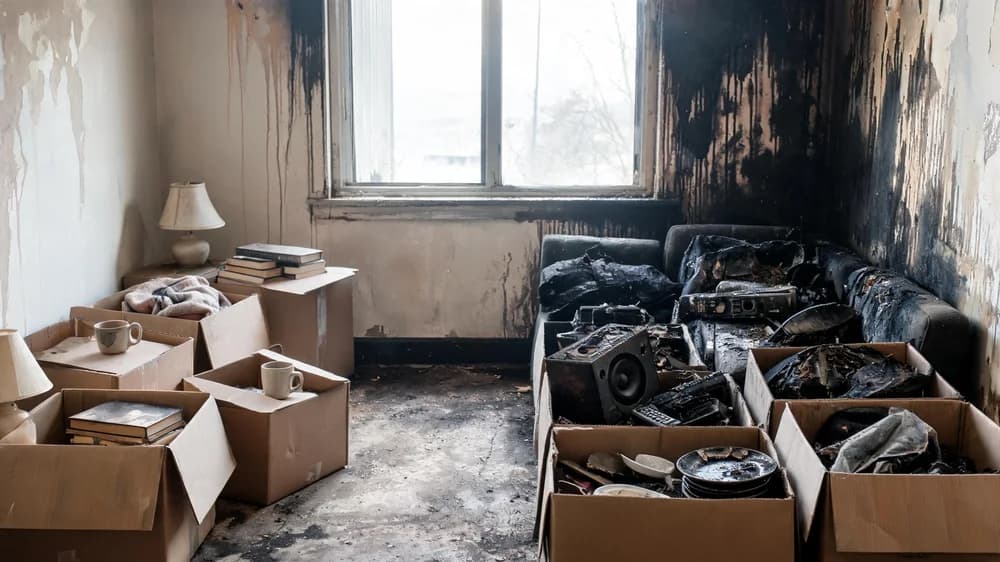
Even a small, contained space heater fire leaves behind smoke damage that travels far beyond the room. Soot deposits on walls, inside closets, on clothing, and in HVAC ducts. The smell is persistent and requires professional odor removal.
If your apartment has smoke damage, our fire and smoke damage restoration team can work directly with your landlord and your insurance carrier. We document everything, clean belongings you want to save, and restore the unit to pre-loss condition.
Ready for Help?
If you’ve had a space heater fire — even a small one — contact Advanced DRI today. Early response means less damage, faster return to your apartment, and a smoother insurance claim. We’re available 24/7 and understand the unique dynamics of renter claims and landlord coordination.
Frequently Asked Questions
Is it safe to sleep with a space heater on in my bedroom?
Only with a modern unit that has tip-over and overheat protection, plugged directly into the wall, set on a timer, and positioned at least three feet from the bed and any fabric. We strongly recommend an oil-filled radiator style for overnight use, as its exterior stays much cooler than ceramic models.
Can I run a space heater on an extension cord if it’s rated for 15 amps?
No. Even heavy-duty extension cords are not recommended by any major heater manufacturer. The risk is not just the cord’s ampacity but also the connection points, which can heat up under sustained load. Always plug directly into the wall.
Will my renters insurance pay for damage I caused with a space heater?
Most standard policies cover accidental fire damage to your own belongings and liability to other units. However, if the fire was caused by clear negligence — like using a prohibited heater type or leaving one unattended on flammable materials — the carrier may reduce or deny the claim. Read your policy closely.
Categories
Need Restoration Services?
Our team is available 24/7 for emergency response. Call us today for a free phone consultation.
Questions About Restoration?
Our experts are ready to help. Contact us for a free consultation.