Smoke Odor in Clothing and Textiles: Professional Restoration
Rob Temples manages emergency restoration operations for Advanced DRI's Fairfield, NJ and New York City service areas. With 10 years in the restoration industry and prior experience working for a general contractor, he integrates construction knowledge with mitigation expertise on every project and holds an IICRC Water Restoration Technician (WRT) certification.
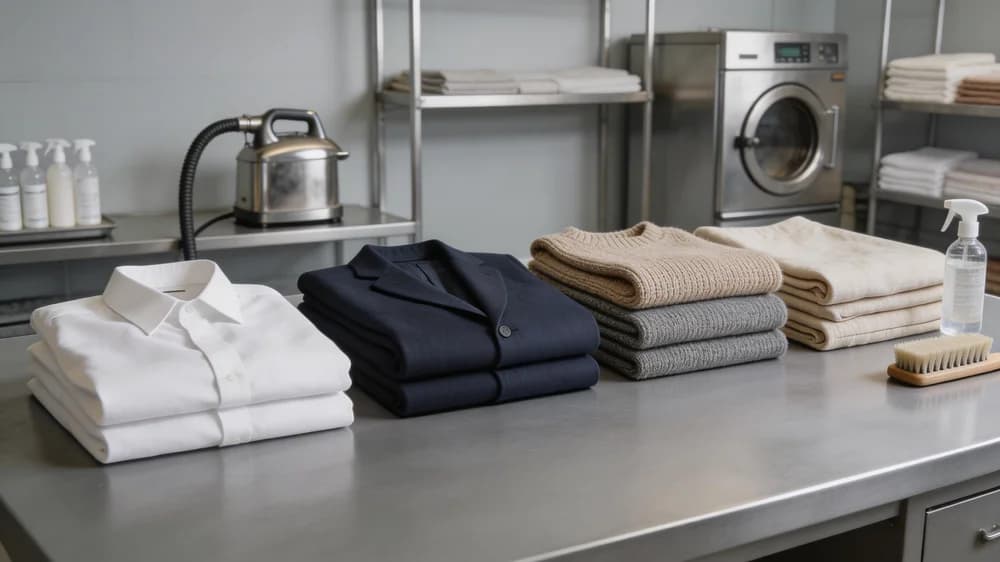
Professional methods for removing smoke odor from clothing, upholstery, and textiles after a fire. Advanced DRI explains what can be saved and how we restore it
Why Smoke Odor Clings to Textiles
After a fire, one of the most distressing discoveries for homeowners is that the smoke odor has permeated virtually every fabric in the home. Clothing in closets, bedding in drawers, upholstered furniture, curtains, area rugs, and even stuffed animals absorb smoke compounds that resist standard washing methods. At Advanced DRI, our contents restoration team specializes in salvaging textiles that many people assume are beyond saving.
Understanding why smoke odor bonds so aggressively to fabrics helps explain why professional restoration methods are necessary. Smoke is composed of microscopic particles, acidic gases, and volatile organic compounds. These components interact with textile fibers at a molecular level, embedding deep into the fabric structure rather than simply resting on the surface. Natural fibers like cotton, wool, and silk are particularly absorbent, but synthetic materials are also highly susceptible to permanent smoke odor retention.
The Problem With Home Washing Methods
Many homeowners attempt to remove smoke odor from clothing and textiles using standard home laundry methods. While well-intentioned, these efforts frequently fall short and can sometimes make the situation worse:
- Standard detergent limitations: Household detergents are designed to remove everyday soils, not combustion byproducts. They may remove surface soot but leave the deeper odor compounds intact.
- Heat setting: Running smoke-affected clothing through a hot dryer can permanently set both soot stains and odor compounds into the fabric. The heat causes chemical bonds between the smoke residue and textile fibers that become nearly impossible to break.
- Cross-contamination: Washing smoke-damaged items with unaffected clothing can transfer odor and soot to previously clean items. Similarly, using a home washing machine for heavily contaminated textiles can leave residue in the machine that affects future loads.
- Fabric damage: Aggressive home cleaning attempts using bleach, strong solvents, or excessive scrubbing can damage delicate fabrics that would otherwise be salvageable through professional methods.
Types of Smoke Residue on Textiles
The type of fire determines the composition of smoke residue, which in turn dictates the restoration approach. Our technicians identify the residue type before selecting a cleaning method:
Protein Residue
Produced by kitchen fires involving food and grease. This residue is yellowish, has a pungent odor, and is extremely difficult to remove from fabrics. It requires enzyme-based cleaning agents and specific temperature protocols.
Synthetic Residue
Generated when plastics, nylon, and other synthetic materials burn. This produces a sticky, black soot that smears easily and bonds strongly to fibers. It often requires solvent-based pre-treatment before wet cleaning.
Natural Substance Residue
From the combustion of wood, paper, and natural fibers. This is generally the easiest smoke residue to remove from textiles, though it still requires professional methods for complete odor elimination.
Fuel Oil and Petroleum Residue
The most challenging type, produced when petroleum products are involved in the fire. This creates thick, oily soot with an extremely persistent chemical odor that demands specialized solvent treatments.
Professional Textile Restoration Methods
At Advanced DRI, we employ a range of professional cleaning technologies tailored to the specific fabric type, smoke residue, and level of contamination:
Ozone Treatment
Ozone generators produce activated oxygen molecules that break down odor-causing compounds at the molecular level. Garments and textiles are placed in a sealed chamber where ozone penetrates the fibers and neutralizes embedded smoke compounds. This method is particularly effective for items that cannot be wet cleaned, such as leather goods, structured garments, and delicate fabrics.
Ultrasonic Cleaning
Ultrasonic cleaning uses high-frequency sound waves to create microscopic cavitation bubbles in a cleaning solution. These bubbles implode on contact with fabric surfaces, dislodging soot and smoke particles from deep within the fiber structure without mechanical agitation that could damage delicate textiles. This method is highly effective for fine fabrics, wedding dresses, formal wear, and heirloom textiles.
Hydroxyl Generator Treatment
Unlike ozone, hydroxyl generators produce hydroxyl radicals that are safe to use in occupied spaces. These radicals react with and neutralize odor molecules in the air and on fabric surfaces. We use this technology for large-volume textile restoration and in situations where ozone treatment is not suitable.
Professional Wet Cleaning
Our wet cleaning process uses computer-controlled washing systems that precisely regulate water temperature, mechanical action, and cleaning agent concentration based on the fabric type and contamination level. This provides thorough cleaning without the shrinkage, color loss, or fiber damage that can occur with standard washing.
Dry Cleaning With Specialized Solvents
For garments labeled dry clean only, we use specialized solvents that dissolve smoke residue without affecting fabric structure or dyes. Standard dry cleaning solvents may not be formulated for smoke residue, so we use fire restoration-specific formulations.
Thermal Fogging
After cleaning, thermal fogging applies a deodorizing agent as an ultra-fine mist that penetrates fabric fibers in the same way smoke did. This counteracts any residual odor compounds and provides a final layer of odor neutralization.
What Can and Cannot Be Saved
Our team evaluates every textile item for salvageability before beginning restoration. Several factors determine whether an item can be restored:
- Salvageable: Most cotton, polyester, wool, and blended clothing. Bedding, curtains, towels, and most upholstery fabrics. Items with smoke odor but no direct heat or soot damage.
- Potentially salvageable: Leather goods, suede, delicate silks, and heavily contaminated items. Success depends on the severity and type of smoke exposure.
- Typically not salvageable: Items directly exposed to flames, melted synthetic fabrics, items saturated with fire suppression chemicals, and heavily charred textiles.
We provide honest assessments and only proceed with restoration when we believe the outcome will meet your expectations. Items deemed beyond restoration are documented for insurance purposes.
The Pack-Out and Inventory Process
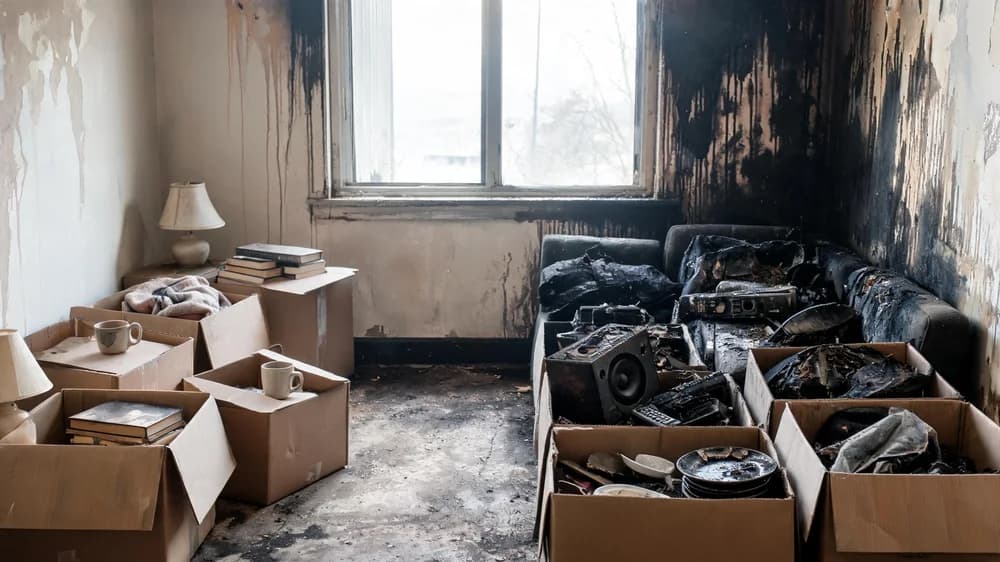
For properties with extensive smoke damage, Advanced DRI performs a complete pack-out of textile items. We carefully inventory every garment and textile, photograph items for insurance documentation, and transport them to our climate-controlled restoration facility. Each item is tracked through our inventory system, cleaned using the appropriate method, and returned to you once restoration is complete.
This process allows us to remove textiles from the contaminated environment quickly, preventing further odor absorption while on-site fire damage restoration work is underway.
Act Quickly to Save Your Belongings
The sooner smoke-affected textiles receive professional treatment, the higher the success rate. Smoke compounds continue to bond with fabric fibers over time, and acidic residues can cause permanent discoloration if left untreated. If your home has experienced a fire, contact Advanced DRI promptly to begin the textile restoration process and maximize the number of items we can save.
Frequently Asked Questions
Can smoke odor be completely removed from clothing?
In most cases, yes. Professional restoration methods can eliminate smoke odor from the vast majority of clothing and textiles. Success rates are highest when treatment begins within the first few days after exposure. Items with prolonged smoke exposure or those subjected to unsuccessful home cleaning attempts may be more challenging but are still often restorable.
How long does professional textile smoke restoration take?
The timeline varies based on the volume of items and severity of contamination. A typical residential pack-out with professional cleaning takes one to three weeks. Items requiring multiple treatment cycles or specialized attention may take longer. Advanced DRI keeps you informed throughout the process and returns items as they are completed.
Is it worth restoring smoke-damaged clothing versus replacing it?
For everyday clothing, replacement may sometimes be more cost-effective. However, professional restoration is typically far less expensive than replacing an entire wardrobe, and it is invaluable for items with sentimental value, designer pieces, or specialty garments. We provide itemized cost estimates so you can make informed decisions about each piece.
Should I wash any clothes myself before the restoration team arrives?
No. Do not attempt to wash, dry clean, or treat smoke-damaged clothing yourself. Home washing can set stains and odors permanently, and using a dryer on smoke-affected items almost always causes irreversible damage. Leave items undisturbed until our team can properly assess and treat them.
Categories
Need Restoration Services?
Our team is available 24/7 for emergency response. Call us today for a free phone consultation.

Questions About Restoration?
Our experts are ready to help. Contact us for a free consultation.