
Tyler McClelland leads mitigation operations for Advanced DRI across New York's Hudson Valley, directing water, mold, and large-loss response in the field. He holds IICRC Water Restoration Technician (WRT) and Applied Microbial Remediation Technician (AMRT) certifications and a New York State Mold Supervisor certification, and is trained in IRCA hospital safe construction practices recognized by The Joint Commission.
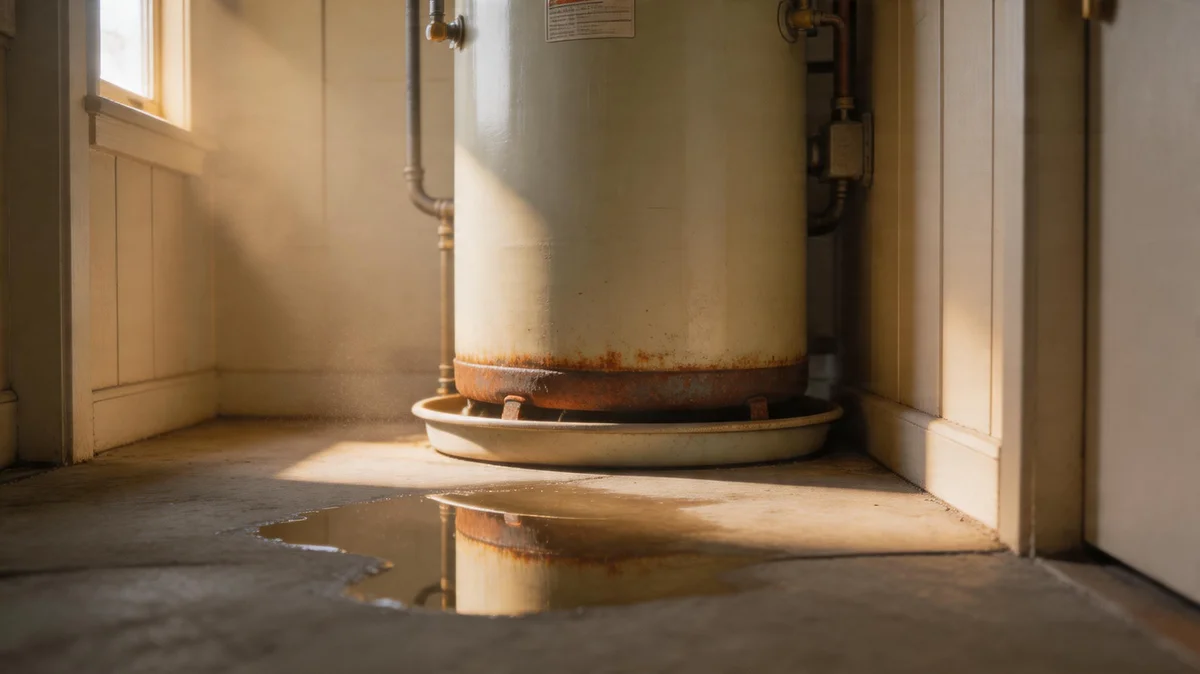
Learn the warning signs of water heater failure before it floods your home. Advanced DRI shares practical tips to spot trouble early and prevent costly damage.
A failing water heater rarely dies quietly. In most of the water damage jobs our team responds to, homeowners tell us they noticed something weeks before the tank actually let go — a weird noise, a rust-colored stain, a utility bill that crept up for no reason. At Advanced DRI, we think the most useful thing we can share is how to recognize those warning signs early, while you still have time to replace the unit on your schedule instead of on an emergency plumber’s.
Water heaters typically last 8 to 12 years. Once you cross that threshold, the odds of a failure climb sharply every year. Knowing what to look for can be the difference between a routine weekend replacement and a flooded basement that needs professional water damage restoration.
Why Water Heaters Fail
Inside every tank-style water heater, sediment and minerals slowly build up on the bottom. That sediment acts like an insulating blanket between the burner (or heating element) and the water above it, forcing the tank to work harder. Over time, the steel lining corrodes from the inside out. By the time you see a leak on the outside, the tank is usually already beyond repair.
The sacrificial anode rod — a metal rod installed to corrode in place of the tank — is the single biggest factor in lifespan. Once it’s gone, the tank itself becomes the sacrifice.
The 7 Warning Signs We See Most Often
1. Rumbling or Popping Noises
That low rumble or popping sound when the heater runs is sediment boiling at the bottom of the tank. It’s not dangerous on its own, but it means your heater is overworked and the interior is stressed. A flush may extend life, but if the unit is over 8 years old, start budgeting for a replacement.
2. Rusty or Discolored Hot Water
Turn on a hot tap after the water has been sitting overnight. If it runs tinted brown, orange, or yellow — and the cold side runs clear — the corrosion is inside the tank. This is often the final warning before a leak.
3. Water Pooling Around the Base
Any moisture in the drip pan is a red flag. Sometimes it’s a loose drain valve or a dripping T&P relief valve (both fixable). But a steady puddle that returns after you wipe it dry usually means the tank has cracked. Once the inner lining fails, there is no patch — the heater must be replaced.
4. A Sudden Drop in Hot Water Supply
If your normal morning shower now runs cold in half the time, heavy sediment is eating into your usable tank volume. A 40-gallon heater with four inches of sludge at the bottom is really a 30-gallon heater.
5. Higher Energy Bills Without a Lifestyle Change
A tank that has to fight through sediment and corroded components uses more gas or electricity to hit the same temperature. If your bill keeps climbing and nothing else changed in your household, your heater may be the culprit.
6. The T&P Valve Trips Repeatedly
The temperature-and-pressure relief valve is a safety feature that opens when pressure gets too high. If it trips more than once or twice a year, something is wrong — either the valve itself, the thermostat, or an overheating tank.
7. The Unit Is Simply Old
Find the serial number on the manufacturer’s sticker. The first four digits usually contain the month and year of manufacture. If your heater is 10+ years old and sitting above finished flooring, it’s living on borrowed time.
What to Do If You Spot These Signs
- Move stored items off the floor within six feet of the unit. Cardboard boxes and upholstered furniture are the first casualties of a sudden failure.
- Install a drip pan and leak alarm. A $20 battery-powered water sensor on the floor next to the tank will scream before a small drip becomes a flood.
- Know where your water shutoff is. There should be a valve above the heater and a main shutoff for the whole house. Label both.
- Get a quote before you’re desperate. Emergency replacements cost significantly more than planned ones.
When the Worst Happens
Even with perfect attention, tanks can let go suddenly — especially in unfinished basements during a vacation. A standard 50-gallon water heater holds enough water to soak drywall, carpet pad, and subfloor across an entire basement in a few hours. If that happens, time matters: mold can begin colonizing wet materials in as little as 24 to 48 hours.
Our team is available 24/7 for emergency water extraction and drying. We’ll pull standing water, set professional air movers and dehumidifiers, and document everything for your insurance carrier. If the damage reached walls or flooring, we can handle mold remediation before it becomes a second, bigger problem.
Ready to Protect Your Home?
If you’ve noticed any of the warning signs above — or if you just want a professional set of eyes on your setup before the next big leak — contact Advanced DRI today. We serve homeowners across the region and can walk you through what to check, what to document, and when it’s time to call a plumber.
Frequently Asked Questions
How long does a typical water heater last?
Tank-style water heaters usually last 8 to 12 years. Tankless models often last 15 to 20 years. Water hardness, usage volume, and whether the anode rod has been replaced all affect lifespan significantly.
Can I flush my water heater myself to extend its life?
Yes, and it’s one of the best habits a homeowner can build. Once a year, shut off power or gas, connect a hose to the drain valve, and flush until the water runs clear. If your tank hasn’t been flushed in many years, though, flushing a heavily corroded unit can sometimes trigger a leak — in that case, replacement is the safer call.
Does homeowners insurance cover water heater leaks?
Most policies cover the water damage caused by a sudden leak, but not the cost of replacing the water heater itself. Documentation matters: photos, the manufacture date, and a professional moisture assessment from a certified restoration company all help support your claim.
Categories
Need Restoration Services?
Our team is available 24/7 for emergency response. Call us today for a free phone consultation.

Questions About Restoration?
Our experts are ready to help. Contact us for a free consultation.