Residential Mold Remediation: Complete Homeowner's Guide
Elsa Boyer is a Regional Operations Manager for Advanced Disaster Recovery, based in Harrisburg, Pennsylvania, overseeing commercial and healthcare restoration projects. She holds a Bachelor of Arts from Valparaiso University and a deep certification portfolio, including ICRA Certified Healthcare Remediator Supervisor and multiple IICRC designations across commercial drying, structural drying, water, and fire & smoke restoration.

Expert residential mold remediation guide covering detection, health risks, removal process, and prevention. Learn when to call professionas.
Understanding Mold Growth in Homes
Residential mold remediation starts with understanding what causes mold and why it thrives in certain conditions. Mold is a type of fungus that reproduces through microscopic spores floating through indoor and outdoor air. When these spores land on damp surfaces, they begin to grow and multiply rapidly.
What Mold Needs to Survive
Mold requires four basic elements to grow in your home:
- Moisture – The most critical factor, whether from leaks, humidity, or water damage
- Organic material – Food sources like wood, drywall, carpet, or fabric
- Oxygen – Present in virtually all indoor environments
- Temperature – Most molds thrive between 60-80°F, typical indoor temperatures
Since you can't eliminate oxygen or maintain uncomfortable temperatures, effective moisture control becomes the cornerstone of mold prevention and remediation.
Common Causes of Mold in Residential Properties
Understanding where mold comes from helps you prevent future growth. The most frequent causes include:
- Roof leaks allowing rainwater infiltration
- Plumbing failures in walls, ceilings, or under sinks
- Basement flooding or foundation seepage
- HVAC condensation and ductwork issues
- Poor ventilation in bathrooms and kitchens
- Window condensation from temperature differences
- Appliance leaks from washing machines, dishwashers, or water heaters
- High indoor humidity levels above 60%
⚠️ Warning: Mold can begin growing within 24-48 hours after water exposure, making rapid response essential for preventing extensive mold damage restoration needs.
Types of Mold Found in Homes
Not all mold presents the same level of concern, though any significant growth warrants professional attention. Recognizing different types helps you understand the urgency of your situation.
| Mold Type | Appearance | Common Locations | Health Concern Level |
|---|---|---|---|
| Aspergillus | Various colors including green, yellow, brown | Dust, HVAC systems, walls | Moderate - can trigger allergies |
| Cladosporium | Olive-green to brown or black | Fabrics, wood surfaces, carpets | Low to Moderate - respiratory irritant |
| Penicillium | Blue or green with velvety texture | Water-damaged materials, carpets | Moderate - allergenic properties |
| Stachybotrys (Black Mold) | Dark greenish-black, slimy texture | Constantly damp areas, severe water damage | High - produces mycotoxins |
| Alternaria | Dark brown or black with fuzzy appearance | Showers, bathtubs, below leaking sinks | Moderate - common allergen |
Professional mold remediation service providers can identify specific mold types through testing, though the remediation process remains similar regardless of species. The presence of any mold growth exceeding 10 square feet typically requires professional intervention.
Health Risks Associated with Mold Exposure
Mold exposure affects people differently based on sensitivity levels, exposure duration, and mold concentration. Understanding these health risks emphasizes why timely home mold removal matters for your family's wellbeing.
Common Symptoms of Mold Exposure
Most people experience allergic reactions when exposed to mold spores:
- Nasal congestion and runny nose
- Sneezing and coughing
- Throat irritation
- Eye irritation, redness, or watering
- Skin rashes or irritation
- Wheezing or difficulty breathing
- Headaches and fatigue
High-Risk Groups
Certain individuals face increased vulnerability to mold-related health problems:
- Infants and children – Developing respiratory systems are more susceptible
- Elderly individuals – Weakened immune systems provide less defense
- Pregnant women – Heightened sensitivity during pregnancy
- Asthma sufferers – Mold can trigger severe asthma attacks
- Immunocompromised individuals – Chemotherapy patients, HIV/AIDS patients, organ transplant recipients
- People with chronic lung disease – COPD or other respiratory conditions
🏠 Home Tip: If family members experience persistent respiratory symptoms that improve when away from home, mold exposure may be the culprit. Consider professional mold testing and remediation.
Detecting Mold in Your Home
Early detection enables faster intervention and less extensive mold damage restoration. Homeowners should remain vigilant for both visible signs and subtle indicators of mold growth.
Visual Indicators
Mold often announces its presence through visible growth patterns:
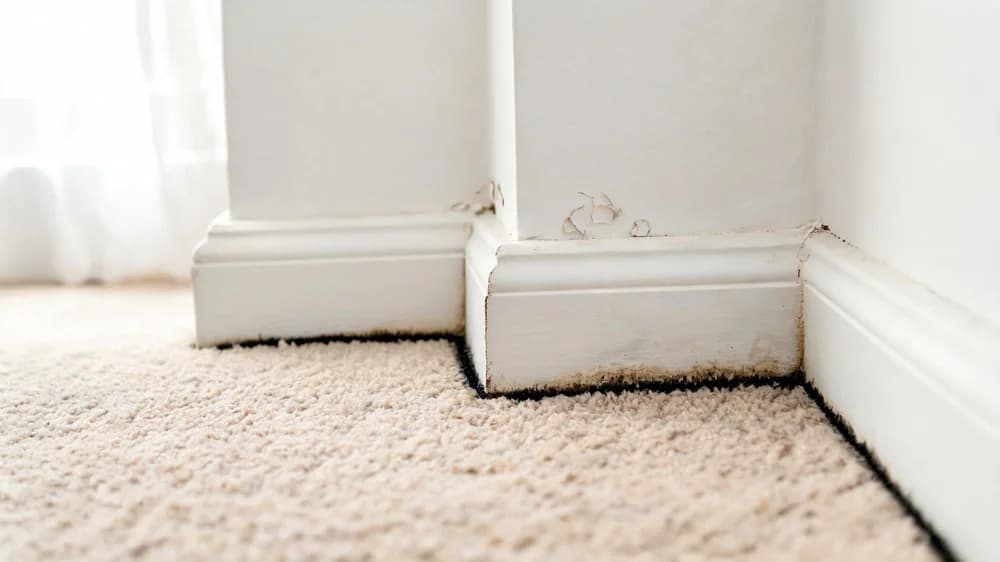
- Discoloration on walls, ceilings, or floors
- Fuzzy, slimy, or powdery growth patches
- Peeling or bubbling paint and wallpaper
- Warped or stained surfaces
- Dark spots or streaks in corners and along seams
Smell Detection
A persistent musty, earthy odor often indicates hidden mold growth behind walls, under flooring, or in ventilation systems. This distinctive smell comes from microbial volatile organic compounds (MVOCs) released during mold metabolism. If you smell mold but can't see it, professional inspection becomes essential.
Common Hidden Mold Locations
Mold frequently grows in areas beyond immediate view:
- Behind drywall and wallpaper
- Under carpeting and padding
- Inside wall cavities around plumbing
- Above ceiling tiles
- Inside HVAC systems and ductwork
- Under sinks and around toilets
- In crawl spaces and attics
- Behind refrigerators and washing machines
Professional residential mold remediation specialists use moisture meters, thermal imaging cameras, and borescopes to detect hidden growth without destructive investigation.
DIY Mold Removal vs. Professional Service
Determining whether to tackle mold yourself or hire professionals depends on several critical factors. Making the right choice protects both your health and your investment in your home.
When DIY Mold Cleaning Is Appropriate
Homeowners can safely address small mold problems meeting all these criteria:
- Affected area measures less than 10 square feet
- Mold grows on non-porous surfaces (tile, glass, metal)
- No structural materials are affected
- The water source has been identified and stopped
- No one in the household has respiratory issues or compromised immunity
- Mold resulted from minor condensation or small spills
For small areas, clean with detergent and water, dry thoroughly, and monitor for regrowth. Never mix cleaning products, and always wear protective gloves and N95 respirator masks.
When Professional Mold Remediation Service Is Necessary
Professional mold remediation service becomes essential in these scenarios:
- Mold coverage exceeds 10 square feet
- Mold grows on porous materials like drywall, insulation, or carpet
- Mold appears after sewage backup or flooding
- HVAC systems show mold contamination
- Extensive water damage has occurred
- Mold returns after cleaning attempts
- Strong musty odors persist without visible mold
- Household members experience health symptoms
- Multiple rooms show mold growth
- Structural materials require removal
💡 Pro Tip: Insurance coverage for mold damage restoration often requires professional documentation and remediation. DIY approaches may void coverage or reduce settlement amounts.
The Professional Residential Mold Remediation Process
Understanding what happens during professional home mold removal helps you know what to expect and how to prepare. Reputable companies follow established industry protocols ensuring thorough, safe remediation.
Step 1: Initial Assessment and Inspection
Professional remediation begins with comprehensive property evaluation. Certified technicians conduct visual inspections, use moisture detection equipment, and may perform air quality testing to determine mold extent and type. This assessment identifies the moisture source, maps affected areas, and develops a remediation scope. Documentation during this phase includes photographs, moisture readings, and detailed notes supporting both the remediation plan and potential insurance claims.
Step 2: Containment and Air Filtration
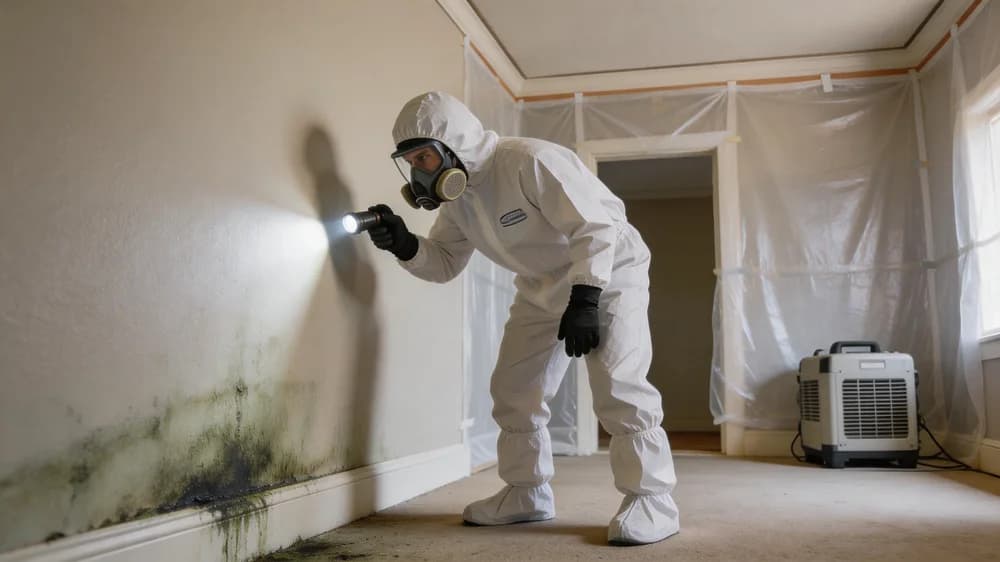
Preventing mold spore spread throughout your home ranks as the highest priority once remediation begins. Professionals establish containment using:
- Physical barriers with plastic sheeting sealed to floors, walls, and ceilings
- Negative air pressure systems pulling air into containment zones
- HEPA air filtration devices capturing airborne spores
- Sealed doorways with entry/exit protocols
This controlled environment prevents cross-contamination to unaffected areas while work progresses in contaminated zones.
Step 3: Source Moisture Elimination
Successful residential mold remediation requires addressing the underlying moisture problem. Whether repairing leaks, improving ventilation, or implementing drainage solutions, eliminating moisture prevents immediate regrowth after remediation. Technicians use industrial dehumidifiers and air movers to dry affected materials thoroughly, often monitoring moisture levels over several days to ensure complete drying.
Step 4: Mold Removal and Cleaning
Remediation approaches vary based on material type: Non-porous materials (metal, glass, hard plastics) undergo cleaning with antimicrobial solutions and HEPA vacuuming to remove surface mold. Semi-porous materials (wood, concrete) receive more aggressive treatment including wire brushing, sanding, or chemical treatments depending on contamination depth. Porous materials (drywall, insulation, carpet, ceiling tiles) typically require removal and disposal when mold growth is significant, as spores penetrate deep into fibers and cannot be adequately cleaned. All contaminated materials are bagged in thick plastic before removal from containment zones, preventing spore dispersal during disposal.
Step 5: Cleaning and Sanitizing
After removing contaminated materials, all surfaces in affected areas undergo thorough cleaning:
- HEPA vacuuming of all surfaces including walls, floors, and ceilings
- Antimicrobial treatment application to prevent regrowth
- Cleaning of contents and belongings in affected areas
- HVAC system cleaning if contamination occurred
Professional mold remediation service teams clean personal belongings when possible, though heavily contaminated items may require disposal.
Step 6: Restoration and Reconstruction
The final phase returns your home to pre-damage condition. Depending on removal extent, restoration may include:
- Installing new drywall and insulation
- Replacing flooring and carpet
- Painting and finishing work
- Reinstalling trim and fixtures
- Cabinet and cabinetry replacement if necessary
Many mold damage restoration companies provide complete reconstruction services, streamlining the process from remediation through final repairs.
Step 7: Post-Remediation Verification
Responsible professionals verify successful remediation through:
- Visual inspection confirming no visible mold remains
- Clearance air quality testing showing normal spore levels
- Moisture readings confirming dry conditions
- Documentation for insurance and future reference
This verification provides confidence that your home is safe for occupancy and that remediation achieved its goals.
Mold Remediation Timeline
Project duration for residential mold remediation varies significantly based on contamination extent and complexity. Understanding typical timelines helps you plan accordingly.
| Project Scope | Typical Duration | Key Variables |
|---|---|---|
| Small area (under 10 sq ft) | 1-2 days | Surface type, accessibility |
| Single room contamination | 3-5 days | Material removal extent, drying time |
| Multiple room contamination | 1-2 weeks | Number of affected rooms, structural damage |
| Whole home remediation | 2-4 weeks | Home size, contamination severity |
| HVAC system involvement | Add 2-3 days | System complexity, duct extent |
| Major reconstruction needs | Add 1-3 weeks | Materials required, permit requirements |
Drying time often determines project length. Materials must reach appropriate moisture levels before reconstruction begins, preventing future mold growth in newly restored areas.
Choosing a Qualified Mold Remediation Company
Selecting the right professionals for home mold removal significantly impacts both results and your overall experience. Several key factors separate qualified companies from less capable alternatives.
Essential Qualifications and Credentials
Reputable mold remediation companies demonstrate their expertise through:
- Proper licensing and insurance coverage including liability and workers' compensation
- Professional certifications in mold remediation and water damage restoration
- Years of established business history in your area
- Trained technicians with ongoing education
- Industry association memberships
Questions to Ask Potential Contractors
Before hiring any mold remediation service, ask these critical questions:
- What specific certifications do your technicians hold?
- Will you provide a detailed written estimate and scope of work?
- What containment procedures do you use to prevent cross-contamination?
- Do you conduct post-remediation testing to verify success?
- What warranties or guarantees do you offer on your work?
- Can you provide references from recent similar projects?
- How do you handle insurance claim documentation?
- What is your typical timeline for a project of my scope?
Warning Signs of Unqualified Contractors
Avoid companies exhibiting these red flags:
- Reluctance to provide proof of insurance and licensing
- Pressure to make immediate decisions without written estimates
- Guarantees to eliminate all mold (impossible to guarantee)
- Significantly lower prices than competitors without explanation
- Unwillingness to explain their process in detail
- No references or verifiable past work
- Suggesting unnecessary treatments or scare tactics
💡 Pro Tip: Companies offering both mold testing and remediation create potential conflicts of interest. Consider independent testing for objectivity, especially for insurance claims.
Insurance Coverage for Mold Damage
Understanding insurance coverage for mold damage restoration prevents unexpected financial burden and ensures you maximize available benefits.
Standard Homeowners Insurance and Mold
Most homeowners policies provide limited mold coverage with important restrictions:
- Coverage typically applies only when mold results from a covered peril (sudden pipe burst, not gradual leaks)
- Many policies cap mold coverage at low limits unless additional coverage is purchased
- Policies exclude mold from maintenance issues, flooding, or long-term moisture problems
- Prevention and maintenance remain homeowner responsibility
Documenting for Insurance Claims
Proper documentation significantly improves claim success:
- Photograph all visible mold and water damage before remediation
- Document the moisture source and when you discovered it
- Keep records of all professional inspections and estimates
- Save receipts for emergency mitigation measures
- Maintain communication logs with your insurance company
- Request written documentation from remediation contractors
Professional restoration companies experienced with insurance work can assist with documentation and direct billing arrangements, streamlining the claims process.
When to Involve Your Insurance Company
Contact your insurance carrier immediately when:
- Mold results from sudden water damage like pipe bursts or appliance failures
- Extensive remediation and reconstruction will be necessary
- You've discovered significant hidden mold requiring investigation
- The moisture source qualifies as a covered peril under your policy
For minor mold from condensation or maintenance issues, paying out-of-pocket may be more cost-effective than filing claims that could affect future premiums.
Preventing Mold Growth After Remediation
Successful residential mold remediation solves your immediate problem, but long-term prevention requires ongoing attention to moisture control and home maintenance.
Controlling Indoor Humidity
Maintaining indoor relative humidity below 60% (ideally 30-50%) prevents conditions favoring mold growth:
- Use bathroom exhaust fans during and after showers for at least 20 minutes
- Run kitchen exhaust fans while cooking
- Employ dehumidifiers in damp basements or during humid seasons
- Ensure clothes dryers vent outside, not into attics or crawl spaces
- Open windows when weather permits for natural ventilation
- Consider whole-house dehumidification systems in chronically damp climates
🏠 Home Tip: Purchase an inexpensive hygrometer to monitor indoor humidity levels. These devices provide early warning when conditions become favorable for mold growth.
Proper Ventilation Strategies
Adequate air circulation prevents moisture accumulation in vulnerable areas:
- Keep interior doors open to promote airflow between rooms
- Leave space between furniture and exterior walls
- Don't over-pack closets, allowing air circulation around stored items
- Ensure attic and crawl space ventilation meets building code requirements
- Clean and maintain HVAC systems regularly
- Consider installing fresh air intake systems in tightly sealed modern homes
Regular Maintenance Tasks
Proactive maintenance catches problems before they escalate:
- Inspect plumbing under sinks, around toilets, and near appliances quarterly
- Check roof condition and repair damaged shingles promptly
- Clean gutters and downspouts ensuring water diverts away from foundations
- Inspect window and door seals for water infiltration
- Monitor basement and crawl space conditions for dampness
- Service HVAC systems annually including condensate drain cleaning
- Test sump pumps before rainy seasons
- Inspect washing machine hoses and replace every 3-5 years
Immediate Response to Water Events
Quick action after water exposure prevents mold establishment:
- Address leaks and spills within 24-48 hours
- Extract standing water immediately using wet vacuums or pumps
- Remove wet materials that can't be dried quickly (carpet padding, insulation)
- Increase air circulation with fans
- Reduce humidity with dehumidifiers
- Contact professional water damage restoration services for significant events
⚠️ Warning: Never seal or encapsulate wet materials hoping they'll dry on their own. Trapped moisture creates perfect conditions for hidden mold growth requiring eventual remediation.
Seasonal Prevention Strategies
Different seasons present unique challenges requiring adapted prevention approaches: Winter: Monitor for ice dam formation, maintain indoor humidity during heating season, prevent pipe freezing Spring: Inspect for winter damage, clean gutters, check basement for groundwater seepage from snowmelt Summer: Control humidity in air-conditioned homes, ensure AC condensate drains properly, monitor basement humidity Fall: Prepare gutters and drainage systems for rain, inspect and repair roof before winter, service heating systems
Special Mold Situations
Certain scenarios require specialized approaches to mold damage restoration beyond standard remediation protocols.
Mold in HVAC Systems
HVAC contamination spreads mold spores throughout your entire home every time the system runs. Signs include musty odors when the system operates, visible growth around vents, or increased allergy symptoms when heating or cooling runs. Professional remediation of HVAC systems involves:
- Complete ductwork inspection using cameras
- Specialized duct cleaning with HEPA filtration
- Antimicrobial treatment of duct interiors
- Air handler and coil cleaning
- Drain pan and condensate line treatment
- Filter replacement with high-efficiency options
Never attempt DIY HVAC mold remediation, as improper cleaning can worsen contamination spread.
Crawl Space and Attic Mold
These difficult-to-access areas frequently develop mold from roof leaks, poor ventilation, or ground moisture. Professional home mold removal in these spaces requires specialized equipment and safety measures. Remediation often includes:
- Improving ventilation with additional vents or powered ventilators
- Installing vapor barriers over exposed soil in crawl spaces
- Repairing roof leaks and improving attic insulation
- Removing contaminated insulation
- Treating structural wood with antimicrobial solutions
Mold After Flooding
Flood-related mold presents unique challenges due to contamination extent and potential sewage involvement. Flooding requires aggressive response:
- All porous materials contacted by floodwater typically require removal
- Structural drying must occur within 24-48 hours to prevent mold
- Professional assessment is essential due to contamination risks
- Insurance coverage varies significantly based on flood type and policy
Standard homeowners insurance excludes flood damage, requiring separate flood insurance for coverage of flood-related mold remediation.
Regional Considerations for Mold Prevention
Geographic location significantly influences mold risk and prevention strategies. Homeowners benefit from understanding region-specific challenges.
High Humidity Climates
Coastal and southeastern regions face elevated mold risk from persistent high humidity. Prevention requires:
- Year-round dehumidifier operation
- Mold-resistant building materials in new construction
- Enhanced ventilation systems
- More frequent HVAC maintenance
- Careful monitoring of indoor humidity levels
Cold Climate Challenges
Northern regions encounter mold risks from:
- Ice dam formation causing roof leaks
- Condensation from temperature differentials
- Basement moisture from snowmelt
- Reduced ventilation during heating season
Winter humidity control and proper insulation prevent many cold-climate mold issues.
Flood-Prone Areas
Properties in flood zones require elevated prevention measures:
- Installing sump pumps with battery backup
- Elevating critical systems above flood levels
- Using flood-resistant materials in basements
- Maintaining flood insurance coverage
- Developing emergency response plans
Health Monitoring After Remediation
Following residential mold remediation, monitoring household health helps verify successful remediation and safe living conditions.
Expected Timeline for Symptom Resolution
Most mold-related symptoms should improve within:
- 2-4 weeks for minor respiratory symptoms
- 4-8 weeks for more persistent issues
- 3 months for complete resolution in most cases
Symptoms persisting beyond these timeframes may indicate incomplete remediation or unrelated health conditions requiring medical evaluation.
When to Seek Medical Attention
Consult healthcare providers if experiencing:
- Severe or worsening respiratory symptoms
- Persistent fever or signs of infection
- Symptoms that don't improve after remediation
- New symptoms developing after remediation
Medical professionals can determine whether symptoms relate to residual mold exposure or other health conditions.
Frequently Asked Questions About Residential Mold Remediation
How much does professional mold remediation typically involve?
+Can I stay in my home during mold remediation?
+How long does mold take to grow after water damage?
+Is black mold more dangerous than other types?
+Will bleach kill mold permanently?
+Do I need mold testing before remediation?
+How do I know if remediation was successful?
+Can mold grow back after professional remediation?
+Take Action on Mold Problems Today
Mold in your home demands prompt, effective response to protect both your property investment and your family's health. While small surface mold on non-porous materials may be appropriate for DIY cleaning, any significant growth, porous material contamination, or recurring mold requires professional expertise. Professional residential mold remediation provides comprehensive solutions addressing both visible growth and underlying moisture problems, preventing the cycle of temporary fixes and recurring contamination that frustrates many homeowners. Qualified remediation specialists bring specialized equipment, proven protocols, and experience handling diverse mold situations from minor bathroom mold to extensive whole-home contamination. Don't let mold damage escalate while you weigh options. Every day of delay allows further spread, increased health exposure, and more extensive property damage requiring costlier remediation. Whether you're dealing with recent water damage, discovered hidden mold, or facing persistent musty odors without obvious sources, professional assessment provides clarity on your situation and options. Advanced Disaster Recovery Inc. serves Northern New Jersey, Pennsylvania, and New York with comprehensive mold remediation services backed by certified technicians, advanced equipment, and proven restoration protocols. Our team handles everything from initial assessment through final verification testing, working directly with insurance carriers to streamline your claims process. Mold problems won't improve on their own—they only worsen with time. Contact Advanced DRI today for professional evaluation of your mold concerns and a detailed remediation plan tailored to your specific situation. Protect your home and your health with expert mold remediation service you can trust.
Categories
Need Restoration Services?
Our team is available 24/7 for emergency response. Call us today for a free phone consultation.
Questions About Restoration?
Our experts are ready to help. Contact us for a free consultation.