Tyler McClelland leads mitigation operations for Advanced DRI across New York's Hudson Valley, directing water, mold, and large-loss response in the field. He holds IICRC Water Restoration Technician (WRT) and Applied Microbial Remediation Technician (AMRT) certifications and a New York State Mold Supervisor certification, and is trained in IRCA hospital safe construction practices recognized by The Joint Commission.
Leaving home for vacation? Advanced DRI shares essential steps to prevent water damage while you're away, from shutoff valves to smart monitoring systems.
Why Vacations Are a Peak Period for Water Damage
At Advanced DRI, some of the most devastating water damage restoration projects we handle begin while the homeowner is away on vacation. The damage itself is often caused by a relatively minor event, a slow leak from a supply line, a failed washing machine hose, a frozen pipe, but the absence of anyone to detect and respond transforms a manageable situation into a catastrophic loss.
A single supply line leak releasing just one gallon per hour will deposit over 300 gallons of water in your home during a two-week vacation. That volume of water can destroy flooring, saturate subfloors and wall cavities, ruin furniture and personal belongings, and create conditions for extensive mold growth throughout the affected areas.
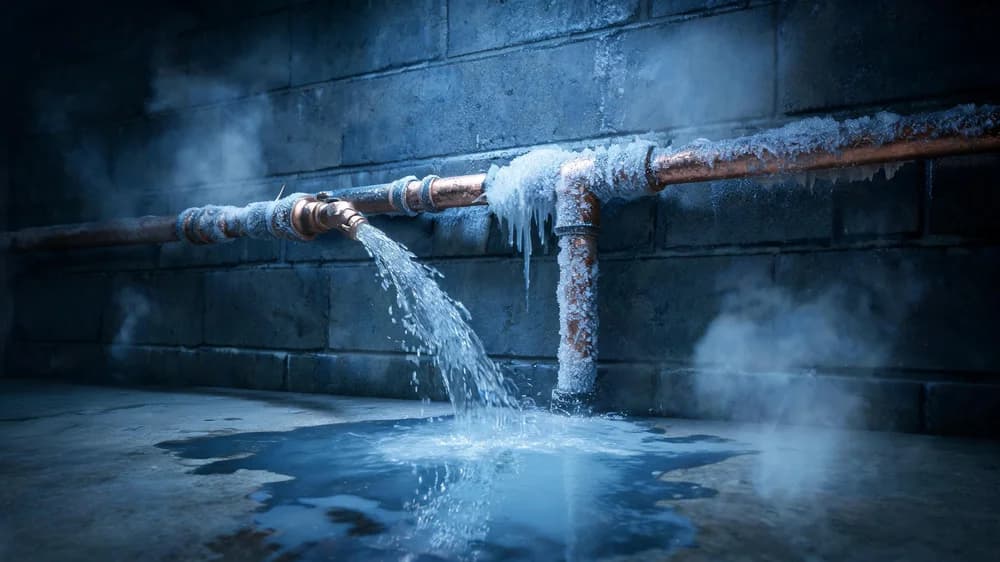
Homeowners across New York, New Jersey, Pennsylvania, and Connecticut face additional seasonal risks. Winter vacations coincide with freezing temperatures that can burst pipes, while summer trips coincide with severe storm season and high humidity that stresses air conditioning systems.
Essential Steps Before You Leave
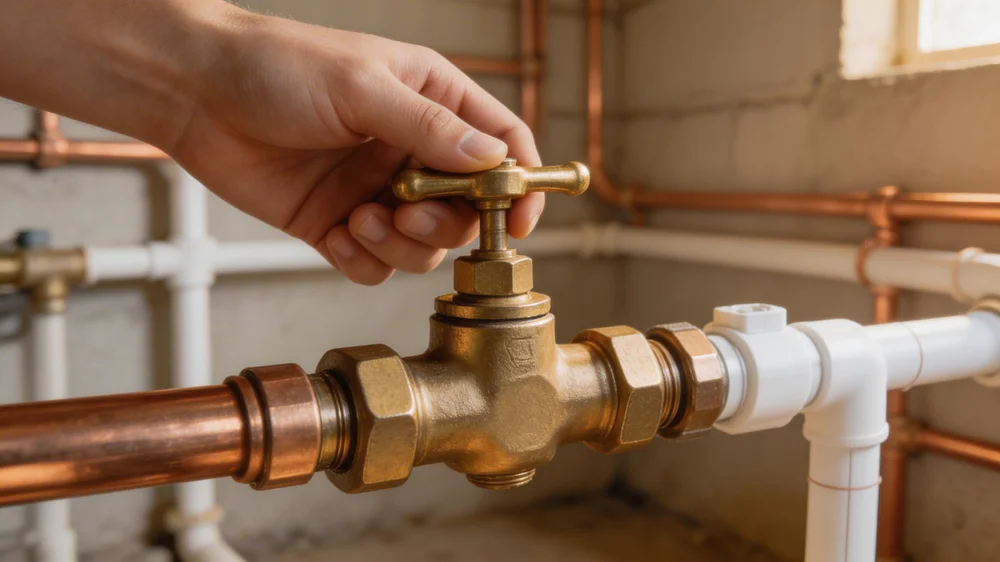
Shut Off the Main Water Supply
This is the single most effective step you can take. If the water supply is off, a failed supply line, burst pipe, or appliance malfunction cannot flood your home. Locate your main water shutoff valve and practice turning it on and off before your trip so you know it operates properly.
If you cannot shut off the main supply because of irrigation systems, pet sitters who need water, or other reasons, at minimum shut off individual supply valves to the washing machine, dishwasher, ice maker, and any other appliances with dedicated shutoffs.
Set Your Water Heater to Vacation Mode
Most modern water heaters have a vacation or low setting that reduces energy consumption while maintaining a minimum temperature to prevent freezing. If your water heater is older and lacks this feature, lowering the thermostat to the lowest setting serves the same purpose. This reduces the risk of a water heater failure while you are away and saves energy.
Inspect Visible Plumbing Before Departing
Take 15 minutes to walk through your home and inspect visible plumbing connections. Check under all sinks for moisture or drips. Look behind the washing machine, dishwasher, and refrigerator for signs of leaking supply lines. Inspect toilet supply lines and fill valves. Address any issues you find before you leave rather than hoping they hold for the duration of your trip.
Adjust Your HVAC System Appropriately
In summer, set your air conditioning to maintain the home at 80 to 85 degrees rather than turning it off completely. This prevents excessive humidity buildup that promotes mold growth and can cause condensation damage. In winter, set your heat to no lower than 55 degrees to prevent pipes from freezing, even in interior wall cavities.
If your home has a whole-house dehumidifier, leave it running at a target of 50 percent relative humidity. This is especially important for homes in the humid Northeast climate during summer months.
Clean Gutters and Downspouts
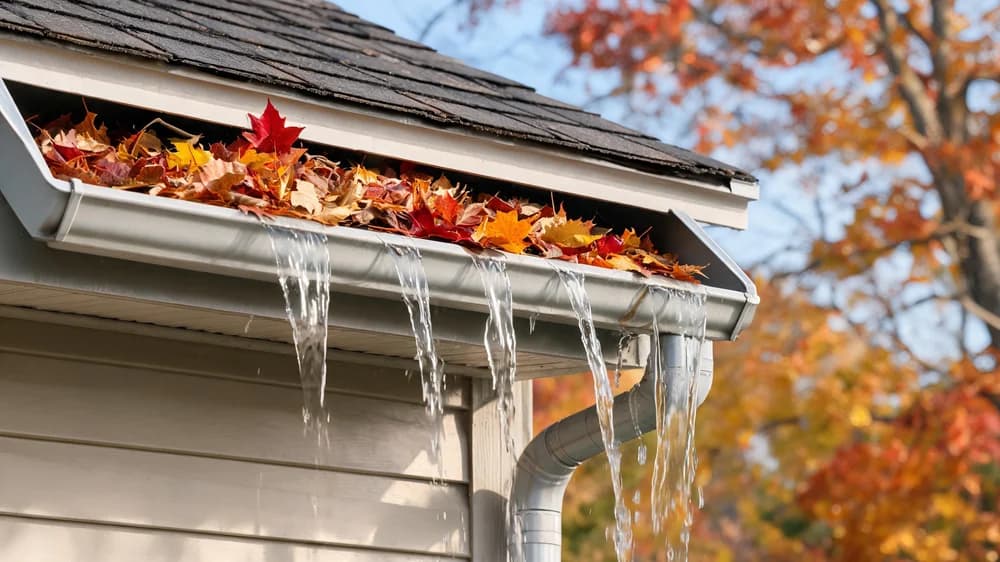
Before an extended absence, ensure your gutters and downspouts are clear and directing water well away from your foundation. Clogged gutters during a heavy rainstorm while you are away can cause water to overflow against the foundation, leading to basement flooding and water intrusion through foundation walls.
Test Your Sump Pump
If your home has a sump pump, test it by pouring water into the pit and confirming the pump activates and discharges properly. If your sump pump does not have a battery backup, consider installing one before you leave. Power outages during storms are common in the Northeast, and a sump pump without power during a heavy rain event is one of the leading causes of basement flooding.
Smart Technology for Vacation Protection
Modern smart home technology offers powerful tools for protecting your home while you are away:
- Smart water leak detectors: Place Wi-Fi-connected leak detectors under sinks, near the water heater, behind the washing machine, and in the basement. These devices send push notifications directly to your phone when they detect water, allowing you to arrange a response even from hundreds of miles away.
- Automatic water shutoff systems: These systems pair leak detectors with a motorized valve on your main water supply. When a leak is detected, the valve closes automatically within seconds. This is the gold standard in water damage prevention for unoccupied homes.
- Smart thermostats: Monitor and adjust your home's temperature remotely. If temperatures drop toward freezing or humidity rises to concerning levels, you can adjust settings from your phone and receive alerts before conditions become dangerous.
- Smart humidity monitors: Track humidity levels throughout your home in real time. A sudden increase in humidity in a specific area often signals a water intrusion event.
- Security cameras with water detection: Some indoor security cameras can visually detect water pooling and send alerts with video footage, giving you eyes on the situation from anywhere.
Arrange for Property Monitoring
Technology is valuable, but having a trusted person check on your home periodically adds an essential layer of protection:
- Ask a neighbor, friend, or family member to walk through your home every two to three days during your absence.
- Provide them with your main water shutoff valve location and instructions for turning it off in an emergency.
- Leave them contact information for Advanced DRI in case they discover a water emergency. Our 24/7 emergency line ensures rapid response even when you are not available to make the call yourself.
- If you use a pet sitter or house sitter, brief them on the location of shutoff valves and the warning signs of water damage.
Winter-Specific Precautions
Winter vacations require additional precautions to prevent frozen pipe damage:
- Keep the heat at 55 degrees or higher. Pipes in exterior walls, crawl spaces, and unheated areas are vulnerable to freezing even with the heat on. A minimum of 55 degrees provides a reasonable margin of safety for most homes.
- Open cabinet doors under kitchen and bathroom sinks on exterior walls to allow warm air to reach the pipes.
- Insulate exposed pipes in unheated areas like basements, crawl spaces, garages, and attics before you leave.
- Disconnect outdoor hoses and shut off exterior faucet supply valves from inside the home.
- Consider draining the plumbing system for extended winter absences. This involves shutting off the main water supply, opening all faucets to drain remaining water, and adding antifreeze to toilet bowls and drain traps. This is the most thorough protection against freeze damage but requires proper procedures to avoid damage to the plumbing system.
What to Do If You Discover Damage When You Return
If you come home to water damage, take these steps:
- Do not enter standing water until you confirm the electricity is off in the affected area. Water in contact with electrical outlets or appliances creates a serious electrocution hazard.
- Shut off the main water supply if it is still on and a plumbing failure is the source.
- Document the damage thoroughly with photos and video before any cleanup.
- Contact Advanced DRI immediately. After an extended absence, water damage has had time to penetrate deeply into building materials and mold growth is almost certain. Professional extraction, drying, and mold remediation are essential.
- Contact your insurance company to report the claim promptly.
Do not let your vacation become a disaster. Take the time to prepare your home before you leave, and know that Advanced DRI is here 24/7 if the unexpected happens while you are away.
Frequently Asked Questions
Should I shut off the water every time I leave for vacation?
We strongly recommend shutting off the main water supply for any absence longer than two or three days. For shorter trips, shutting off individual appliance supply valves for the washing machine, dishwasher, and ice maker provides significant protection. The few minutes it takes to turn the water back on when you return is a small price for the peace of mind.
What temperature should I set my heat to when I leave in winter?
We recommend maintaining a minimum temperature of 55 degrees Fahrenheit throughout your home. Some plumbing professionals recommend 60 degrees for homes with pipes in exterior walls or poorly insulated areas. Never turn the heat off completely during winter in the Northeast, even for short absences.
Will my homeowner's insurance cover water damage that occurs while I am on vacation?
Most policies cover sudden and accidental water damage. However, many policies include a vacancy clause that modifies coverage if the home is unoccupied for extended periods, typically 30 to 60 days. Additionally, insurers may question whether reasonable precautions were taken to prevent damage. Taking proactive steps like shutting off water and monitoring the property strengthens your position in a claim.
Are automatic water shutoff systems worth the investment?
Absolutely. Automatic shutoff systems that pair leak detectors with a motorized valve typically cost between $300 and $1,000 installed. Compared to the average cost of a serious water damage event, which can easily exceed $10,000 to $50,000 or more, these systems are one of the most cost-effective investments a homeowner can make. They are especially valuable for vacation homes and homes that are frequently unoccupied.
Categories
Need Restoration Services?
Our team is available 24/7 for emergency response. Call us today for a free phone consultation.

Questions About Restoration?
Our experts are ready to help. Contact us for a free consultation.